
Introductio
One common question that arises is whether composite decking gets hot in direct sunlight. Understanding the science behind composite decking heat, along with the factors influencing deck board temperature, is essential for making an informed decision about your outdoor space.
The Science Behind Composite Decking Heat
Composite lumber decking is designed to mimic the appearance of natural wood while offering enhanced durability and low maintenance. However, its unique composition means that it can absorb heat differently than traditional wood deck boards. This absorption leads to questions about whether composite decking becomes uncomfortably hot when exposed to direct sunlight for prolonged periods.
Factors Influencing Deck Board Temperature
Several factors can influence how hot your composite decking gets under the sun's rays. Color plays a significant role; darker hues tend to absorb more heat than lighter shades, making them feel hotter underfoot. Additionally, the geographical location and climate conditions can affect how much heat your deck composite decking retains throughout the day.
Is Composite Decking Hot in Direct Sunlight?
The short answer is yes; composite decking can get hot in direct sunlight, but various factors determine just how warm it becomes. Many homeowners find that while their composite wood decking boards may not reach extreme temperatures like some other materials, they still require caution on particularly sunny days. Understanding these nuances will help you enjoy your outdoor space without any surprises on those sweltering afternoons.
The Heat Absorption of Decking Materials

When it comes to selecting the right decking material, understanding how heat affects different types is crucial. Various decking materials respond differently to sunlight and heat, influencing not just comfort but also longevity. For instance, while traditional wood can absorb heat and become hot underfoot, composite lumber decking presents its own unique thermal characteristics that warrant consideration.
How Heat Affects Different Decking Types
Heat absorption varies significantly among different decking materials, impacting user experience during hot summer days. Traditional wood decking tends to absorb heat quickly and can reach uncomfortable temperatures in direct sunlight, making it a less desirable option for barefoot walking. In contrast, composite decking is engineered for enhanced durability and often features a lower overall temperature compared to its wooden counterparts when exposed to similar conditions.
Why Composite Decking Gets Warm
Despite being touted as a cooler alternative, composite decking can still get warm under direct sunlight—so the question remains: is composite decking hot? The answer lies in its composition; made from a blend of recycled plastics and wood fibers, this type of deck material absorbs some heat but also dissipates it more efficiently than solid wood. Thus, while you may feel warmth radiating from the surface on sweltering days, the temperature may not be as extreme as that of untreated wooden deck boards.
Comparing Temperature Retention: Composite vs. Wood
When comparing temperature retention between composite wood decking boards and traditional wood options, significant differences emerge. Composite materials tend to retain less heat over extended periods due to their unique manufacturing processes that include additives designed for thermal regulation. Consequently, while both types can become warm in direct sunlight—prompting concerns about whether composite decking is hot—the reality is that many homeowners find composite options more manageable when it comes to foot comfort on hotter days.
Real-World Temperature Examples
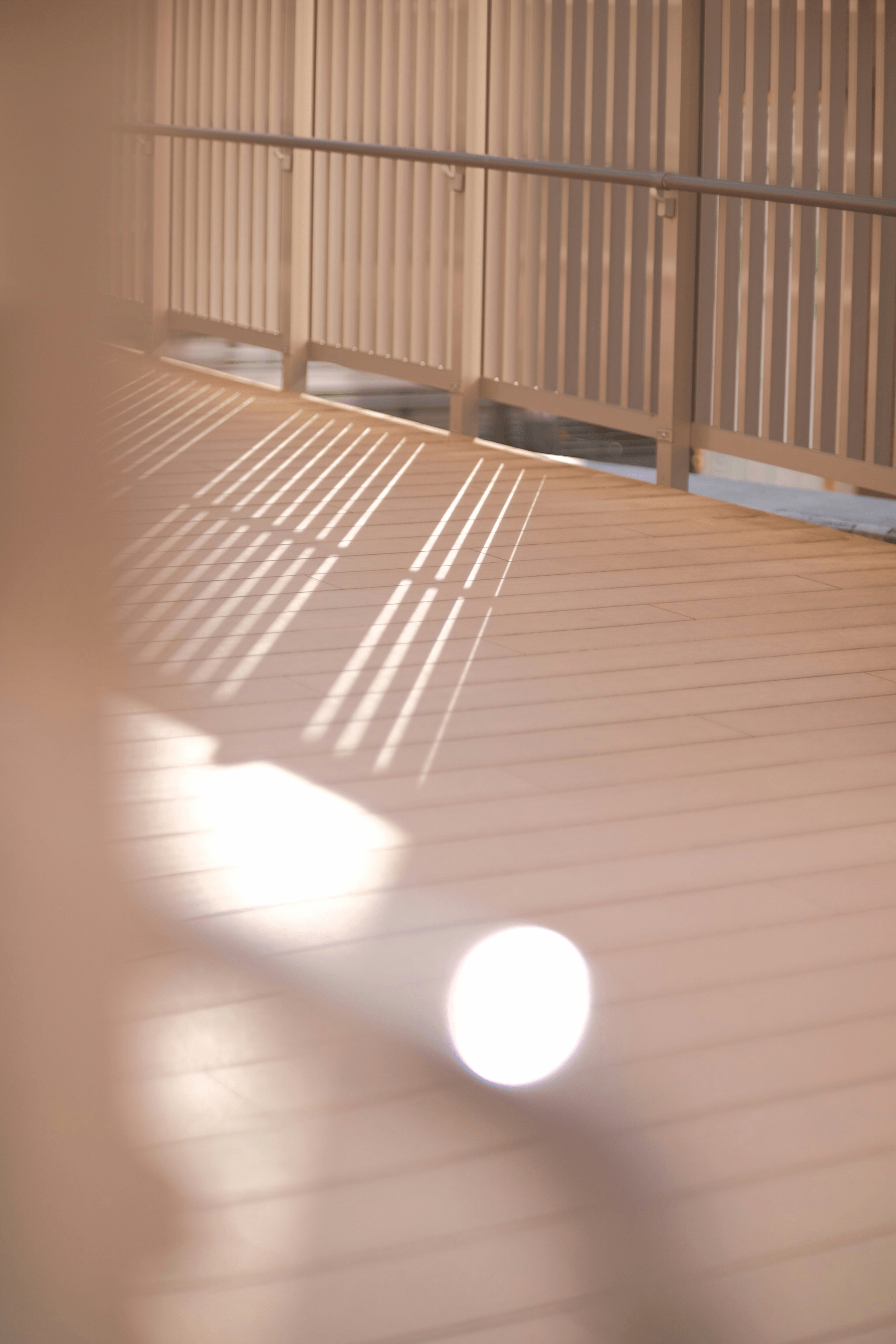
Understanding how composite decking performs in real-world conditions can provide valuable insights for homeowners considering this popular decking material. The temperature of deck boards can vary significantly based on several factors, including the color of the boards, the amount of sunlight they receive, and even the surrounding environment. By examining actual heat measurements and seasonal changes, we can better answer the question: is composite decking hot?
Actual Heat Measurements from Deck Boards
In various studies conducted across different regions, actual heat measurements taken from composite lumber decking reveal some eye-opening data. Darker-colored composite decking tends to absorb more heat than lighter shades, often reaching temperatures that feel quite warm underfoot during peak sunlight hours. For instance, while traditional wood decks might average around 90°F on a sunny day, certain composite deck boards have been recorded at temperatures exceeding 140°F—definitely raising eyebrows regarding whether or not is composite decking hot.
Seasonal Variations in Heat Retention
Seasonal variations also play a crucial role in how hot your deck composite decking can get throughout the year. During summer months, when sunlight is at its strongest and days are longer, composite wood decking boards may retain heat longer than they do in cooler seasons like fall or spring. In winter months, however, these same materials cool down rapidly compared to traditional wood due to their unique composition and lower thermal mass—so while summer might make you wonder if is composite decking hot, winter brings relief.
Regional Climate Effects on Composite Decking
Regional climate effects further influence how hot your composite decking will get over time. In areas with intense sun exposure and high temperatures—such as southern states—you may find that your deck boards heat up significantly faster than in regions with milder climates where shade is more prevalent. This means homeowners should consider their local weather patterns when choosing their deck material; after all, understanding whether or not is composite decking hot in your area could save you from uncomfortable barefoot encounters during those blistering summer afternoons.
Cooling Solutions for Hot Decking Areas

When the sun blazes down, composite decking can feel like a frying pan underfoot. However, there are several effective strategies to keep your outdoor space cooler, making it more enjoyable for family gatherings and lazy afternoons. Understanding these solutions not only enhances comfort but also prolongs the life of your deck boards.
Tips to Keep Your Composite Deck Cool
To combat the heat of composite decking, consider using light-colored furniture and accessories that reflect sunlight rather than absorb it. Additionally, placing outdoor rugs can act as a thermal barrier between your feet and the hot surface of the deck composite decking. Regularly rinsing off your deck boards with cool water can also provide immediate relief on particularly sweltering days, ensuring that you don’t have to worry about whether is composite decking hot.
Another clever trick involves using potted plants strategically placed around your composite wood decking boards; they not only add beauty but also provide shade and help cool the air around them. If you're planning an outdoor gathering during peak sun hours, consider setting up a few portable fans to circulate air over your composite lumber decking. By implementing these tips, you can enjoy your outdoor space without feeling like you're walking on coals!
The Role of Shade Structures
Installing pergolas or awnings can significantly reduce sun exposure on your deck boards while creating an inviting atmosphere for relaxation or entertaining guests. Not only do these structures offer shade, but they also enhance the aesthetic appeal of your outdoor living space.
Consider adding climbing plants or decorative curtains to further enhance shade coverage while allowing some light filtering through—this way you can still enjoy natural light without turning your deck into an oven! Additionally, strategically placing umbrellas over seating areas ensures that everyone stays comfortable even during the hottest parts of the day. With proper shade solutions in place, you'll find yourself asking less often if is composite decking hot.
Innovative Decking Materials to Consider
If you're looking for alternatives or complements to traditional composite lumber decking, there are innovative materials available designed specifically with heat resistance in mind. Some manufacturers have developed advanced composites that incorporate reflective technologies aimed at reducing heat absorption on sunny days; this means you can enjoy all the benefits of composite wood without worrying about scorching temperatures underfoot!
Other options include bamboo-based composites or recycled plastic lumber which generally remain cooler than standard composites due to their unique manufacturing processes and material properties. When selecting new decking material or planning an upgrade to existing surfaces, always inquire about temperature performance and how each option will hold up against those hot summer rays—after all, nobody wants their outdoor oasis feeling like a sauna!
Safety Considerations for Hot Decking
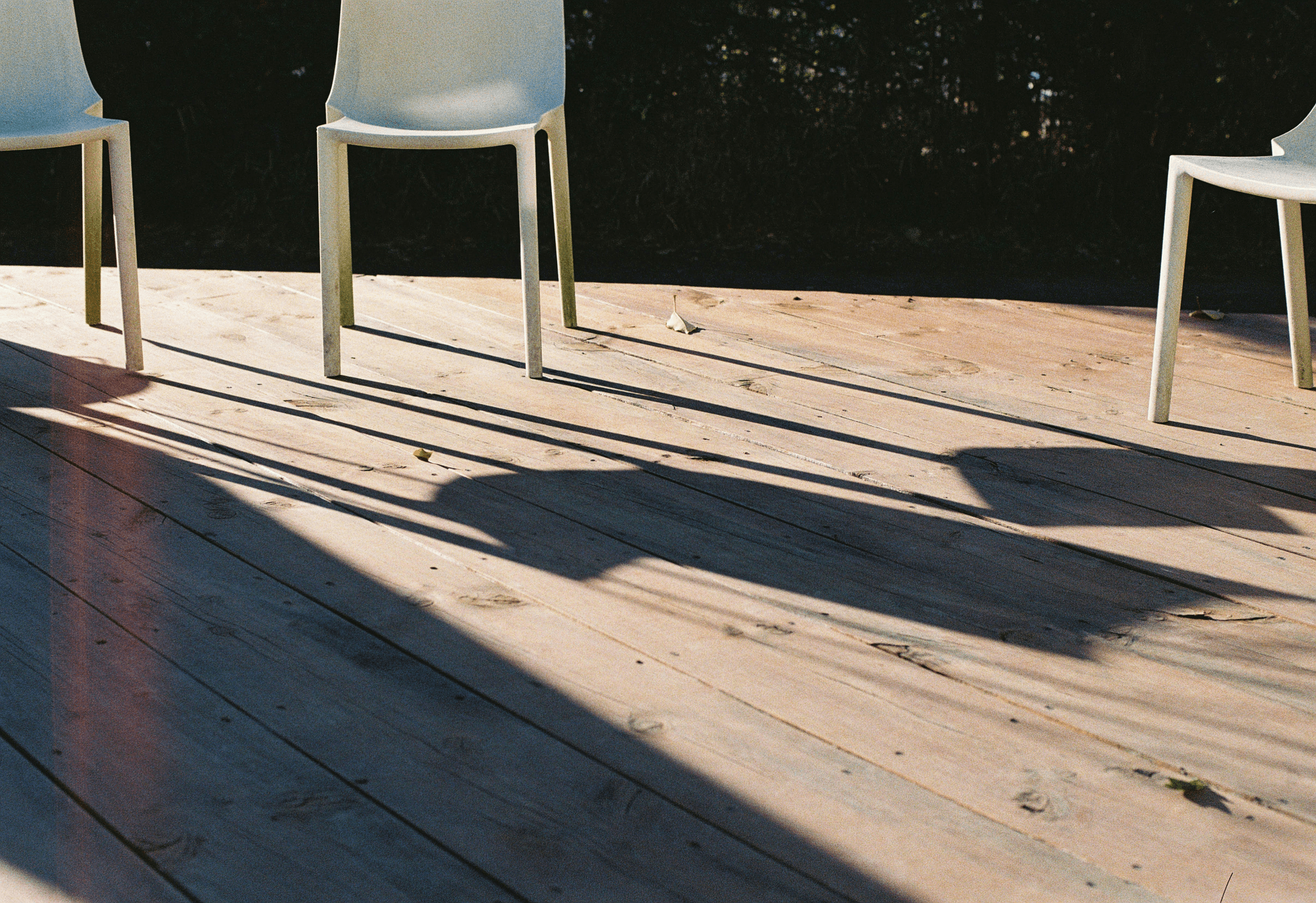
When the sun blazes down, one of the often-overlooked concerns is how hot your composite decking can get. While composite lumber decking is celebrated for its durability and low maintenance, it can also absorb heat and become uncomfortably warm underfoot. Understanding the risks associated with hot deck boards is essential for ensuring a safe outdoor experience.
Risks of Hot Composite Decking
Is composite decking hot? The answer can be a resounding yes, especially during peak summer days when temperatures soar. When exposed to direct sunlight, composite wood decking boards can reach high temperatures that may cause burns or discomfort to bare feet and pets alike. It's crucial to be aware of these risks, as prolonged exposure to hot surfaces could lead to injuries or heat-related issues.
Recommended Footwear for Hot Days
To navigate the potential heat hazard of your deck composite decking, investing in appropriate footwear is a smart move. Lightweight sandals or flip-flops with soles designed for heat resistance can make all the difference when stepping onto warm surfaces. Not only does this help protect your feet from the scorching deck boards, but it also allows you to enjoy your outdoor space without worrying about burns or discomfort.
Family Safety Tips Around Heated Decking
Keeping your family safe around heated decking material requires a bit of foresight and planning. First off, establish boundaries by encouraging kids and pets to stay off the deck during peak sun hours when temperatures are at their highest; this will minimize any risk of burns from hot composite decking surfaces. Additionally, consider placing area rugs or mats in frequently used spots on your deck—these not only provide traction but also create cooler zones where everyone can gather comfortably.
Conclusion
In wrapping up our exploration of composite decking, it’s clear that this innovative material offers a myriad of benefits for homeowners seeking durability and aesthetic appeal. While the question of is composite decking hot? often arises, understanding its properties and how to manage heat can lead to a more enjoyable outdoor experience. Ultimately, choosing composite decking means investing in a long-lasting solution that enhances your living space.
Benefits of Choosing Composite Decking
One of the standout benefits of composite decking is its resistance to fading, staining, and warping compared to traditional wood options. This makes composite lumber decking an excellent choice for those who want low-maintenance deck boards that still look great year after year. Additionally, composite wood decking boards are designed with safety in mind, often featuring slip-resistant surfaces that are perfect for barefoot summer lounging.
Long-Term Durability and Maintenance
When it comes to durability, deck composite decking truly shines; it's engineered to withstand harsh weather conditions without succumbing to rot or insect damage like natural wood can. This longevity means you’ll spend less time on maintenance tasks such as sanding or sealing—allowing you more time enjoying your deck instead! With proper care, which involves occasional cleaning using soap and water, your composite decking will maintain its beauty for years to come.
Sustainable Decking Solutions from Composite Decking Inc
Sustainability is another compelling reason to choose composite materials over traditional options; many manufacturers use recycled materials in their production processes. Composite decking not only reduces the demand for timber but also minimizes waste by repurposing plastic and wood fibers into durable deck boards. By selecting products from companies like Composite Decking Inc., you support environmentally friendly practices while enhancing your outdoor space with beautiful and functional materials.