
Introduction
Adding a roof to an existing deck can transform your outdoor space from a seasonal hangout to an all-year-round retreat. Imagine sipping your morning coffee while staying sheltered from unexpected rain or basking in the shade during scorching summer days. This enhancement not only elevates your comfort but also adds significant value to your property.
Why Add a Roof Over Your Deck
There are countless reasons for adding a roof over your deck, but the most compelling is the promise of versatility and protection. A well-designed roof provides shelter from the elements, allowing you to enjoy your deck regardless of weather conditions. It also creates an inviting atmosphere for gatherings, making it a perfect spot for entertaining friends and family.
The Benefits of a Covered Deck
The benefits of a covered deck extend beyond just protection from rain and sun; they include increased usability and aesthetic appeal. With proper roofing, you can create an outdoor living space that feels like an extension of your home, complete with cozy furniture and decorative touches. Additionally, investing in this upgrade often yields impressive returns when considering adding a roof to an existing deck cost against the enhanced market value of your property.
Understanding the Basics of Deck Roofing
Before diving into how to build a deck with a roof step by step, it's essential to grasp some foundational concepts about deck roofing systems. Whether you're considering a lean-to design or something more elaborate, understanding structural integrity and drainage will be crucial for success. Knowing these basics will help ensure that your new roof not only looks great but functions effectively over time.
Planning Your Roof Project
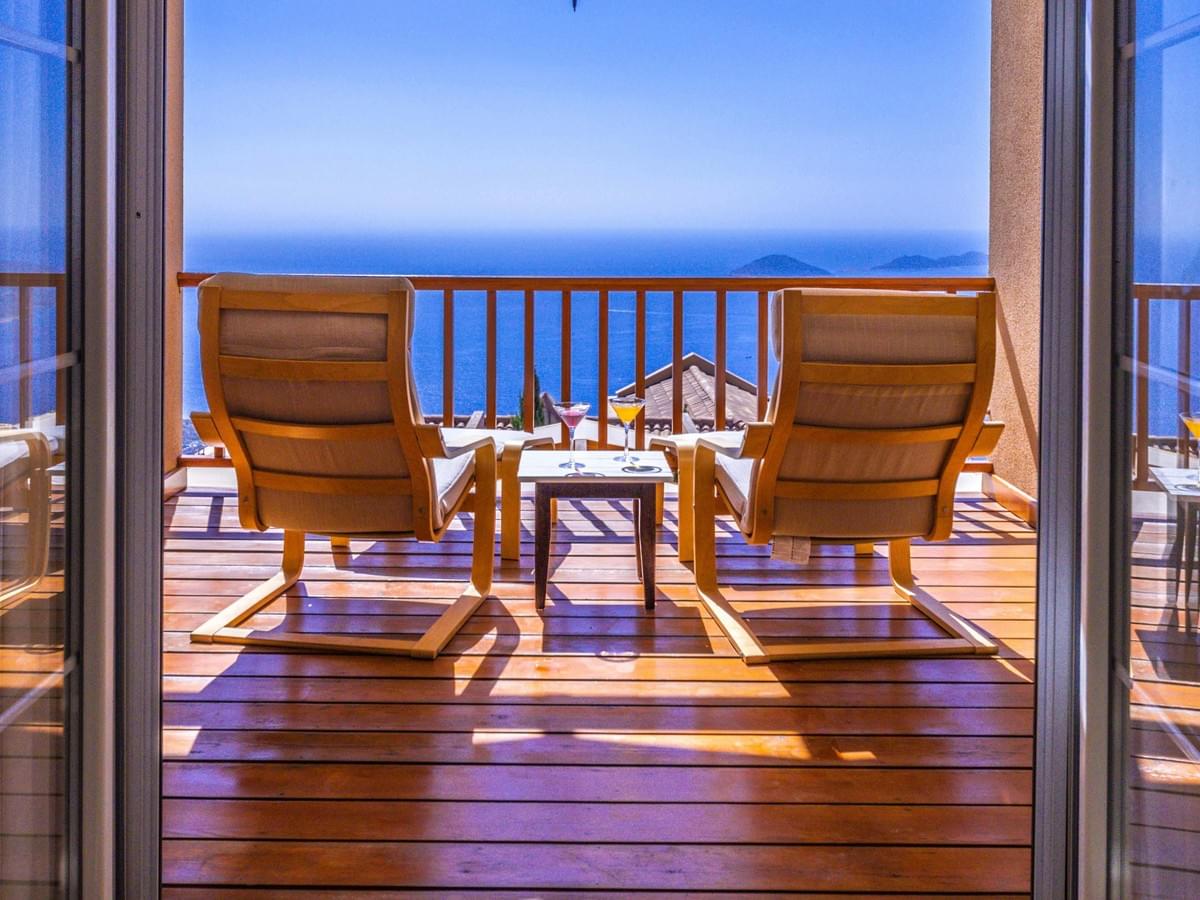
Planning your roof project is a crucial step in transforming your outdoor space. Before diving into the nitty-gritty of adding a roof to an existing deck, it’s essential to assess what you already have, choose a design that complements your home, and ensure compliance with local building codes. A well-thought-out plan will save you time and money down the line, making the process smoother and more enjoyable.
Assessing Your Existing Deck
Before you can start adding a roof to an existing deck, take a good look at its current condition. Is the structure sturdy enough to support additional weight? Checking for signs of wear or damage is vital; any necessary repairs should be made before proceeding with your roofing project. This assessment will not only help in determining how to build a deck with a roof step by step but also influence the overall design and materials you choose.
Choosing the Right Design
Do you envision a sleek modern look or something more rustic? The style should harmonize with your home’s architecture while also serving practical needs like water drainage and sunlight filtering. Lean-to roofs are popular choices for their simplicity and effectiveness; they can be built seamlessly onto existing structures without overwhelming them.
Understanding Local Building Codes
Navigating local building codes is often one of the trickiest aspects of planning any construction project, including adding a roof to an existing deck. Each locality has specific regulations regarding height restrictions, materials used, and safety standards that must be adhered to when constructing your new roof. Ignoring these codes can lead to costly fines or even having to dismantle your work later on! So before getting started on how to build a lean-to roof over deck, make sure you're fully informed about what's allowed in your area.
Calculating Costs

What to Consider for Your Budget
Before diving into the specifics of adding a roof to an existing deck, it's important to consider several factors that will influence your overall budget. First, think about the type of roof you want: a lean-to roof over deck might be more cost-effective than a full gabled structure. Additionally, consider whether you'll be doing the work yourself or hiring professionals; labor costs can significantly impact your final expenses.
Next, factor in materials—choosing high-quality roofing materials may require more upfront investment but can save you money in repairs later on. Don’t forget about permits and inspections; these often-overlooked fees can sneak up on you if you're not prepared. Finally, always leave some wiggle room in your budget for unexpected costs that may arise during construction.
Adding a Roof to an Existing Deck Cost Breakdown
Now that you've considered your budgetary elements, let's break down the costs associated with adding a roof to an existing deck. On average, homeowners can expect to spend anywhere from $3,000 to $10,000 depending on size and complexity—this range includes both materials and labor for building a lean-to roof over deck or other designs.
For example, basic materials like plywood and shingles are typically less expensive than premium options like metal or tile roofing. If you're opting for a more intricate design that requires custom framing or additional structural support when connecting the roof over deck attached to house, those costs will also rise accordingly.
Lastly, don't forget about finishing touches such as gutters and downspouts which are essential for proper water drainage; these extras can add another few hundred dollars but are vital for protecting your investment in the long run.
Factor in Long-term Value
When considering adding a roof to an existing deck cost-wise, it's essential to think beyond immediate expenses and factor in long-term value as well. A well-constructed covered deck not only enhances your outdoor living space but can also increase your property’s resale value significantly—sometimes recouping 70% or more of your investment when selling your home.
Moreover, having protection from rain and sun means you'll likely spend more time enjoying this space throughout various seasons instead of letting it sit unused during inclement weather. This increased usability translates directly into personal satisfaction as well as potential added value should you decide to sell down the line.
In conclusion, while calculating costs might seem daunting at first glance when adding a roof to an existing deck is concerned; with careful planning around budgeting and understanding long-term benefits—you'll find it’s worth every penny!
Materials Selection

Ideal Roofing Materials for Durability
Choosing durable roofing materials is essential when considering a roof over deck attached to house. Materials like metal roofing or asphalt shingles are popular choices due to their resilience against weather conditions and long lifespan. When adding a roof to an existing deck, ensure that the material you select can withstand local climate challenges while complementing your home’s exterior design.
Another option is polycarbonate panels which offer transparency for natural light while providing protection from rain and snow. They are lightweight yet strong, making them a great choice for DIY enthusiasts looking into how to build a deck with a roof step by step. Investing in high-quality materials may have higher upfront costs but will save you money on repairs and replacements in the long run.
Finally, consider the aesthetics of your chosen roofing material; after all, a beautiful roof can enhance your outdoor living space significantly. Whether it’s sleek metal or classic shingles, ensure that the material aligns with both function and form as you plan this addition.
Choosing Composite Decking
When planning how to build a lean-to roof over deck areas that already feature wooden decking, consider upgrading to composite decking materials for enhanced durability and low maintenance. Composite decking provides an excellent solution that resists fading, staining, and warping—common issues faced with traditional wood decks. This choice not only adds longevity but also complements the new roofing structure beautifully.
In addition to its practical benefits, composite decking comes in various colors and finishes allowing homeowners flexibility in design preferences while ensuring consistency with their new roof over deck attached to house concept. Moreover, many manufacturers produce composite boards using recycled materials—a win-win situation if you're environmentally conscious.
As you assess adding a roof to an existing deck project costs overall—including new decking—consider how much time you'll save on upkeep with composites versus wood alternatives needing regular sealing or painting every few years!
Eco-Friendly Options for Your Roof
With increasing awareness about sustainability in home improvement projects like adding a roof to an existing deck comes the demand for eco-friendly roofing solutions! Opting for green roofs or living roofs can provide insulation benefits while promoting biodiversity right above your head! These roofs support vegetation growth which helps absorb rainwater runoff while enhancing air quality—perfect if you're passionate about Mother Earth!
Another sustainable option includes solar panels integrated into your roofing system—a fantastic way of harnessing energy while enjoying sun-soaked days on your newly covered space! When considering how to build a deck with a roof step by step using solar technology as part of the design could lead toward significant energy savings over time.
Lastly, look into recycled metal sheeting or reclaimed wood products as viable alternatives when constructing your outdoor haven's canopy! Not only do these options reduce waste but they also add unique character—ensuring every detail reflects both style and responsibility towards our planet!
Step-by-Step Guide to Building
Building a roof over your deck can transform your outdoor space into a year-round retreat. This section will guide you through the process of adding a roof to an existing deck, ensuring you understand each step along the way. Whether you're considering a lean-to design or a more complex structure, this guide will help simplify your project.
How to Build a Deck with a Roof Step by Step
To begin, you'll want to assess your existing deck's structure and stability before diving into how to build a deck with a roof step by step. First, determine the type of roof design that fits best—whether it’s gabled, flat, or lean-to—based on your aesthetic preferences and practical needs. Next, gather all necessary materials and tools while making sure you adhere to local building codes for permits and inspections.
Once you've established the design and gathered materials, start by framing the roof structure. Use posts anchored securely in concrete footings for stability; this is vital when adding a roof to an existing deck since it needs to withstand various weather conditions. After framing is complete, install roofing panels or shingles according to manufacturer specifications while ensuring proper drainage away from the house.
Finally, finish off with any desired features such as lighting or ceiling fans that enhance usability and comfort in your newly covered space. Remember that careful planning during this phase will save you time and money later on!
Essential Tools and Equipment Needed
Before embarking on your project of adding a roof to an existing deck, ensure you have all essential tools and equipment at hand. You’ll need basic carpentry tools like saws (circular saws work wonders), hammers, drills, levelers for precision alignment, and measuring tapes for accurate cuts. Additionally, safety gear such as goggles and gloves should be part of your toolkit; after all, safety first!
Don't forget about scaffolding or ladders if you're working on higher sections of the roof over deck attached to house; they are crucial for reaching those elevated areas safely without compromising stability during construction. A nail gun can also speed up assembly time significantly compared to hammering nails manually—just make sure you're comfortable using one!
Lastly, consider having tarps handy if rain is in the forecast; they can protect both you and your materials from unexpected downpours while working outdoors.
Safety Tips During Construction
Safety should always be paramount when undertaking any construction project like adding a roof to an existing deck! Start by familiarizing yourself with all tools before use—knowing how they operate reduces accidents significantly when learning how to build a lean-to roof over deck structures efficiently. Always prioritize wearing appropriate personal protective equipment (PPE) including helmets where necessary.
When climbing ladders or scaffolding during construction phases of building roofs over decks attached directly onto homes' structures—maintain three points of contact at all times for maximum balance! Also remember: don’t rush through tasks; take breaks whenever needed because fatigue can lead directly toward mistakes that could result in injury.
Lastly but importantly: if at any point something feels beyond what you can handle safely (like lifting heavy beams alone), don’t hesitate calling in professional help—you’ll thank yourself later!
Connecting to Your Home
When considering how to enhance your outdoor living space, connecting a roof over your deck to your home can provide numerous advantages. Not only does it create a seamless transition between indoor and outdoor areas, but it also offers protection from the elements, allowing you to enjoy your deck year-round. Additionally, adding a roof to an existing deck can increase the overall value of your property while improving its aesthetic appeal.
Roof Over Deck Attached to House Benefits
One of the primary benefits of a roof over deck attached to house is the added shelter from rain and harsh sunlight. This makes your outdoor space more usable in various weather conditions, allowing for family gatherings or quiet evenings outside without worrying about unexpected showers. Furthermore, attaching the roof directly to your home can streamline construction and reduce costs associated with additional support structures.
Another significant advantage is energy efficiency; a well-designed roof can help regulate temperatures in adjacent indoor spaces by providing shade during hot summer months and insulation during colder seasons. This means that not only will you enjoy more time on your deck, but you might also see savings on heating and cooling bills as well! Lastly, having a covered deck enhances privacy by creating an enclosed area that feels separate from the rest of your yard.
Ensuring Proper Water Drainage
When adding a roof to an existing deck, ensuring proper water drainage is crucial for both functionality and longevity. Without adequate drainage solutions, water can accumulate on the roof surface or flow toward areas where it causes damage—both to the roofing structure itself and potentially into your home’s foundation. Implementing sloped designs or installing gutters will help direct rainwater away from critical areas.
To achieve effective drainage when learning how to build a lean-to roof over deck, consider integrating downspouts that lead away from both the structure and any landscaping features below. This proactive approach minimizes risks associated with flooding or water pooling around foundation elements while maintaining the beauty of your outdoor space. Remember that regular maintenance checks are essential; clogged gutters can lead to unnecessary repairs down the line!
Finishing Touches to Integrate Seamlessly
Once you've tackled how to build a deck with a roof step by step and ensured proper drainage, it's time for those finishing touches that make all the difference! Consider using similar materials for both roofing and decking surfaces; this not only creates visual harmony but also strengthens structural integrity across connected elements of your outdoor area. Whether you choose composite decking or traditional wood options, consistency in design enhances overall aesthetics.
Incorporating decorative features such as lighting fixtures or ceiling fans under your new covered area adds functionality while elevating ambiance—perfect for evening gatherings with friends or family! Finally, don’t forget about landscaping elements; strategic placement of potted plants or climbing vines can soften hard lines from roofing structures while bringing nature closer into view as you relax outdoors.
Conclusion
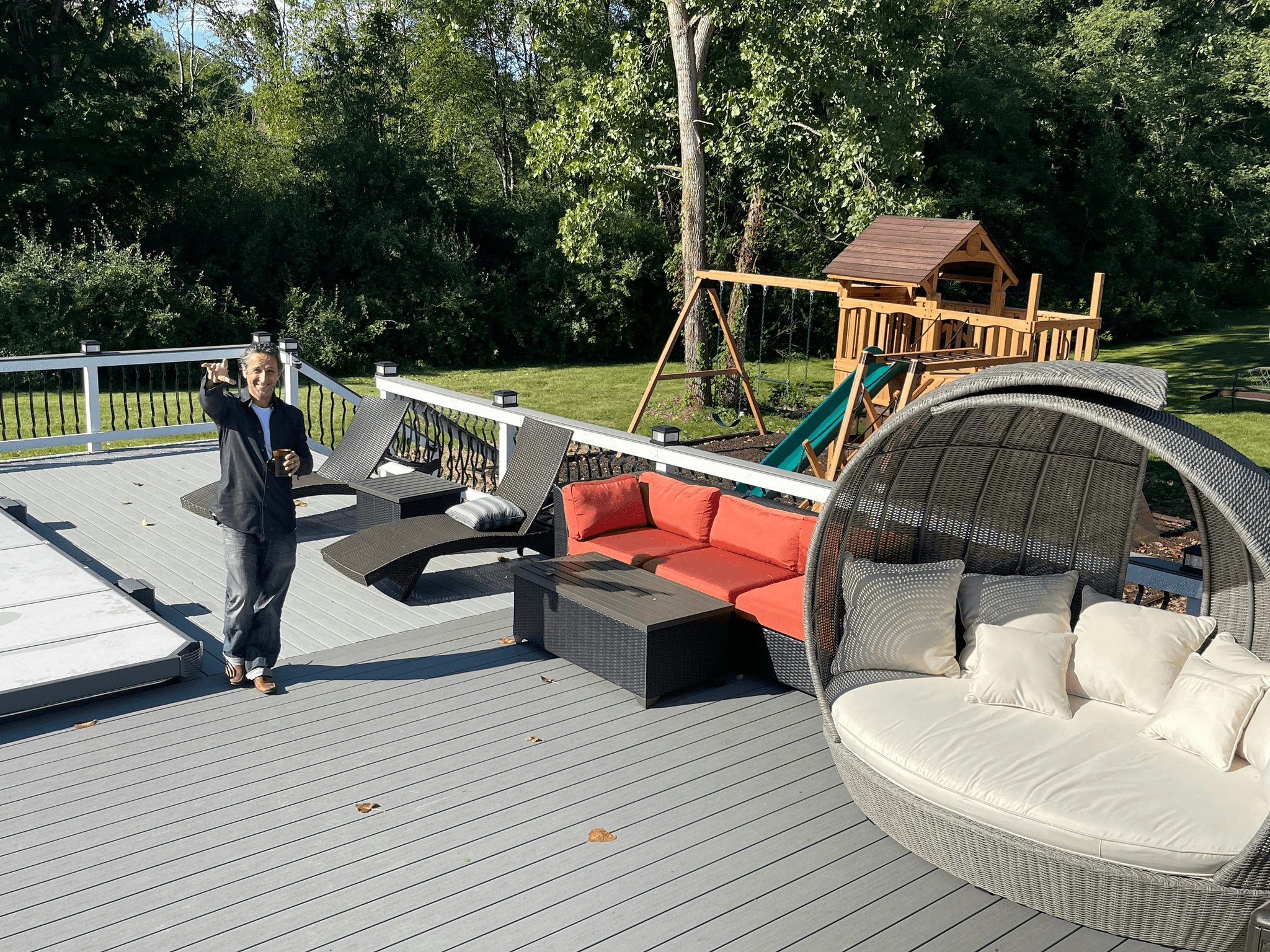
In wrapping up our journey into the world of deck roofing, it’s clear that adding a roof to an existing deck can transform your outdoor experience. Not only does it provide shelter from the elements, but it also enhances the aesthetic appeal and functionality of your space. Whether you’re looking for a cozy spot to enjoy morning coffee or a shaded area for entertaining guests, the benefits are numerous.
Final Thoughts on Deck Roofing
Adding a roof to an existing deck is more than just a home improvement project; it's an investment in your lifestyle. With various designs and materials available, you can tailor your roof to match your home's architecture while ensuring durability and style. Remember, whether you're considering how to build a lean-to roof over deck or exploring other options, careful planning will lead to satisfying results.
Enhancing Outdoor Living Spaces
A covered deck opens up new possibilities for outdoor living spaces that can be enjoyed year-round. By effectively integrating this structure with your home—especially with a roof over deck attached to house—you create seamless transitions between indoor and outdoor areas. This enhancement not only boosts comfort but can also increase property value significantly.
Finding Professional Help When Needed
While DIY enthusiasts may want to tackle how to build a deck with a roof step by step, sometimes calling in the professionals is the best route for complex projects. Experienced contractors can help navigate local building codes and offer insights into adding a roof to an existing deck that you might not have considered. Don’t hesitate to seek expert advice if you feel overwhelmed; after all, ensuring safety and quality should always come first.