
Introduction
Building a deck can be an exciting project, but it comes with its own set of challenges, especially when the weather decides to play tricks on you. One of the most pressing questions that arise is: can you build a deck in the rain? The answer isn’t as straightforward as one might hope, as several factors come into play that can affect both the construction process and the longevity of your deck.
Understanding Deck Building Challenges
Deck building requires careful planning and execution to ensure safety and durability. When rain enters the equation, it complicates matters significantly, especially if you're using materials like deck pressure treated lumber or other decking boards that may be sensitive to moisture. Understanding these challenges is crucial for any builder looking to navigate through wet conditions without compromising on quality.
Assessing Rain's Impact on Construction
Rain can have a profound impact on construction timelines and material integrity. Wet conditions not only make it difficult to work safely but also pose risks such as warping or mold growth in untreated materials. Therefore, assessing how rain interacts with your chosen materials—especially treated wood for decks—is essential for making informed decisions during your build.
The Role of Treated Wood in Wet Conditions
Treated wood serves as a reliable choice for decks exposed to moisture, thanks to its enhanced resistance against rot and insects. However, even treated wood has its limits; prolonged exposure to wet conditions can lead to unforeseen issues down the line if proper precautions aren’t taken during installation. Knowing how treated wood performs in wet weather will help you maintain both structural integrity and aesthetic appeal throughout your deck's lifespan.
Can You Build a Deck in the Rain?
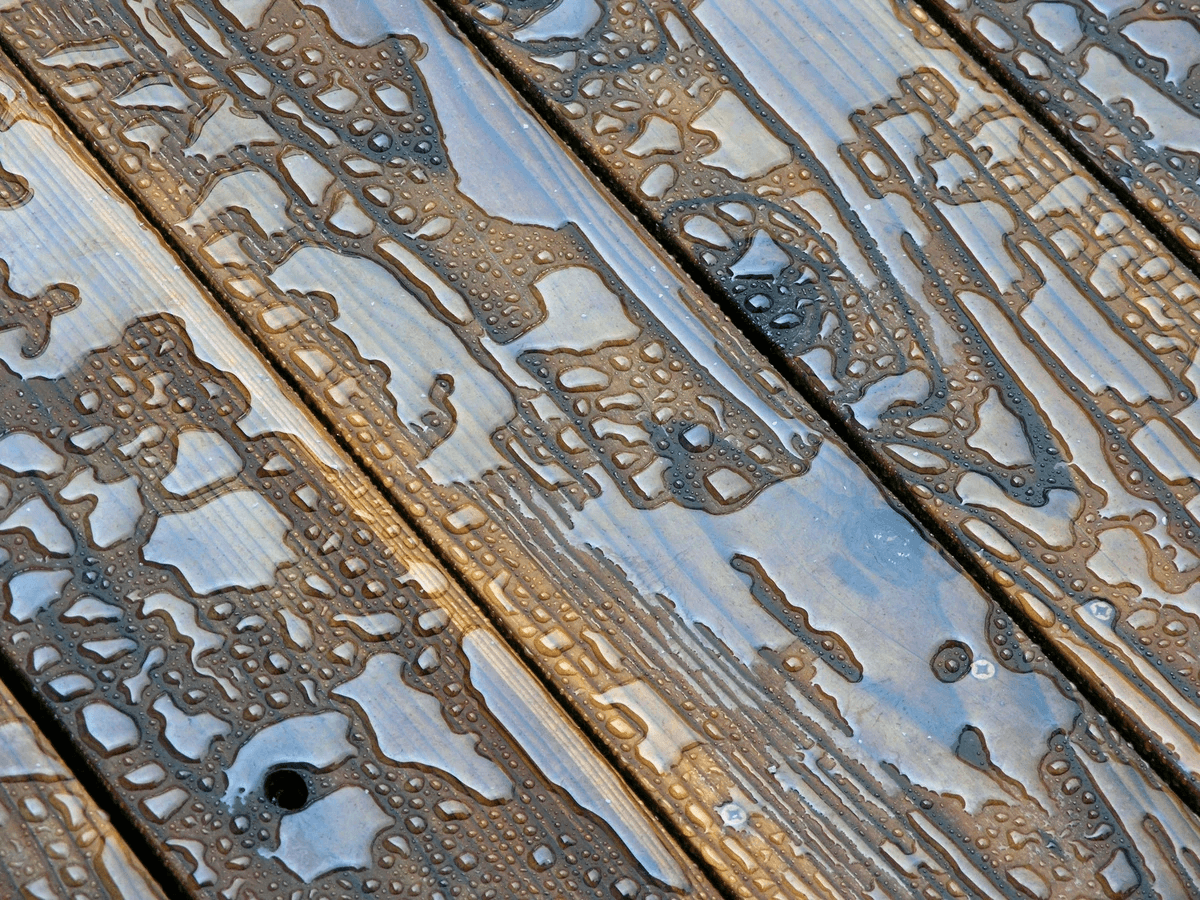
Building a deck in the rain might sound like a recipe for disaster, but with the right approach, it can be done. However, there are several factors to consider before diving into deck building under wet conditions. From the type of materials you choose to the timing of your construction, understanding these elements can make or break your project.
Factors to Consider When Building
When pondering if you can build a deck in the rain, it's vital to assess the weather conditions and how they impact your materials. For instance, moisture levels can affect treated wood for decks; while pressure-treated lumber is designed to resist rot and decay, excessive water can still weaken its structural integrity. Additionally, consider how slippery surfaces may pose risks during installation—nobody wants an accidental slip while handling those hefty decking boards!
Another factor is timing; light rain might not hinder your progress significantly, but heavy downpours could lead you to reconsider your plans entirely. The ground's saturation level also plays a role; if the soil is too muddy, it could complicate securing posts or footings properly. Ultimately, being mindful of these factors will help ensure that your deck building experience remains safe and effective—even when Mother Nature isn’t cooperating.
Safety Precautions for Wet Conditions
Safety should always be at the forefront when considering whether you can build a deck in the rain. First and foremost, wearing appropriate gear such as non-slip footwear and waterproof clothing will keep you dry and steady on your feet while working on those slippery surfaces. Additionally, ensure that all tools are rated for wet conditions; electrical equipment should be kept away from moisture to avoid any nasty shocks.
It's also crucial to have a plan for dealing with water accumulation on your worksite—setting up tarps or using drainage solutions can prevent puddles from forming around where you're working. Finally, always keep an eye on weather forecasts; if thunderstorms are predicted or heavy rains are imminent, it’s wise to pause construction until conditions improve.
Expert Opinions on Rainy Deck Building
Many experts agree that while building a deck in rainy weather isn’t ideal, it doesn’t have to be impossible either—if done correctly! According to seasoned builders who frequently work with deck pressure-treated lumber and other materials designed for outdoor use, one key takeaway is not skimping on quality materials like treated wood for decks that stand up well against moisture exposure over time. They emphasize that proper installation techniques play an equally important role in ensuring long-lasting results.
Moreover, some professionals suggest waiting until after rainfall has subsided before beginning any major tasks like laying decking boards or setting posts—this allows time for surfaces to dry out somewhat without compromising safety or structural integrity during construction. Ultimately, expert insights highlight that with careful planning and attention to detail—even rainy days don’t have to derail your dream deck project!
Choosing the Right Materials

When it comes to deck building, selecting the right materials can make all the difference, especially when considering factors like weather conditions. One pressing question many homeowners ask is, Can you build a deck in the rain? The answer often hinges on the materials you choose, as some are better suited for wet environments than others.
Benefits of Pressure Treated Lumber
Pressure treated lumber is a popular choice for deck construction due to its resistance to moisture and pests. This type of wood undergoes a treatment process that infuses preservatives deep into its fibers, making it less susceptible to rot and decay when exposed to wet conditions. Furthermore, using deck pressure treated lumber can enhance your deck's longevity, ensuring it withstands not just rain but also varying temperatures and humidity levels.
When building a deck with treated wood for the deck frame and support structures, you're investing in stability and durability. It’s essential to remember that while pressure-treated wood is robust against moisture, proper installation techniques are equally important to maximize its benefits. Ultimately, choosing this material means your outdoor space can endure whatever Mother Nature throws at it.
Composite Decking Solutions from Composite Decking Inc
If you're looking for an alternative to traditional wood options, composite decking solutions from Composite Decking Inc might be your best bet. These materials combine plastic and wood fibers to create boards that resist moisture absorption significantly better than untreated wood or even pressure treated lumber. With composite decking products designed specifically for rainy conditions, you won’t have to worry about warping or splintering over time.
Moreover, composite decking requires minimal maintenance compared to regular timber options—no need for staining or sealing every few years! This makes it an attractive option for those who want quality without the hassle of upkeep while still asking themselves: Can you build a deck in the rain? The answer is yes—especially with these innovative materials at your disposal.
The Importance of Quality Decking Boards
Selecting quality decking boards is crucial in ensuring your new outdoor space stands up against adverse weather conditions like rain. High-quality boards not only enhance the aesthetic appeal of your deck but also contribute significantly to its overall structural integrity and longevity. Whether you opt for treated wood for deck construction or composite materials, investing in superior boards will pay off in reduced repairs and replacements down the line.
Additionally, quality decking boards are designed with features that promote drainage and reduce water pooling on surfaces—an essential consideration when pondering if you can build a deck in the rain successfully. Always opt for reputable brands known for their durability; after all, no one wants their dream deck compromised by subpar materials! In short, choosing high-quality decking boards ensures safety and satisfaction as you enjoy your outdoor oasis through any season.
Construction Techniques for Rainy Days

Building a deck in the rain may sound daunting, but with the right techniques, you can tackle this challenge head-on. It’s crucial to adapt your approach to ensure that your deck remains sturdy and safe, even when Mother Nature isn’t cooperating. Here are some effective strategies to help you navigate the complexities of deck building during wet conditions.
Strategies for Water-Resistant Decking
When considering if you can build a deck in the rain, one of the foremost strategies is to utilize water-resistant decking materials. Opting for composite decking solutions or high-quality treated wood for your deck can significantly enhance its durability against moisture damage. Additionally, applying sealants and waterproof coatings on decking boards before installation will provide an extra layer of protection against rain.
Another useful tactic is to design your deck with proper drainage in mind; sloping surfaces can prevent water pooling and reduce wear over time. Furthermore, using fasteners that resist corrosion will ensure that your structure remains intact despite wet conditions. By implementing these strategies, you'll not only protect your investment but also extend the life of your deck.
Installing Treated Wood for Deck Stability
Installing treated wood is essential when building a deck in rainy weather because it offers enhanced stability and resistance against rot and decay. When working with deck pressure treated lumber, make sure it is adequately dried before installation; this ensures that moisture does not get trapped within the wood fibers during construction. It’s also wise to stagger joints between decking boards to allow for better airflow and drainage.
While handling treated wood, consider using specialized screws designed for use with pressure-treated lumber; these fasteners resist corrosion and help maintain structural integrity over time. Additionally, be mindful of how you store treated wood on-site; keeping it elevated off the ground will prevent moisture absorption from soil or puddles below. With careful installation techniques, you’ll create a strong foundation that stands up well against rainy conditions.
Tools and Gear for Rainy Weather
Equipping yourself with the right tools and gear is vital when embarking on a rainy day deck building project. Waterproof tarps can protect both materials and workers from unexpected downpours while providing a dry workspace as you construct your dream deck. Moreover, investing in non-slip footwear ensures safety while navigating slippery surfaces during construction.
Don’t forget about hand tools specifically designed for wet weather; these might include rust-resistant saws and drills which function effectively even under damp conditions. Additionally, having extra towels on hand helps keep everything dry while ensuring that treated wood remains free from excess moisture during assembly. With appropriate tools at your disposal, you'll find that building a sturdy deck amidst raindrops becomes much more manageable.
Long-Term Effects of Building in the Rain
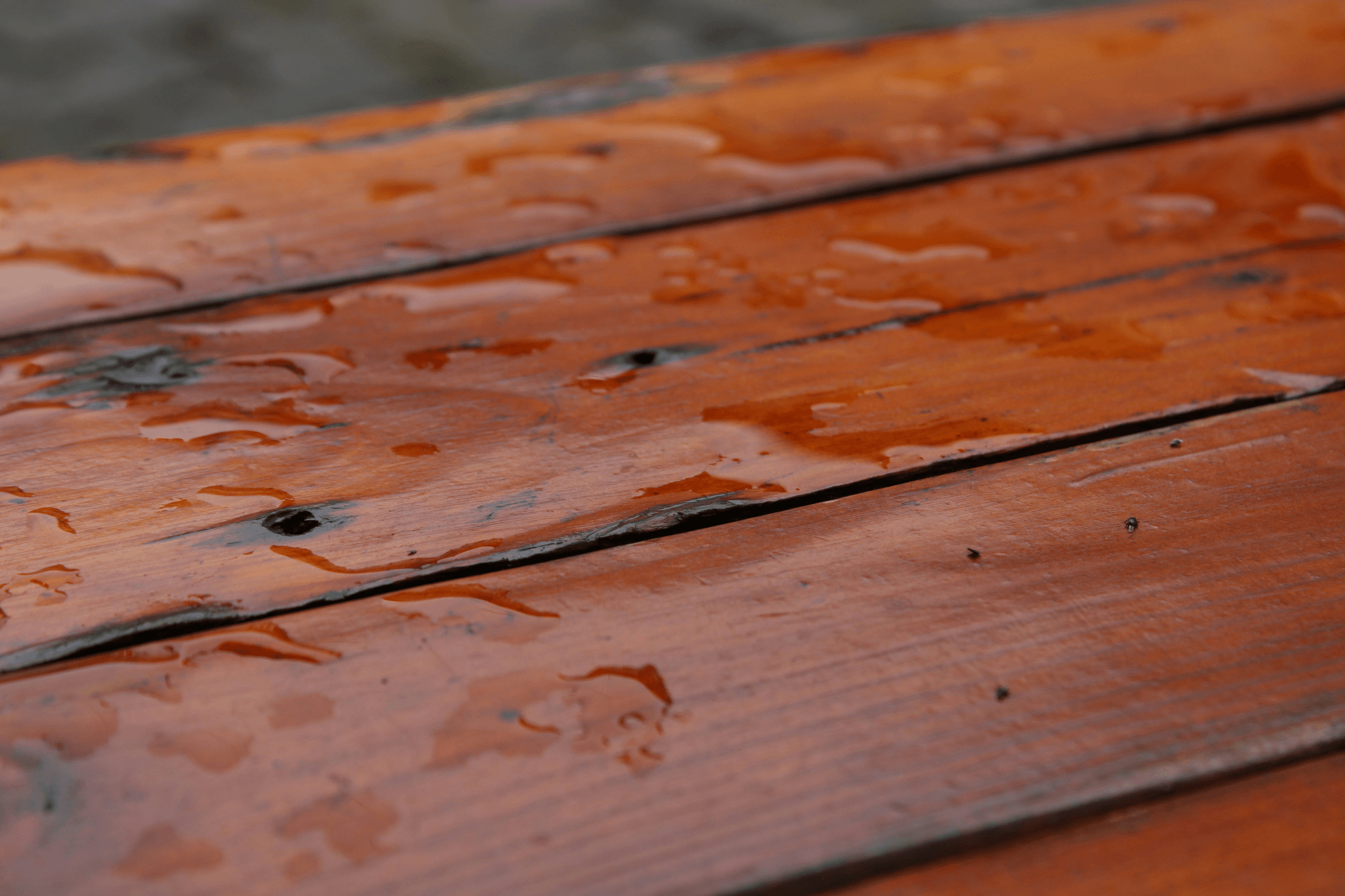
Building a deck in the rain can lead to several long-term effects that homeowners should be aware of. While it might seem feasible, the moisture can compromise both the structure and longevity of your deck. Understanding these impacts is crucial for ensuring that your investment remains sound for years to come.
Potential Damage to Deck Structure
When you ask, can you build a deck in the rain? it's essential to consider how excess moisture can weaken the overall integrity of your deck structure. Waterlogged wood may warp, swell, or even crack over time, leading to an unstable foundation for your decking boards. This potential damage not only affects aesthetics but also poses safety risks if left unaddressed.
Moreover, prolonged exposure to wet conditions can cause untreated areas of your deck pressure treated lumber to deteriorate more quickly than anticipated. The joints and fasteners used during construction may corrode due to rust or mold growth, further compromising structural stability. Hence, careful consideration must be taken when deciding whether or not to proceed with deck building during rainy weather.
How Moisture Affects Treated Wood
Treated wood for decks is designed specifically to resist moisture and decay; however, excessive water exposure still poses challenges. Even pressure-treated lumber can struggle against constant dampness if not installed correctly or maintained properly after construction. When moisture seeps into treated wood fibers, it can lead to mold growth and rot over time—an outcome no homeowner desires.
Additionally, when building in the rain, you run the risk of trapping moisture within layers of decking boards if they aren't adequately dried before installation. This entrapment can create an environment conducive to decay beneath the surface where it’s challenging to detect issues until they become severe. Thus, understanding how moisture interacts with treated wood is vital for maintaining a durable and safe outdoor space.
Preventing Future Issues After Construction
To mitigate potential long-term effects from building in wet conditions, proactive measures are essential post-construction. Regular inspections should be scheduled after heavy rains; look out for signs of warping or mold on your decking boards and other wooden structures around your home. Keeping drainage paths clear will also help prevent water accumulation around your new deck.
Applying a high-quality sealant on treated wood surfaces after installation is another effective strategy for safeguarding against future moisture-related problems. This protective layer helps repel water while enhancing the longevity of your materials—making sure that even if you do decide on some rainy day construction down the road, you're better prepared! Ultimately, investing time into preventive maintenance will ensure that your beautiful new deck withstands both weather elements and time itself.
When to Postpone Construction
Building a deck is an exciting project, but sometimes Mother Nature has other plans. Knowing when to postpone construction due to rain can save you time and resources in the long run. After all, can you build a deck in the rain without risking structural integrity and safety?
Signs that Rain is Too Intense
When it comes to deck building, not all rain is created equal. If you notice heavy downpours, strong winds, or flooding conditions in your area, it’s a clear sign that it’s time to put your tools down and wait for clearer skies. Intense rain can compromise the quality of treated wood for deck construction and lead to slippery surfaces that pose safety risks.
Additionally, if puddles are forming on your worksite or if the ground becomes overly saturated, these are telltale signs that conditions aren’t ideal for construction. Remember, using deck pressure treated lumber doesn’t make your project immune to moisture damage; prolonged exposure can still wreak havoc on your materials. So listen closely to nature’s cues—postponing might just be the smartest decision.
Weather Forecasting for Deck Builders
In today’s digital age, weather forecasting has never been easier—and more critical for deck builders! Before starting any construction project, check reliable weather apps or websites for updates on rainfall predictions and storm warnings in your area. Knowing whether showers are expected or if there’s a chance of thunderstorms will help you determine if it's feasible to proceed with your decking boards installation.
Moreover, pay attention to humidity levels as well; high humidity can affect how quickly materials dry out after any rainfall. Even if it seems like a light drizzle at first glance, checking forecasts will help you avoid surprises later on that could jeopardize the integrity of treated wood for decks you've installed already.
Making Smart Scheduling Decisions
Timing is everything when it comes to deck building—especially when considering wet conditions! If rain is forecasted within days of your planned start date, consider rescheduling until you're certain about a dry window ahead. Smart scheduling decisions involve not just looking at immediate weather patterns but also long-term forecasts that could impact future workdays.
Don’t hesitate to consult with experienced builders who know how unpredictable weather can be; their insights might save you from costly mistakes down the line! Ultimately, ensuring optimal conditions will enhance both safety and quality in using pressure treated lumber effectively during construction—because nobody wants soggy decking boards ruining their hard work!
Conclusion
Building a deck in the rain can be a daunting task, but with the right knowledge and materials, it’s not impossible. Understanding the challenges posed by wet conditions is crucial for any deck builder. Ultimately, the decision to proceed should weigh both safety and quality to ensure a successful project.
The Final Word on Rainy Deck Building
So, can you build a deck in the rain? The answer is yes, but with significant caveats. Proper planning and using high-quality treated wood for your deck are essential; otherwise, you risk compromising both safety and longevity.
Practical Tips for Building Safely
When embarking on deck building during rainy days, always prioritize safety first. Ensure your tools are waterproofed and that you're equipped with slip-resistant footwear to navigate slick surfaces effectively. Additionally, monitor weather forecasts closely to avoid unexpected downpours that could make conditions hazardous.
Embracing Quality Decking Solutions
Using quality decking boards made from pressure treated lumber is non-negotiable when constructing in less-than-ideal weather. These materials not only resist moisture but also enhance stability over time, ensuring your structure stands strong against nature's whims. Investing in top-notch treated wood for your deck will pay dividends in durability and aesthetics down the line.