
Introduction

Many homeowners believe that a quick blast with the highest pressure pressure washer will restore their deck to its former glory without any repercussions. However, this approach can lead to unintended damage and costly repairs, making it crucial to understand the ins and outs of deck cleaning.
Common Misconceptions About Pressure Washing
One prevalent myth is that using a pressure washer on a wood deck is a one-size-fits-all solution; in reality, not all decks are created equal. The truth is that different materials require different techniques and settings for effective cleaning without causing harm. For instance, applying too much pressure can strip away finishes or even gouge wood surfaces, leaving your deck worse off than before.
The Importance of Proper Deck Care
Proper care for your decking goes beyond just an occasional wash; it’s about maintaining its longevity and aesthetic appeal. Regular maintenance not only enhances the look of your outdoor space but also protects against deterioration caused by weather elements and foot traffic. By investing time in proper deck cleaning methods, you ensure that your outdoor oasis remains inviting for years to come.
Protecting Your Investment in Decking
Decks are significant investments that enhance both property value and enjoyment; thus, they deserve the best care possible. Understanding how to effectively pressure wash a deck while preserving its integrity is key to protecting this investment. With the right knowledge and tools at hand, you can enjoy a clean and safe outdoor environment without compromising your decking's lifespan.
Understanding Pressure Washer Settings

Choosing the Right PSI for Decking
Selecting the appropriate PSI for pressure washing wood decks is crucial to avoid damaging the surface while still achieving effective cleaning results. Typically, a range of 500 to 1500 PSI works well for most decking materials; however, softer woods may require lower settings to prevent splintering. If you're using the highest pressure pressure washer available, be cautious—too much power can strip away finishes or even gouge your deck.
For composite decking, you might find that a lower PSI around 1200 is sufficient since these materials are less porous and often easier to clean. Always start with a lower setting and gradually increase if necessary; this approach helps protect your investment in decking while still getting rid of stubborn stains. Remember, it's better to take it slow than risk damaging your beautiful outdoor space.
Understanding Spray Patterns for Effective Cleaning
The spray pattern from your pressure washer nozzle plays an essential role in how effectively you clean your deck without causing harm. Different nozzles produce various spray angles—typically ranging from 0 degrees (a concentrated jet) to 40 degrees (a wide fan)—and choosing wisely can optimize your deck cleaning process. For most wooden decks, a 25-degree or 40-degree nozzle is ideal as it covers more area without being too aggressive.
Using too narrow of a spray can lead to uneven cleaning and potential damage, especially on softer wood surfaces; therefore, always test on an inconspicuous area first before committing to full-scale cleaning. Additionally, keeping the nozzle at least 12 inches away from the surface helps maintain control over water flow while reducing any risk associated with high-pressure jets hitting sensitive areas of your decking. Ultimately, understanding spray patterns will ensure that you achieve that pristine look without sacrificing integrity.
Avoiding Damage with Incorrect Settings
Incorrect settings on a pressure washer can lead not only to ineffective cleaning but also unintended damage that could cost you dearly down the line. Overusing high-pressure settings can strip paint or stain from wood decks or create grooves in composite materials; neither scenario is ideal when you're aiming for an immaculate finish! To avoid these pitfalls during your pressure wash deck session, always prioritize safety by adhering strictly to manufacturer recommendations regarding both PSI and nozzle types.
Additionally, be mindful of environmental factors such as wind direction when applying detergents or rinsing off debris; this will help mitigate any potential overspray that might affect nearby plants or furniture during cleaning sessions. Lastly, never underestimate the importance of regular inspections before and after using high-powered equipment—this way you'll catch any signs of wear early and keep up with maintenance needs proactively! By following these guidelines closely, you'll enjoy beautifully maintained decking without compromising its longevity.
Ignoring Surface Material
Differences Between Wood and Composite Decking
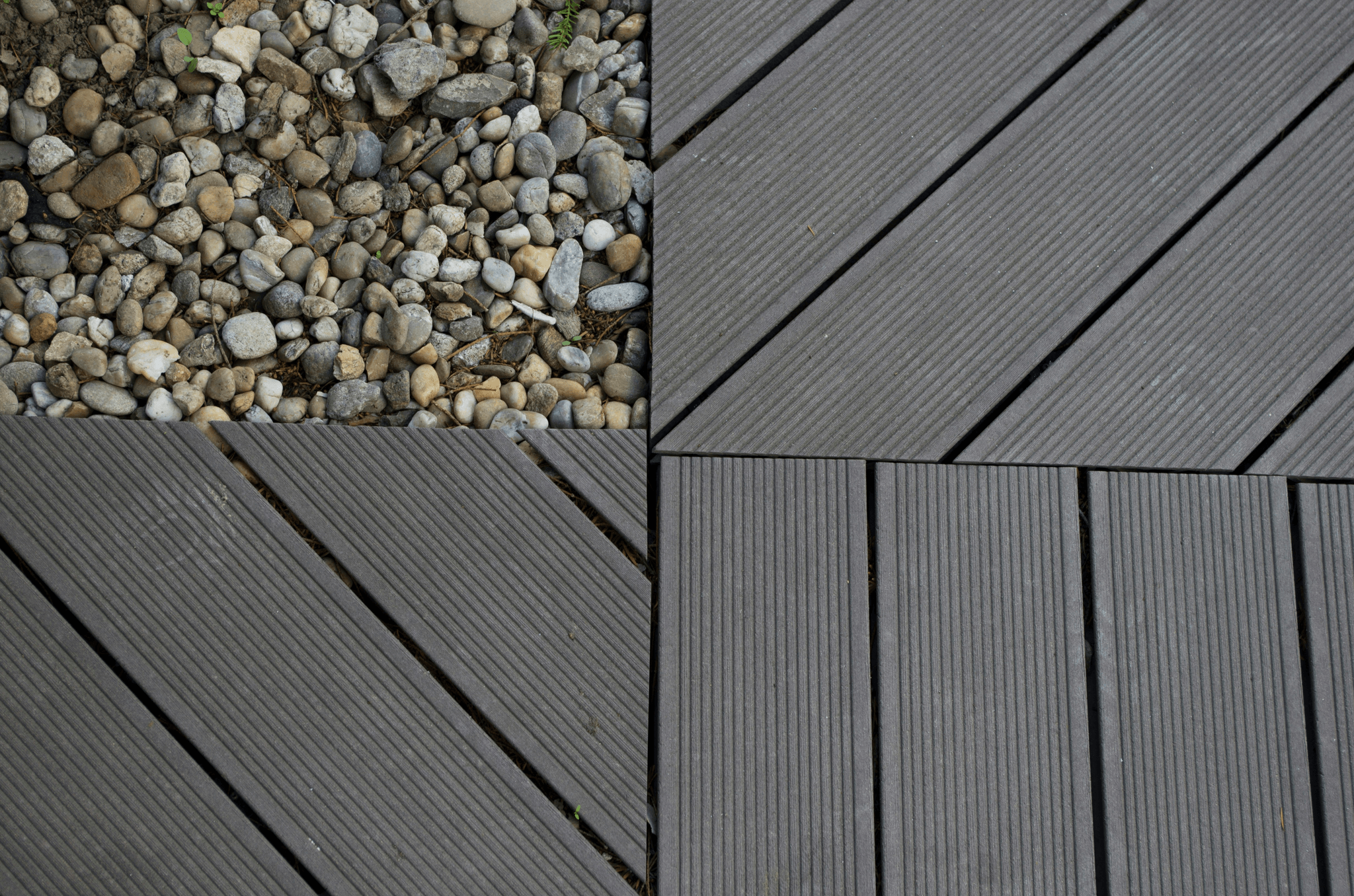
Wood decking is typically more porous than composite materials, meaning it can absorb water and cleaning solutions more readily. This porosity makes wood susceptible to damage from high-pressure settings; using the highest pressure pressure washer can lead to splintering or gouging the surface. In contrast, composite decking is designed to resist moisture and staining, allowing for more aggressive cleaning without significant risk of damage.
Recommendations for Different Deck Materials
For a wood deck, it's advisable to use a lower PSI setting on your pressure washer—around 1200-1500 PSI is usually sufficient for effective deck cleaning without causing harm. On the other hand, composite decks can often handle pressures up to 2500 PSI, but it's still wise to start low and gradually increase if necessary. Always remember that regardless of material, keeping the nozzle at least 12 inches away from the surface will help prevent unwanted damage during a pressure wash deck session.
How Pressure Washing Affects Various Surfaces
Pressure washing wood decks can remove dirt and grime effectively but may also strip away protective coatings if done improperly. While you might think that using a higher PSI would yield better results, it could end up costing you in repairs or refinishing down the line. Composite surfaces are generally more forgiving during cleaning; however, overdoing it with excessive pressure can still lead to scratching or dulling of the finish.
Skipping Pre-Cleaning Preparation

Before you grab that pressure washer and start blasting away dirt and grime from your decking, it’s crucial to take a moment for some pre-cleaning preparation. Skipping this step can lead to ineffective cleaning or, worse yet, damage to your deck. Proper preparation ensures that your deck cleaning experience is both safe and efficient.
Clearing the Area for Safe Pressure Washing
First things first: clear the area around your deck before diving into the pressure washing process. This means removing furniture, plants, and any decorative items that could get damaged by the high-pressure spray or become projectiles during cleaning. Not only does this create a safer workspace, but it also allows for a more thorough clean of your decking without obstacles getting in the way.
Once you’ve cleared the area, take a moment to check for any low-hanging branches or power lines that could interfere with your pressure washer's reach. Ensuring there’s ample space around you while using the highest pressure pressure washer will help prevent accidents and allow you to focus on achieving that spotless finish on your wood deck.
Inspecting Your Deck for Repairs
Next up is inspecting your deck for any repairs before you start pressure washing wood decks. Look closely at boards for signs of rot, splintering, or loose nails—these issues can worsen with high-pressure water exposure if left unaddressed. Making necessary repairs not only protects your investment in decking but also ensures an effective clean since damaged surfaces can harbor dirt and mildew.
If you find any areas needing attention, such as cracked boards or loose railings, it’s best to fix these before applying any water or detergents during the deck cleaning process. This proactive approach allows you to avoid further complications down the line while ensuring that every inch of your surface receives proper care during pressure washing.
The Role of Detergents in Pressure Washing
Now let’s talk about detergents—an often-overlooked hero in the battle against grime on decks! Using appropriate detergents helps break down tough stains and makes it easier for your pressure washer decking efforts to shine through. While many people might think they can just blast away dirt with pure water from their highest pressure pressure washer, incorporating a detergent tailored to outdoor surfaces enhances effectiveness significantly.
Choose a detergent specifically designed for use with a pressure wash deck; this will help lift dirt without damaging materials like wood or composite decking. Be sure to follow instructions carefully when mixing and applying these products; proper usage will ensure optimal results without harming either yourself or your precious decking!
Overusing the Pressure Washer

Benefits of Moderate Cleaning Power
Using a moderate PSI (pounds per square inch) setting on your pressure washer can provide several benefits when tackling a dirty deck. For one, it effectively removes dirt and grime without risking damage to the wood or composite materials. This balanced approach allows you to achieve a thorough clean while maintaining the integrity of your decking, ensuring that you don’t have to worry about splinters or gouges ruining your outdoor space.
Risks of Excessive Pressure on Decking
On the flip side, employing the highest pressure pressure washer can lead to disastrous consequences for your deck. Excessive pressure can strip away protective finishes and even cause permanent damage like deep grooves or cracks in wooden surfaces. Not only does this detract from the aesthetic appeal of your deck, but it can also lead to costly repairs down the line—something no homeowner wants!
Finding the Right Balance for Effective Cleaning
So how do you find that sweet spot between too much and just enough power? Start by testing different settings on an inconspicuous area of your deck before diving into full-scale pressure washing wood decks. Gradually increase the PSI until you find a level that effectively cleans without causing harm; typically, somewhere between 1200-2000 PSI works well for most decks. Remember, moderation is key when it comes to achieving clean surfaces without sacrificing quality.
Neglecting Post-Washing Care
After you've completed the task of pressure washing your deck, it's crucial not to overlook the next steps in maintaining its beauty and integrity. Many homeowners mistakenly believe that once their deck is clean, their work is done. However, proper post-washing care can make all the difference in extending the life of your decking and ensuring it looks great for years to come.
Importance of Sealing Your Deck
Sealing your deck after a thorough pressure wash is like giving it a protective hug. This important step helps to lock out moisture, prevent fading from UV rays, and ward off pesky pests that might want to make a home in your wood or composite materials. Without sealing, even the highest pressure pressure washer won't save your deck from potential damage caused by water infiltration or weather extremes.
Recommended Products for Deck Maintenance
When it comes to choosing products for deck maintenance after pressure cleaning, opt for high-quality sealants specifically designed for decking materials. Look for water-repellent stains or sealants that offer UV protection; these will keep your wood looking fresh and vibrant while providing a barrier against moisture damage. For composite decking, select products that are compatible with synthetic materials to ensure you maintain both appearance and durability.
Preventing Future Damage After Pressure Washing
To keep your freshly cleaned deck looking its best after a pressure wash deck session, consider implementing some preventive measures. Regularly inspect your decking for signs of wear or damage—catching issues early can save you time and money down the line! Additionally, applying a protective sealant every couple of years will help mitigate wear from foot traffic and weather exposure while preserving that just-cleaned look.
Conclusion

In wrapping up our journey through the world of pressure washing, it’s essential to remember that effective deck cleaning is more than just blasting away dirt. It involves understanding your equipment, the materials you're working with, and the right techniques to protect your investment. By following these guidelines, you can ensure your pressure wash deck remains in top-notch condition for years to come.
Key Takeaways for Effective Deck Washing
When it comes to pressure washer decking, knowing the right PSI settings is crucial for avoiding damage while still achieving a deep clean. Always take the time to prepare your surface before diving into cleaning; this includes inspecting for repairs and clearing debris. Lastly, don’t forget about post-washing care—sealing your deck can make all the difference in maintaining its beauty and durability.
Ensuring Longevity of Your Decking
To extend the life of your decking, regular maintenance is key. This means not only using a pressure washer but also applying protective coatings after cleaning to guard against weathering and wear. Remember that a well-maintained deck not only looks great but also adds value to your home—so treat it with care!
Making Informed Choices with Composite Decking Inc
When considering materials like those offered by Composite Decking Inc., it's vital to understand how they respond differently compared to traditional wood decks under pressure washing conditions. Using a high-quality composite material can reduce maintenance needs while still allowing for effective cleaning methods like pressure washing wood deck options when necessary. Ultimately, making informed choices about your decking will lead you down a path of fewer headaches and more outdoor enjoyment.