
Introduction
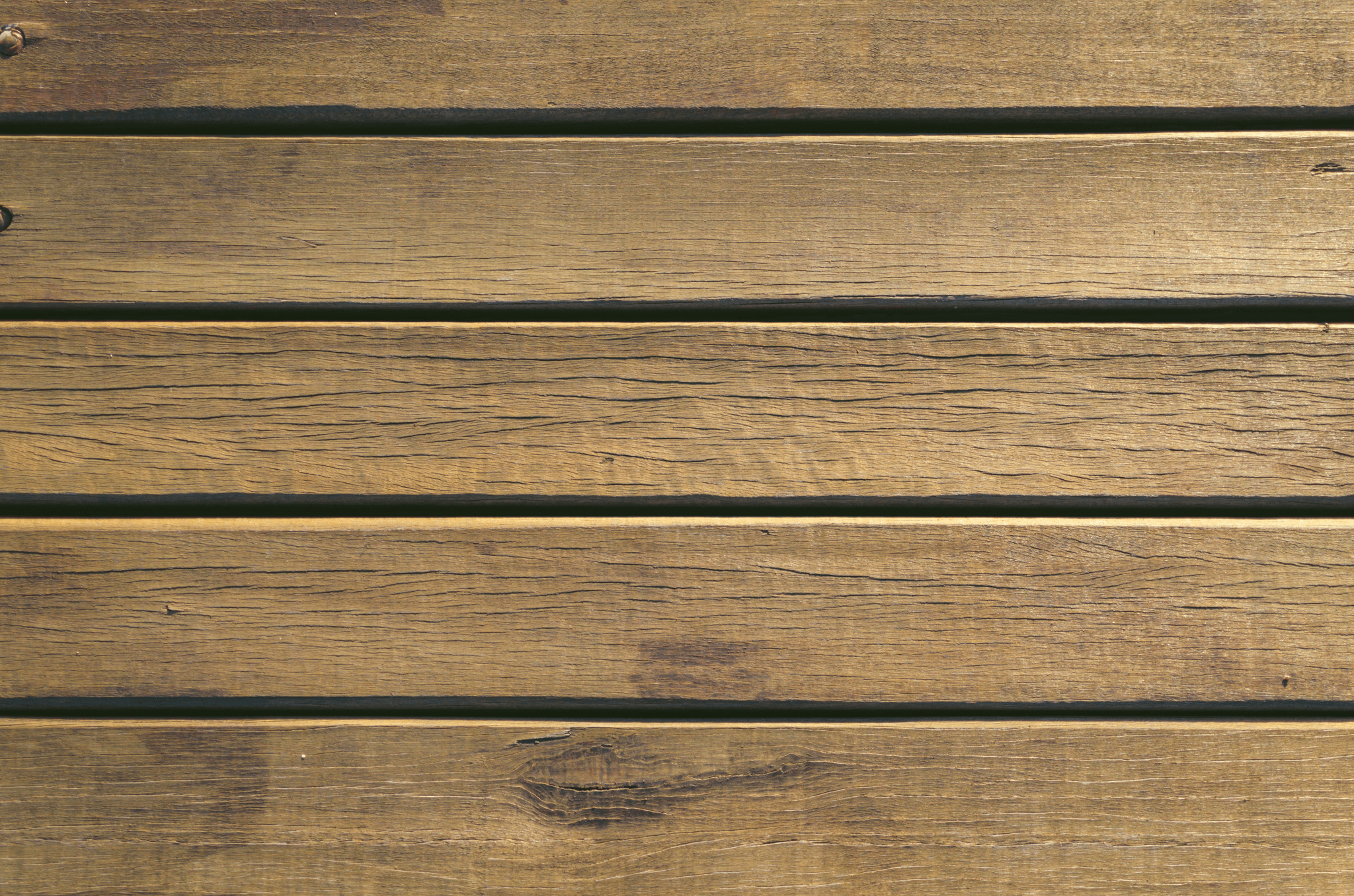
Not only do they exude luxury and sophistication, but they also offer unparalleled durability that can withstand the test of time. So, is teak good for decking? The answer is a resounding yes—especially when you consider its unique properties and aesthetic appeal.
Why Choose Teak Decking Boards
Teak decking boards are often regarded as the gold standard in outdoor materials. Their natural oils provide resistance against moisture and decay, making them an ideal option for decks exposed to the elements. While some may wonder about the disadvantages of teak wood, such as its cost or maintenance requirements, the long-term benefits often outweigh these concerns.
Benefits of Teak Decking Boards
One of the most compelling reasons to opt for teak decking boards is their longevity; with proper care, they can last for decades without losing their charm. Additionally, their rich golden-brown color adds a touch of elegance that few other materials can match. Are teak decks worth it? Absolutely—especially considering their ability to age beautifully while requiring minimal upkeep compared to alternatives like smooth composite decking.
Teak Decking Boards vs. Other Materials
When comparing teak decking boards to other options like composite materials, several factors come into play: performance features, cost considerations, and overall value. While composite decking is often touted as low-maintenance and eco-friendly, many enthusiasts argue that nothing beats the natural beauty and durability of solid wood like teak. Is teak an expensive wood? Yes—but its unrivaled quality may justify the investment for those who prioritize aesthetics and longevity in their outdoor spaces.
Understanding Teak Decking Boards

Teak decking boards are not just any ordinary wooden planks; they are a luxurious choice for outdoor spaces. Known for their remarkable qualities, teak wood has been a favorite among homeowners and builders alike. But what exactly makes teak so special, and how does it compare to other materials like smooth composite decking?
What Makes Teak Special
Teak is renowned for its exceptional durability and natural beauty, making it an ideal option for decking. The high oil content in teak wood gives it a unique resistance to moisture, insects, and decay, prompting the question: Is teak good for decking? Absolutely! This resilience ensures that your teak decking boards can withstand the elements without warping or cracking over time.
However, it's essential to consider the disadvantages of teak wood as well. While its longevity is impressive, the initial investment can be significant due to its status as an expensive wood. Still, many find that this cost is justified when weighed against the long-term benefits of having beautiful and robust outdoor flooring.
Varieties of Teak Wood
When selecting teak decking boards, you'll come across different varieties that cater to various aesthetic preferences and budgets. Burmese teak is often considered the gold standard due to its rich color and density; however, there are also plantation-grown options that offer sustainability without compromising quality. Each variety has its charm—some may lean towards a lighter hue while others boast deep golden tones.
Understanding these varieties helps homeowners make informed choices about their decks—after all, not all teak is created equal! Whether you opt for traditional Burmese or sustainable plantation-grown options, you can rest assured knowing that you’re investing in something truly special.
Sourcing and Sustainability
The sourcing of teak wood raises important questions about sustainability in today’s eco-conscious world. Many consumers wonder if using this beautiful material contributes to deforestation or environmental harm. Fortunately, responsible sourcing practices have emerged in recent years; many companies now prioritize sustainably harvested timber.
When considering whether “are teak decks worth it?” it's crucial to look at both quality and sustainability factors together. By choosing certified sustainable sources for your teak decking boards, you not only enhance your outdoor space but also support responsible forestry practices—a win-win situation!
Advantages of Teak Decking Boards
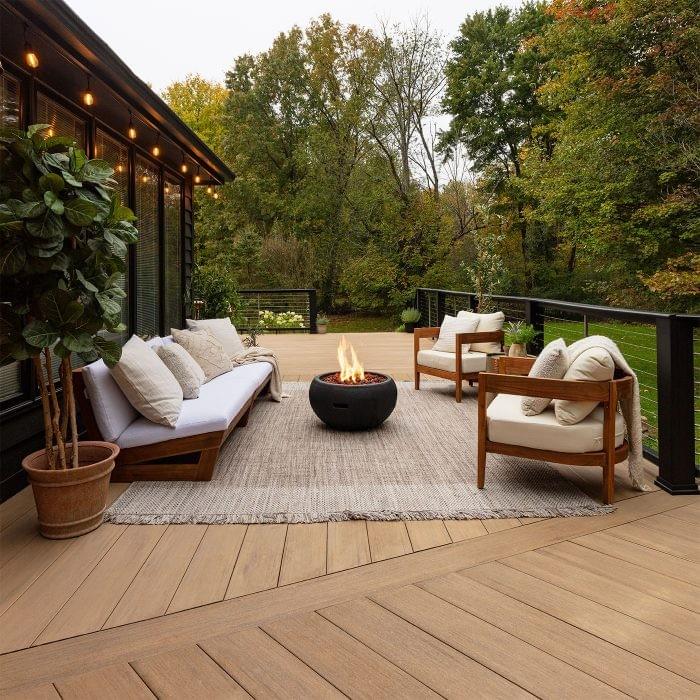
Durability and Longevity
Teak decking boards are renowned for their incredible durability, making them an excellent choice for outdoor applications. Unlike many other woods, teak can last for decades with minimal maintenance, which raises the question: Are teak decks worth it? When you consider the lifespan and resilience against wear and tear, the investment in teak becomes clear—it's not just wood; it's a long-term solution.
Moreover, while some may ponder the disadvantages of teak wood—like its initial cost—it’s essential to weigh that against its longevity. In the long run, fewer replacements mean more savings, making teak an economically wise choice despite being considered an expensive wood upfront.
Natural Resistance to Elements
One of the most impressive features of teak decking boards is their natural resistance to elements such as moisture and UV rays. This means your deck won't warp or fade like some smooth composite decking options might over time. Homeowners can enjoy peace of mind knowing that their investment will withstand rain, sun exposure, and even pests without significant deterioration.
Additionally, this inherent resistance makes maintaining your deck a breeze compared to other materials. While composite decking is often touted for low maintenance needs, when it comes down to performance features in extreme weather conditions, nothing quite matches up to the natural prowess of teak.
Aesthetic Appeal and Style
Aesthetic appeal is another compelling reason why many choose teak decking boards over alternatives like composite materials. With its rich golden-brown hue and elegant grain patterns, teak adds a touch of luxury that transforms any outdoor area into a stunning retreat. When people see your beautifully finished deck made from high-quality wood like teak, they'll surely be impressed by its classic beauty.
Furthermore, unlike some synthetic options that can look artificial or overly uniform—think smooth composite decking—teak offers unique character in every plank. This individuality creates a warm atmosphere perfect for gatherings or quiet evenings under the stars.
Installation Process for Teak Decking Boards

Installing teak decking boards can be a rewarding project that enhances your outdoor space while providing a durable and beautiful surface. However, proper preparation is key to ensuring a successful installation that stands the test of time. Let’s dive into the essential steps to get your teak deck ready for enjoyment.
Preparing Your Outdoor Space
Before you start laying down those stunning teak decking boards, it’s crucial to prepare your outdoor area properly. Begin by clearing the space of any debris, furniture, or existing flooring; this will give you a clean slate to work with. Next, ensure the ground is level and stable—if not, consider adding gravel or sand to create an even surface that supports your new deck.
Don’t forget to consider drainage and moisture control as well! Proper drainage will prevent water pooling under your deck, which could lead to issues down the line. If you're wondering whether teak is good for decking, its natural oils help resist moisture damage, making it an excellent choice when installed correctly.
Tools and Materials Required
To install teak decking boards like a pro, you’ll need some essential tools and materials at hand. First off, gather high-quality teak decking boards—make sure they are sourced sustainably for peace of mind regarding environmental impact. You’ll also need tools such as a circular saw for cutting the boards, a drill for fastening them in place, and measuring tape to ensure everything fits perfectly.
Other materials include stainless steel screws (to prevent rust), spacers (for consistent gaps between boards), and wood sealant (to protect against weather damage). While smooth composite decking might be easier in terms of maintenance and installation speed, nothing beats the timeless appeal of natural teak wood when done right!
Step-by-Step Installation Guide
Now that you’re prepped with tools and materials let’s walk through the step-by-step installation process for your teak decking boards! Start by measuring the area where you’ll lay down your deck; use this measurement to cut your first board accurately using a circular saw—precision is key here! Next, lay down your first board along one edge of the prepared space; use spacers between it and any adjacent board or structure to maintain consistent spacing throughout.
Once positioned correctly, secure it in place with stainless steel screws—aim for every 12-16 inches along each board's length for optimal stability. Continue laying additional boards side by side until you've covered your entire designated area; don’t forget to check alignment regularly! After installation is complete, finish off with wood sealant on all exposed edges—this helps preserve its beauty against weather elements.
In summary: while some may question if teak decks are worth it due to their initial cost (isn't teak an expensive wood?), many homeowners find their longevity and aesthetic appeal justify the investment over time.
Maintenance Tips for Teak Decking Boards
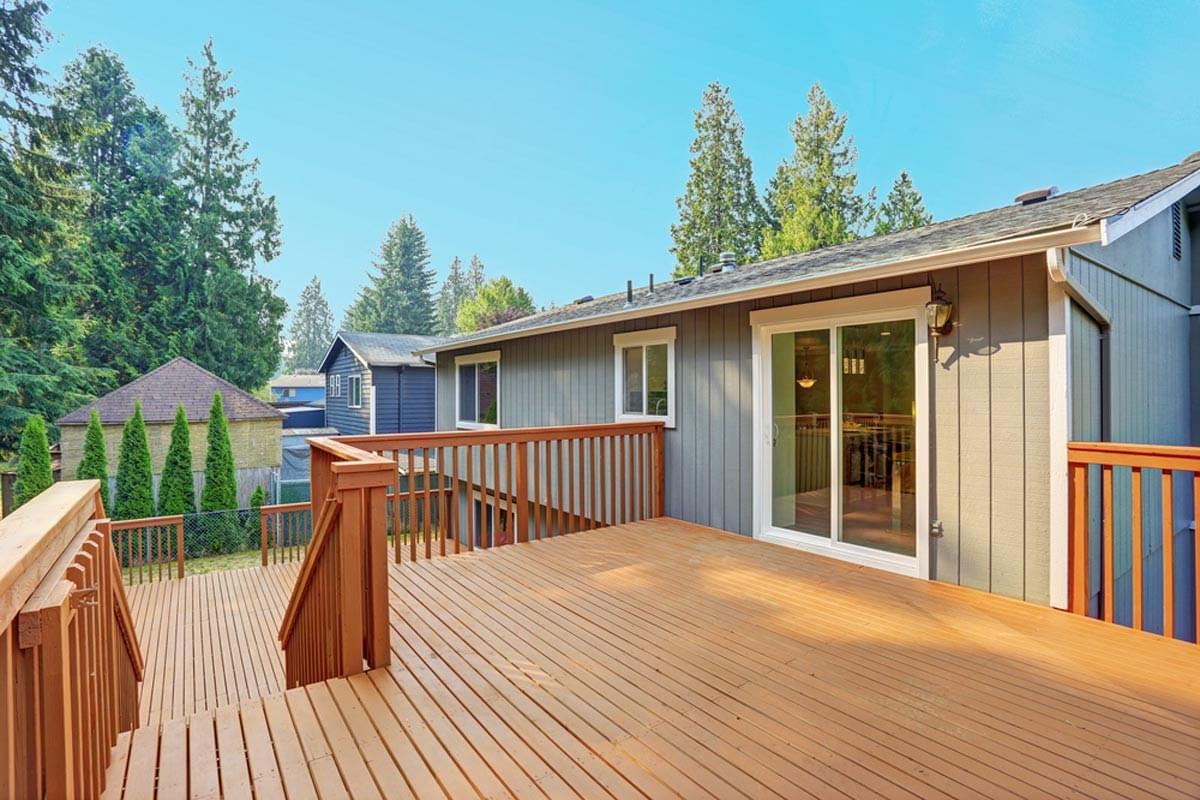
Teak decking boards are known for their durability and aesthetic appeal, but they still require some TLC to keep them looking their best. Proper maintenance can prolong the life of your teak deck and enhance its natural beauty. Here’s how to ensure your teak decking boards remain a stunning feature of your outdoor space.
Cleaning and Care Recommendations
To maintain the beauty of your teak decking boards, regular cleaning is essential. A simple solution of warm water and mild soap can work wonders; just scrub with a soft-bristle brush to remove dirt and grime without damaging the wood's surface. Additionally, avoid harsh chemicals that could strip the natural oils from the wood, as these oils help prevent weathering.
Is teak good for decking? Absolutely! But it does require regular care to keep its rich color and grain intact. For those who prefer a more polished look, consider using a specialized teak cleaner or brightener every few months to enhance its luster while removing any graying that may occur over time.
Protecting Against Weather Damage
Teak is naturally resistant to moisture, making it an excellent choice for outdoor use; however, it’s still wise to take precautions against extreme weather conditions. Applying a high-quality sealant designed for teak can provide an additional layer of protection against UV rays and rain damage. This not only helps maintain the rich color but also prevents mold growth in humid climates.
If you live in an area with significant temperature fluctuations or heavy rainfall, using protective mats or furniture covers during harsh weather can extend the life of your teak decking boards significantly. Remember that while teak is robust, no material is invincible; proactive measures will pay off in longevity.
When to Refinish or Restore
Over time, even the best-maintained teak decks may need refinishing or restoration due to wear and tear from foot traffic or environmental factors. Signs that it's time for a refresh include noticeable fading, rough patches on the surface, or mildew growth despite regular cleaning efforts.
When considering refinishing your deck, remember that this process involves sanding down the surface lightly before applying a new coat of sealer or oil specifically formulated for teak wood—this helps restore its original beauty effectively! Are teak decks worth it? Yes! With proper maintenance like this, they can last decades while providing timeless elegance.
Comparing Teak to Composite Decking
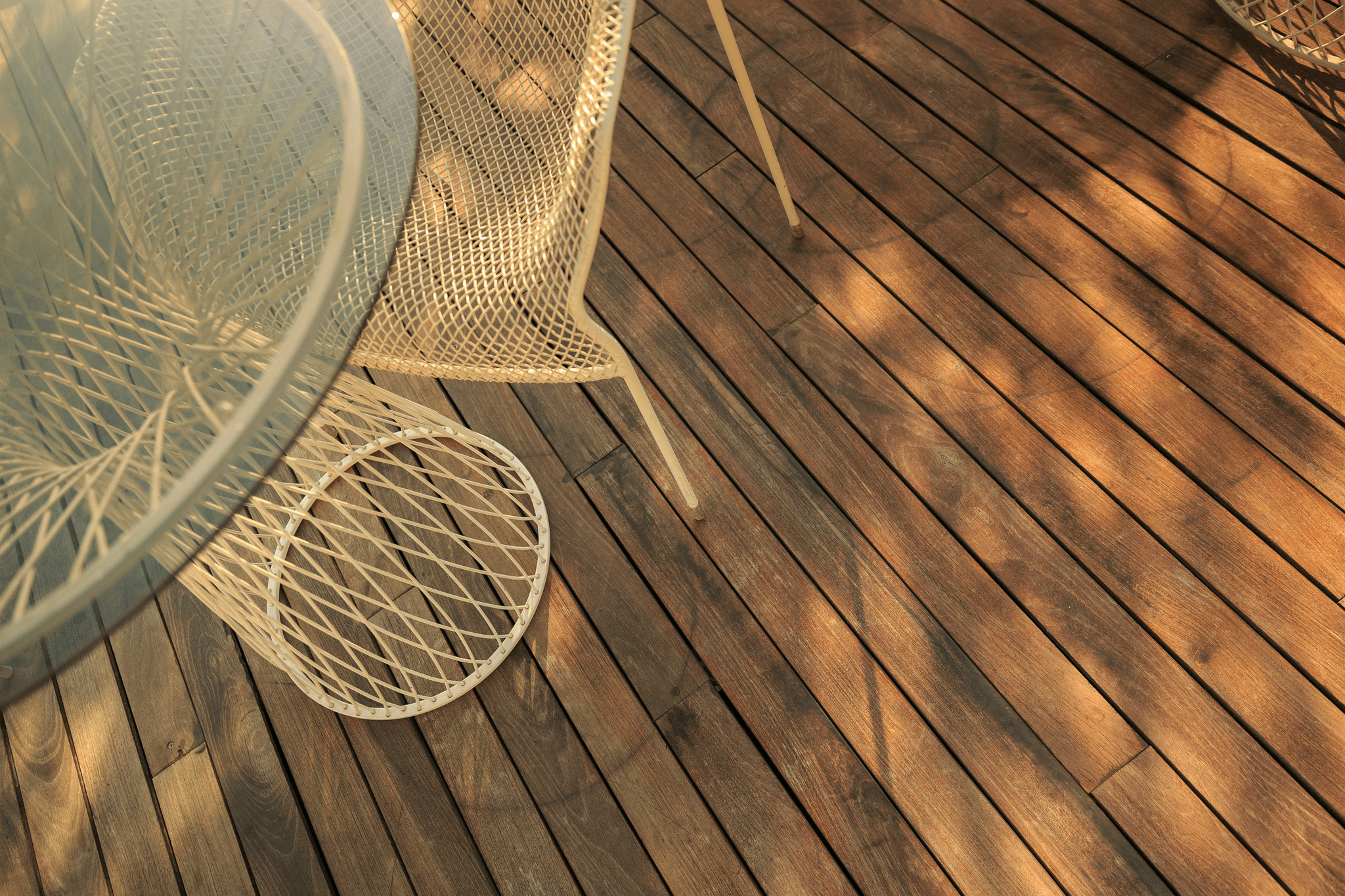
When it comes to choosing the right decking material, homeowners often find themselves torn between the timeless elegance of teak decking boards and the modern convenience of composite decking. Each option has its own unique set of performance features that cater to different needs and preferences. In this section, we’ll dive into how these two materials stack up against each other.
Performance Features of Composite Decking Inc
Composite decking is designed for durability and low maintenance, typically made from a blend of wood fibers and recycled plastic. This combination results in smooth composite decking that resists splintering, fading, and warping—issues that can plague natural wood like teak over time. However, while composite options boast impressive resistance to wear and tear, they may lack the natural beauty and warmth that teak decking boards provide.
Teak wood is renowned for its exceptional strength and natural oils that offer inherent resistance to moisture and pests. This means that while composite decks might require less upkeep, they can’t quite match the classic charm or longevity of well-maintained teak decking boards. So when asking Is teak good for decking?, many will say yes for its aesthetic appeal alone.
Cost Considerations and Value
When it comes to cost considerations, many homeowners wonder if teak is an expensive wood? The answer is yes—teak tends to be on the pricier side due to its quality and demand in the market. However, investing in teak decking boards can be seen as a long-term value since their durability often translates into fewer replacement costs over time.
On the other hand, while composite materials may come with a lower upfront price tag, it's essential to consider their lifespan compared to teak's longevity. If you're pondering Are teak decks worth it?, remember that their timeless look can elevate your outdoor space significantly more than standard composite options could ever hope to achieve.
Eco-Friendliness of Composite Options
In today's eco-conscious world, sustainability plays a crucial role in material selection for home improvements. Many consumers are curious about whether composite decking is eco-friendly; fortunately, many brands are now focusing on using recycled materials in their products. This makes them an appealing choice for those looking for environmentally responsible options without sacrificing performance.
However, when discussing sustainability regarding teak decking boards versus composites, sourcing practices matter greatly. Teak sourced from responsibly managed forests offers an eco-friendly choice as well; thus making both options viable depending on your values regarding environmental impact—just keep in mind the importance of verifying certifications when purchasing either material.
Conclusion

In conclusion, the choice of teak decking boards can significantly transform your outdoor space into a luxurious retreat. With their natural beauty and durability, these boards offer an inviting atmosphere that enhances any garden, patio, or pool area. Whether you’re hosting summer barbecues or enjoying quiet evenings under the stars, teak decking boards provide an elegant foundation for all your outdoor activities.
Transform Your Outdoor Space with Teak
Teak decking boards are not just about functionality; they also elevate the aesthetic appeal of your home. Their rich golden-brown hue and fine grain create a warm and inviting ambiance that few materials can match. If you're wondering, Is teak good for decking? the answer is a resounding yes—its timeless elegance makes it a favorite among homeowners and designers alike.
Making an Informed Decision on Decking
When considering your options, it's essential to weigh the pros and cons of different materials. While teak decking boards come with their own set of advantages, such as durability and natural resistance to elements, you might also ask yourself: What are the disadvantages of teak wood? Factors like cost and maintenance should be considered to ensure you're making an informed decision on decking that suits both your lifestyle and budget.
Embracing Sustainable Choices for Homes
Opting for teak means embracing sustainability without compromising on style or quality. Many suppliers focus on responsibly sourced timber to ensure that your beautiful teak decking boards contribute positively to the environment. So when pondering whether Are teak decks worth it? remember that investing in quality materials like these also supports sustainable practices in home improvement.