
Introduction
Understanding Composite Wood Risks
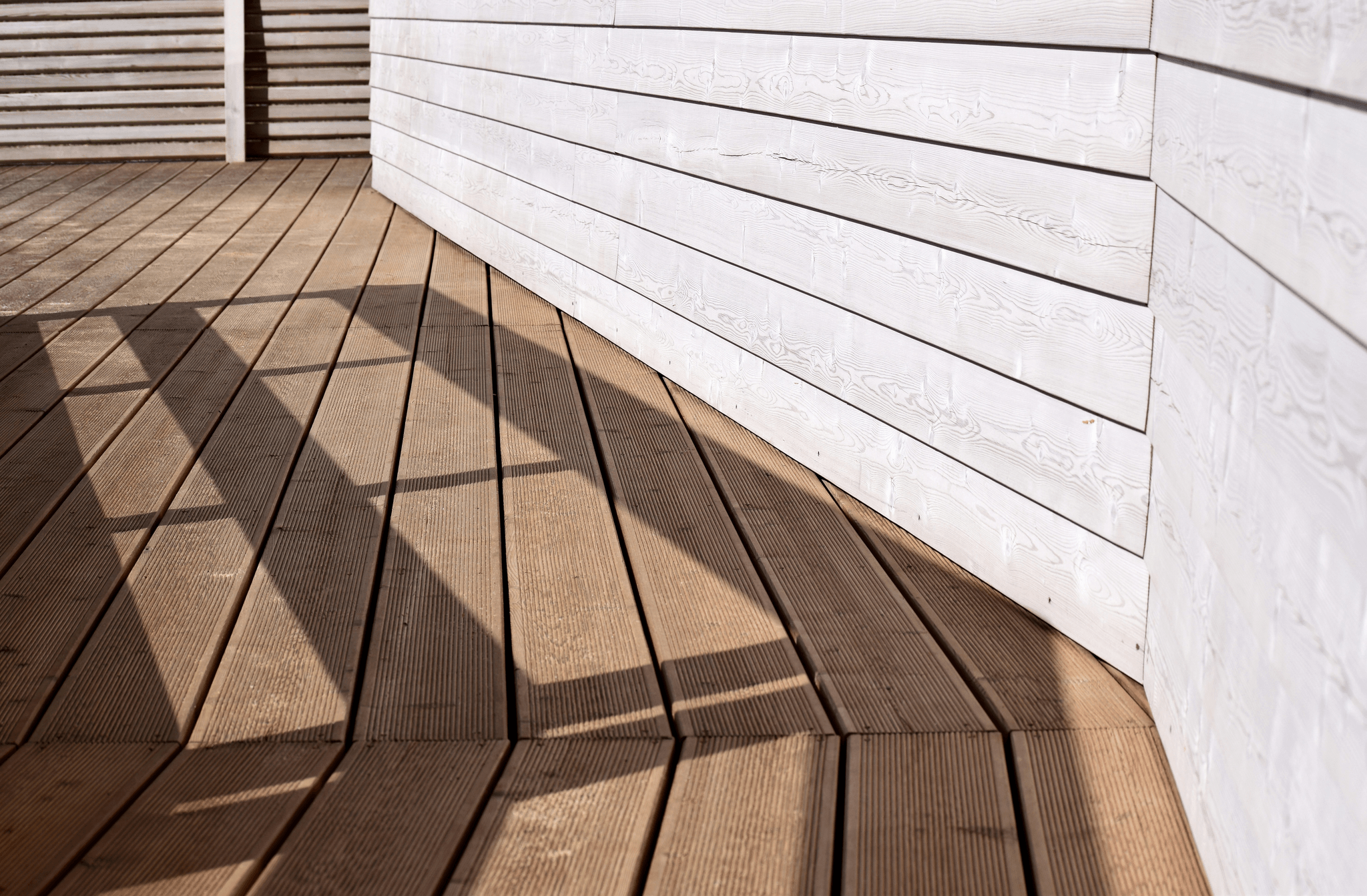
Composite wood, often made from a blend of wood fibers and plastic, presents certain risks that are important to consider. While these materials can offer a sustainable alternative to traditional lumber, they may also contain chemicals that raise health concerns. Homeowners should be aware of what goes into these composite boards and how they might affect indoor air quality and overall safety.
The Science Behind Toxicity
The science of toxicity in composite wood revolves around the chemicals used during production, such as formaldehyde and other volatile organic compounds (VOCs). These substances can emit gases that contribute to poor air quality over time, potentially leading to health issues for those exposed long-term. By understanding the chemical makeup of these composite wood materials, homeowners can better assess their safety in everyday use.
Why It Matters for Homeowners
For homeowners, the implications of using composite wood extend beyond aesthetics; they touch on health and safety as well. Making informed choices about which products to use in your home can significantly impact both your family's well-being and your home's longevity. As we delve deeper into this topic, it's essential to weigh the benefits against potential risks associated with composite boards.
What Is Composite Wood?
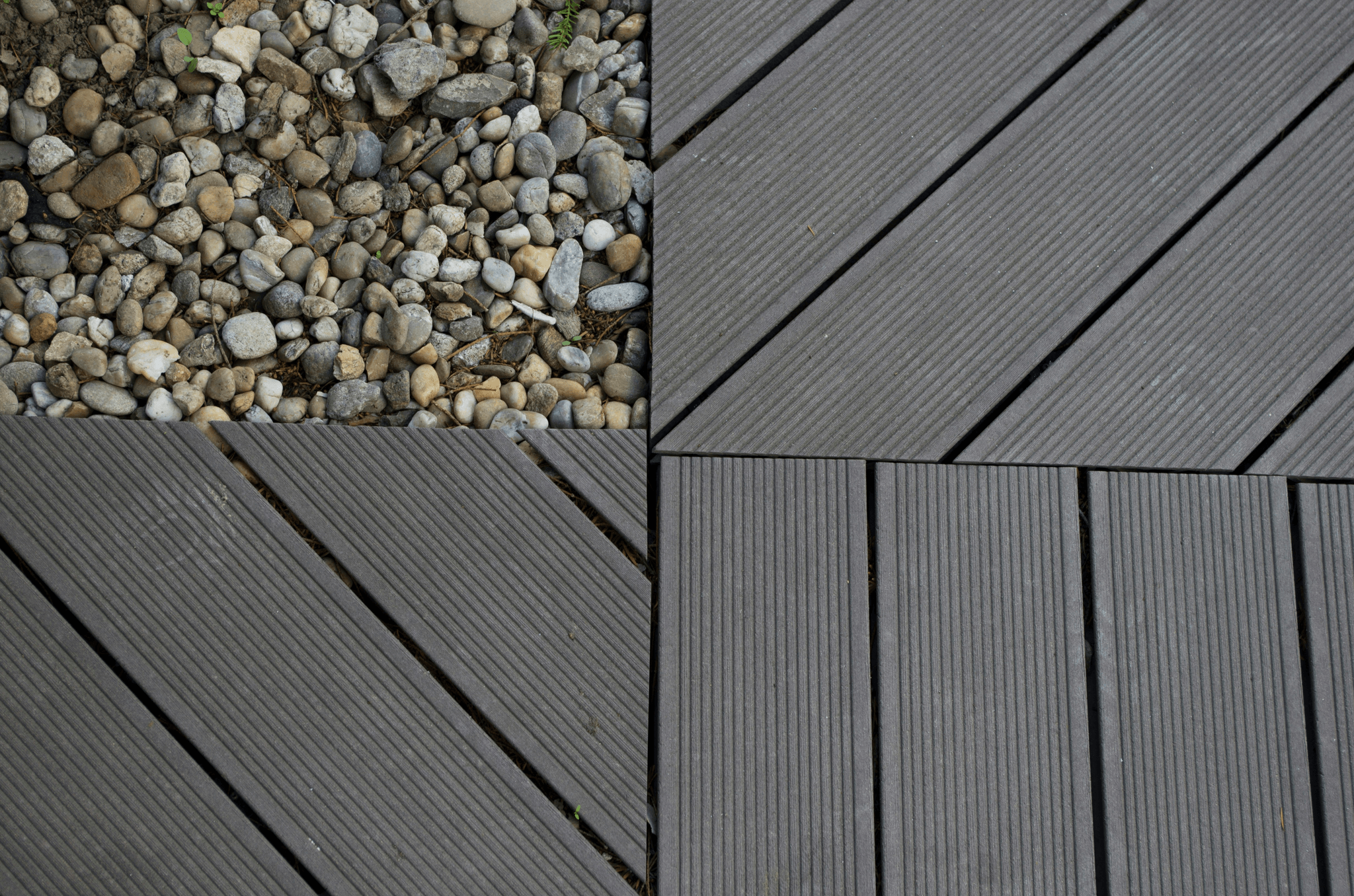
Composite wood is a modern marvel in the world of construction and home improvement. It combines various materials, typically wood fibers and plastic, to create durable boards that mimic the appearance of traditional wood while offering enhanced performance. Understanding what composite wood is can help homeowners make informed decisions about its use and address concerns about whether composite wood is toxic.
Composition of Composite Materials
The composition of composite materials usually includes a blend of recycled wood fibers, plastics, and adhesives. This combination results in a product that not only looks like natural wood but also boasts improved resistance to moisture, rot, and pests. Many people wonder, Is composite wood toxic? The answer lies in understanding the chemicals used during production and how they interact with the environment.
Composite boards are engineered to reduce waste by utilizing leftover materials from other industries. For instance, sawdust or reclaimed wood can be incorporated into these boards alongside high-density polyethylene or polypropylene plastics. This innovative approach not only helps reduce landfill waste but also raises questions about potential toxicity—especially when it comes to long-term exposure.
Common Types of Composite Boards
There are several common types of composite boards available on the market today, each designed for specific applications such as decking, fencing, or furniture construction. Decking boards are often made from a mixture of recycled plastic and wood fibers for durability against weather elements while maintaining an appealing aesthetic similar to traditional hardwoods. Other types include engineered woods that provide structural support in various building projects.
Another popular type is the composite board used for cabinetry and furniture-making; these often feature a smooth surface finish that can be painted or stained just like solid wood. While homeowners may appreciate their versatility and cost-effectiveness compared to solid lumber options, it's essential to consider whether these products pose any health risks—specifically regarding whether composite wood is toxic.
Benefits of Using Composite Wood
Using composite wood offers numerous benefits that appeal to environmentally conscious homeowners looking for sustainable building solutions. One major advantage is its low maintenance requirements; unlike traditional lumber that needs regular staining or sealing, composite boards resist fading and rotting without much effort on your part. Additionally, many manufacturers produce eco-friendly options made from recycled materials which further supports sustainability efforts.
Another key benefit lies in durability; composite materials can withstand harsh weather conditions without warping or cracking over time—something every homeowner desires when investing in outdoor spaces like decks or patios. Moreover, many brands now focus on creating aesthetically pleasing designs that closely resemble natural woods while providing exceptional longevity—a win-win situation!
Lastly, using composite boards often translates into fewer health concerns related to chemical exposure compared with some treated woods known for their toxicity levels—which brings us back to our original question: Is composite wood toxic? By choosing high-quality products with proper certifications (which we will explore later), homeowners can enjoy all the advantages without compromising safety.
The Toxicity Question
Evaluating Toxic Chemicals in Composite Wood
Composite boards are often manufactured using adhesives that may contain formaldehyde and other volatile organic compounds (VOCs). While these chemicals are used to bond the wood fibers together, they can off-gas into the environment, leading many to wonder: is composite wood toxic? Evaluating the levels of these chemicals is essential; fortunately, many manufacturers have made strides to reduce harmful emissions through improved production processes.
The good news is that not all composite wood materials are created equal. Some brands prioritize low-emission products that comply with stringent safety standards, making them a safer choice for indoor and outdoor use. Homeowners should look for certifications like CARB Phase 2 or GREENGUARD Gold when assessing potential toxicity in composite boards.
Common Misconceptions About Toxicity
One common misconception is that all composite wood is inherently dangerous due to its synthetic components. While it’s true that some older or lower-quality products may pose risks, advances in technology have led to safer options on the market today. Many people also mistakenly believe that natural wood poses no health risks; however, untreated lumber can harbor mold and pests if not properly maintained.
Another myth suggests that using composite materials indoors is riskier than outdoors; however, both environments require careful consideration of air quality and ventilation. In fact, many modern composite woods are engineered specifically for indoor use without emitting harmful levels of VOCs. It’s essential for consumers to differentiate between outdated information and contemporary research when evaluating whether composite wood is toxic.
Research Findings on Toxicity Levels
Recent studies have shed light on the actual toxicity levels found in various types of composite wood materials. Research indicates that while some older composites might release significant amounts of formaldehyde initially, newer formulations have greatly reduced these emissions over time—often falling below established safety thresholds. This shift has led experts to conclude that most contemporary composite boards do not pose a significant health risk when used correctly.
Moreover, ongoing research continues to explore long-term exposure effects associated with different types of composites used in residential settings. Importantly, findings suggest that proper installation and adequate ventilation can mitigate potential risks significantly—allowing homeowners to benefit from durable and aesthetically pleasing materials without undue concern about toxicity levels. Ultimately, understanding current research helps consumers make informed choices regarding their building materials while addressing the question: is composite wood toxic?
Health Risks Associated with Composite Wood

Potential Health Impacts
Composite wood materials are typically made from a mix of wood fibers and plastic resins, which can sometimes release volatile organic compounds (VOCs) into the air. These VOCs may lead to respiratory issues, headaches, or even long-term health problems in sensitive individuals. Furthermore, some composite boards have been found to contain formaldehyde or other chemicals that could potentially irritate the skin or eyes upon contact.
Vulnerable Groups at Higher Risk
Certain groups of people may be more susceptible to the potential health impacts associated with composite wood products. Children, for instance, have developing immune systems and may react more strongly to toxic substances found in composite materials. Additionally, individuals with pre-existing respiratory conditions or chemical sensitivities should exercise caution when using products made from composite wood.
Long-term Exposure Considerations
Long-term exposure to emissions from composite boards raises significant concerns for homeowners who use these materials extensively. While occasional use may not result in immediate health effects, consistent exposure over time could lead to cumulative health risks that are difficult to detect initially. Therefore, it’s crucial for homeowners considering composite wood options to weigh both the benefits and potential hazards carefully before making a choice.
Safe Use and Maintenance

Homeowners should be aware of how to handle these materials properly to mitigate any potential risks associated with toxicity. By following a few straightforward guidelines, you can enjoy the benefits of composite boards while keeping your home safe and sound.
Guidelines for Using Composite Materials
To start with, it's essential to read the manufacturer's instructions carefully when working with composite wood. These guidelines often provide vital information on installation, usage, and safety precautions specific to the type of composite boards you are using. Additionally, ensure that your workspace is well-ventilated during any cutting or sanding processes to minimize exposure to any dust or particles that may arise from the composite wood.
Moreover, consider wearing protective gear such as masks and goggles when handling these materials. Although many people wonder if composite wood is toxic, taking precautions can help reduce potential risks significantly. Be mindful of how you store leftover materials; keeping them in a dry place away from direct sunlight will help maintain their integrity over time.
How to Enhance Safety with Composite Wood
Enhancing safety while using composite wood involves more than just careful handling; it also includes selecting high-quality products that meet safety standards. Look for brands that provide transparency about their manufacturing processes and disclose any chemicals used in their composite boards. Certifications like Greenguard or Forest Stewardship Council (FSC) can give homeowners peace of mind regarding the safety of their chosen materials.
In addition to choosing certified products, consider applying protective coatings or sealants specifically designed for use with composite wood materials. These coatings can create a barrier against moisture and UV rays while also reducing the release of any potentially harmful substances into your home environment. Ultimately, understanding whether is composite wood toxic requires not only awareness of the material itself but also proactive measures taken by homeowners.
Maintenance Tips for Longevity
Maintaining your composite boards properly will ensure they last longer while minimizing health risks associated with deterioration over time. Regular cleaning is key; using mild soap and water along with a soft-bristle brush can effectively remove dirt without damaging the surface finish of your composite wood materials. Avoid harsh chemicals that could potentially leach toxins into your living space.
Additionally, inspect your deck or furniture periodically for signs of wear or damage—like cracks or fading—which may indicate underlying issues related to toxicity levels in older products. If you notice anything concerning during these inspections, addressing it promptly will help prevent further complications down the line. Remember: proper maintenance not only extends the life of your investment but also ensures you're living in a healthier environment free from unnecessary risks associated with poor-quality composites.
Choosing Safe Composite Brands

When it comes to selecting composite wood for your home, making an informed choice is crucial. With the rising popularity of composite wood materials, understanding what to look for can help you avoid potential pitfalls associated with toxicity. Not all composite boards are created equal, so let’s dive into the specifics that can guide your decision.
What to Look for in Composite Decking
First and foremost, check for transparency regarding the materials used in the composite wood. Reliable brands will provide detailed information on their components and whether any toxic chemicals are present, addressing concerns about whether composite wood is toxic. Look for products that specify low levels of volatile organic compounds (VOCs) and other harmful substances; this will give you peace of mind when using these wood and board alternatives.
Additionally, consider the durability and warranty offered by manufacturers. High-quality composite boards should come with a substantial warranty period, often extending up to 25 years or more, which reflects their confidence in product longevity and safety. Lastly, reviews from other homeowners can provide real-world insights into how well these materials perform over time—it's always wise to see what others have experienced before making a purchase.
Recommended Brands: Composite Decking Inc
One standout brand in the realm of safe composite decking is Composite Decking Inc., known for its commitment to quality and safety standards. Their products utilize advanced technology to minimize toxicity while maximizing durability—perfect if you're worried about whether composite wood is toxic or not! They offer a range of colors and textures that mimic natural wood beautifully without compromising on safety.
Composite Decking Inc. also provides extensive information on their manufacturing processes, allowing consumers to feel confident about their choices regarding composite boards. Their commitment to sustainability further enhances their appeal; they use recycled materials in their production while ensuring that no harmful chemicals leach into your home environment over time. When searching for reliable options among composite wood materials, this brand certainly stands out as a top contender.
Certifications That Matter
Certifications play an essential role when it comes to assessing the safety of any building material—including composite wood products. Look out for certifications like Greenguard Gold or Forest Stewardship Council (FSC) approval; these indicate that a product meets stringent safety standards regarding indoor air quality and sustainable sourcing practices respectively. Knowing whether composite wood is toxic becomes easier when manufacturers proudly display such certifications on their packaging.
Another important certification is the American National Standards Institute (ANSI) standard compliance, which ensures that products meet specific performance criteria related to strength and durability without compromising health standards. By choosing certified brands with these accolades, you’ll be investing in safer options among available composite boards while contributing positively toward environmental sustainability as well.
Conclusion

As we wrap up our exploration of composite wood, it’s crucial to reflect on the ongoing debate surrounding its toxicity. The question is composite wood toxic? often looms large in the minds of homeowners and builders alike. While many composite wood materials are designed with safety in mind, understanding their components and potential risks is essential for making informed decisions.
Final Thoughts on Composite Wood Toxicity
When considering whether composite boards are safe, it's important to recognize the advancements in manufacturing processes that have reduced harmful emissions significantly. However, not all wood and board products are created equal; some may still contain chemicals that could pose health risks over time. Thus, staying informed about the specific types of composite wood you choose can make a world of difference for your home environment.
Making Informed Choices for Your Home
Navigating the world of composite wood materials requires diligence and a keen eye for detail. Homeowners should prioritize brands that provide transparency about their products' composition and toxicity levels, ensuring they select safer options for their living spaces. By doing thorough research and asking questions, you can confidently determine which composite boards align with your health standards and aesthetic preferences.
Embracing Sustainable Composite Solutions
The best part about modern composite wood is its potential to be both eco-friendly and durable—if you choose wisely! Sustainable options not only minimize environmental impact but also enhance your home's longevity without compromising safety or aesthetics. So as you consider your next project involving composite wood, remember: being proactive about sustainability means embracing solutions that benefit both your home and our planet.