
Introduction
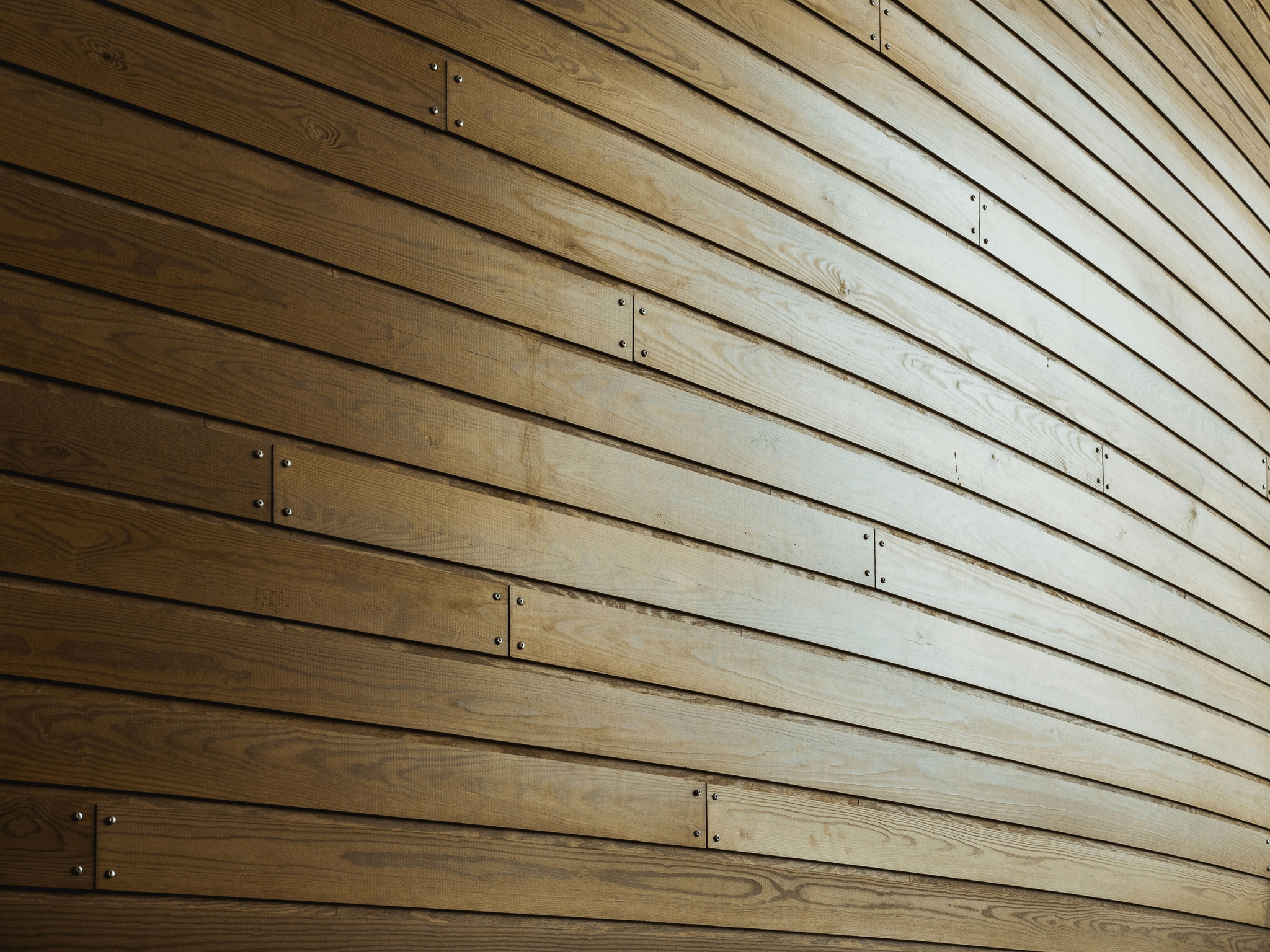
Understanding WPC and PVC Boards
WPC, or Wood Plastic Composite, combines the best of both worlds by blending wood fibers with plastic, resulting in a durable and versatile material ideal for interior wall boards and panel WPC solutions. On the other hand, PVC (Polyvinyl Chloride) boards are entirely synthetic, offering a waterproof alternative that is lightweight yet strong. Both options come with their unique advantages and applications, making them worthy of consideration for any renovation or construction project.
Key Differences Explained
While both WPC and PVC boards serve similar purposes in interior wall cladding and wall cladding panels, they differ significantly in composition, durability, and aesthetic appeal. For instance, WPC boards provide a more natural wood-like finish compared to the sleek look of PVC products. Understanding these differences helps homeowners and builders choose the right material based on their specific needs.
Why This Comparison Matters
In a world where design choices abound, knowing whether to opt for WPC wall panels or PVC alternatives can save time, money, and headaches down the line. This comparison not only enlightens you about each material's benefits but also highlights how they fit into broader environmental concerns regarding sustainability. Ultimately, this knowledge empowers you to make choices that align with your style preferences while ensuring functionality in your living spaces.
What is WPC Board?
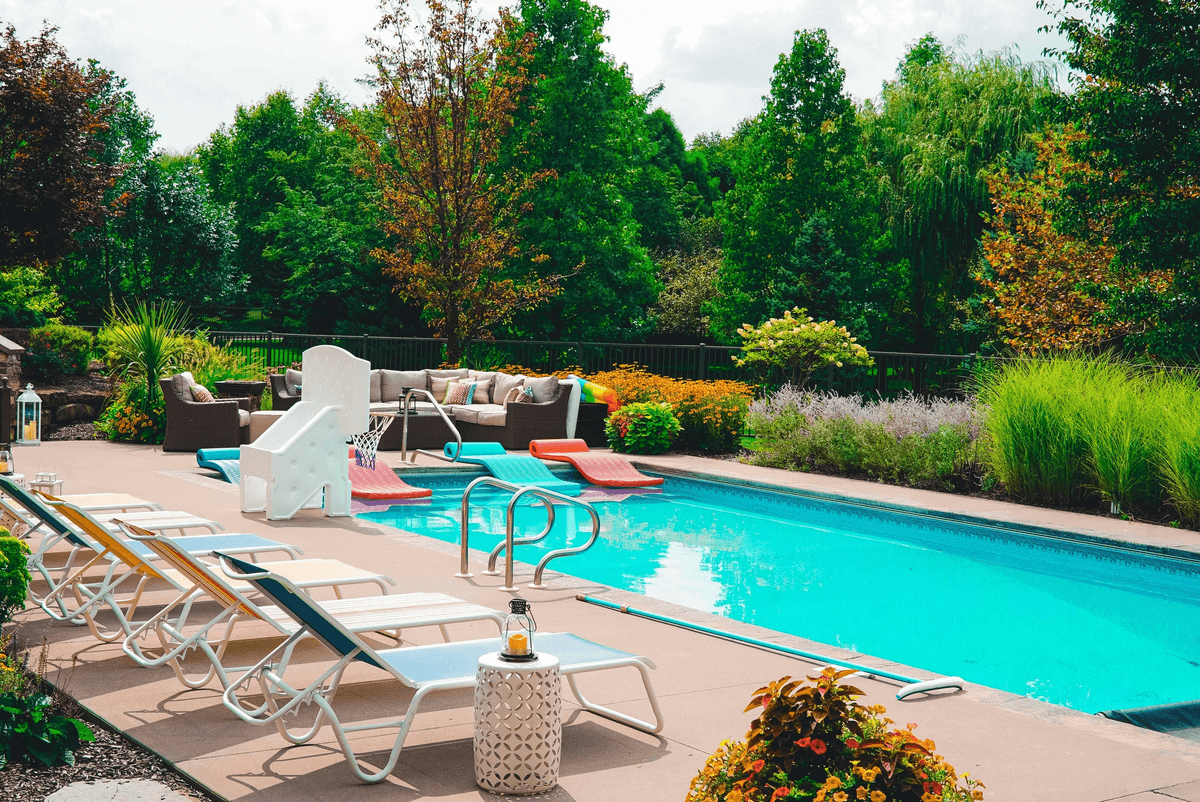
WPC, or Wood Plastic Composite, board is a revolutionary building material that merges the best attributes of wood and plastic. This innovative solution offers the aesthetic appeal of natural wood while providing enhanced durability and resistance to the elements. As a result, WPC boards have become a popular choice for various applications, including interior wall cladding and outdoor decking.
Composition and Manufacturing Process
WPC boards are typically composed of a blend of recycled wood fibers and thermoplastics, such as polyethylene or polyvinyl chloride (PVC). The manufacturing process involves mixing these materials under high pressure and temperature to create a dense, durable board that can be easily molded into various shapes. This unique composition not only makes WPC wall panels lightweight but also enhances their resistance to moisture, making them ideal for both indoor and outdoor use.
Benefits of Choosing WPC Board
Choosing WPC boards comes with several advantages that make them an appealing option for homeowners and builders alike. Firstly, they are highly resistant to rot, decay, and pests compared to traditional wood materials—no more worries about termites munching on your beautiful wood wall cladding! Additionally, WPC boards require minimal maintenance; they do not need regular staining or sealing like conventional wood products do, saving you time and money in the long run.
Popular Uses of WPC Boards
WPC boards are versatile enough to be used in various applications across different environments. They are commonly utilized as interior wall cladding due to their aesthetic versatility; whether you prefer a rustic finish or a sleek modern look, there’s a panel WPC design that suits your style! Beyond interiors, these durable boards are also perfect for outdoor projects like decking and fencing—offering an attractive option without sacrificing performance against weather elements.
What is PVC Board?
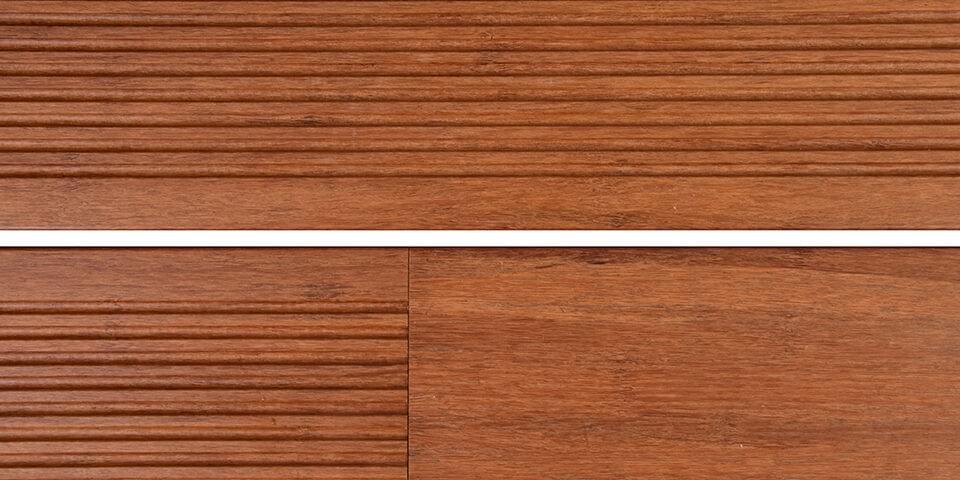
PVC boards, or polyvinyl chloride boards, are versatile building materials made from a synthetic plastic polymer. These boards are known for their lightweight nature and resistance to moisture, making them a popular choice in various construction projects. Unlike traditional wood products, PVC boards do not warp or rot, ensuring long-lasting performance in both interior and exterior applications.
Composition and Manufacturing Process
The composition of PVC boards primarily involves combining polyvinyl chloride resin with various additives to enhance their properties. This process typically includes mixing the resin with stabilizers, lubricants, and pigments before being subjected to heat and pressure during extrusion or molding. The result is a durable panel that can be easily shaped into various forms, including interior wall cladding and decorative wall panels.
The manufacturing process ensures that these panels maintain consistent quality while being resistant to environmental factors such as moisture and chemicals. Additionally, advancements in technology have led to the production of more eco-friendly PVC options that reduce the carbon footprint associated with traditional materials. This makes PVC board an appealing choice for those looking to balance durability with sustainability.
Advantages of PVC Board
One significant advantage of using PVC board is its impressive durability compared to other materials like wood or WPC board. Unlike wood wall cladding that can succumb to pests and weathering over time, PVC boards remain intact without requiring extensive maintenance or treatment. Furthermore, they are available in various colors and finishes that mimic natural materials while offering enhanced longevity.
Another notable benefit is the ease of installation; these lightweight panels can be cut and shaped effortlessly on-site without specialized tools. This feature makes them ideal for DIY enthusiasts looking to tackle home improvement projects involving interior wall boards or cladding panels for walls efficiently. Additionally, their resistance to moisture makes them perfect for high-humidity areas such as bathrooms and kitchens.
Lastly, PVC board offers excellent value for money due to its low maintenance requirements; there’s no need for staining or sealing like you would with traditional wood options or even WPC wall panels. Simply wipe them down occasionally with soap and water! This combination of advantages makes it hard not to consider PVC when selecting materials for your next project.
Common Applications of PVC Boards
PVC boards find utility across a wide range of applications due to their versatility and robust characteristics. They are commonly used as interior wall cladding in residential homes where aesthetics meet functionality—think sleek finishes that elevate any space without compromising on practicality! Moreover, they serve well as exterior siding options due to their weather-resistant properties.
In commercial settings, these panels make ideal choices for signage because they can be printed on easily while remaining durable against outdoor elements—perfect for businesses wanting eye-catching displays! Additionally, many homeowners choose cladding panels for walls made from PVC when renovating basements or garages since they provide an attractive finish while keeping moisture at bay.
Overall, whether you're considering panel WPC alternatives or simply looking at how best to enhance your living spaces with innovative materials like wood wall cladding products—PVC boards certainly deserve a spot on your shortlist!
Durability and Maintenance
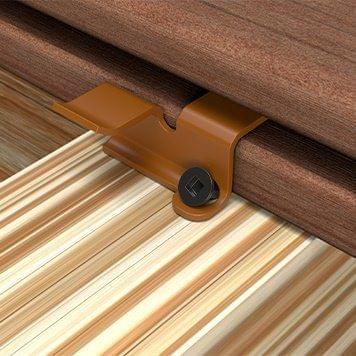
When it comes to durability and maintenance, both WPC boards and PVC boards have their unique attributes that can influence your choice for projects like interior wall cladding or wood wall cladding. Understanding how each material stands up over time will help you make an informed decision, whether you're considering panel WPC for a sleek modern look or opting for traditional cladding panels for walls. Let's dive into the details of longevity, maintenance needs, and resistance to the elements.
Comparing WPC and PVC Board Longevity
WPC boards are renowned for their impressive longevity, often lasting 10 to 30 years depending on usage and environmental conditions. The blend of wood fibers and plastic gives these interior wall boards a robust structure that withstands wear while maintaining aesthetic appeal. On the other hand, PVC boards boast an even longer lifespan, frequently exceeding 30 years with minimal degradation—making them a popular choice for those seeking enduring solutions in wall cladding panels.
While both materials offer durability, the choice between them can depend on specific project needs. For instance, if you’re looking at interior wall cladding that may experience high traffic or moisture exposure, PVC might be your best bet due to its superior water resistance compared to WPC board options. Ultimately, understanding how each material performs over time is crucial when deciding which one fits your project goals best.
Maintenance Requirements for Each
Maintenance is another critical factor when comparing WPC boards with PVC boards in applications such as wood wall cladding or panel WPC installations. WPC boards generally require periodic cleaning and occasional sealing to maintain their appearance and structural integrity; however, they are relatively low-maintenance compared to traditional wood options. In contrast, PVC boards are virtually maintenance-free; a simple wash with soap and water keeps them looking new without any need for sealing or staining.
If you're contemplating which type of board is better suited for your lifestyle or project demands—especially in high-traffic areas—consider how much time you're willing to invest in upkeep. Interior wall panels made from PVC may save you time in the long run due to their low-maintenance nature while still providing an attractive finish. For those who appreciate the natural look of wood but want something more durable than solid timber, paneling with WPC offers an appealing balance between aesthetics and upkeep.
Resistance to Weather and Pests
When it comes to weather resistance and pest control, both types of board have distinct advantages that cater to different environments. WPC boards are designed with weather resilience in mind but can be susceptible to mold growth if not properly maintained; therefore, regular cleaning is essential when used outdoors or in humid settings like bathrooms or kitchens where moisture is prevalent. Conversely, PVC boards excel in this department as they are impervious to moisture damage—making them ideal candidates not just for exterior applications but also as reliable interior wall cladding solutions.
Pest resistance is another area where these materials shine differently: while WPC boards can deter some pests thanks to their composite nature (wood fibers mixed with plastic), they aren’t entirely immune from termites or other insects that feast on organic materials. In contrast, since PVC contains no organic matter at all, it stands firm against pests looking for a meal—a significant consideration if you're planning long-term installations like wood wall cladding outdoors where insects might thrive.
In summary, whether you choose WPC board or opt for PVC board will significantly hinge on factors such as longevity expectations, maintenance preferences, climate considerations—and let’s be honest—the aesthetics you desire from your interior wall panels!
Aesthetic Appeal
Visual Options for WPC Boards
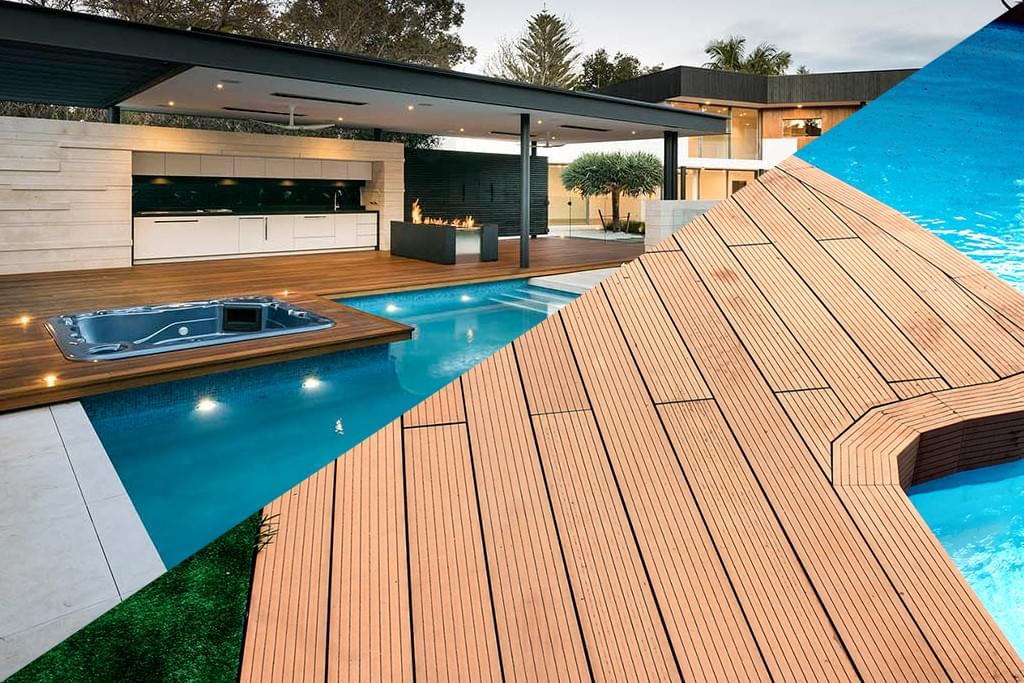
WPC boards are celebrated for their versatility and natural wood-like appearance, making them a popular choice for various applications, including wood wall cladding. With a broad range of colors and finishes available, panel WPC products can mimic the warmth of traditional wood while providing the durability of composite materials. Additionally, WPC wall panels often come with textured surfaces that add depth and character to interior walls, allowing homeowners to achieve a sophisticated look without compromising on functionality.
The ability to customize WPC boards further enhances their appeal; you can choose from different grain patterns and surface treatments to match your desired aesthetic. Whether you're aiming for a rustic charm or modern elegance, there’s likely a WPC board option that fits the bill perfectly. This adaptability makes them an excellent choice not just for residential spaces but also in commercial settings where first impressions matter.
Design Choices with PVC Boards
On the other hand, PVC boards present their own set of design advantages that are hard to overlook when considering cladding panels for walls. These boards are available in vibrant colors and smooth finishes that allow for striking visual contrasts in any room or outdoor space. Unlike traditional materials, PVC offers resistance to fading from sunlight exposure, ensuring that your chosen color remains vibrant over time—ideal for those looking to make bold design statements.
Moreover, PVC wall cladding is lightweight yet robust, making installation easier without sacrificing quality or aesthetics. With sleek lines and contemporary designs available in various sizes and shapes, these panels cater well to modern architectural trends while maintaining practicality in high-traffic areas like commercial buildings or busy homes. The clean look of PVC boards makes them particularly appealing when used as interior wall boards in minimalist designs.
How Aesthetics Impact Your Decision
Ultimately, aesthetics play a crucial role in guiding your choice between WPC board and PVC board options when considering wall cladding panels or other applications. The visual impact of either material can significantly influence the atmosphere of your space; thus understanding each option’s strengths is essential before making a final decision. For instance, if you prioritize warmth and natural beauty reminiscent of wood without extensive maintenance needs, then opting for WPC might be ideal.
Conversely, if you're drawn towards modernity with low upkeep requirements while still achieving eye-catching looks through vibrant colors and smooth finishes—PVC could be your go-to solution. In essence, aligning your aesthetic preferences with practical considerations will ensure you select the right material that complements both style and functionality seamlessly.
Environmental Impact
Understanding the ecological footprint of these materials is crucial for making an informed decision that aligns with eco-friendly practices. Let's explore how WPC boards stack up against PVC boards in terms of sustainability, environmental concerns, and choosing greener options.
Sustainability of WPC Boards
WPC boards, or wood-plastic composite boards, are celebrated for their sustainable nature as they incorporate recycled materials like wood fibers and plastics. This means that when you choose a WPC wall panel or interior wall cladding made from these composites, you're not just getting durability but also supporting recycling efforts. Additionally, many manufacturers focus on sourcing materials responsibly and minimizing waste during the production process, making them a greener choice for wall cladding panels.
Beyond their composition, WPC boards boast longevity which further enhances their sustainability profile; fewer replacements mean less waste in landfills over time. Their resistance to rot and pests also reduces the need for chemical treatments typically associated with traditional wood products. Thus, opting for panel WPC solutions not only beautifies your space but also contributes positively to environmental conservation.
PVC Board Environmental Concerns
On the flip side, PVC boards have garnered criticism due to their production processes and material makeup. While they offer remarkable durability and low maintenance requirements for applications like interior wall cladding, the environmental impact of manufacturing PVC remains a concern. The process often involves harmful chemicals that can lead to pollution if not managed correctly.
Moreover, unlike WPCs which utilize recycled content extensively, most PVC products are derived from virgin materials that don’t always prioritize ecological responsibility. Disposal is another issue; while they can be recycled in some regions, many end up in landfills where they take decades to decompose. Therefore, when considering cladding panels for walls using PVC board options, it’s essential to weigh these environmental implications against their benefits.
Choosing Eco-Friendly Options
When selecting materials for your next project—be it wood wall cladding or other applications—it's vital to consider eco-friendly options available in both categories. For those leaning towards sustainability without compromising aesthetic appeal or functionality, investing in high-quality WPC board products is often a wise choice due to their recyclable nature and reduced carbon footprint during production.
However, if you prefer PVC board because of its specific properties or design versatility like vibrant colors or finishes available in interior wall panels—look for manufacturers who prioritize eco-conscious practices such as using recycled content or adopting cleaner production methods.
Ultimately, balancing aesthetics with sustainability leads you toward making smarter choices that benefit both your space and our planet while ensuring your project shines with style!
Conclusion
In summing up the differences between WPC and PVC boards, it’s clear that each material brings its own unique set of benefits and drawbacks to the table. Whether you’re looking for durability, aesthetic appeal, or environmental considerations, your choice will ultimately hinge on your specific project needs. Both WPC boards and PVC boards have carved out their niches in the world of construction and design, making them worthy contenders for various applications.
Final Thoughts on WPC vs PVC
When weighing the options between WPC boards and PVC boards, consider what matters most for your project. If you desire a natural wood look with enhanced durability, panel WPC may be your best bet. Conversely, if low maintenance and moisture resistance are higher priorities, then opting for cladding panels for walls made from PVC might be more suitable.
Making the Right Choice for Your Project
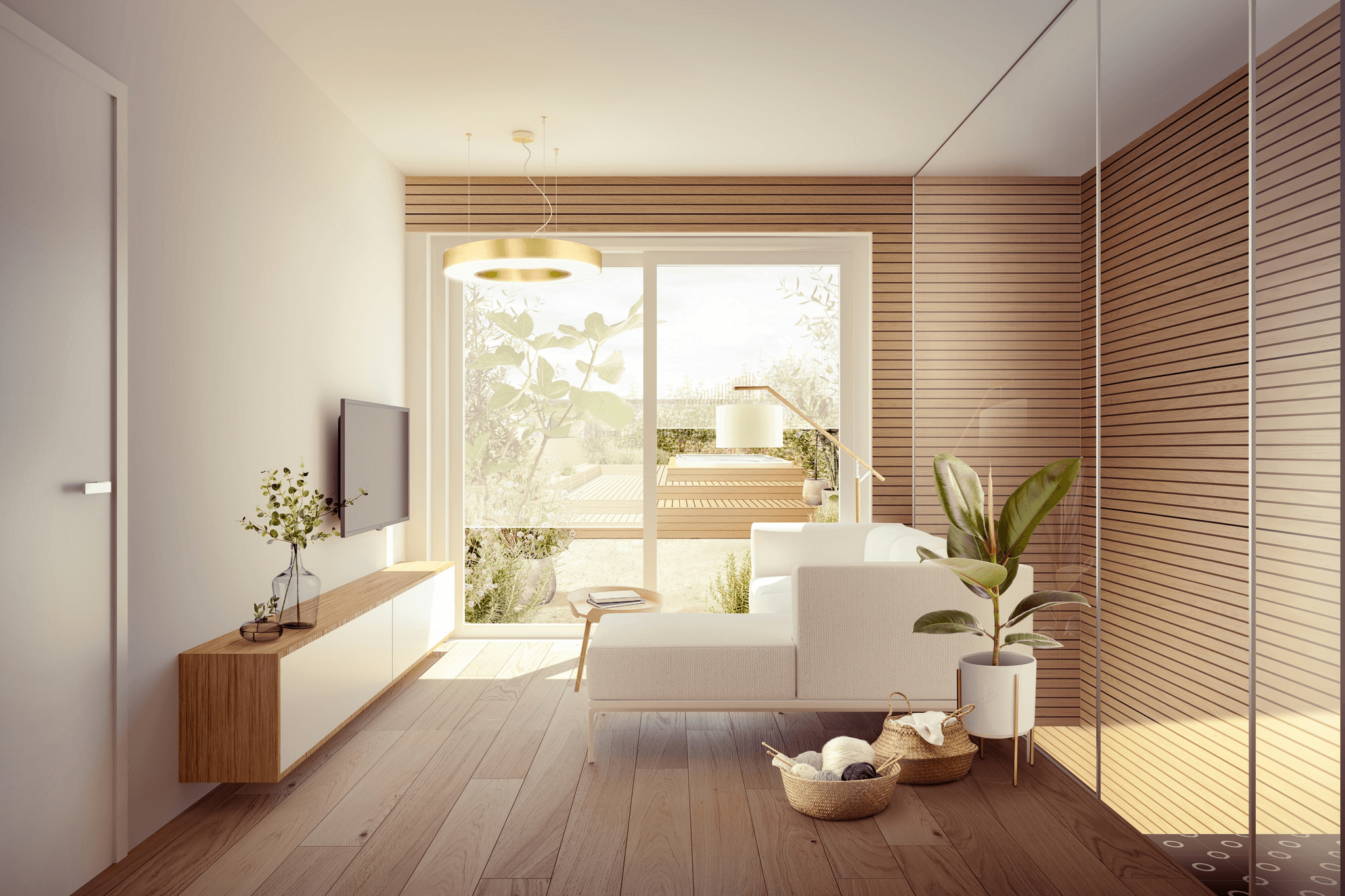
Making the right choice involves assessing both functionality and aesthetics. For interior wall cladding that exudes warmth while standing up to wear and tear, wood wall cladding using WPC board is an excellent option. On the other hand, if you require something that can withstand harsh weather conditions without compromising style, then interior wall boards crafted from PVC could be ideal.
Recommendations from Composite Decking Inc
At Composite Decking Inc., we recommend evaluating your space's specific requirements before deciding between these two materials. For those looking to enhance their interiors with stylish yet durable solutions, consider investing in WPC wall panels that provide both beauty and resilience. If ease of maintenance is key to your project’s success, our selection of high-quality PVC board options will not disappoint.