
Introduction
Building a sturdy deck starts with a solid foundation, and that foundation is known as the deck base frame. But what is the frame of a deck called? It’s essentially the structural skeleton that supports your entire decking system, providing stability and safety for years to come. Understanding this crucial component is key to creating an outdoor space you can enjoy without worry.
Understanding the Deck Base Frame
The deck base frame consists of beams, joists, and support posts that work together to create a reliable platform for your decking materials. This framework not only bears the weight of people and furniture but also withstands environmental factors like wind and rain. To ensure longevity, it’s essential to grasp how each part contributes to the overall strength of your deck base frame.
Common Missteps When Building Frames
Many DIY enthusiasts make common missteps when building frames, often leading to costly repairs down the line. Skipping essential steps or miscalculating measurements can compromise the integrity of your deck base frame. By being aware of these pitfalls, you can sidestep mistakes such as choosing inappropriate joist sizes—like debating whether to use 4x2 or 6x2 joists for decking—and ensure a more successful project.
Importance of Choosing the Right Materials
Choosing high-quality materials is vital when constructing your deck base frame because they directly impact durability and safety. Whether you're considering pressure-treated lumber or composite options, understanding what makes up a strong base will help you select wisely. After all, what do you call the base of a deck if it isn’t built with materials designed to last?
Skipping the Planning Stage
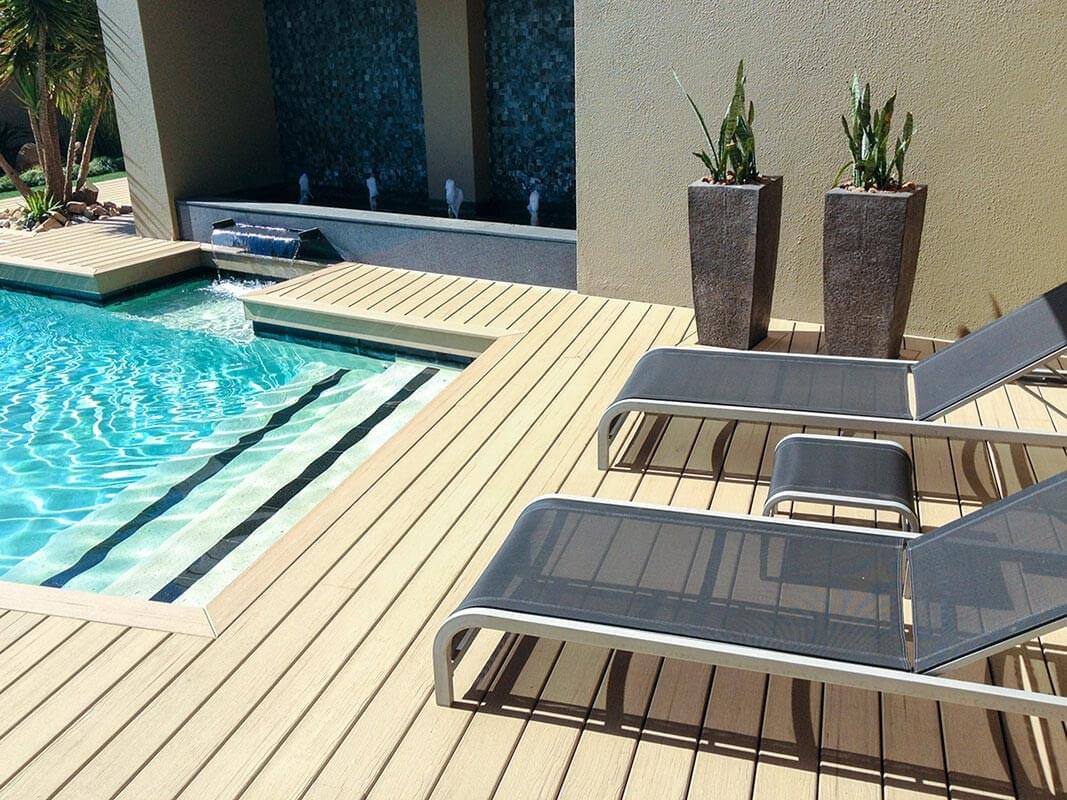
A solid plan acts as your blueprint, guiding every decision from materials to dimensions. Without it, you might find yourself asking, What is the best base for decking? too late in the game.
Why a Solid Plan is Essential
A well-thought-out plan helps you visualize what your deck will look like and ensures that all components fit together seamlessly. It allows you to anticipate challenges and address them before they turn into costly mistakes. So, if you're wondering what do you call the base of a deck? It's not just a platform; it's the foundation of your outdoor oasis.
Tools and Resources for Effective Planning
To create an effective plan for your deck base frame, various tools and resources can come in handy. Software like SketchUp or even simple graph paper can help you draft designs that meet both aesthetic desires and structural requirements. Additionally, consulting local building codes will keep you informed about regulations that ensure safety—because nobody wants to cut corners when it comes to their home.
Mistakes from Poor Planning
Poor planning often leads to regrettable oversights that could have been easily avoided with proper foresight. For instance, neglecting joist spacing might lead you to ask whether you should use 4x2 or 6x2 joists for decking only after you've already purchased materials! Remember, the frame of a deck is crucial; if it's not built right from the start, you'll face issues down the line that could compromise both safety and aesthetics.
Ignoring Local Building Codes

Building a deck is a thrilling project, but overlooking local building codes can turn that excitement into a nightmare. Local codes are regulations set by your municipality to ensure safety and quality in construction projects, including your deck base frame. Understanding these codes is crucial because they dictate everything from the materials you should use to the structural integrity of the frame of a deck, ensuring it stands strong against the elements.
What Are Local Codes and Why They Matter
Local building codes are essentially the rulebook for construction within your area, making them vital for any deck-building endeavor. These codes address safety standards related to load-bearing capacities, which directly influence decisions like whether you should use 4x2 or 6x2 joists for decking. Ignoring these regulations can lead not only to unsafe structures but also potential legal issues down the line.
How to Find Relevant Regulations
Finding relevant local regulations isn't as daunting as it may seem; most municipalities provide access to their building codes online or at local government offices. You can also consult with professionals who specialize in decking or visit home improvement stores where knowledgeable staff can point you in the right direction regarding what do you call the base of a deck? Additionally, community forums and social media groups often have members who share their experiences navigating local codes, proving helpful for first-time builders.
Consequences of Non-Compliance
The consequences of non-compliance with local building codes can be severe and costly—think fines, mandatory reconstruction, or even having your beautiful new deck torn down entirely! In some cases, failing to adhere to regulations may void insurance claims if something goes wrong due to improper construction practices. Ultimately, investing time in understanding what is the best base for decking according to local laws will save you headaches (and money) later on.
Choosing the Wrong Joist Size
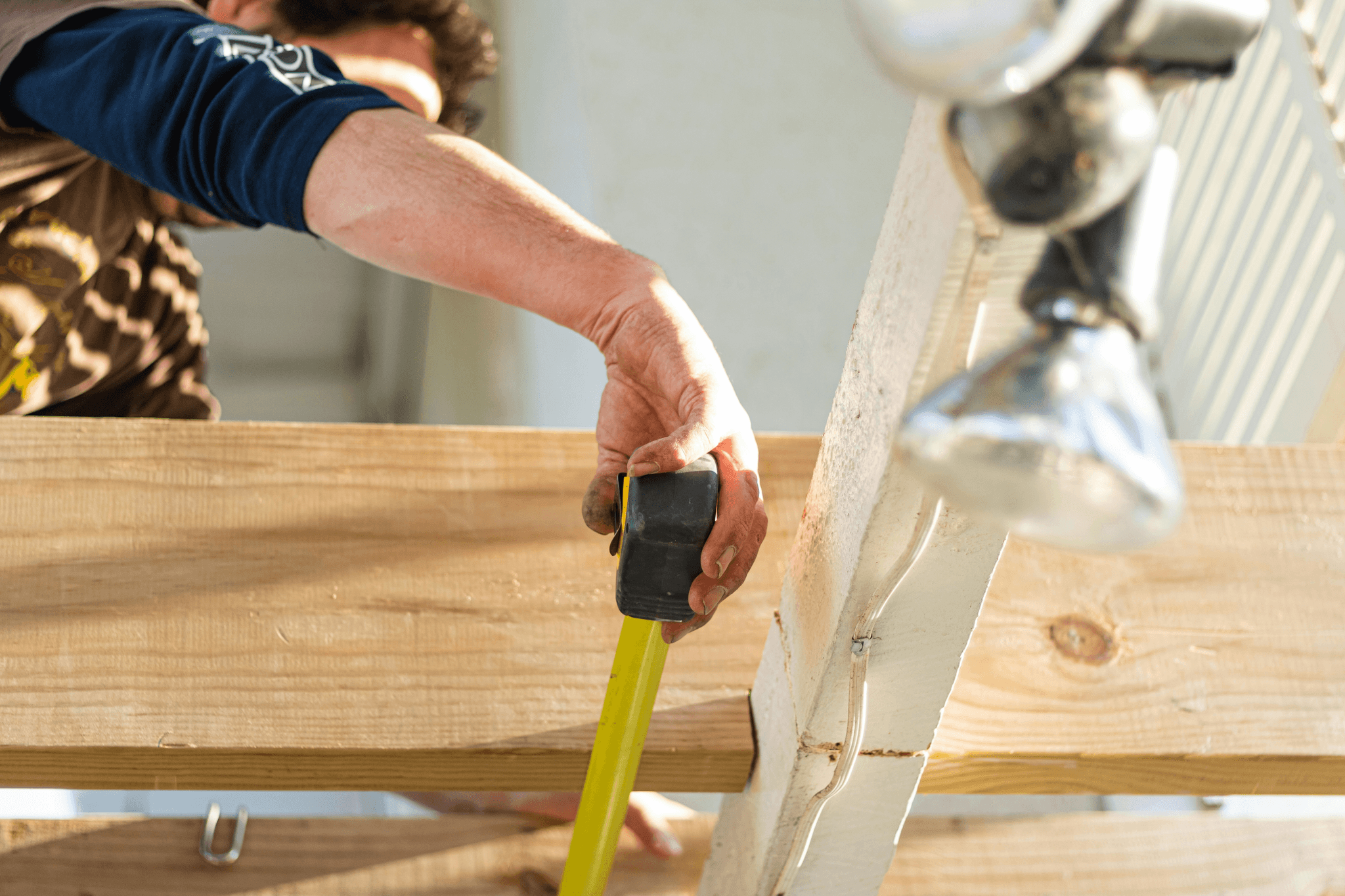
Selecting the appropriate joist size is crucial to building a sturdy deck base frame. The right dimensions and spacing can make all the difference between a stable structure and one that sways like a boat in choppy waters. So, should you use 4x2 or 6x2 joists for decking? Let’s break it down!
4x2 vs. 6x2 Joists for Decking
When deciding between 4x2 and 6x2 joists for your deck base frame, it’s essential to consider the weight they will support and the overall design of your deck. The 4x2 joists are lighter and may be suitable for smaller decks or those with minimal load requirements, while the sturdier 6x2 joists provide superior strength, making them ideal for larger structures or heavier materials. Many homeowners wonder, What is the best base for decking? The answer often lies in using a robust joist size that complements your specific needs.
Choosing the right size means not only considering what you want to build but also understanding what you need to support it long-term. If you're planning on heavy furniture or entertaining guests frequently, opting for 6x2 might save you some headaches later on. Remember, investing in quality materials now can pay off by ensuring your deck remains safe and durable over time.
Importance of Joist Spacing
Once you've settled on the right joist size, you'll need to think about how far apart those joists should be spaced—this is where many DIYers go astray! Proper spacing ensures that each part of your deck base frame can adequately distribute weight without buckling under pressure. Generally speaking, standard spacing ranges from 16 inches to 24 inches apart; however, this can vary based on local codes or specific design choices.
Ignoring proper joist spacing could lead to sagging boards and an unstable surface—definitely not what you want when you're hosting summer BBQs! Plus, if you're using different-sized boards or materials like composite decking, adjusting your spacing accordingly is crucial for maintaining structural integrity. So ask yourself again: “What do you call the base of a deck?” It’s all about how well those joists work together as part of that vital framework!
How Joist Size Affects Stability
The stability of any decking project hinges significantly on your choice of joist size—think of them as the backbone of your deck base frame! Larger joists like 6x2 provide more resistance against bending and warping over time compared to their smaller counterparts. If stability is paramount in your project (and let’s face it; it should be!), then selecting a thicker option could save you from future repairs.
Moreover, if you've ever wondered What is the frame of a deck called?, remember that it's not just about aesthetics; it's about ensuring safety too! Your choice impacts everything from load-bearing capacity to how well water drains off after rainfall—another reason why proper drainage practices are necessary alongside smart sizing decisions. Ultimately, choosing wisely between 4x2 and 6x2 will set up a solid foundation for years of enjoyment.
Neglecting Proper Drainage
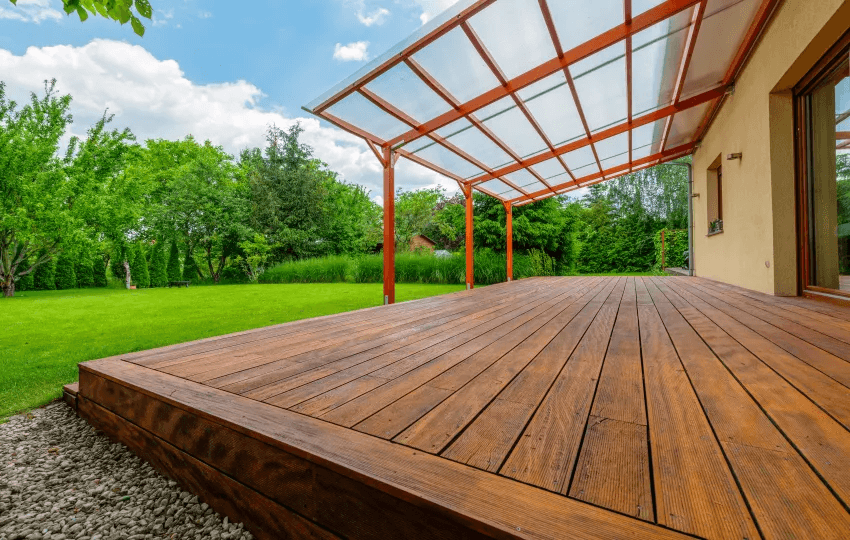
When constructing a deck base frame, one often overlooked aspect is proper drainage. Water management is crucial to ensure the longevity and stability of your decking structure. Neglecting this can lead to a myriad of problems, from structural damage to mold growth.
Understanding Deck Drainage Needs
Understanding deck drainage needs is fundamental in creating a robust and resilient deck base frame. Water should naturally flow away from your deck, preventing puddles that could weaken the foundation over time. The frame of a deck plays a vital role in directing water; if it’s not designed with drainage in mind, you might find yourself asking, “What do you call the base of a deck?”—a soggy mess!
Best Practices for Water Management
To optimize water management for your decking project, there are several best practices to follow. First, ensure that the ground beneath your deck slopes away from the structure—this will help divert rainwater effectively. Also, consider installing gutters or downspouts if your deck base frame is attached to your home; they can significantly reduce water pooling around your foundation.
In addition to proper slope and drainage systems, using materials that resist moisture can enhance durability. For instance, composite decking often performs better than traditional wood in wet conditions. Remember: when it comes to choosing joists for decking—should I use 4x2 or 6x2 joists?—the right size matters for both structural integrity and effective water management.
Impact of Poor Drainage on Longevity
The impact of poor drainage on the longevity of your deck cannot be overstated; without adequate water management, even the most well-constructed frames will falter over time. Excess moisture can lead to rotting wood and rusted metal components within the frame of a deck called its joists and beams. Ultimately, this could result in costly repairs or even complete replacement—a nightmare scenario for any homeowner!
Moreover, standing water can attract pests like termites and mosquitoes that thrive in damp environments; this adds another layer of risk to neglecting proper drainage solutions during construction. So when planning what is the best base for decking? Don’t forget about how crucial effective drainage practices are! Prioritize these considerations now so you can enjoy a safe and durable decking experience later.
Overlooking Quality Inspections
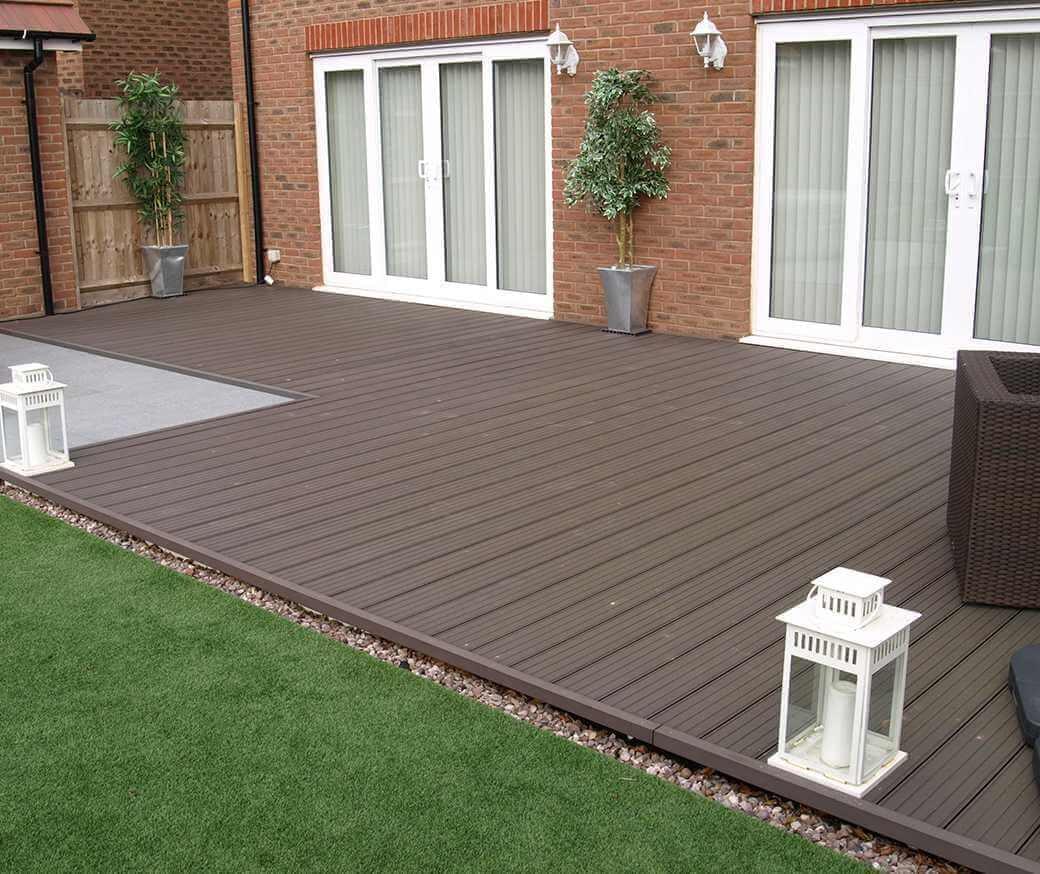
When it comes to constructing a deck base frame, overlooking quality inspections can lead to disastrous results. Quality inspections ensure that every component of the deck is built to last, meeting safety standards and aesthetic expectations. A well-inspected frame is not just a structure; it's peace of mind for homeowners.
The Role of Quality Inspections in Deck Building
Quality inspections play a pivotal role in the deck building process, acting as a safeguard against structural failures and costly repairs down the line. They help verify that the materials used are up to par, ensuring that what you call the base of a deck is built with integrity and durability in mind. Proper inspections also check if you should use 4x2 or 6x2 joists for decking, so you can make informed decisions about your project.
How China Inspection Pro Ensures Quality
China Inspection Pro takes quality assurance seriously, employing experienced inspectors who understand the nuances of building codes and standards relevant to your area. They meticulously evaluate each aspect of your deck base frame, from joist sizing to overall stability, ensuring compliance with local regulations and industry best practices. By utilizing their services, you can rest assured that your decking project will meet high-quality benchmarks.
Benefits of Professional Inspections
Investing in professional inspections provides numerous benefits beyond just compliance with regulations; it enhances the longevity and safety of your deck base frame as well. With expert eyes on your project, potential issues can be identified early on—saving you time and money while ensuring you have chosen the best base for decking possible. Moreover, knowing that professionals have vetted your work adds an extra layer of confidence when entertaining guests or simply enjoying your outdoor space.
Conclusion
Building a solid deck base frame is more than just slapping some boards together; it's a meticulous process that, when done right, can elevate your outdoor space for years to come. Understanding what the frame of a deck is called and how it functions will help you appreciate the importance of proper construction techniques. Remember, the best base for decking isn't just about aesthetics; it's also about safety and durability.
Key Takeaways for Your Deck Base Frame
When constructing your deck base frame, always prioritize quality materials and precise measurements. Understanding the differences between 4x2 and 6x2 joists for decking can significantly impact your deck's stability and lifespan. Additionally, don't forget that a well-planned structure must comply with local building codes to ensure both safety and legality.
Steps to Avoid Common Mistakes
To avoid common pitfalls in building your deck base frame, start with thorough planning—this means drawing up detailed blueprints before you even pick up a hammer. Make sure to research local regulations so you're not left scrambling later; knowing what do you call the base of a deck in terms of legal requirements can save you from costly fines or rework down the line. Lastly, always perform quality inspections during construction; they are essential in catching mistakes before they become major issues.
Ensuring a Safe and Durable Decking Experience
A safe and durable decking experience hinges on understanding both structural integrity and maintenance needs over time. Choosing the right materials not only enhances aesthetic appeal but also contributes to longevity—so don’t skimp on quality! Ultimately, by adhering to best practices like proper drainage management and regular inspections, you'll create an inviting outdoor space that stands the test of time.