
Introduction
In the realm of architecture and design, wall cladding exterior serves as both a protective shield and a decorative element that can transform any structure. Whether you're building a new home or renovating an existing one, understanding the various options for exterior wall cladding is essential to achieving your desired aesthetic and functional goals. From the timeless beauty of stone cladding to the modern appeal of vinyl, each material offers unique benefits that cater to different tastes and budgets.
Discover the World of Wall Cladding
Wall cladding refers to the application of one material over another to provide a layer of protection and enhance visual appeal on exterior walls. This versatile option allows homeowners and builders to explore a wide range of textures, colors, and styles that can complement any architectural design. As you delve into the world of ext cladding, you'll find an abundance of choices that not only enhance curb appeal but also improve insulation and weather resistance.
Importance of Choosing the Right Material
Selecting the appropriate exterior wall cladding is crucial for ensuring durability, energy efficiency, and maintenance ease over time. The right choice can significantly impact your home's overall performance while reflecting your personal style—after all, first impressions matter! With so many options available in today’s market, understanding how each material behaves under various conditions will help you make an informed decision that aligns with both your aesthetic preferences and practical needs.
Overview of Popular Options
As we embark on this exploration of wall cladding materials, we'll cover some popular choices: natural stone cladding for its timeless elegance; brick cladding combining classic charm with modern functionality; vinyl for budget-friendly versatility; wood offering warmth with eco-friendly options; and fiber cement known for its robustness. Each type brings its own set of advantages and considerations that will be discussed in detail throughout this guide. By familiarizing yourself with these materials, you’ll be better equipped to choose the perfect exterior wall cladding for your project.
Natural Stone Cladding
Natural stone cladding is a stunning choice for anyone looking to elevate their exterior walls. With its unique textures and colors, stone cladding adds a natural beauty that can transform any building into a work of art. Whether you're aiming for a rustic look or sleek modernity, this wall cladding exterior option offers versatility that few materials can match.
Timeless Elegance in Design
When you think of elegance, natural stone cladding often springs to mind. Its ability to blend seamlessly with various architectural styles makes it a favorite among homeowners and designers alike. From the grandeur of limestone to the rugged charm of slate, the options are endless when it comes to choosing stone for your exterior wall cladding.
The aesthetic appeal of stone cladding on exterior walls is unmatched; it creates an inviting atmosphere while also showcasing sophistication. Each piece tells its own story through unique patterns and colors, ensuring that no two installations are ever identical. This individuality not only enhances curb appeal but also increases property value—who wouldn't want that?
Durability and Weather Resistance
One of the standout features of natural stone cladding is its unparalleled durability and weather resistance. Unlike other materials that may warp or fade over time, stone remains resilient against harsh weather conditions, making it an ideal choice for exterior wall applications in varying climates. Rain, snow, or blazing sun? No problem!
Additionally, this robust material requires minimal maintenance compared to alternatives like wood or vinyl siding. Its natural composition allows it to withstand moisture without rotting or deteriorating—perfect for those who want their homes looking pristine year after year. With proper installation and care, you can expect your wall cladding exterior made from stone to last for decades.
Maintenance Considerations
While natural stone offers many benefits, it's essential to consider maintenance aspects before diving into your project involving ext cladding options like these. Although generally low-maintenance compared to other materials, some types of stone may require sealing every few years to prevent stains and maintain their luster over time. Regular cleaning with mild soap and water will keep your exterior wall looking fresh without much hassle.
Another consideration is the installation process; hiring experienced professionals familiar with working with heavy materials like stone ensures longevity and reduces future issues related to cracking or shifting over time. Investing in quality installation pays off in the long run when considering both aesthetics and durability aspects of your chosen wall cladding material.
In conclusion, natural stone cladding provides timeless elegance combined with remarkable durability—a winning combination for any homeowner looking at enhancing their property’s exterior walls while keeping maintenance needs manageable!
Brick Cladding
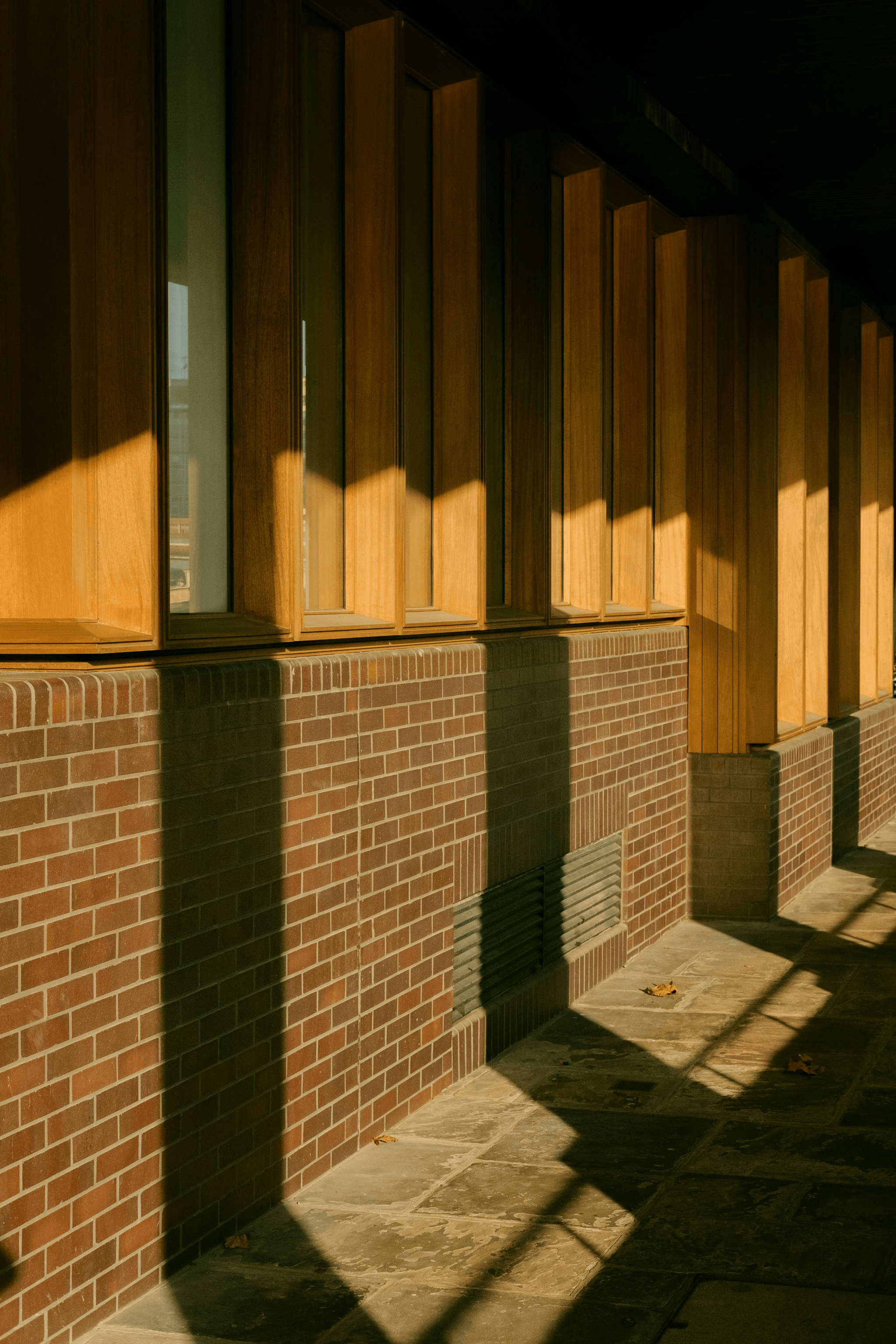
Brick cladding is a favored choice for many homeowners looking to combine classic charm with modern practicality. This exterior cladding option not only enhances the aesthetic appeal of a building but also offers durability that can withstand the test of time. Whether you're renovating an old structure or building anew, brick wall cladding can provide that perfect blend of style and functionality.
Classic Appeal Meets Modern Functionality
There’s something undeniably timeless about brick cladding on exterior walls. It evokes a sense of tradition while seamlessly integrating into contemporary designs, making it an excellent choice for various architectural styles. Plus, with advancements in manufacturing techniques, today’s brick options come in an array of colors and finishes, allowing homeowners to express their unique tastes while enjoying the benefits of durable wall cladding.
Insulation Benefits for Energy Efficiency
One of the standout features of brick wall cladding is its impressive insulation properties. The thermal mass that bricks possess helps regulate indoor temperatures, which can lead to significant energy savings over time. When properly installed as part of your exterior wall system, brick cladding acts as an effective barrier against heat loss in winter and keeps interiors cool during summer months, making it a smart investment for energy efficiency.
Cost Implications and Installation
While brick cladding may have a higher upfront cost compared to some other exterior cladding materials, its long-term benefits often outweigh initial expenses. The durability and low maintenance requirements associated with brick mean fewer repairs or replacements down the line—saving you money in the long run. Installation can be more labor-intensive than other options; however, skilled professionals are well-versed in ensuring that your new wall cladding is applied correctly for optimal performance.
Vinyl Cladding
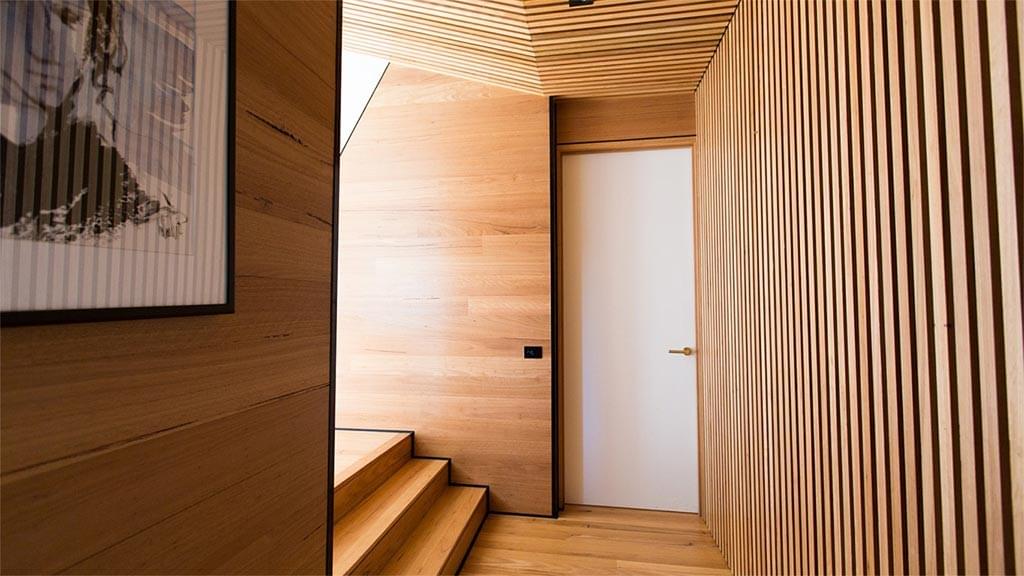
When it comes to wall cladding exterior options, vinyl cladding stands out as a budget-friendly and versatile choice for homeowners and builders alike. Its lightweight nature makes it easy to handle during installation, while also providing a wide range of aesthetic possibilities for your exterior wall cladding needs. With vinyl, you can achieve the look of traditional materials without breaking the bank, making it an attractive option for those looking to enhance their home's curb appeal.
Budget-Friendly and Versatile
Vinyl cladding is renowned for its affordability compared to other exterior cladding materials like stone or wood. This cost-effectiveness doesn't compromise on quality; in fact, many manufacturers have developed durable products that can withstand harsh weather conditions while maintaining their appearance over time. Additionally, its versatility allows homeowners to choose from various styles and textures that mimic more expensive materials, giving your home a luxurious look without the hefty price tag.
Color Options and Customization
One of the standout features of vinyl cladding is its extensive palette of color options and customization capabilities. Whether you prefer bold hues or subtle pastels, there’s likely a shade that will perfectly complement your home's design aesthetic among the numerous choices available. Furthermore, many vinyl products come with finishes designed to replicate natural wood grain or even stone cladding textures, allowing you to tailor your exterior walls precisely to your vision without sacrificing durability.
Longevity and Environmental Impact
While some may question the longevity of vinyl cladding when compared to natural materials like stone cladding, modern advancements have significantly improved its lifespan and environmental impact. High-quality vinyl can last decades with minimal maintenance required—no need for painting or sealing every few years! However, it’s essential to consider recycling options at the end of its life cycle since not all types are eco-friendly; choosing sustainable brands can help mitigate any negative effects on our planet.
Wood Cladding
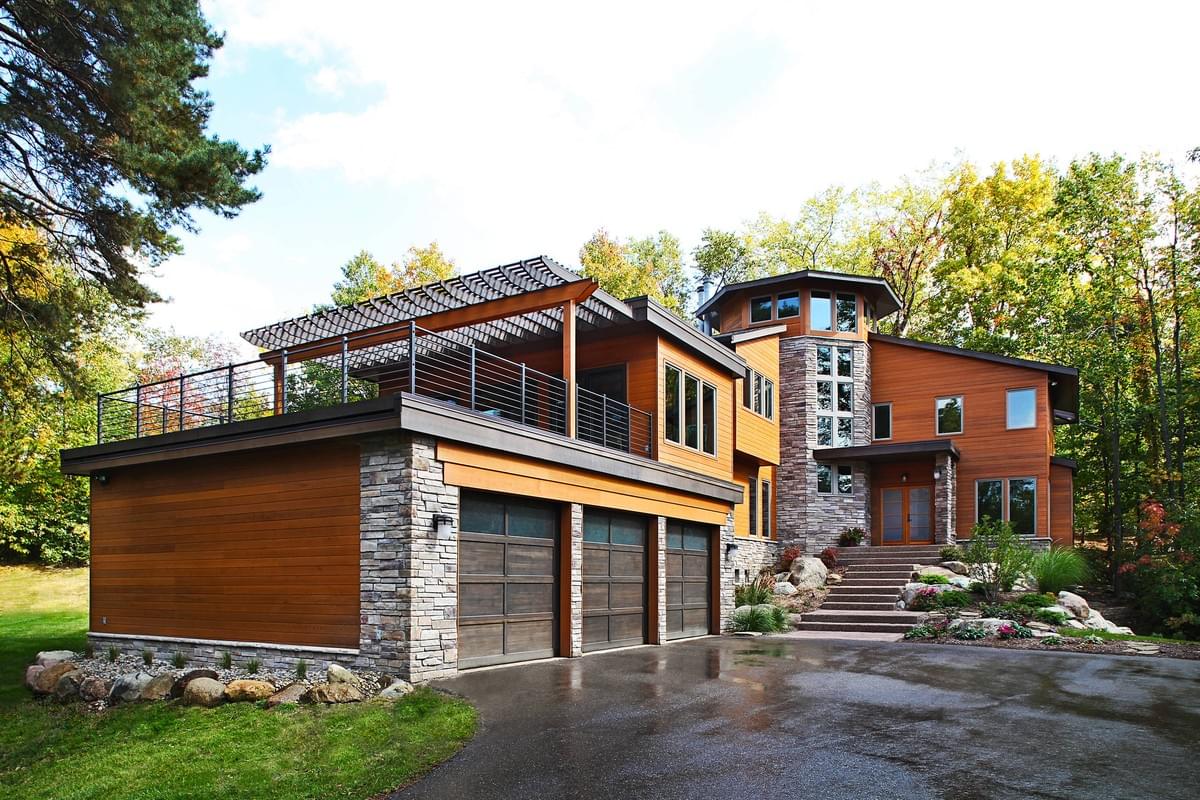
Wood cladding is a popular choice for those looking to add warmth and texture to their exterior wall cladding. This natural material brings a rustic charm that can enhance the aesthetic appeal of any building, making it stand out in its surroundings. With various types of wood available, homeowners can select the perfect species and finish to complement their design vision while ensuring durability.
Aesthetic Warmth and Texture
One of the most compelling reasons to choose wood for your wall cladding exterior is its inherent beauty. The unique grain patterns and rich colors of wood create an inviting atmosphere that can transform any exterior wall into a work of art. Whether you prefer the sleek lines of modern design or the cozy feel of traditional styles, wood cladding offers versatility that few other materials can match.
Moreover, wood's tactile quality adds depth and character to your home’s facade, making it visually engaging from every angle. When used as cladding on exterior walls, it exudes an organic warmth that synthetic materials often lack. This aesthetic appeal not only enhances curb appeal but also contributes positively to property value.
Sustainability and Eco-Friendly Options
In today's environmentally conscious world, sustainability is more important than ever when selecting exterior cladding materials. Wood cladding can be an eco-friendly option if sourced from responsibly managed forests or certified suppliers who prioritize sustainable practices. By choosing reclaimed or recycled wood products, homeowners can further reduce their ecological footprint while still enjoying the beauty of natural materials.
Additionally, many manufacturers now offer treatments that enhance the longevity of wood without compromising its environmental integrity. These treatments help protect against weathering while maintaining a commitment to sustainability, allowing you to enjoy your beautiful wooden exterior wall without guilt. Thus, opting for wood as your preferred wall cladding not only elevates aesthetics but also aligns with green building practices.
Pest Resistance and Treatment Needs
While wood offers undeniable beauty and sustainability benefits, it's essential to consider its vulnerability to pests like termites and rot if not properly maintained. To combat these issues effectively, many types of wood used in ext cladding are treated with preservatives designed specifically for pest resistance and durability against harsh weather conditions. Regular maintenance—such as staining or sealing—can further extend the life expectancy of your wooden exterior wall.
Choosing pest-resistant species like cedar or redwood can also mitigate potential infestations while adding distinctive visual appeal to your home’s facade. Homeowners should remain vigilant about inspecting their wall cladding regularly; addressing minor issues promptly helps prevent costly repairs down the line! Ultimately, balancing aesthetics with proper care ensures your beautiful wooden walls remain a lasting feature for years to come.
Fiber Cement Cladding
Fiber cement cladding is increasingly becoming a popular choice for homeowners and builders alike, thanks to its remarkable robustness and versatility. This type of exterior cladding combines cement, sand, and cellulose fibers, resulting in a material that can withstand harsh weather conditions while providing an aesthetically pleasing finish. Whether you're looking for a sleek modern look or something that mimics traditional materials like wood or stone cladding, fiber cement offers a wide range of styles to suit any exterior wall design.
Robustness and Versatility
One of the standout features of fiber cement cladding is its impressive durability, making it an excellent option for wall cladding on exterior walls. It resists cracking, warping, and pests much better than traditional wood siding, ensuring your investment stands the test of time. Plus, with its ability to mimic various materials—from rustic wood textures to sleek stone finishes—fiber cement truly shines in versatility.
Fire Resistance and Safety Features
Safety is paramount when it comes to choosing exterior wall cladding materials, and fiber cement excels in this area with its fire-resistant properties. Unlike some other materials that may ignite easily under extreme heat conditions, fiber cement does not burn easily; this can be crucial for homes located in fire-prone areas. Therefore, using fiber cement as your choice for wall cladding exterior not only enhances aesthetic appeal but also adds an essential layer of safety.
Installation Process and Cost Analysis
When considering fiber cement cladding for your project, it's important to understand both the installation process and cost implications involved. While professional installation may be required due to the material's weight and specific handling needs, many find that the long-term benefits outweigh initial costs associated with labor and materials. Generally speaking, while fiber cement might have a higher upfront cost compared to vinyl or other types of ext cladding options, its longevity often results in lower maintenance expenses over time.
Conclusion
Choosing the right wall cladding exterior is a pivotal decision that influences not just aesthetics but also functionality and durability. With various options available, from natural stone cladding to vinyl, understanding the unique benefits of each type can help homeowners make informed choices that suit their specific needs. Factors such as climate, maintenance requirements, and budget should all play a role in your selection process.
Key Factors When Choosing Exterior Cladding
When considering exterior cladding for your home, it’s essential to evaluate durability and weather resistance first. Materials like stone cladding offer timeless elegance while standing up to harsh environmental conditions, making them a solid choice for longevity. Additionally, energy efficiency should be on your radar; options like brick cladding provide excellent insulation, helping to reduce energy costs over time.
Another factor is maintenance; some materials require more upkeep than others. For instance, while wood cladding adds aesthetic warmth and texture to exterior walls, it may need regular treatment against pests and weathering. Ultimately, balancing these factors will lead you to the perfect ext cladding solution for your home.
How China Inspection Pro Enhances Quality
Quality assurance is paramount when selecting materials for wall cladding projects; this is where China Inspection Pro steps in as a game changer. They specialize in rigorous inspections of materials like stone cladding and vinyl before they reach your doorstep, ensuring you receive only the best products available on the market. Their expertise helps mitigate risks associated with subpar materials that could compromise both aesthetics and structural integrity.
By collaborating with manufacturers worldwide, China Inspection Pro provides insights into quality standards that many may overlook when sourcing exterior wall cladding options. This level of scrutiny not only enhances the overall quality of your chosen materials but also contributes to long-lasting performance in various climates and conditions. Trusting this service can give homeowners peace of mind knowing their investment is protected.
Final Thoughts on Wall Cladding Materials
In conclusion, selecting the right wall cladding exterior is an art that combines personal style with practical considerations such as durability and cost-effectiveness. Whether you lean towards classic brick or modern fiber cement solutions, understanding each material's advantages will guide you toward making an informed decision for your home’s façade. Remember to consider how each material interacts with local climate conditions as well as its long-term maintenance needs.
Ultimately, investing time in research will pay off when you see how beautifully your home transforms with the right exterior wall cladding choice—creating curb appeal while enhancing protection against the elements at the same time! Embrace this opportunity to elevate not just your home's appearance but its value too!