
Introduction

Enter composite wood for decks—a modern solution that offers both beauty and durability. Composite lumber decking combines recycled materials with advanced technology to produce deck boards that resist fading, splintering, and warping, making them a popular alternative to traditional wood decks.
What is Composite Wood for Decks?
Composite wood for decks is a blend of recycled plastic and wood fibers, engineered to withstand the elements while mimicking the look of real wood. Unlike traditional lumber, composite decking does not require regular staining or sealing, which means less hassle and more time enjoying your outdoor oasis. This innovative material not only enhances aesthetics but also provides a sustainable option for eco-conscious homeowners.
Benefits of Composite Lumber Decking
The benefits of composite lumber decking are numerous and compelling. For starters, these deck boards offer exceptional resistance to moisture and pests, ensuring your investment remains intact for years to come. Additionally, composite decking requires minimal maintenance compared to wood decks—no more scraping or painting—allowing you more time to relax in your backyard paradise.
Factors to Consider Before Investing
Before diving into the world of composite decking, there are several factors worth considering. First off, assess your budget; while initial costs may be higher than traditional wood options, long-term savings on maintenance can tip the scales in favor of composite materials. Additionally, think about design preferences; with an array of colors and textures available in composite deck boards, you can create a customized look that elevates your outdoor space without compromising on style.
The Cost of Composite Deck Boards

When considering a new outdoor space, the cost of composite deck boards often comes up as a pivotal factor. Many homeowners are drawn to the allure of composite wood for decks, but how does it stack up against traditional wood decks in terms of initial investment and long-term savings? Let's dive into the numbers and see if composite lumber decking truly offers value for your hard-earned cash.
Comparing Initial Costs and Long-Term Savings
Initially, the price tag on composite decking can be higher than that of traditional wood decks. However, it's essential to look beyond that upfront expense; many homeowners find that the long-term savings associated with composite deck boards make them a wise investment. With lower maintenance costs and less frequent replacement needs, composite lumber decking can save you money over time while providing an attractive outdoor space.
Moreover, when comparing best decking options, you may discover that while wood requires regular staining or sealing—adding to its overall cost—composite decking is designed to withstand the elements without extensive upkeep. This durability means fewer repairs and replacements down the line, allowing you to enjoy your deck without breaking the bank each season. Ultimately, investing in composite wood for decks can yield significant financial benefits in the long run.
Maintenance Expenses Over Time
One of the most attractive features of composite lumber decking is its low maintenance requirements compared to traditional wood decks. While wooden surfaces demand annual sealing or staining—and sometimes even more frequent repairs—composite deck boards only require occasional cleaning with soap and water to keep them looking fresh. This drastic reduction in maintenance expenses allows homeowners more time for relaxation rather than labor-intensive upkeep.
Additionally, because composite decking is resistant to mold, mildew, and pests like termites or rot, you can expect fewer unexpected costs over time associated with repairs or replacements due to damage from these issues. In contrast, maintaining a wooden deck often leads to hidden expenses that can add up quickly as weathering takes its toll on natural materials. By choosing outdoor decking made from composites, you're not just saving money; you're also enjoying peace of mind knowing your investment is protected against nature's whims.
Resale Value Impact
When considering any home improvement project—including adding a beautiful new deck—it's crucial to think about resale value impact down the road. Composite wood for decks tends to hold its value well compared to traditional wood options; potential buyers appreciate low-maintenance solutions that promise longevity and durability in their future homes. Thus, installing composite decking could enhance your property’s appeal should you decide to sell later on.
In fact, studies have shown that homes with well-maintained outdoor spaces featuring high-quality materials like composite lumber decking often see better returns on investment than those with aging wooden structures requiring constant care and repair work. Buyers are increasingly savvy about their choices; they prefer materials that offer both aesthetic appeal and practicality without excessive upkeep costs attached!
Durability and Longevity of Composite Decking

Composite wood for decks stands out due to its impressive resistance to the elements and pests, making it a reliable choice for those who want a long-lasting solution. In this section, we'll explore how composite lumber decking compares to traditional wood decks in terms of lifespan and warranty insights.
Resistance to Weather and Pests
One of the most significant advantages of composite decking is its remarkable resistance to weather conditions. Unlike wood decks that can warp, crack, or splinter under harsh sunlight or heavy rain, composite deck boards are engineered to withstand these challenges with ease. Additionally, they are resistant to pests like termites and carpenter ants, which can wreak havoc on traditional wood structures—this means you can enjoy your outdoor space without worrying about unwanted guests nibbling away at your investment.
Lifespan Comparison with Wood Decks
When comparing the lifespan of composite lumber decking with that of wood decks, the difference is striking. While well-maintained wooden decks may last around 10-15 years before requiring significant repairs or replacement, composite deck boards typically boast a lifespan of 25 years or more. This longevity not only saves you money on repairs but also means less hassle over time—after all, who wants to spend their weekends fixing up an aging deck when they could be enjoying it instead?
Warranty Insights from Composite Decking Inc
Warranties provide valuable insights into the confidence manufacturers have in their products' durability and longevity. For example, many companies offering composite wood for decks provide warranties ranging from 25 years up to a lifetime against defects in materials or workmanship. This level of assurance speaks volumes about the quality of composite decking; investing in these products not only enhances your outdoor space but also comes with peace of mind knowing that you're covered should any issues arise.
Aesthetic Appeal of Composite Lumber Decking
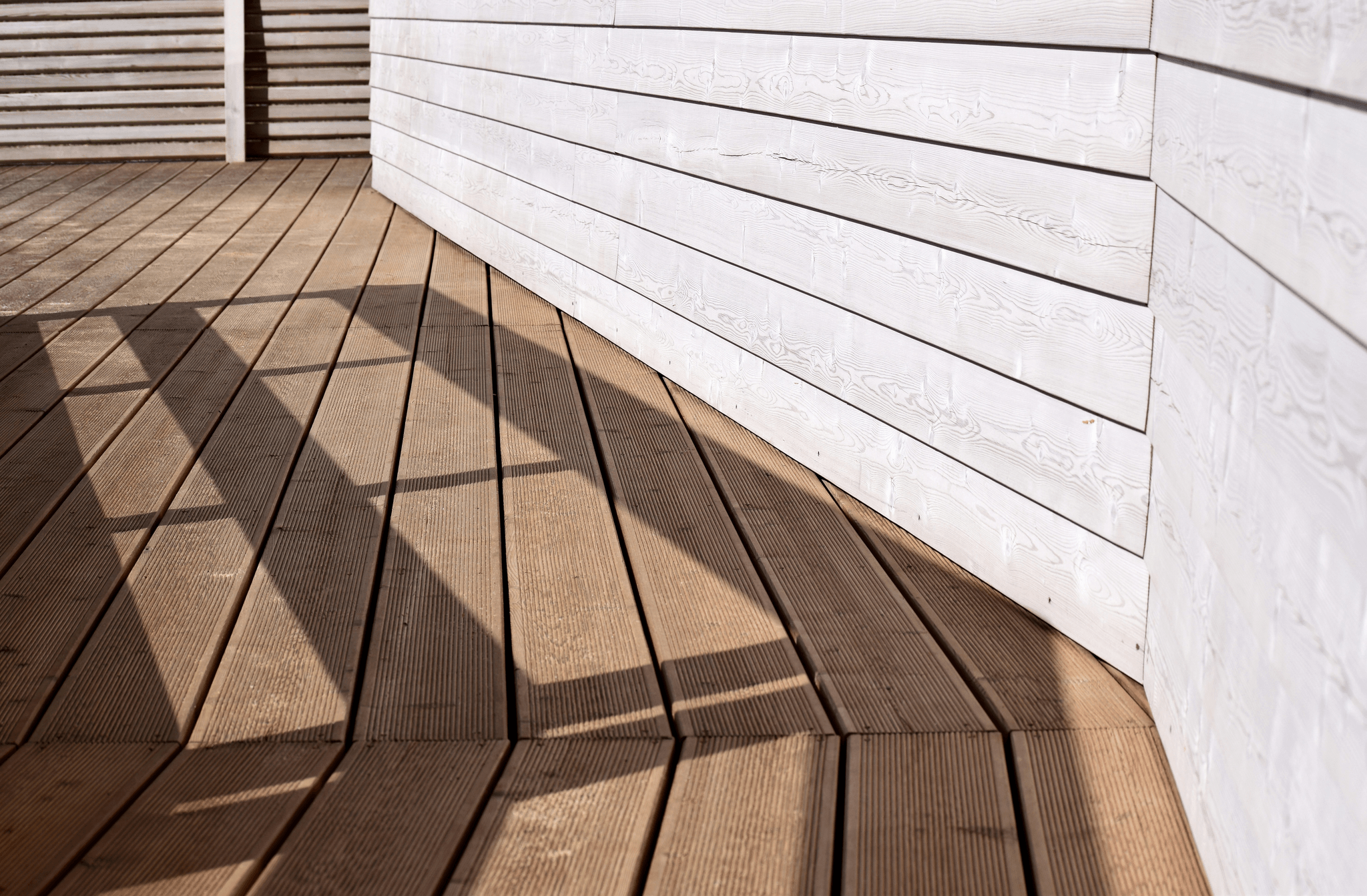
When it comes to outdoor spaces, the aesthetic appeal of composite wood for decks is hard to beat. Homeowners can enjoy a beautiful and inviting area without sacrificing durability or maintenance. With advancements in technology, composite lumber decking now offers a stunning array of choices that can elevate any outdoor setting.
Variety of Colors and Textures
One of the standout features of composite deck boards is their impressive variety of colors and textures. From rich mahogany tones to cool grays, there's a shade for every taste and style preference. This wide selection allows homeowners to match their composite decking with existing architecture or create a striking contrast that enhances their outdoor space.
Moreover, the textures available in composite lumber decking mimic natural wood grain patterns, adding depth and character to your deck. Whether you prefer a smooth finish or something with more rustic charm, these options provide versatility that traditional wood decks often lack. With such diversity, finding the best decking solution for your home has never been easier.
How Composite Decking Mimics Wood
Composite decking has come a long way in replicating the look and feel of natural wood without the downsides associated with it. The latest manufacturing techniques ensure that composite deck boards not only resemble wood but also offer improved performance against weather elements and pests. Homeowners can enjoy the beauty of wood decks while benefiting from the low-maintenance nature of composite materials.
The realistic appearance is further enhanced by color variations within each board, creating an authentic look reminiscent of high-quality hardwoods. This means you can have all the charm and warmth traditionally associated with wooden structures without worrying about warping or splintering over time. In essence, choosing composite lumber decking allows you to achieve your dream aesthetic while making a practical investment.
Customization Options for Outdoor Spaces
Customization is where composite wood for decks truly shines; it opens up endless possibilities for personal expression in your outdoor areas. Homeowners can choose from various railing styles, lighting options, and even built-in seating arrangements to create unique spaces tailored specifically to their lifestyles. With such flexibility in design, your deck can be as simple or as elaborate as you'd like.
Additionally, many manufacturers offer complementary accessories that enhance both functionality and aesthetics—think planters integrated into railings or decorative lighting embedded within deck boards themselves! These thoughtful touches not only elevate the visual appeal but also provide an opportunity to showcase personal style while enjoying outdoor living at its finest. In short, investing in composite decking gives you more than just beautiful surfaces; it grants you an entire canvas upon which to craft your dream outdoor retreat.
Environmental Considerations

When it comes to decking materials, the environmental impact is a crucial factor that homeowners are increasingly considering. Composite wood for decks stands out as a more sustainable option compared to traditional wood decks. This section delves into the eco-friendly materials in composite decking, its sustainability, and how it helps reduce your carbon footprint.
Eco-Friendly Materials in Composite Decking
Composite lumber decking is primarily made from recycled materials, such as reclaimed wood fibers and plastic waste. This means that when you choose composite deck boards, you're not just enhancing your outdoor space but also contributing to waste reduction efforts. By opting for these eco-friendly materials, you’re making a choice that aligns with a more responsible approach to home improvement.
Additionally, many manufacturers of composite decking prioritize using non-toxic additives and environmentally safe processes in their production methods. This ensures that the composite deck boards are safe not only for your family but also for local wildlife and ecosystems. So when you're looking for the best decking options, remember that choosing composite can be both stylish and sustainable.
Sustainability of Composite Wood for Decks
Sustainability is at the heart of what makes composite wood for decks an excellent choice for environmentally conscious homeowners. Unlike traditional wood decks that can contribute to deforestation, composite lumber decking is made from recycled content which minimizes the demand on natural resources. This means less logging and more trees standing tall in our forests—definitely something we can all get behind!
Moreover, many brands focus on producing durable products designed to last longer than conventional wood decks, which often require replacement after just a few years due to rot or pest damage. The longevity of composite decking translates into fewer resources being used over time since you won’t need to replace your deck as frequently. In essence, choosing composite deck boards supports sustainable practices while giving you a beautiful outdoor space.
Reducing Carbon Footprint with Composite Solutions
When it comes to reducing your carbon footprint, selecting composite decking solutions can make a significant difference in your home’s environmental impact. By utilizing recycled materials and minimizing new resource extraction, this type of outdoor decking helps lower greenhouse gas emissions associated with manufacturing new products from scratch. Choosing eco-friendly options like this not only beautifies your backyard but also contributes positively towards combating climate change.
Furthermore, since composite lumber doesn’t require chemical treatments like traditional wood decks do (which often leach harmful substances into the environment), you’re making an even greener choice for your home improvement project. The reduced maintenance needs of these deck boards also mean fewer chemicals needed over time—another win for Mother Earth! So if you're aiming to create an eco-conscious outdoor oasis without sacrificing style or functionality, look no further than quality composite solutions.
Installation and Maintenance of Composite Decks
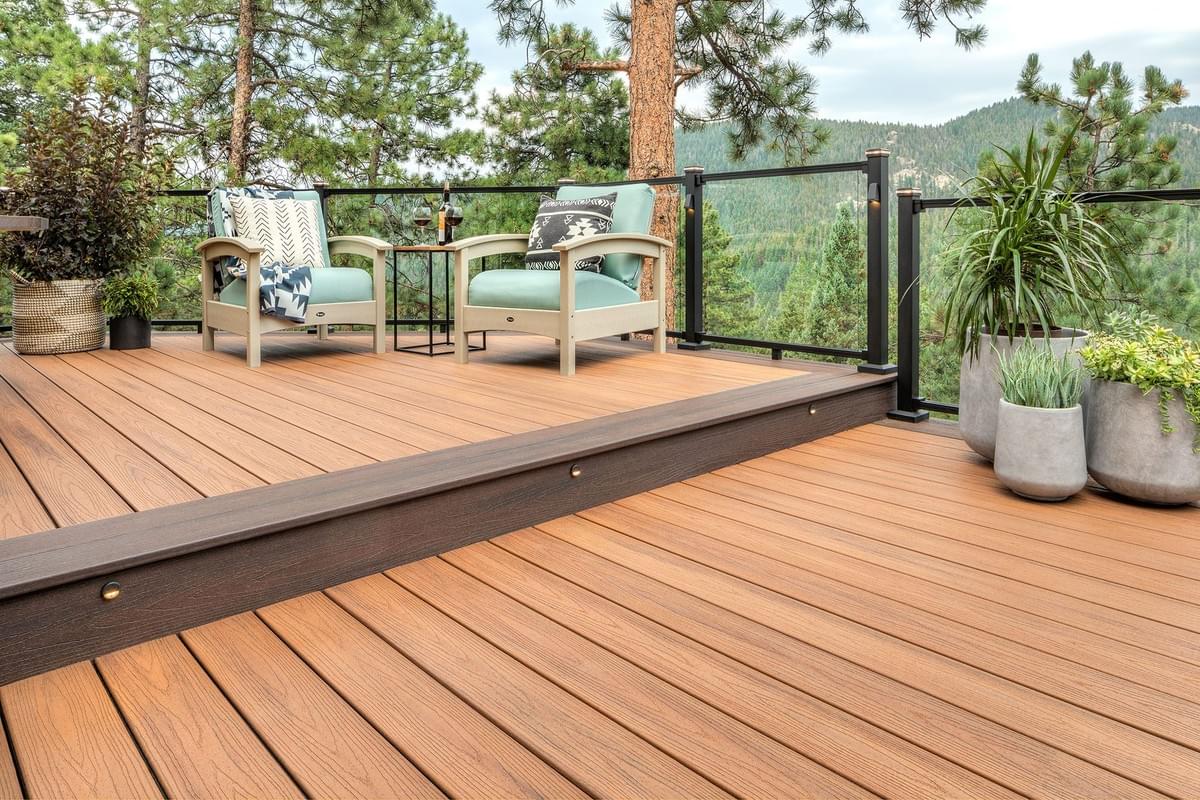
When considering composite wood for decks, one of the standout features is how easy it is to install compared to traditional wood decks. Most composite lumber decking products come with a straightforward installation process that can often be completed without professional help. This ease of installation not only saves you money on labor costs but also allows you to start enjoying your outdoor space sooner.
Ease of Installation Compared to Wood Decks
Installing composite decking is often a breeze, especially when compared to the complexities involved with wood decks. Unlike traditional lumber, which may require additional treatments or specific tools for cutting and fastening, many composite deck boards are designed for quick assembly with hidden fasteners or interlocking systems. This means fewer visible screws and a cleaner finish, giving your outdoor decking a polished look right from the start.
Moreover, many brands offer comprehensive installation guides and even videos that make DIY projects accessible for homeowners who might not be seasoned builders. You’ll find that working with composite materials is less labor-intensive due to their lightweight nature and ease of handling. Overall, if you're looking for the best decking option that combines quality and convenience, composite wood for decks should definitely be on your radar.
Maintenance Tips for Longevity
While one of the major advantages of composite lumber decking is its low-maintenance requirements, there are still some best practices you can follow to ensure its longevity. Regular cleaning with soap and water will keep your deck looking fresh without needing harsh chemicals or intensive scrubbing—something you’d likely have to do more frequently with wood decks. Additionally, using a soft-bristle broom or a pressure washer on a low setting can help remove dirt buildup without damaging the surface.
It’s also wise to periodically inspect your deck boards for any signs of wear or damage—though composite materials are resistant to splintering and rotting, keeping an eye out helps catch any issues early on. If you live in an area prone to heavy debris like leaves or pollen, consider investing in a good cover during off-seasons; this will protect your outdoor decking from potential stains caused by organic matter breaking down over time. With these simple maintenance tips in mind, you'll maximize the lifespan of your beautiful composite deck.
How Composite Deck Boards Simplify Upkeep
One of the most appealing aspects of choosing composite deck boards over traditional options is how they simplify upkeep in general. Unlike wood decks that require regular staining or sealing every few years to maintain their appearance and integrity, composite decking typically comes pre-finished and needs little more than occasional washing with soap and water throughout its life cycle. This translates into considerable savings on both time and money over the years.
Additionally, many modern composites include UV protection built into their structure which helps them resist fading from sunlight exposure—a common issue faced by natural woods like cedar or redwood as they age outside. This means less worry about color maintenance while still enjoying all the aesthetic benefits associated with natural-looking materials; after all, who wants to spend weekends refinishing when they could be enjoying their outdoor space? Choosing composite wood for decks really does allow you more time lounging under the sun rather than working hard just to keep it looking great!
Conclusion
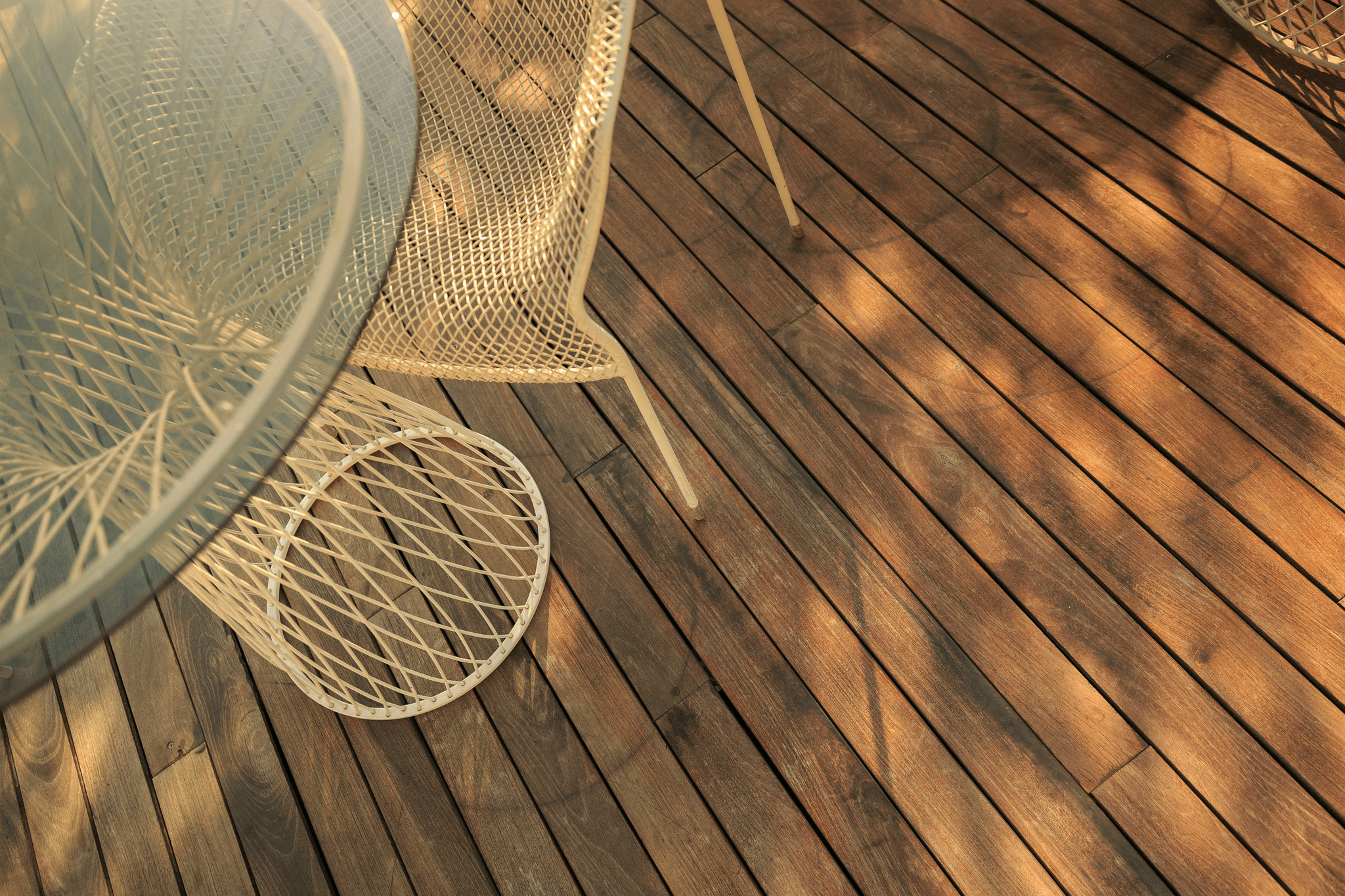
In the grand debate of composite wood for decks versus traditional wood, the choice often boils down to long-term value and personal preference. Composite decking offers a multitude of benefits that can enhance your outdoor space while minimizing maintenance hassles. Ultimately, whether you opt for composite lumber decking or stick with classic wood decks, understanding your needs will guide you toward the best decking solution.
Is Composite Decking Worth It?
When considering if composite decking is worth it, think about longevity and upkeep. Unlike wood decks that require regular staining and sealing, composite deck boards are designed to withstand the test of time with minimal fuss. If you value a beautiful outdoor space without the constant labor of maintenance, then investing in composite lumber decking is certainly worthwhile.
Summary of Key Advantages
The advantages of composite wood for decks are numerous and compelling. First off, these materials resist weather damage and pests much better than traditional wood options, ensuring your deck remains stunning year after year. Additionally, with a wide array of colors and textures available in composite decking, you can create an outdoor aesthetic that suits your style perfectly.
Final Thoughts on Your Deck Investment
As you weigh your options for outdoor decking materials, consider how investing in composite deck boards can elevate your home’s value while providing comfort and enjoyment for years to come. The initial cost may be higher than that of conventional wood decks, but the long-term savings on maintenance and repairs make it a savvy choice overall. In conclusion, if you're looking for durability paired with aesthetic appeal in your deck investment, then composite lumber decking might just be your best bet.