
Introduction
In the realm of interior design, aesthetics play a pivotal role in creating spaces that resonate with beauty and functionality. The right decorative panels on walls can transform a mundane room into a captivating environment, marrying style with practicality. Among the myriad options available, WPC wall panels stand out for their versatility and sustainable design choices.
Importance of Aesthetic in Interiors
Aesthetic appeal is essential in interiors as it influences mood, enhances comfort, and reflects personal taste. Decorative wall panels serve as focal points that can elevate the overall look of any space, making them an integral part of modern design. The combination of color, texture, and pattern found in PVC wood wall panels allows homeowners to create unique atmospheres tailored to their preferences.
Versatility of WPC Wall Panels
WPC wall panels are not just another trend; they are a versatile solution that fits various design styles—from rustic to contemporary. With options ranging from sleek finishes to intricate patterns, these decorative wall panels can adapt seamlessly to any environment. Whether used for accent walls or entire rooms, WPC on wall applications provide endless opportunities for creative expression.
Sustainable Design Choices
Sustainability is at the forefront of modern interior design choices, and WPC materials excel in this area by offering eco-friendly alternatives to traditional wood products. Made from recycled materials and designed for longevity, PVC wood wall panels contribute to reducing waste while maintaining aesthetic appeal. Choosing these innovative decorative panels not only enhances your home but also supports a greener planet for future generations.
What are WPC Wall Panels?
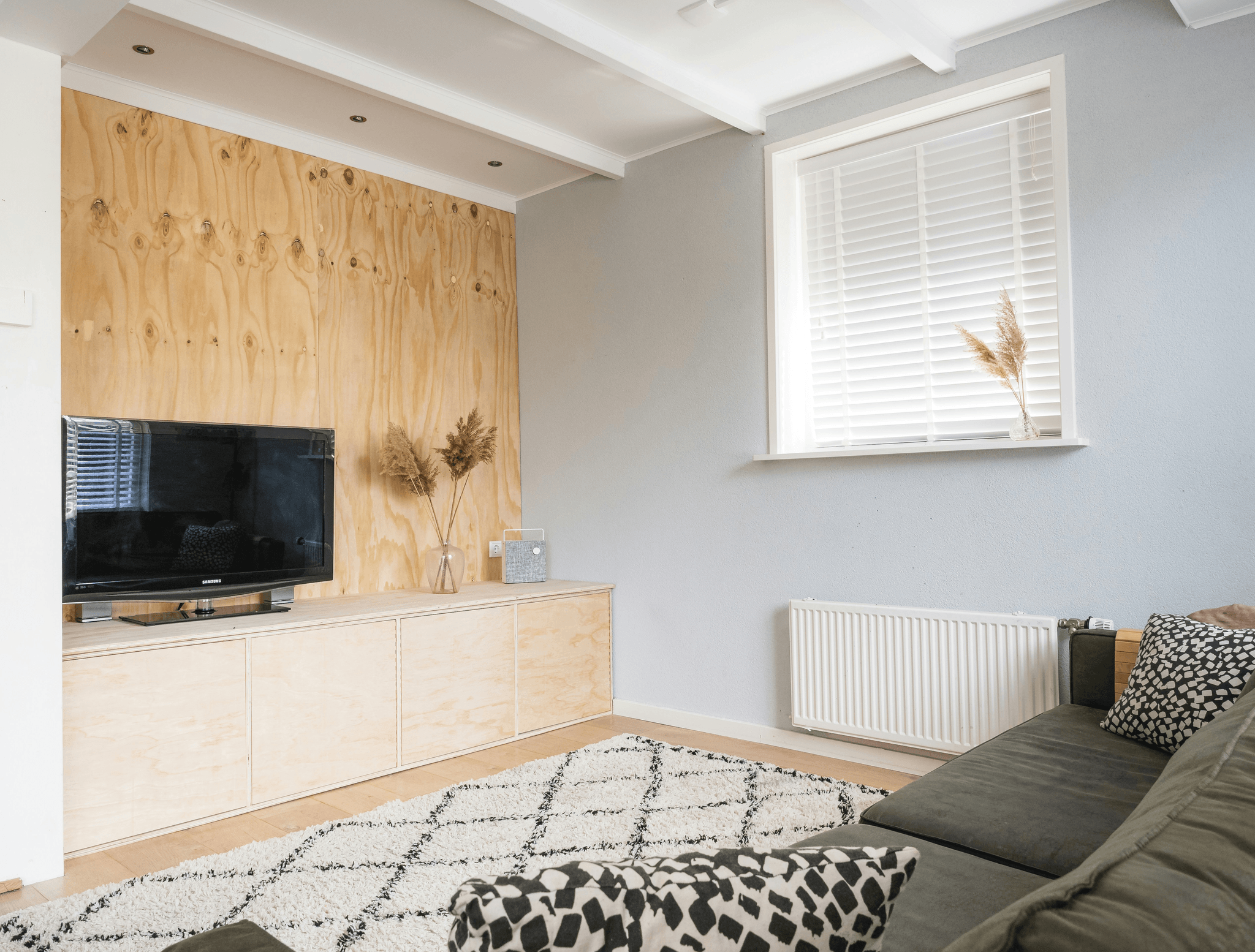
WPC wall panels, or Wood Plastic Composite wall panels, are innovative building materials that combine the best of both worlds—wood and plastic. These decorative panels on walls are engineered to provide a stunning aesthetic while ensuring durability and sustainability. With their unique composition, WPC decorative panels have become increasingly popular in contemporary interior design.
Composition and Structure
WPC wall panels consist of a blend of wood fibers and thermoplastics, creating a strong yet lightweight material. This combination not only enhances structural integrity but also allows for various textures and finishes that mimic natural wood without the drawbacks. The result is a versatile product that can be easily adapted to fit any design vision while providing the warmth of traditional materials.
Benefits over Traditional Materials
One of the standout benefits of PVC wood wall panels is their resistance to moisture, rot, and pests, making them superior to traditional wood options. Unlike conventional materials that require regular maintenance and treatment, WPC wall panels offer a low-maintenance solution that retains its beauty over time. Additionally, these wall panels are often more cost-effective in the long run due to their durability and ease of installation.
Popular Uses in Interior Design
WPC on walls has found its way into various applications within interior design, from residential spaces to commercial environments. Homeowners love using decorative wall panels as accent features in living rooms or bedrooms, while businesses often opt for them in offices or retail spaces for a modern touch. Their versatility allows for creative installations that enhance any atmosphere—making them an ideal choice for those looking to elevate their interiors with style.
Aesthetic Appeal of Decorative Wall Panels
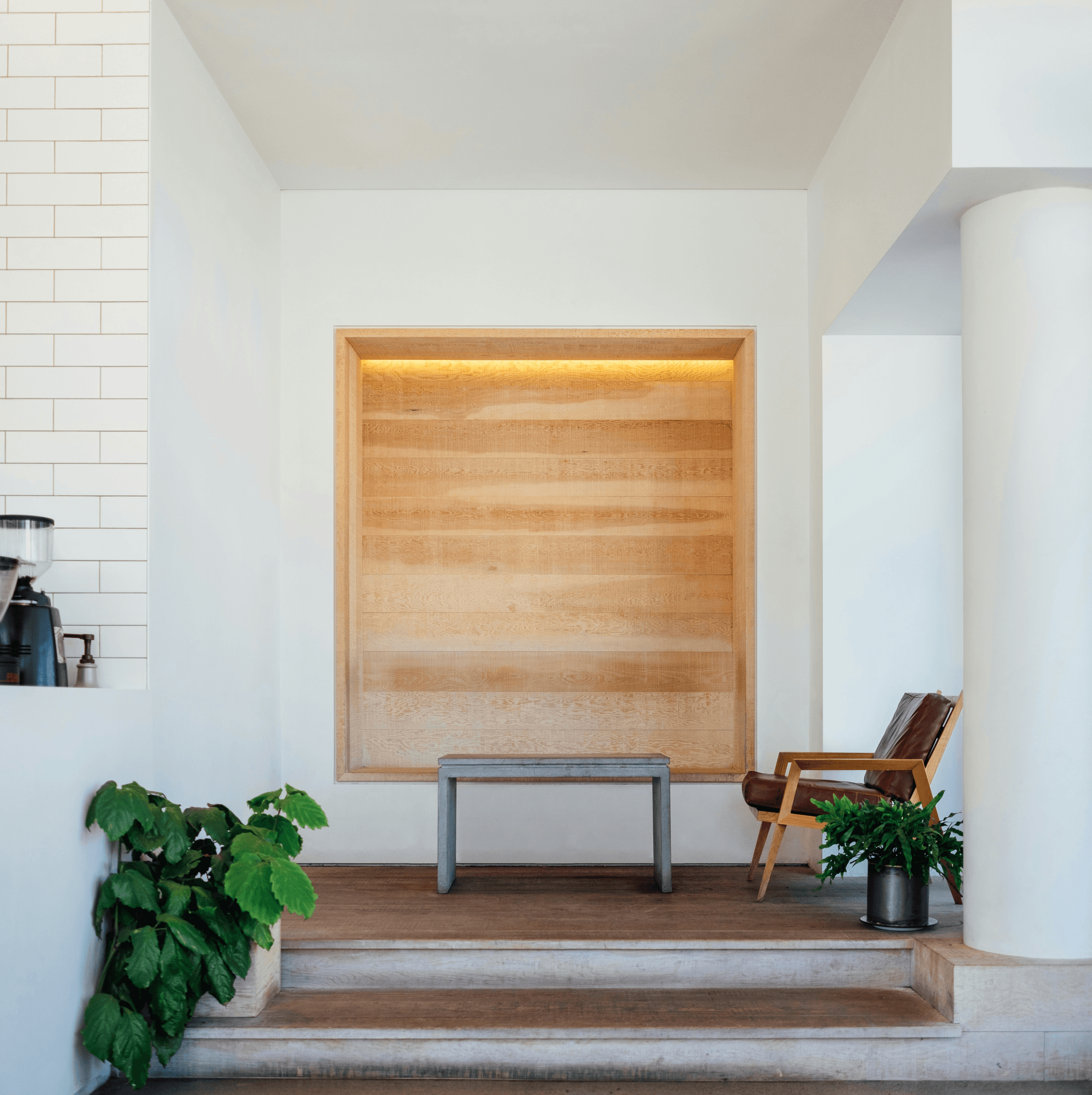
Transforming Spaces with Style
The versatility of WPC decorative panels allows homeowners to create diverse styles that suit their personal taste. From rustic charm to sleek modernity, these wall panels can be tailored to fit any design scheme effortlessly. Incorporating PVC wood wall panels into your home not only enhances its visual appeal but also creates an inviting atmosphere that guests will admire.
Imagine walking into a living room adorned with beautiful WPC on wall installations, where the interplay of textures and colors captivates the eye. These decorative wall panels are perfect for accent walls, adding depth and character without overwhelming the space. With just a few strategically placed PVC wall features, you can elevate an ordinary room into something extraordinary.
Enhancing Home Value
Investing in decorative wall panels is not just about aesthetics; it's also about enhancing your home's value. Potential buyers are increasingly attracted to homes with stylish features like WPC decorative panels that showcase quality and contemporary design trends. When it comes time to sell, well-designed interiors featuring these innovative materials could set your property apart from others on the market.
Moreover, WPC wall panel installations signal modernity and sophistication, appealing to discerning buyers who appreciate sustainable design choices without compromising on style. Homes that feature durable and attractive elements like PVC wood wall panels often command higher prices due to their lasting appeal and low maintenance requirements. By choosing high-quality materials for your interiors, you're making an investment in both beauty and value.
Customization Options Available
One of the standout features of WPC decorative panels is their extensive customization options available for homeowners and designers alike. With various colors, textures, and finishes at your disposal, you can easily find or create a look that resonates with your vision for each space in your home. Whether you prefer natural wood looks or vibrant hues, there’s a PVC wall solution tailored just for you.
Customization doesn’t stop at color; many manufacturers offer unique patterns and designs that allow you to express creativity through every inch of your walls—think geometric shapes or intricate carvings! This level of personalization ensures that each installation feels uniquely yours while maintaining the benefits associated with using durable materials like WPC on walls throughout your home environment. Embracing these options means every corner can reflect individuality while enhancing overall decor cohesively.
Durability of PVC Wood Wall Panels
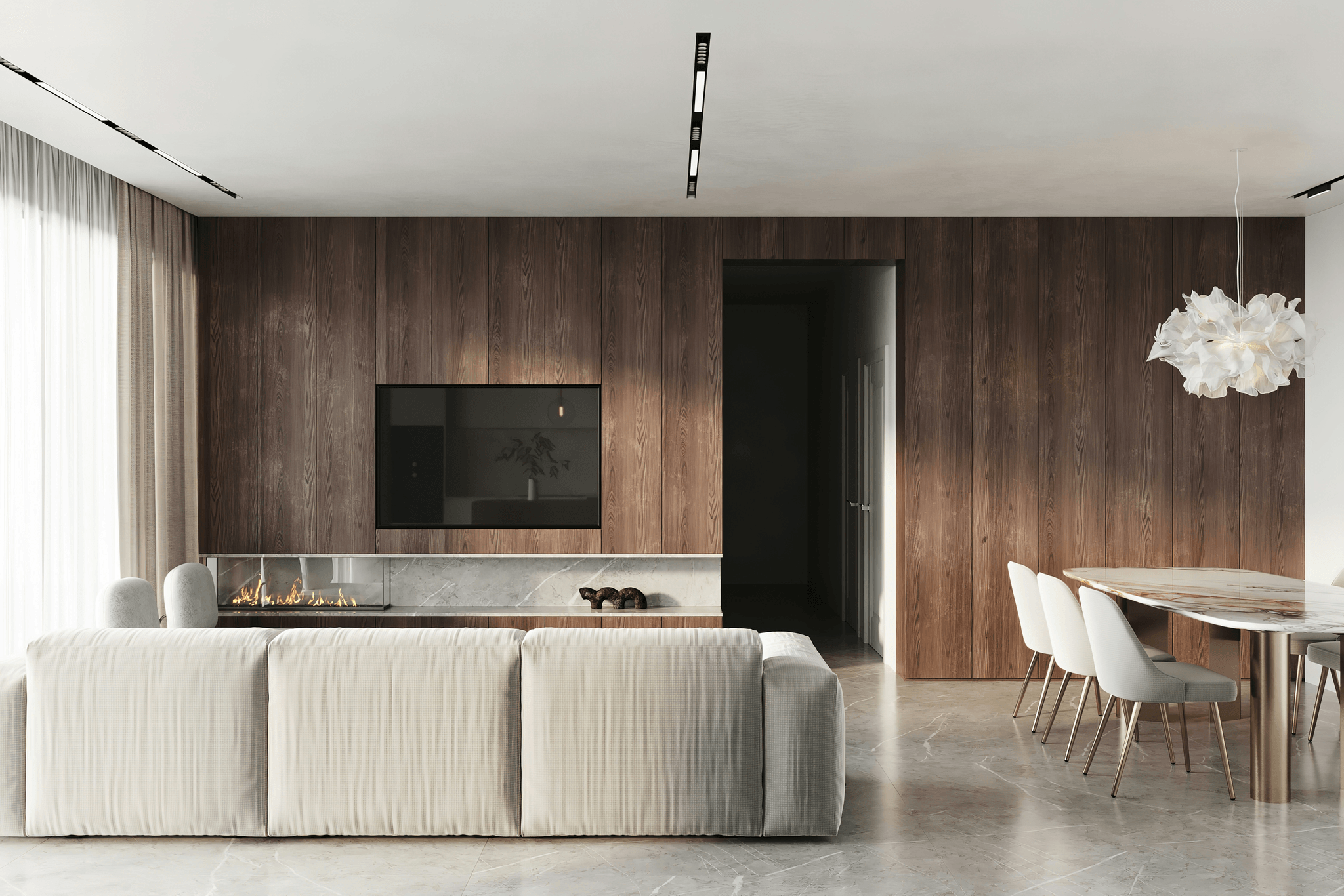
When it comes to durability, PVC wood wall panels stand out in the world of decorative panels on walls. These innovative wall panels are engineered to withstand various environmental challenges while maintaining their aesthetic appeal. With their unique composition, wpc wall panels offer a robust solution for interior spaces that require both style and resilience.
Resistance to Environmental Elements
One of the most impressive features of PVC wood wall panels is their resistance to environmental elements. Unlike traditional wood, which can warp, crack, or swell when exposed to moisture or humidity, wpc decorative panels are designed to resist such damage effectively. This makes them ideal for areas prone to moisture, such as bathrooms or kitchens, where decorative wall panels need to withstand daily wear and tear without losing their charm.
Additionally, these wall panels are resistant to fading from UV exposure and can handle temperature fluctuations without compromising structural integrity. Whether it’s a sunny living room or a cozy basement nook, you can trust that your wpc on wall will maintain its vibrant look over time. This durability ensures that your investment in decorative panels on walls pays off in the long run.
Longevity Compared to Other Options
When comparing longevity among various materials used for interior design, PVC wood wall panels truly shine. While traditional wood may require frequent refinishing or replacement due to wear and tear, wpc wall panel options provide a much longer lifespan with minimal upkeep. Many homeowners find that these durable options last significantly longer than conventional materials while still delivering the same warmth and beauty associated with natural wood.
Moreover, the longevity of these decorative wall panels means less waste over time—a win for both your wallet and the environment! Investing in high-quality wpc decorative panels not only enhances your space but also contributes positively toward sustainable living practices by reducing material consumption in home renovations.
Maintenance and Care Tips
Caring for your PVC wood wall panels is as easy as pie! Unlike traditional wooden surfaces that may require special cleaners or treatments, maintenance for wpc on walls is straightforward; a simple wipe down with a damp cloth is usually all that's needed to keep them looking fresh and clean. For deeper cleans or tougher stains, mild soap mixed with water does wonders without damaging the surface.
To further ensure their longevity and maintain their aesthetic appeal over time, avoid using harsh chemicals or abrasive cleaners that could scratch the surface of your decorative paneling. Regularly checking for any loose edges or seams can also help prevent issues before they arise—keeping those beautiful wpc decorative panels looking pristine year after year!
Eco-Friendly Innovations in WPC

As the world becomes increasingly conscious of sustainability, WPC wall panels emerge as a champion of eco-friendly design. These innovative materials are made from a blend of wood fibers and recycled plastics, creating a product that not only looks great but also minimizes environmental impact. By choosing WPC decorative panels, homeowners and designers alike can embrace style without compromising their commitment to the planet.
Sustainability of WPC Materials
WPC wall panels are crafted using sustainable practices that prioritize both resource efficiency and waste reduction. The combination of recycled plastics with responsibly sourced wood fibers means that these decorative wall panels are not only functional but also significantly reduce reliance on virgin materials. Moreover, this sustainable approach helps conserve forests while offering durable solutions for interior design.
In contrast to conventional materials, which often require intensive harvesting processes, PVC wood wall panels embody a commitment to ecological balance. They utilize waste byproducts from other industries, transforming potential landfill material into beautiful and functional products for your home. This circular economy model is essential in promoting sustainability within the construction and design sectors.
Comparison with Traditional Wood
When comparing WPC wall panels to traditional wood options, the advantages become clear quickly. Traditional wooden products often necessitate extensive logging practices that can lead to deforestation and habitat loss; meanwhile, WPC options provide an eco-friendlier alternative without sacrificing aesthetic appeal or functionality. Notably, PVC wood wall panels offer greater resistance to moisture and pests than their natural counterparts, making them a more durable choice for various environments.
Additionally, while traditional wood requires regular maintenance like staining or sealing to prolong its life span, decorative wall panels made from WPC demand far less upkeep—saving time and resources over the long term. This ease of maintenance contributes further to their sustainability appeal as homeowners can enjoy beautiful interiors without constant worry about wear and tear on their walls. Clearly, opting for WPC decorative panels is an environmentally responsible decision that pays off in numerous ways.
Role in Reducing Carbon Footprint
The production process behind WPC wall panels plays a vital role in reducing overall carbon emissions associated with building materials. By utilizing recycled plastics alongside sustainably sourced timber fibers, these innovative panels contribute significantly less greenhouse gas emissions compared to traditional lumber products throughout their lifecycle—from production through disposal or recycling.
Moreover, because PVC wood wall panels are designed for longevity and resilience against wear-and-tear factors such as moisture or UV exposure, they reduce the need for frequent replacements—further minimizing environmental impact over time. By choosing these decorative wall panels over conventional options, consumers actively participate in reducing their carbon footprint while enhancing the beauty of their spaces.
In summary, making informed choices about interior design materials like wpc on walls not only elevates aesthetics but also supports broader ecological goals—a win-win scenario!
Installation and Design Flexibility

WPC wall panels are not only aesthetically pleasing but also offer remarkable flexibility in installation and design. The straightforward installation process allows homeowners and professionals alike to quickly transform spaces without the need for specialized tools or extensive labor. This ease of use makes WPC decorative panels a popular choice for both DIY enthusiasts and interior designers looking to create stunning environments.
Easy Installation Process
One of the standout features of WPC wall panels is their user-friendly installation process. Unlike traditional wall coverings that often require complex techniques, these PVC wood wall panels can be easily cut, shaped, and secured in place with minimal effort. Many manufacturers even provide detailed guidelines or pre-made kits, ensuring that anyone can achieve a polished look without breaking a sweat.
Adaptability to Various Design Styles
The versatility of decorative wall panels allows them to seamlessly fit into an array of design styles, from modern minimalism to rustic charm. Whether you’re aiming for a sleek contemporary vibe or a cozy farmhouse aesthetic, WPC on wall designs can cater to your vision beautifully. With an extensive range of colors, textures, and finishes available, these decorative panels on walls can truly enhance any interior space.
Integrating WPC with Other Materials
WPC decorative panels shine when it comes to integration with other materials in your home décor scheme. They pair beautifully with elements like metal accents or natural stone finishes, creating dynamic contrasts that elevate the overall aesthetic appeal. This ability to harmoniously blend with various materials not only enhances visual interest but also opens up endless possibilities for creativity in your interior design projects.
Conclusion
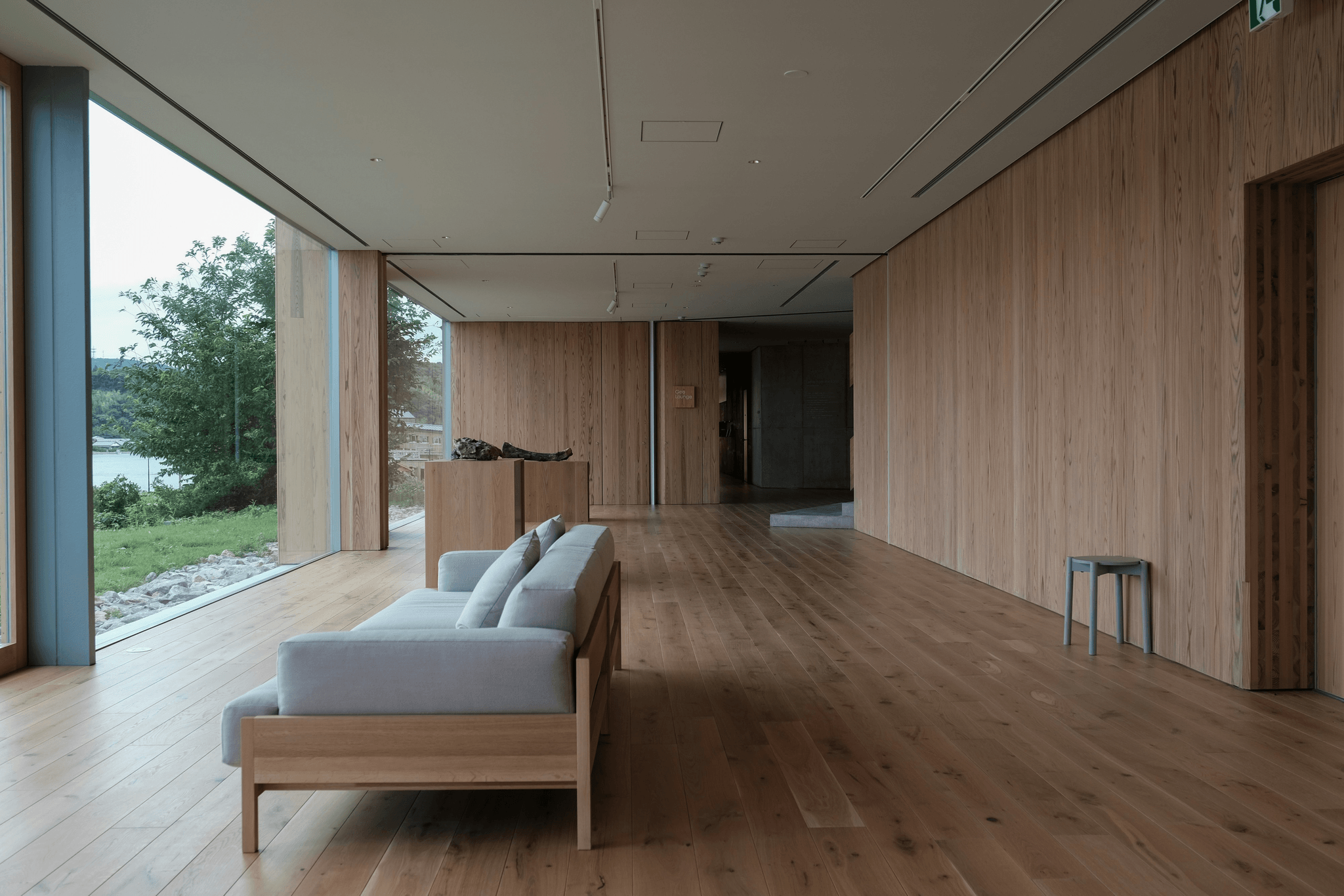
In the ever-evolving world of interior design, WPC wall panels have emerged as a game-changer, elevating spaces with their unique blend of aesthetics and functionality. These decorative wall panels not only enhance the visual appeal of a room but also introduce an element of sophistication that can transform any interior into a stylish haven. With their versatility and innovative designs, WPC on wall applications are redefining how we think about decorating our living environments.
Elevating Interior Design with WPC
The aesthetic appeal of WPC decorative panels is undeniable; they offer a wide range of styles, colors, and textures that can complement various design themes. Whether you're aiming for a contemporary look or something more rustic, these PVC wood wall panels seamlessly adapt to your vision. By incorporating decorative wall panels into your interiors, you create spaces that are not just functional but also visually stunning.
Cost-Effectiveness in the Long Run
Investing in WPC wall panels is not just about immediate beauty; it's also about long-term savings. Unlike traditional materials that may require frequent maintenance or replacement, PVC wood wall panels boast durability and resistance to wear and tear. This means lower upkeep costs over time, making them a smart choice for budget-conscious homeowners looking to elevate their interiors without breaking the bank.
Future of Decorative Panels on Walls
As we look ahead, the future of decorative panels on walls appears bright with innovations in sustainable materials like WPC. The growing emphasis on eco-friendly design choices ensures that these versatile wall panels will remain relevant in modern architecture and interior design trends. With continued advancements in technology and design possibilities, we can expect even more exciting developments for WPC decorative panels that will keep our spaces fresh and stylish for years to come.