
The Names Sound Similar, the Feel Is Different
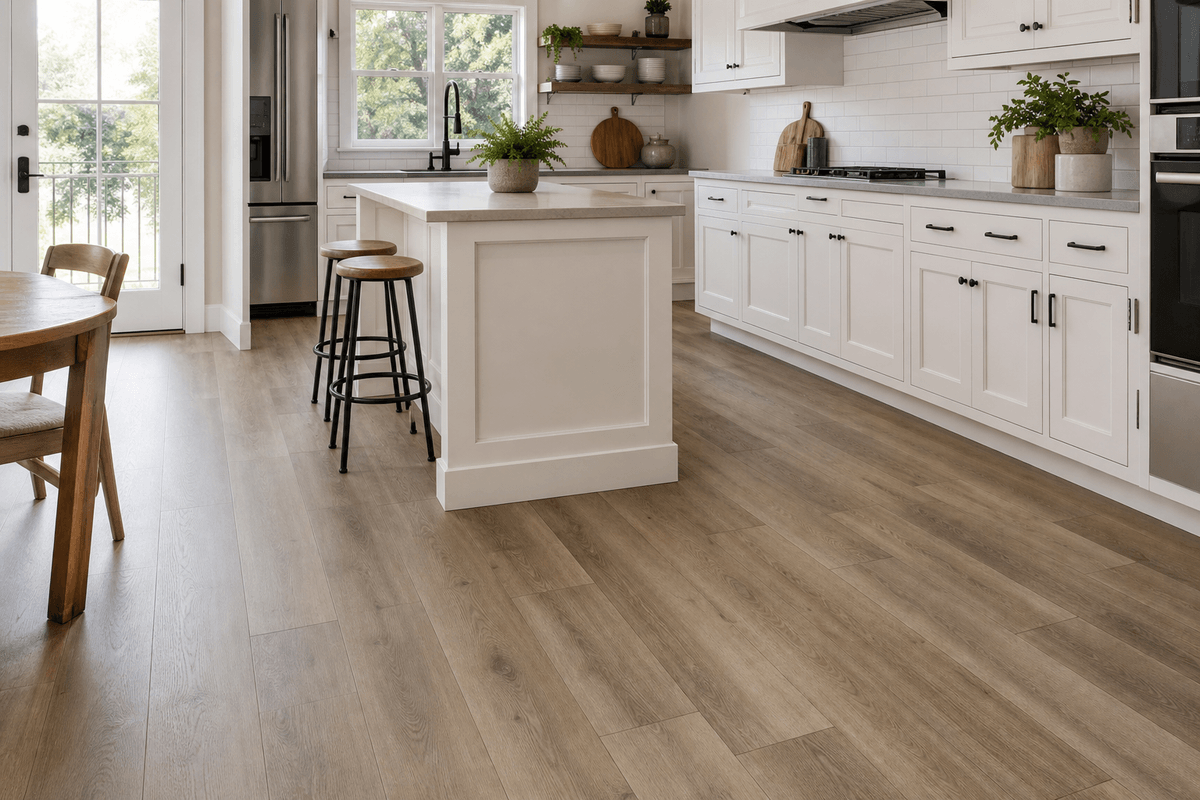
WPC vs SPC is a common flooring comparison because both categories are often sold as rigid or waterproof-style floor products. WPC usually refers to a wood plastic composite core, while SPC usually refers to a stone plastic composite core. The difference is not just a letter. It affects density, underfoot feel, rigidity, and how the floor responds to imperfect subfloors.
Composite Deck Pro focuses heavily on outdoor and composite surfaces, so it helps to understand the broader WPC material family through the decking and flooring options, wood plastic composite decking guide, waterproof composite decking guide, low-maintenance decking overview, and Composite Deck Pro. For interior flooring, always follow the specific product's installation and warranty instructions.
WPC Usually Feels Softer Underfoot
WPC flooring often has a slightly thicker, more resilient core than SPC. That can make it feel warmer and quieter underfoot, especially in living rooms, bedrooms, and residential spaces where comfort matters. It may also be more forgiving over minor subfloor texture, though it still needs a properly prepared base.
The tradeoff is that WPC may be less dense than SPC. Heavy point loads, rolling traffic, and demanding commercial settings require careful product selection. Do not assume every WPC product behaves the same simply because the category name is familiar.
- Consider WPC when comfort and sound feel are high priorities.
- Consider SPC when rigidity and dent resistance are more important.
- Check product thickness, wear layer, underlayment, and installation method.
- Prepare the subfloor even if the product is marketed as forgiving.
- Use manufacturer limits for moisture, temperature, and rolling loads.
SPC Is Often Denser and More Rigid
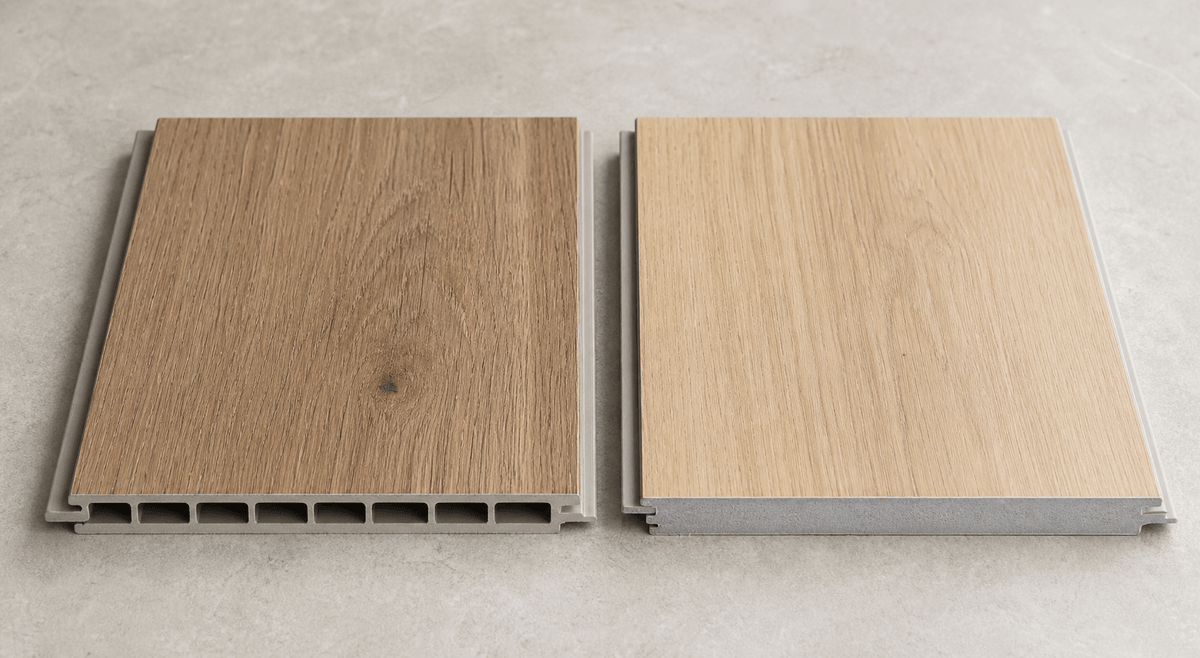
SPC flooring typically has a denser stone-based core, which can make it feel firmer and more rigid. That rigidity can help in high-traffic areas, kitchens, entryways, and some light commercial applications. It can also make thin profiles possible while still feeling stable.
Firmness is not always better. A very rigid plank can transmit more sound or feel less cushioned underfoot. On uneven subfloors, rigid flooring may bridge some small irregularities but expose others through clicking stress or hollow sounds if preparation is poor.
Moisture Resistance Is Not the Whole Story
Both WPC and SPC products are often promoted for water resistance, but flooring performance also depends on seams, perimeter details, subfloor moisture, expansion space, and installation conditions. A waterproof core does not mean water trapped below the floor is harmless.
This is similar to the way outdoor composite decking is discussed in the waterproof composite decking guide. The material can handle moisture better than some alternatives, but the system still needs drainage, cleaning access, and correct installation. Interior flooring follows the same logic in a different setting.
Use Case Should Decide the Category
For a quiet residential room, WPC may feel more comfortable. For a busy entry or small commercial space, SPC may provide the firmer feel an owner wants. For basements, kitchens, rental units, and shops, the decision should include subfloor condition, moisture management, sound, furniture loads, and cleaning habits.
Color and surface texture matter too. Wood-look visuals can hide some dust and scratches, while very flat dark tones may show footprints or debris. The design thinking in the composite decking color guide article still applies: samples need to be tested in the actual light where the floor will be used.
Do Not Buy the Acronym Alone
A good WPC product can outperform a weak SPC product, and a good SPC product can outperform a weak WPC product. Compare the full specification: wear layer, locking system, core thickness, attached pad, surface texture, product rating, and installation limits. Acronyms start the conversation; they should not finish it.
If you are comparing indoor flooring with outdoor composite surfaces, contact Composite Deck Pro for help keeping material expectations clear. WPC, SPC, deck boards, and cladding all solve different problems, even when the product names overlap.
Pick the Floor by How It Will Be Used
WPC vs SPC is less about which material is universally better and more about where each material fits. WPC often leans toward comfort and sound. SPC often leans toward density and rigidity. Match those strengths to the room, the subfloor, and the maintenance routine, and the decision becomes much easier.