
The Phrase Covers Several Different Materials
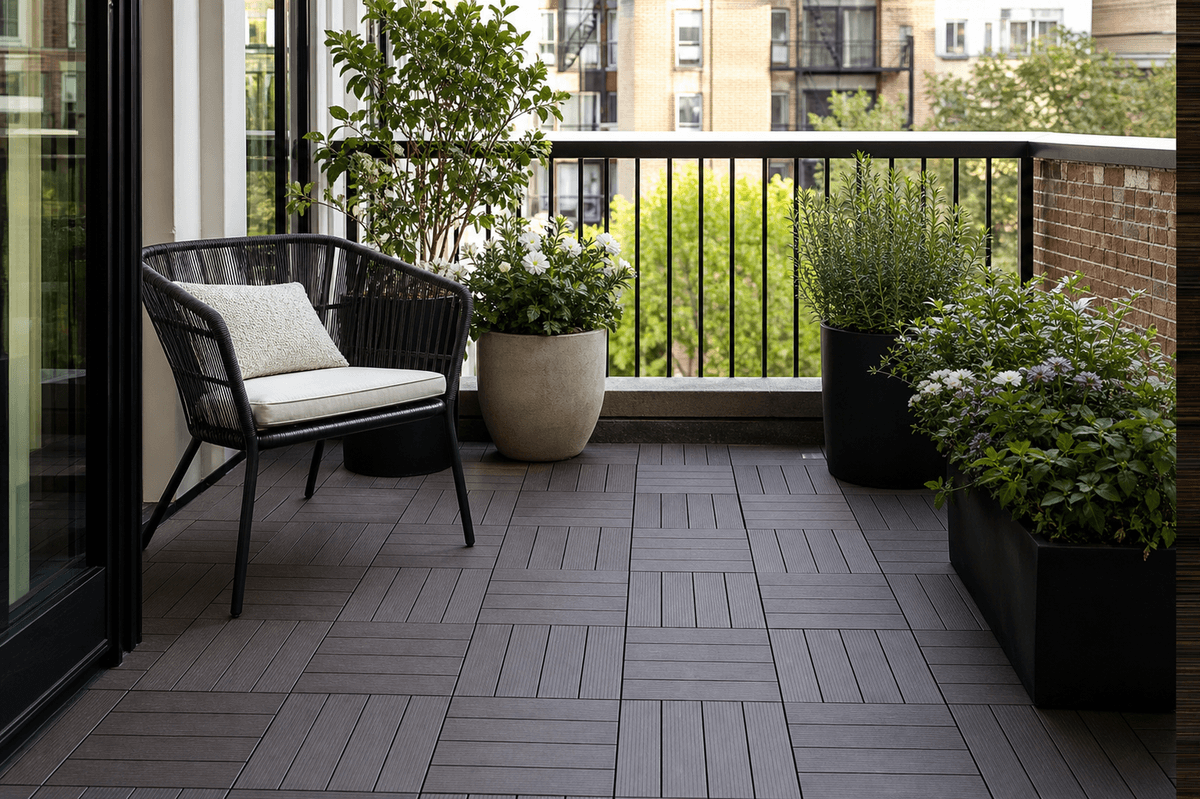
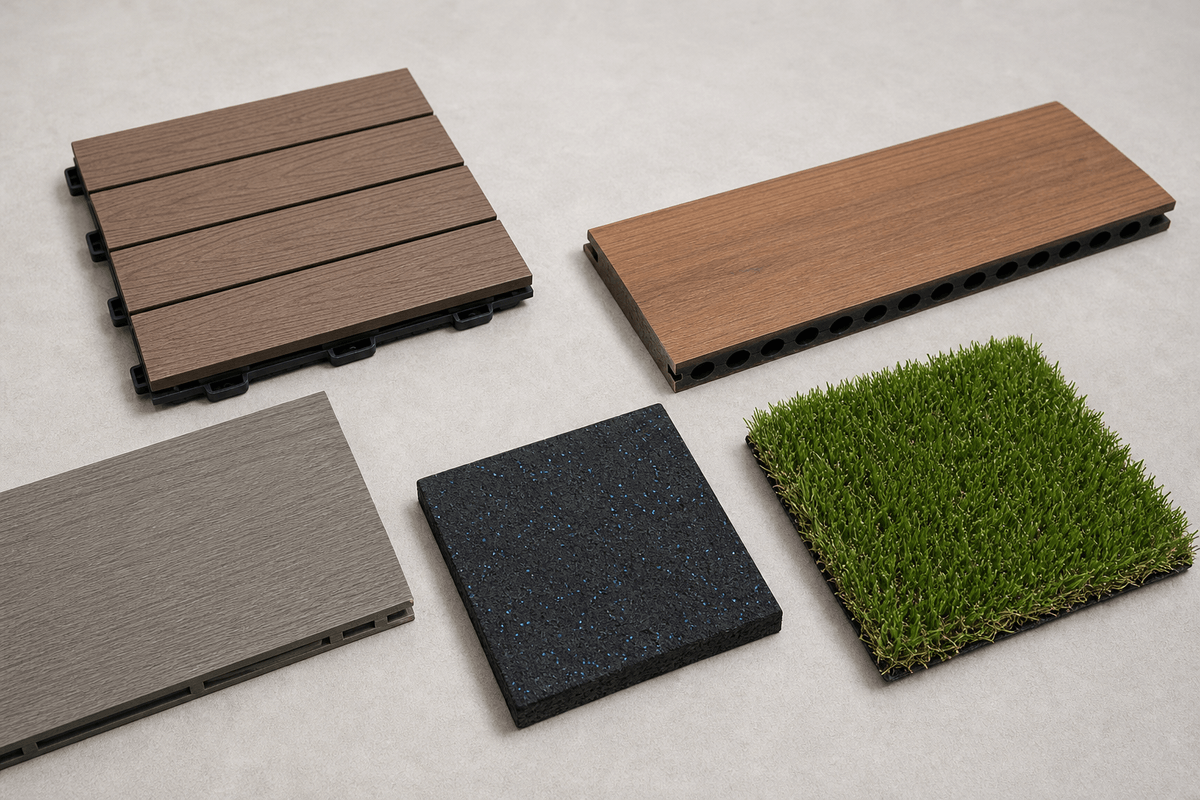
Artificial flooring is a broad phrase, so the first job is to define the space. It might refer to synthetic turf, composite deck tiles, WPC flooring, SPC flooring, vinyl plank, rubber tiles, or other manufactured surfaces. The best option depends on whether the floor is indoors, outdoors, wet, shaded, temporary, or permanent.
For Composite Deck Pro readers, the useful overlap is in manufactured surfaces that reduce some maintenance compared with natural materials. The decking and flooring options, wood plastic composite decking guide, waterproof composite decking guide, slip-resistant composite decking guide, and low-maintenance decking overview help separate outdoor composite surfaces from interior flooring categories.
Start With the Environment
A balcony floor needs drainage and threshold clearance. A laundry room needs moisture control and easy cleaning. A play area may need softness. A patio needs UV resistance and stable support. A retail floor needs durability and code-appropriate performance. The environment should narrow the material before style enters the conversation.
Artificial flooring is not automatically easier just because it is manufactured. Some products need flat substrates. Some need adhesive. Some can trap water. Some are temporary surface covers rather than structural flooring. A clear use case prevents disappointment.
- Use outdoor-rated products for sun, rain, and temperature changes.
- Check drainage before covering concrete, balconies, or patios.
- Confirm slip behavior in areas that may get wet.
- Match the cleaning routine to the product surface.
- Avoid using temporary surface products to hide structural problems.
Outdoor Artificial Flooring Needs Drainage
Outdoor manufactured flooring should let water move away. Composite deck tiles, WPC deck boards, and balcony surface systems all depend on the base below them. Covering a surface that already holds water can make maintenance harder and may hide problems that should remain visible.
The waterproof composite decking guide and composite decking layout article articles are useful reminders: water resistance is not a substitute for drainage. Whether the product is a tile, board, or panel, the system needs space to dry and a route for debris to be cleaned out.
Indoor Choices Depend on Comfort and Traffic
Indoors, artificial flooring often means resilient plank, WPC, SPC, laminate, rubber, or specialty surfaces. Comfort, sound, subfloor condition, rolling loads, and cleaning chemicals become major factors. A floor that works in a bedroom may not work in a commercial entry or workshop.
Artificial wood-look products can be convincing, but the surface still needs to suit the room. Matte texture can hide marks, medium tones can be forgiving, and edge details can decide whether the finished floor feels permanent or temporary.
Appearance Should Not Overrule Edges
Many artificial flooring projects look weakest at the edge: door thresholds, stair transitions, patio borders, balcony drains, or wall junctions. The main field may install quickly, but the perimeter decides whether the project looks planned.
Before buying, identify every edge. Measure doors, drains, posts, cabinets, railings, and steps. If the floor meets composite decking, fencing, or wall cladding, use the composite decking color guide and composite wall cladding article to coordinate surfaces without making the space feel too matched.
Cleaning Should Be Part of the Selection
Artificial flooring is often chosen for easy care, but every surface has limits. Some products dislike abrasive brushes. Some trap dust in texture. Some can stain from rubber mats, furniture feet, or oils. Some outdoor surfaces need periodic lifting or rinsing below the surface.
Review care guidance before purchase and keep the routine realistic. If the space will see pets, children, food, pool water, or heavy foot traffic, choose a surface that matches that life. The composite decking cleaning routine article offers a practical mindset for outdoor composite surfaces.
Storage and furniture should be part of that care plan too. Heavy planters, rubber feet, rolling chairs, and outdoor storage boxes can leave marks or trap moisture depending on the product. Ask how the floor will be used on an ordinary week, not only how it will look on installation day.
Choose the Product After You Define the Job
Artificial flooring can be a smart choice when the product is matched to the environment. Define the job first: outdoor drainage, indoor comfort, traffic, moisture, cleaning, edge detail, and appearance. Then choose the material category. If you are comparing manufactured deck, floor, or wall products for the same project, contact Composite Deck Pro with photos of the space.