
Exterior Walls Need More Than a Finish
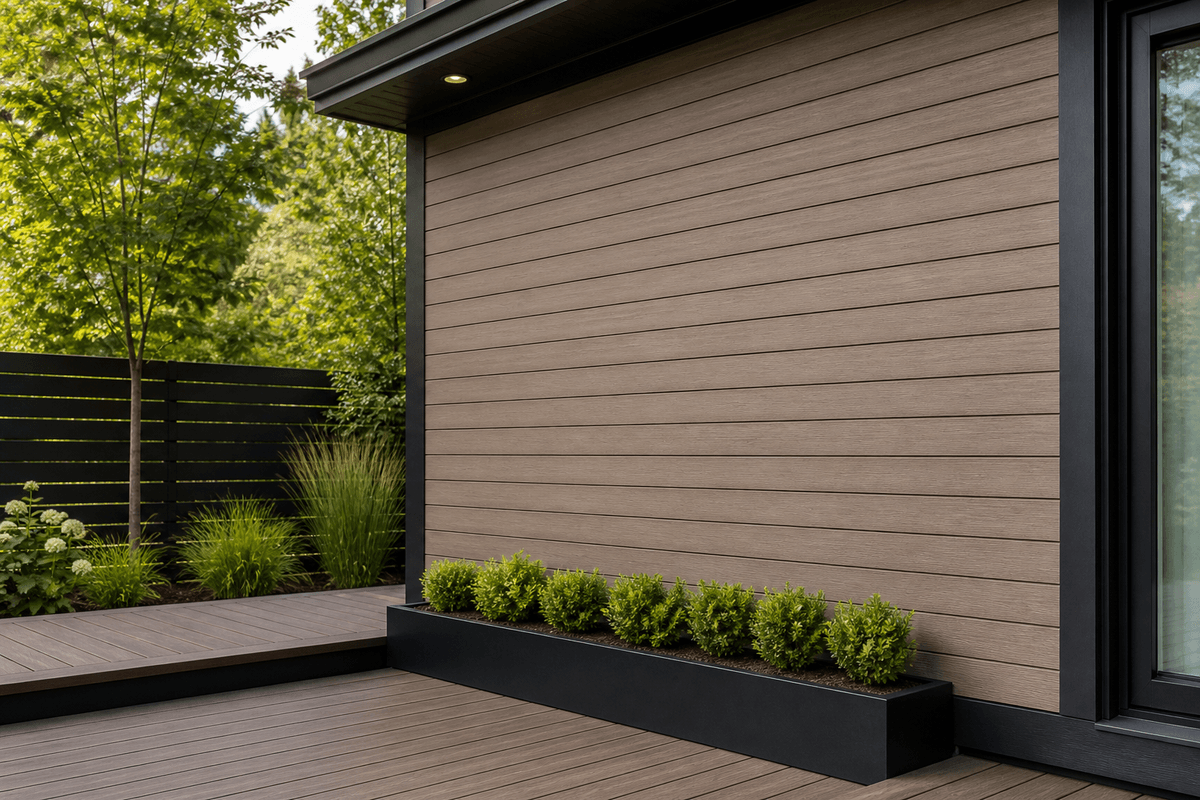
A cladding wall exterior project changes the face of a building or outdoor structure, but the visible board is only one part of the work. Exterior cladding must handle rain, sun, temperature movement, dirt, and the transitions around doors, windows, decks, and grade. A beautiful surface can still cause problems if the wall cannot drain and dry.
Composite and WPC materials can add texture and warmth, especially near decks and outdoor rooms. Use the composite wall cladding article, exterior WPC cladding guide, composite decking color guide, waterproof composite decking guide, and Composite Deck Pro as starting points for matching appearance with practical wall design.
Rain Control Comes First
Exterior cladding should be planned with water in mind. Rain hits the surface, wind pushes water into joints, and splashback can wet lower edges. The assembly needs flashing, clearances, drainage, and ventilation appropriate to the wall type. Without those details, cladding can trap the very moisture it is supposed to help manage.
This is especially important where the wall meets a deck, patio, roof, planter, or window. Those transitions are where water concentrates. A simple material swap should not ignore the building envelope behind it.
- Keep cladding clear of soil, mulch, and standing water.
- Plan flashing at windows, doors, top edges, and penetrations.
- Use compatible fasteners and trims for the chosen system.
- Leave ventilation or drainage gaps where the product requires them.
- Check local code, fire rules, and HOA requirements before installation.
Direction Changes the Architecture
Horizontal cladding can make a wall feel longer and calmer. Vertical cladding can make an entry or garden wall feel taller. Narrow boards or slats create shadow and rhythm; wider boards read cleaner and more contemporary. The same color can feel very different depending on direction and joint spacing.
Look at the whole exterior before choosing. If the deck boards already run horizontally, vertical cladding may create a useful contrast. If the house has many narrow lines, a wider cladding profile may calm the facade.
Color Should Work in Sun and Shade
Exterior cladding is usually seen in changing light. Morning shade, midday glare, rain, and evening warmth can all shift how the color reads. Dark cladding can sharpen a modern exterior but may show dust or heat movement more clearly. Warm brown tones can soften concrete or white walls, while gray-brown tones coordinate with black trim and stone.
Use sample boards outside and compare them with deck boards, siding, masonry, and railings. The composite decking color guide article was written for decking, but its sample-testing logic applies just as well to cladding walls.
Trim and Corners Decide Whether It Looks Professional
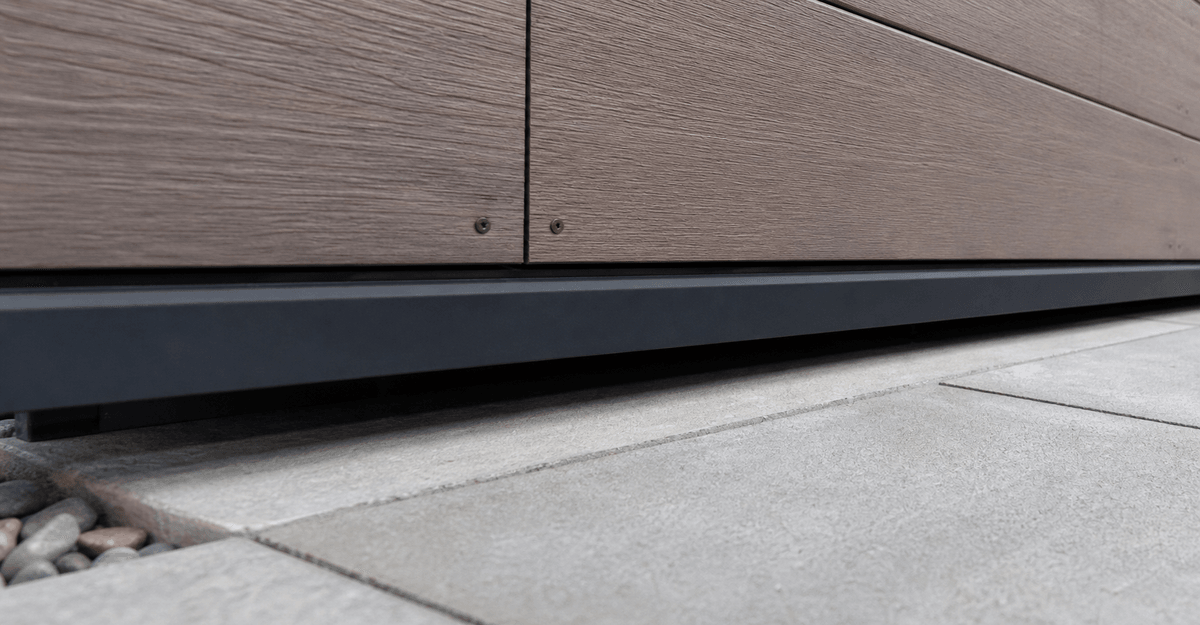
The field boards get attention, but corners, returns, window edges, and bottom trims decide the finished quality. Random cuts and exposed unfinished edges make cladding look temporary. Clean trims and planned transitions make the wall feel like part of the architecture.
Measure the accessories, not just square footage. Exterior cladding projects often require more planning at edges than in the flat field. If the wall connects visually with a deck or pergola, coordinate those details before ordering material.
Maintenance Access Should Stay Visible
Cladding walls need cleaning access, especially near grills, planters, soil, and shaded corners. Avoid details that trap leaves or block inspection at the bottom edge. Gentle rinsing and soft brushing are usually more realistic than aggressive cleaning.
The composite decking cleaning routine and low-maintenance decking overview articles provide a useful low-drama care mindset. Exterior walls collect less foot traffic than decks, but they still live outdoors. Plan for ordinary dirt instead of pretending the wall will remain untouched.
Access is especially important at the first few feet above grade, where rain splash and garden debris are most common. Keep planting beds, furniture, and storage pieces far enough away that the lower edge can be inspected and rinsed. A cladding wall that cannot be reached cannot be maintained well.
The Best Wall Detail Is Quietly Buildable
An exterior cladding wall should improve the building while respecting weather. Start with rain control, then choose direction, color, trim, fastening, and cleaning access. When those pieces are aligned, composite or WPC cladding can make an outdoor area feel more finished without turning the wall into a future problem.