
The Clip Is Small, but the Consequence Is Large

A search for composite decking clips Screwfix usually means the buyer is close to installation. The boards may already be chosen, the joists may be installed, and the missing piece looks simple: a box of clips and screws. That is exactly the moment when compatibility matters most. A clip that almost fits can still create uneven gaps, noisy boards, weak hold-down, or installation frustration.
Hidden fasteners work as part of a system. The clip profile, board groove, screw type, joist material, expansion gap, and layout all interact. Before buying clips from any retailer, compare the fastener details with the board manufacturer's instructions and the deck design.
Start With the Board Groove
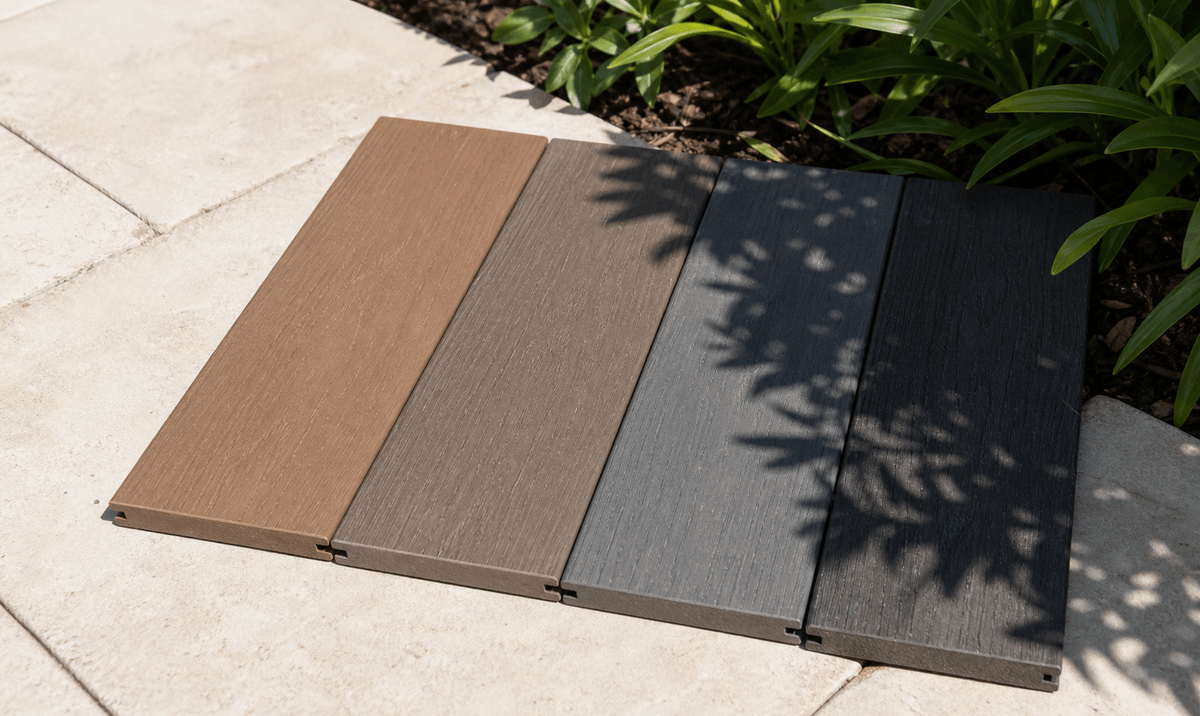
Composite deck clips are often designed for grooved-edge boards, but not every groove has the same shape, depth, or sidewall thickness. Some clips sit neatly inside a specific channel. Others may pinch, sit too loose, or force the board spacing wider than planned. If the clip does not match the groove, the problem may not be obvious until several rows have already been installed.
The composite deck board guide, composite decking layout article, wood plastic composite decking guide, decking and flooring options, and contact Composite Deck Pro are useful checkpoints because they keep the fastener decision tied to the board system instead of treating clips as generic hardware. Ask for clip compatibility before mixing board brands and fastener packs.
- Confirm the clip matches the board groove profile and thickness.
- Check whether the screw is designed for timber, composite, or metal joists.
- Use starter clips and finish details where the first and last boards need them.
- Follow spacing guidance for heat, moisture, and board movement.
- Buy extra clips for cuts, stairs, borders, and mistakes.
Joist Material Changes the Screw
Many clip packs include screws, but the included screw may not suit every substructure. Timber joists, composite sleepers, steel framing, and aluminum joists can require different screw tips, threads, coatings, or pilot-hole practices. A clip can be the right shape and still fail if the screw cannot bite correctly or corrodes in the environment.
This is especially important near pools, coastal air, and wet areas. Fasteners live in a harsher environment than most homeowners realize. They are exposed to moisture, temperature swings, trapped debris, and repeated board movement. A low-cost fastener choice can become expensive if it leads to loose boards or difficult repairs.
If the deck uses metal framing, do not assume a timber screw will work just because it came with the clips. If the deck uses pressure-treated timber, check coating compatibility. If the project uses a pedestal or sleeper system, confirm whether the clip screw length is safe for the support below.
Retail Convenience Should Not Replace Layout Planning
Retailers make it easy to buy clips quickly, but the deck layout determines how many clips are needed. Straight field boards are simple. Picture frames, breaker boards, diagonal layouts, stairs, fascia returns, and access panels are not. If you count only the main board rows, the project may run short before the most visible areas are finished.
Plan clip quantities after the deck pattern is set. Add starter clips, edge fasteners, spare screws, and hidden fastener tools if required. The low-maintenance decking overview and composite decking cleaning routine articles also matter because clips influence board gaps, and board gaps influence how easily debris can be cleared from the deck.
A small mock-up can prevent a large installation headache. Test two short offcuts, the actual clip, the actual screw, and the planned joist material before the full deck begins. That quick check reveals whether the gap looks right, the screw seats cleanly, and the board edge stays undamaged.
Do Not Mix Systems Without Asking
Some composite board warranties or installation recommendations may depend on approved fasteners. That does not mean every third-party clip is wrong, but it does mean the buyer should check before installation. If a clip changes the gap, restricts movement, damages the groove, or uses the wrong screw, the deck surface may not perform as intended.
When in doubt, send the board profile, joist type, and layout to the supplier before buying fasteners. This is not overthinking. Hidden clips are buried under the finished deck. Once boards are installed, correcting a fastener mistake can mean removing several rows.
A Better Clip Purchase Starts With Specifics
Buying decking clips is not just a cart decision. It is a compatibility decision. Match the clip to the board groove, match the screw to the joist, count the layout honestly, and keep starter and edge details in mind. A small fastener pack can make the finished deck look clean, but only when it belongs to the deck system being built.