
A Location Search Usually Means Practical Concerns
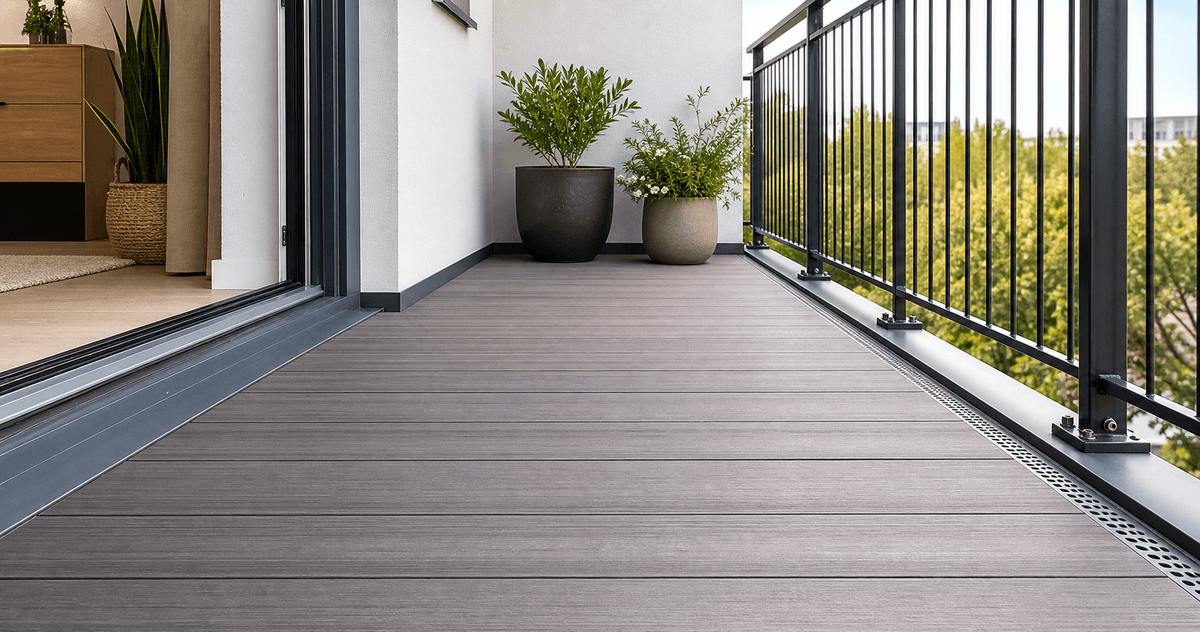
When someone searches composite decking Sydney, the keyword is not only about geography. It usually points to a set of practical concerns: strong sun, outdoor entertaining, rain, shaded side yards, pool areas, coastal air, and a desire for a deck that does not need constant sanding or staining. Those concerns are useful even if the final supplier or installer is chosen locally.
Composite Deck Pro should not be treated as a local Sydney installer unless that is confirmed by the company. Instead, this article uses the keyword as a buyer-planning lens. The same questions help homeowners compare boards, colors, fasteners, and maintenance expectations before committing to any composite decking system.
Heat and Color Belong in the First Conversation
Sunny decks can feel very different from shaded showroom samples. Darker boards often look elegant beside modern architecture, but they can also feel hotter under bare feet. Lighter browns, weathered grays, and mid-tone colors may be easier to live with around pools, patios, and outdoor dining areas. The right color is not just a style decision; it affects comfort.
If the deck is visible from indoor living spaces, view samples from inside as well as outside. A color that looks perfect against garden soil may feel too strong against pale interior flooring or exterior walls. Use the composite decking color guide, composite deck board guide, decking and flooring options, slip-resistant composite decking guide, and Composite Deck Pro to compare color, texture, and surface expectations as one decision.
- Test samples in full sun, shade, and late afternoon light.
- Ask how the surface texture feels when wet around pools or garden paths.
- Coordinate deck color with fencing, wall cladding, window frames, and planting.
- Check board expansion guidance before planning tight border details.
- Keep cleaning access clear around planting beds, stairs, and sliding doors.
Rain and Shade Shape the Maintenance Plan
A deck in a leafy or shaded yard faces different maintenance than a dry, open deck. Leaves, pollen, soil, and standing moisture can make any outdoor surface look tired. Composite decking can reduce the finish cycle associated with timber, but it still needs routine cleaning and good drainage.
The composite decking cleaning routine and low-maintenance decking overview guides are especially relevant in yards where trees hang over the deck or where irrigation hits the same boards repeatedly. A simple routine of sweeping, rinsing, and clearing gaps can preserve the look of the surface more effectively than waiting for a major annual clean.
Drainage details should be reviewed before boards are selected. Gaps, fall direction, subframe height, and access for cleaning all affect how quickly the deck dries after rain. In warm climates, a deck that dries quickly is often easier to keep comfortable, tidy, and ready for daily use.
Poolside and Entertaining Areas Need Texture
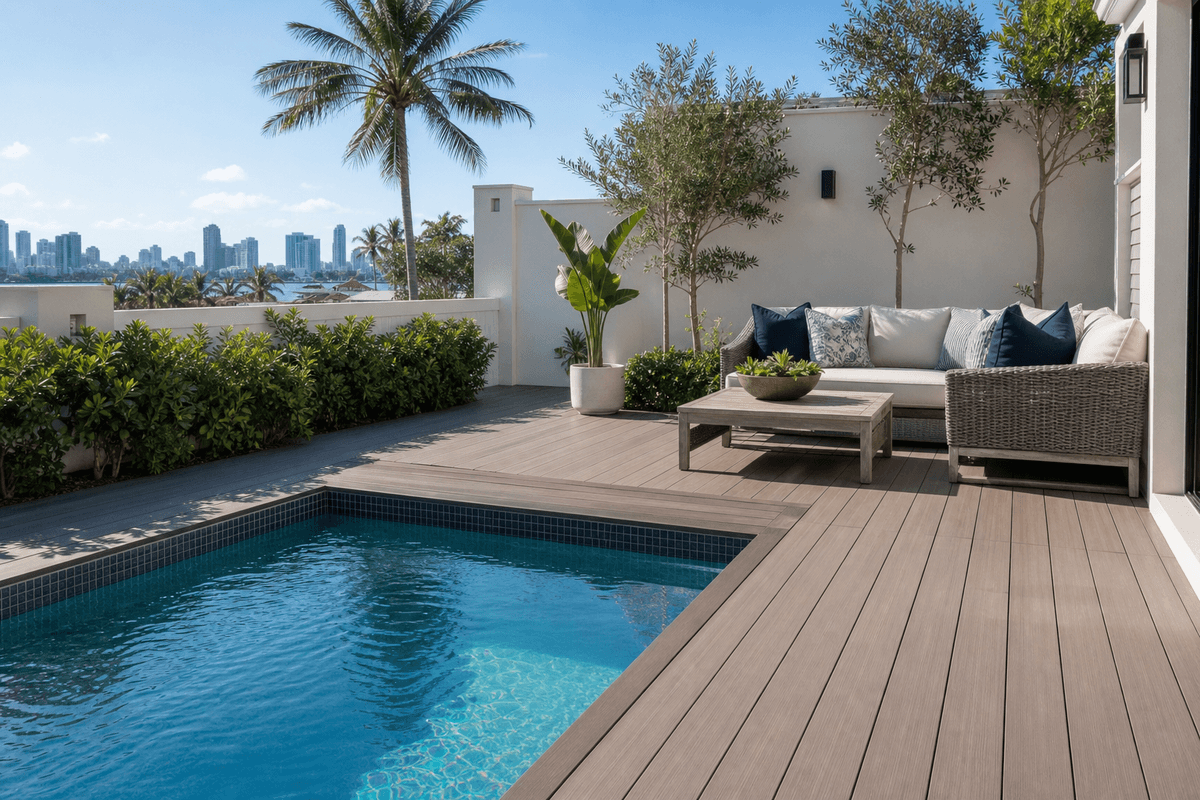
Many coastal city backyards revolve around pools, outdoor kitchens, and weekend entertaining. In those spaces, board texture matters. A very smooth surface may look refined but feel less reassuring when wet. A deeply embossed surface can add grip and visual depth, but it may collect more dirt if the deck is under trees or near a barbecue area.
The goal is balance. Ask for slip-resistance information, review installation guidance, and compare the surface with real use in mind. Bare feet, children, pets, wet towels, and outdoor furniture all interact with the boards differently than a small sample in a showroom.
Entertaining areas also need practical borders. A grill zone may need a heat-resistant mat. A pool edge may need a board direction that makes water movement and walking paths easy to understand. A dining area may benefit from a slightly wider clear zone around chairs so furniture legs do not constantly cross board edges.
Do Not Forget the Edges
A deck often succeeds or fails at its edges. Stairs, fascia, picture frames, pool coping, wall transitions, and door thresholds are where the design becomes real. In a compact urban yard, those edges may be visible from every angle. A simple field board layout can look much more expensive when borders, fascia, and transitions are planned early.
Use the composite decking layout article, waterproof composite decking guide, and contact Composite Deck Pro resources to think about those details before choosing a final board. Ask how boards are fastened, where expansion gaps go, how the deck drains, and whether the edge condition suits the house.
Use the Search to Build a Better Question List
A composite decking Sydney search can begin broadly, but the better next step is a sharper question list. What color stays comfortable in sun? How will the surface drain after rain? Which texture suits poolside traffic? How will the deck meet doors, walls, and steps? Once those questions are answered, the choice becomes less about a keyword and more about a deck that fits daily life.