
Introduction
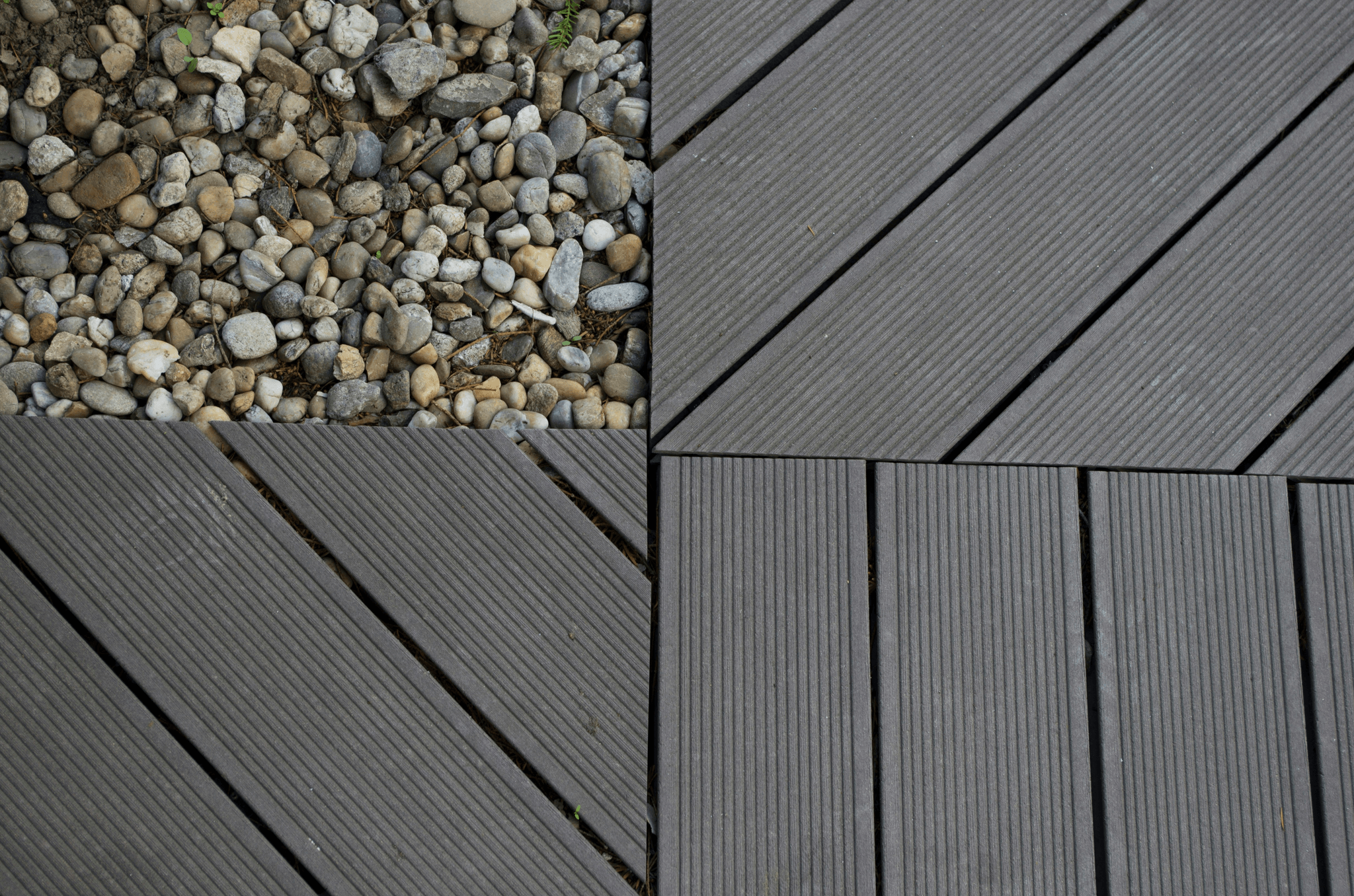
Choosing the right decking option can feel like navigating a maze, especially with so many choices available today. Whether you're leaning towards classic wood decks or the modern allure of composite decking, understanding your options is crucial. This guide will help you unravel the complexities of decking materials and their costs, ensuring you make an informed decision for your outdoor space.
Understanding Decking Options
From traditional pressure treated deck boards that have been a staple for years to innovative composite decking options that promise durability and low maintenance, knowing what’s available is half the battle. As you explore these choices, consider factors like aesthetics, longevity, and how much is decking boards in terms of initial investment.
Importance of Cost Comparison
Understanding the cost implications associated with different decking materials is vital for any homeowner or builder. Not only do you need to know how much is decking boards upfront, but it's also essential to consider long-term expenses like maintenance and potential deck replacement costs down the line. By comparing wood decking boards with composite options side by side, you can better evaluate which material offers more value over time.
Overview of Composite and Wood Decks
Composite decks are gaining popularity due to their resistance to weathering and pests compared to traditional wood decks. However, many still favor the natural look and feel of wood decking boards despite their higher maintenance requirements. In this guide, we will explore both composite decking and wood decks in detail—covering everything from initial costs to aesthetic appeal—to help you determine which option best suits your needs.
Initial Cost Analysis
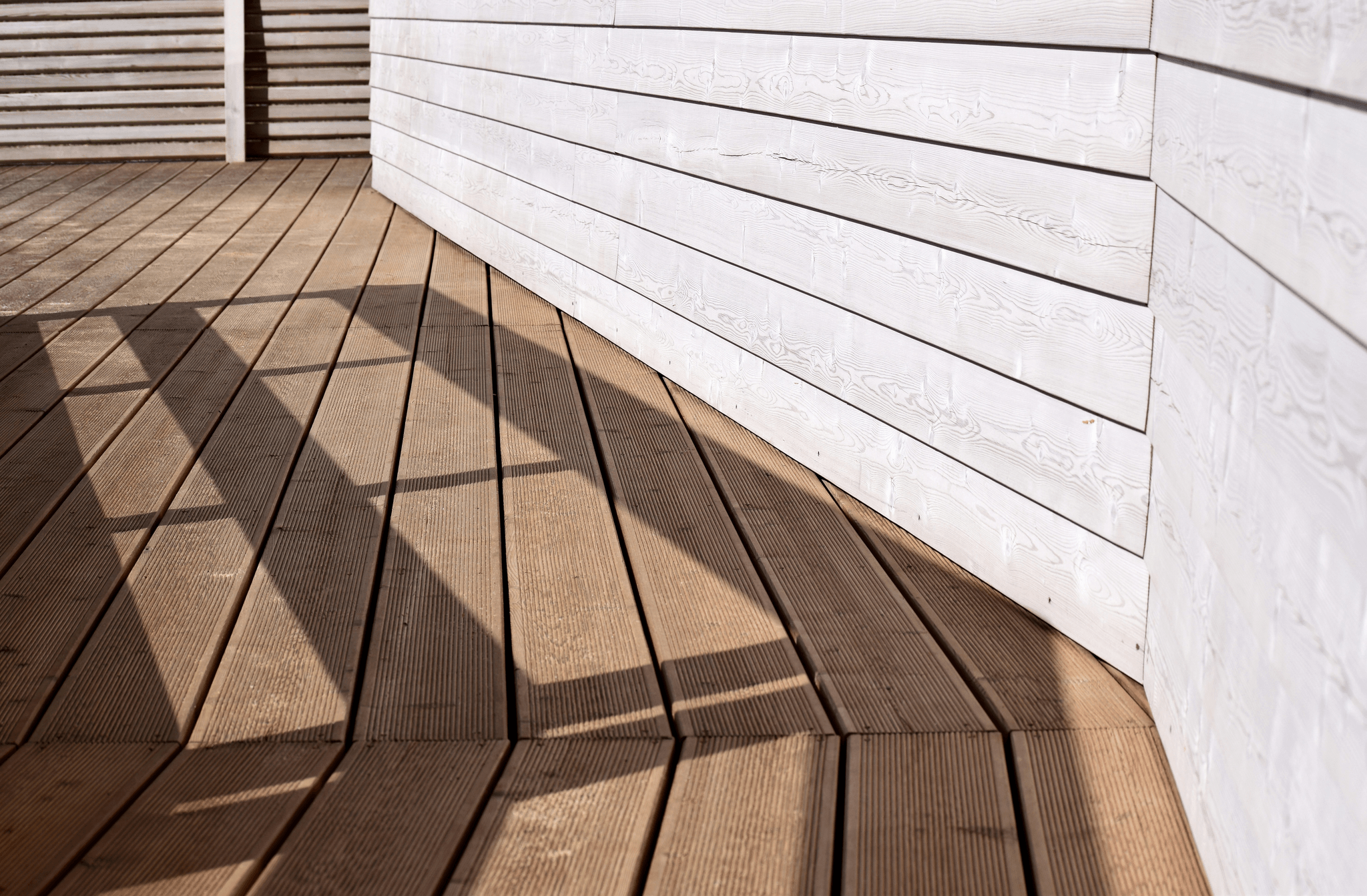
When considering a new outdoor space, one of the first questions that arises is, “how much is decking boards?” The cost can vary significantly depending on the material chosen, with options ranging from traditional wood decks to modern composite decking. Understanding these costs is crucial for making an informed decision about your deck investment.
How much is decking boards?
The price of deck boards can fluctuate widely based on the type of material you select. For instance, pressure treated deck boards are often the most budget-friendly option, typically costing between $2 to $5 per linear foot. On the other hand, composite decking tends to range from $4 to $10 per linear foot, reflecting its enhanced durability and low maintenance requirements.
Pricing for pressure treated deck boards
When diving into pricing for pressure treated deck boards, it's important to note that they are treated with chemicals to resist rot and insects, which adds value despite their lower initial cost. Typically, you might find these wood decking boards priced around $3 per square foot at local retailers or lumberyards. While they offer a more economical solution upfront, potential long-term maintenance costs should also be factored into your overall budget.
Comparing composite decking costs
Now let’s talk about comparing composite decking costs because it’s not just about what you pay initially; it’s about what you get in return over time. The cost of composite deck boards may be higher initially—often between $6 and $12 per square foot—but they come with significant advantages like reduced maintenance and greater longevity compared to wood decks. When calculating total expenses over the lifespan of your deck—including potential deck replacement—composite materials often prove to be a smarter investment.
Long-Term Investment
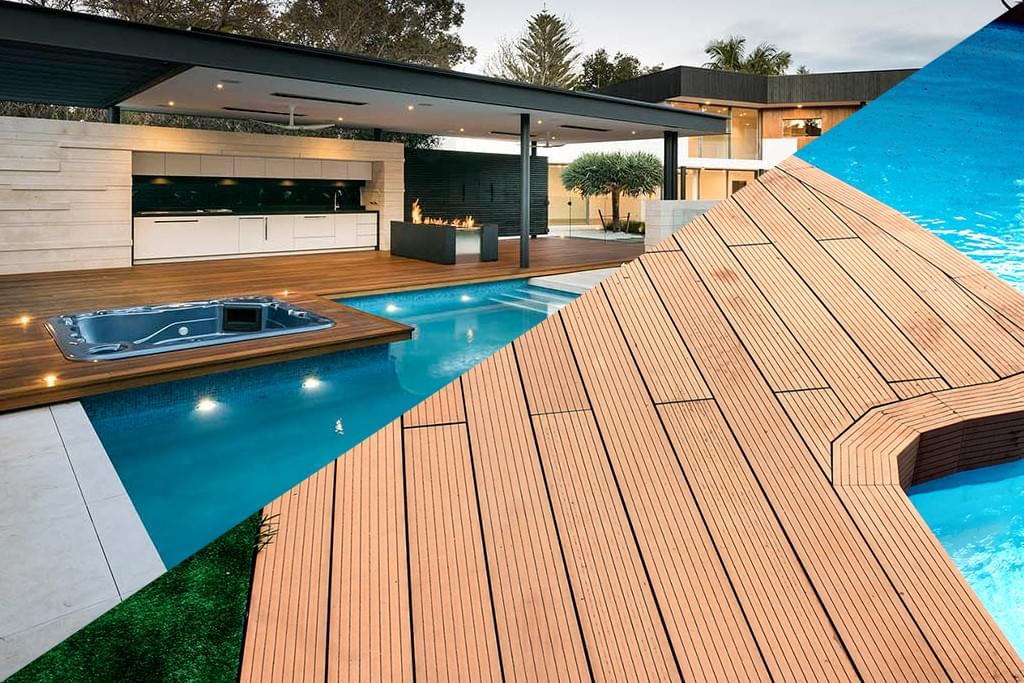
Maintenance costs of wood decking boards
Wood decking boards, particularly pressure treated deck boards, require regular maintenance to keep them looking fresh and prevent deterioration. This includes annual sealing, staining, and occasional repairs for warping or splintering—tasks that can add up quickly in both time and money. Over the years, these maintenance costs can exceed the initial price of the deck itself, making it crucial to factor them into your long-term investment calculations.
Lifespan comparison: composite vs. wood
When comparing lifespans between composite and wood decks, composite materials generally have a clear advantage. Composite decking typically lasts 25-30 years with minimal upkeep compared to wood decks that may only last 10-15 years before showing significant wear and tear. This longevity means that while the cost of composite deck boards may initially seem higher, they can ultimately save you money by reducing the frequency of deck replacement.
Cost implications of deck replacement
Deck replacement is not just a financial burden; it also disrupts outdoor activities and requires time for installation and adjustment to a new space. If you choose traditional wood decking boards, you may find yourself facing this expense sooner than expected due to their shorter lifespan compared to composite options. Thus, understanding how much is decking boards in terms of potential replacements is essential; investing in durable materials like composite can lead to fewer headaches—and expenses—down the line.
Aesthetic Appeal and Design

Visual differences between wood decks and composite
Wood decks exude warmth and charm, showcasing the natural grains and textures that make each board unique. However, they can fade over time due to sun exposure and weather conditions, requiring regular maintenance to keep them looking pristine. On the other hand, composite decking delivers consistent color and texture across its boards, resisting fading and wear while providing an array of styles that mimic the look of wood without the upkeep.
Unique features of Composite Decking Inc
Composite Decking Inc stands out not just for its quality materials but also for innovative features designed to enhance user experience. Many of their products are engineered with advanced technology that improves durability while offering slip resistance—perfect for those rainy days when safety is paramount. Additionally, their range includes eco-friendly options made from recycled materials, appealing to environmentally conscious consumers who want both style and sustainability in their deck boards.
Customization options for both materials
Customization is key when selecting deck boards; after all, your outdoor space should reflect your personal style! With wood decking boards, you have the freedom to stain or paint them in any color you desire; however, this often involves ongoing maintenance costs as finishes wear away over time. In contrast, composite decking offers various colors and textures right out of the box—no staining necessary—and many brands allow further customization through accessories like railing systems or integrated lighting.
Environmental Impact
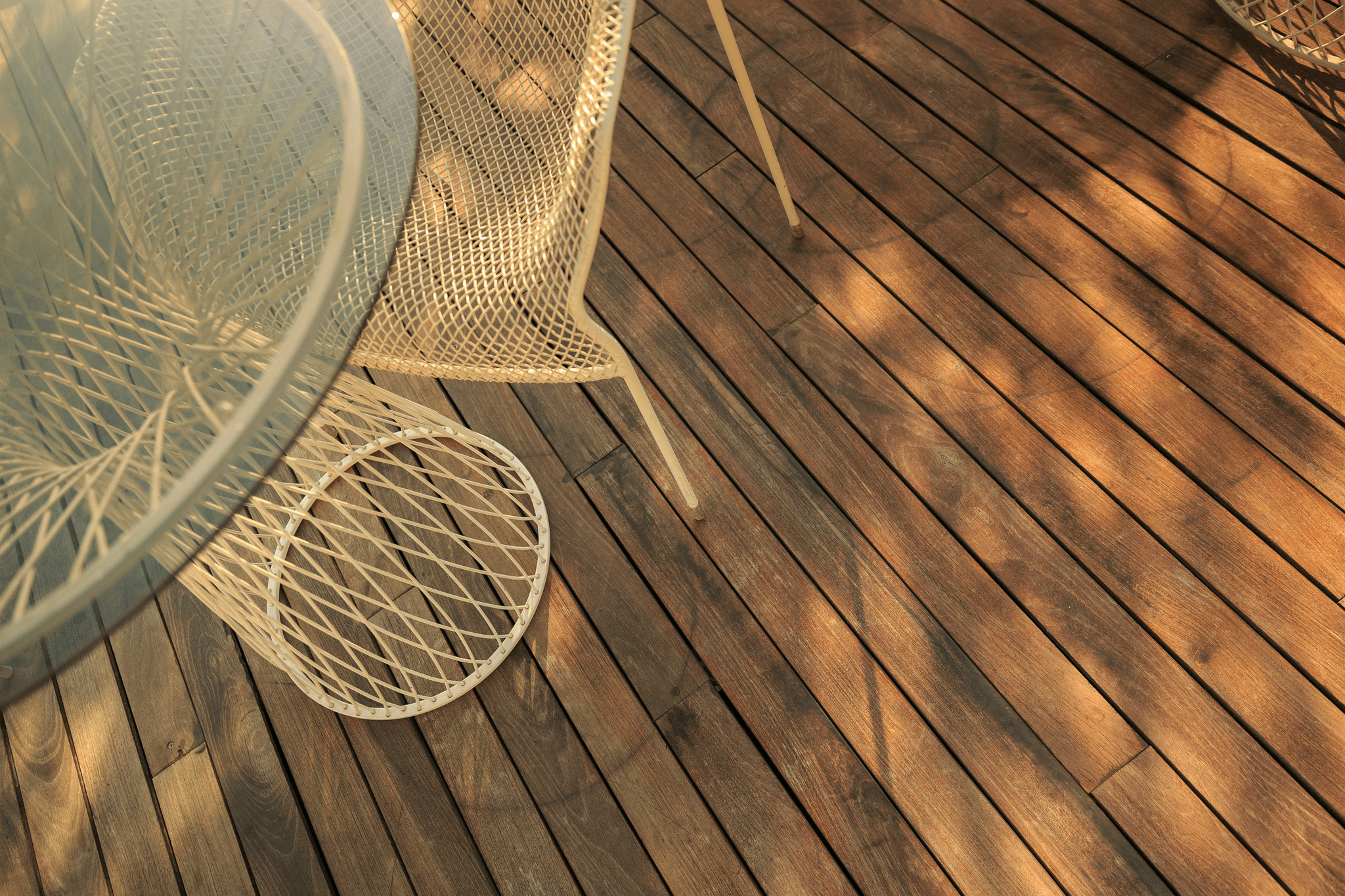
When considering decking options, the environmental impact is becoming increasingly important for homeowners. With a growing awareness of sustainability, many are asking, How much is decking boards? not just in terms of price but also in their ecological footprint. Composite decking has emerged as a popular alternative to traditional wood decks, offering both durability and environmental benefits.
Sustainability of composite decking
Composite decking is often made from recycled materials, such as plastic and wood fibers, which significantly reduces waste and energy consumption compared to new lumber production. This recycling process means that the cost of composite deck boards can be offset by their longevity and reduced maintenance needs over time. Additionally, since composite materials do not require the same chemical treatments as pressure treated deck boards, they contribute less harmful runoff into our ecosystems.
Impact of wood sourcing on ecosystems
The sourcing of wood for traditional wood decks can have devastating effects on forests and wildlife habitats if not done responsibly. Unsustainable logging practices lead to deforestation, loss of biodiversity, and disruption of local ecosystems—issues that are becoming increasingly urgent in today's climate crisis. By choosing composite decking instead of wood decking boards sourced from vulnerable areas, homeowners can make a more environmentally friendly choice that helps protect our planet's natural resources.
Benefits of eco-friendly composite materials
Eco-friendly composite materials provide numerous benefits beyond just sustainability; they also offer exceptional durability and low maintenance requirements compared to traditional wood decks. Homeowners can enjoy the aesthetic appeal without worrying about frequent deck replacement or costly repairs due to rot or insect damage common with wood decking boards. Moreover, by opting for eco-conscious products like these composites, consumers support industries focused on reducing environmental impact while enhancing their outdoor living spaces.
Installation Considerations
Whether you’re opting for wood decks or composite decking, each material presents its own set of challenges and requirements. Knowing these factors can help ensure that your project goes smoothly and meets your expectations.
Complexity of installing wood decking boards
Installing wood decking boards, particularly pressure treated deck boards, can be a labor-intensive process that requires careful planning and execution. The natural variations in wood can lead to issues such as warping or splitting if not handled correctly. Additionally, proper sealing and finishing are crucial steps that add complexity to the overall installation process, making it essential for homeowners to weigh their options carefully.
Time and labor costs for composite decking
On the flip side, while composite decking is often marketed as a low-maintenance alternative, the initial installation can still incur significant time and labor costs. The cost of composite deck boards can vary widely based on quality and design features; thus, budgeting accordingly is essential. However, once installed, many homeowners find that they spend less time on maintenance tasks compared to traditional wood decks.
Choosing the right professional for deck installation
Choosing the right professional for your deck installation is crucial regardless of whether you select wood decking boards or composite materials. Look for contractors who specialize in both types of decks so they can provide insight into how much is decking boards across various options. Always check reviews and ask for references to ensure you’re getting someone who understands both aesthetics and structural integrity—because a great-looking deck is only as good as its foundation!
Conclusion
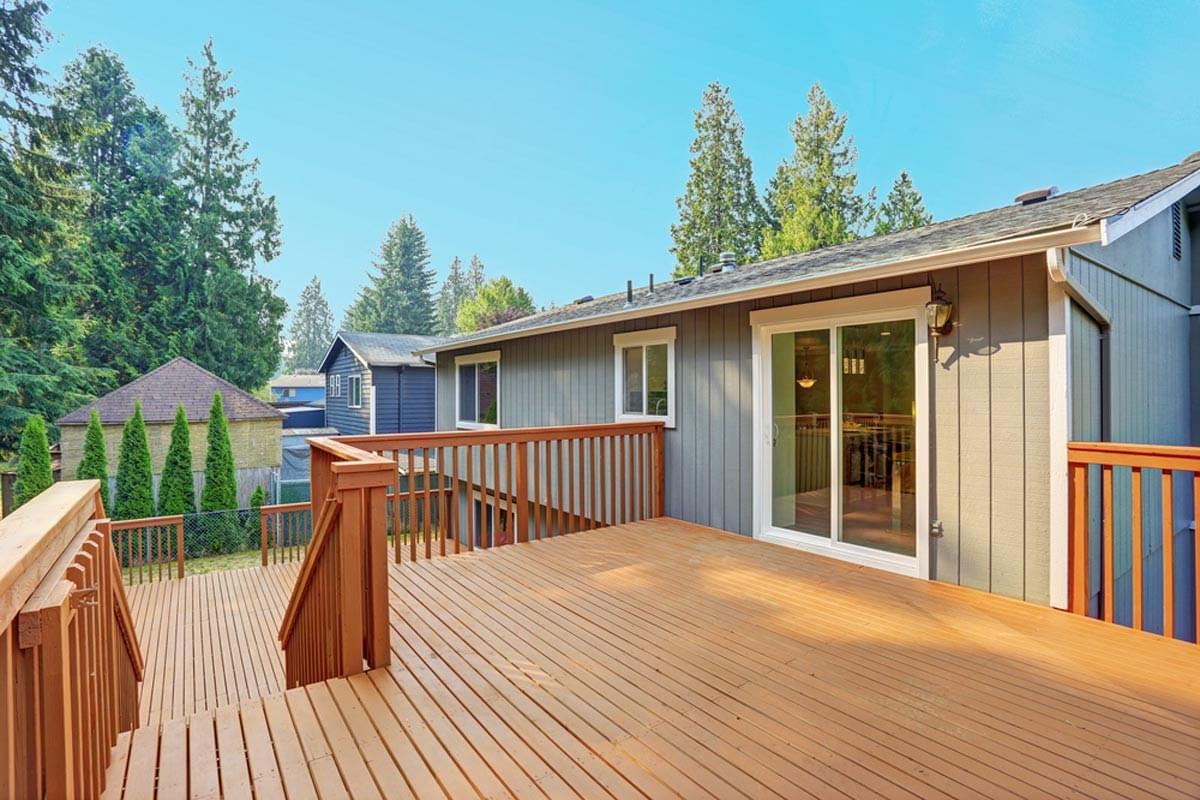
In the world of decking, understanding the cost differences between various materials can significantly influence your decision. When it comes to how much is decking boards, both wood and composite options present unique financial implications. While pressure treated deck boards may initially seem like a budget-friendly choice, the long-term costs associated with maintenance and potential deck replacement should not be overlooked.
Summarizing Cost Differences
The initial price of deck boards varies widely, with pressure treated wood often appearing cheaper than composite decking at first glance. However, when you factor in the cost of composite deck boards over time—considering their durability and minimal upkeep—the scales tip in favor of composites for many homeowners. Ultimately, while the upfront investment in wood decks may be lower, the hidden costs can add up quickly, making composite a more economical choice in the long run.
Evaluating Value Over Time
Investing in wood decking boards often means committing to regular maintenance that can become costly over time. On the other hand, composite decking offers a longer lifespan with less frequent repairs or replacements needed—an attractive proposition for those looking to avoid future expenses related to deck replacement. Thus, while initial costs matter, evaluating value over time reveals that composite options may provide more bang for your buck.
Final Thoughts on Decking Choices
Choosing between wood and composite materials is not just about how much is decking boards; it's about what you want from your outdoor space long-term. If aesthetics and customization are crucial for you, both materials have their merits—though composites tend to offer more flexibility without compromising durability. In summary, weigh your options carefully: whether you lean toward classic wood decks or modern composite solutions will depend on your budgetary constraints and lifestyle preferences.