
Introduction
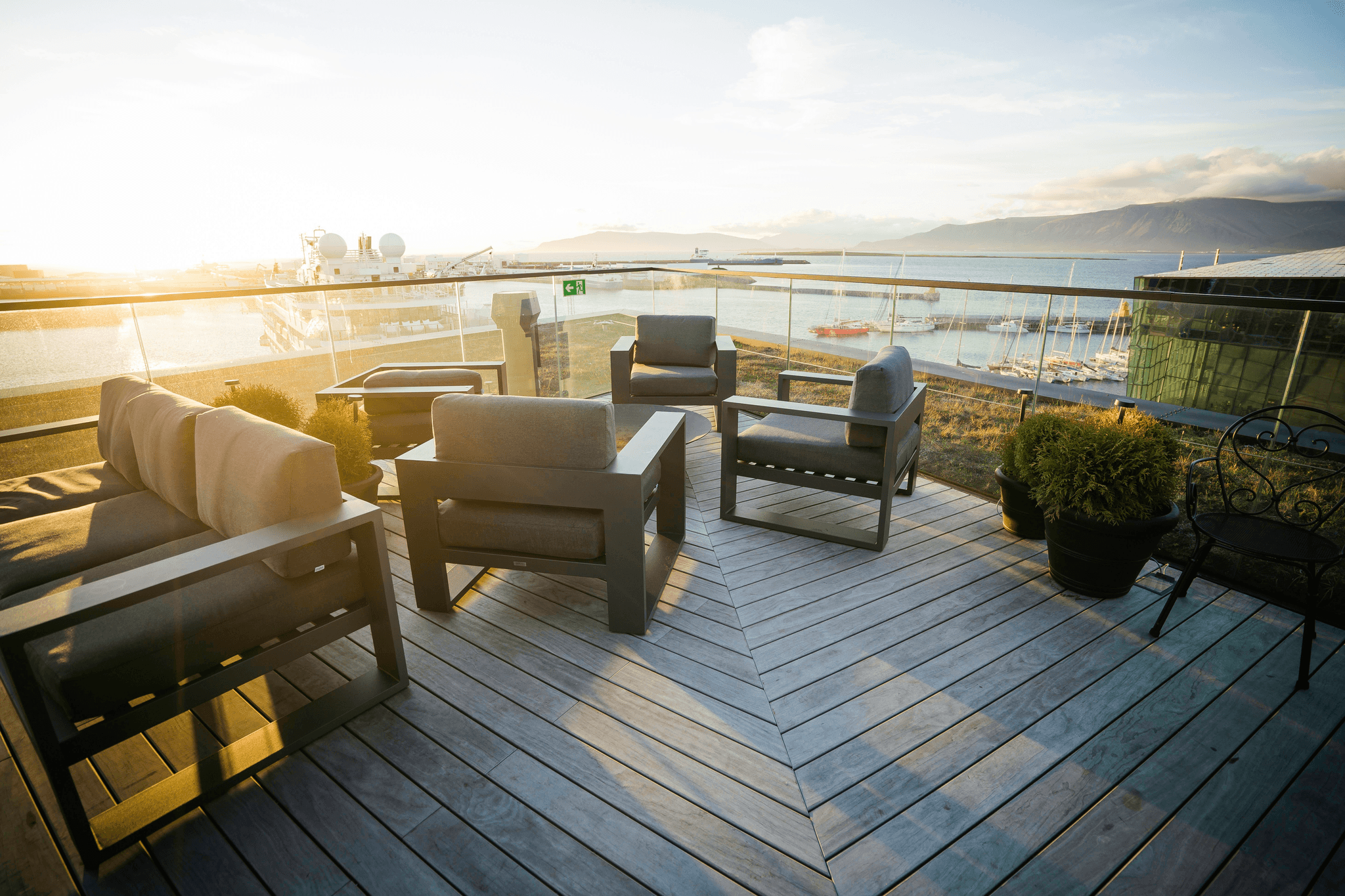
A deck in woods or a cozy backyard can become a safety hazard if the surfaces are slippery, especially during wet weather. Understanding how to make decking non slip is crucial for ensuring that your family and guests can enjoy your outdoor space without fear of accidents.
Importance of Non-Slip Decking
Non-slip surfaces on wood decks are essential for preventing slips and falls, which can lead to serious injuries. Whether you’re entertaining friends or simply enjoying a quiet afternoon in your garden, a safe deck allows everyone to relax without worry. Moreover, investing in non-slip solutions enhances the longevity of your deck by protecting it from wear and tear caused by moisture.
Materials That Are Best for Decking
When considering materials that are best for decking, options like treated lumber, composite materials, and PVC should be at the forefront of your mind. Wood decks offer natural beauty but require regular maintenance to keep them safe and attractive. Composite materials provide durability and often come with built-in traction features that make them ideal when learning how to make decking non slip.
How to Make Decking Non Slip
There are several effective methods to enhance traction on your deck of wood or other materials, including applying non-slip coatings or using textured finishes. Homeowners can also explore DIY solutions like adding sand or grit into paint for a more textured surface when looking at how to make decking non slip effectively. Ultimately, choosing the right approach will depend on the material for decks you select and how much maintenance you're willing to undertake.
Understanding Decking Materials

Choosing the right material for decks not only impacts aesthetics but also ensures safety and longevity. Whether you’re looking to build a deck in woods or enhance your existing outdoor area, knowing your options can help you make informed decisions.
Types of Wood Decks to Consider
Wood decks have long been a popular choice for homeowners, offering natural beauty and warmth. Some of the best types of wood decks include pressure-treated pine, cedar, and redwood, each boasting unique characteristics that contribute to their appeal. Pressure-treated wood is often the most affordable option, while cedar and redwood are prized for their durability and resistance to decay—perfect if you're wondering how to make decking non slip without compromising on looks.
When selecting a deck of wood, consider factors such as maintenance requirements and susceptibility to weathering. For instance, while cedar has a rich color that can fade over time without proper care, pressure-treated pine may require regular sealing to prevent slipping during wet conditions. Ultimately, the type of wood you choose should align with your aesthetic preferences and practical needs.
Benefits of Composite Decking
Composite decking has gained popularity in recent years due to its impressive benefits over traditional wood decks. Made from a blend of recycled materials and plastics, composite boards are designed for longevity without the constant upkeep associated with wood decks. This type of material for decks provides excellent resistance against fading, scratching, and mold growth—making it easier than ever to ensure safety by learning how to make decking non slip.
One standout benefit is that composite decking often comes with built-in features designed specifically for traction enhancement; this means less worry about slips when wet! Plus, since composite materials don't splinter like natural wood can, they provide an added layer of safety for children running around barefoot or pets exploring your outdoor space. Choosing composite means investing in a low-maintenance solution that still delivers on style.
Choosing the Right Material for Decks
Selecting the right material for your deck involves weighing various factors including budget, maintenance needs, aesthetic preferences, and safety features such as non-slip surfaces. If you're leaning towards traditional options like wood decks due to their charm but are concerned about slipping hazards during rain or snowstorms—consider incorporating non-slip treatments or coatings after installation as part of your strategy on how to make decking non slip.
On the other hand, if you're looking for something more modern with minimal upkeep required—a composite deck might be your best bet! When deciding between these options remember: safety should always come first; so prioritize materials that offer durability alongside visual appeal when building your dream deck in woods or any backyard setting.
Essential Safety Features
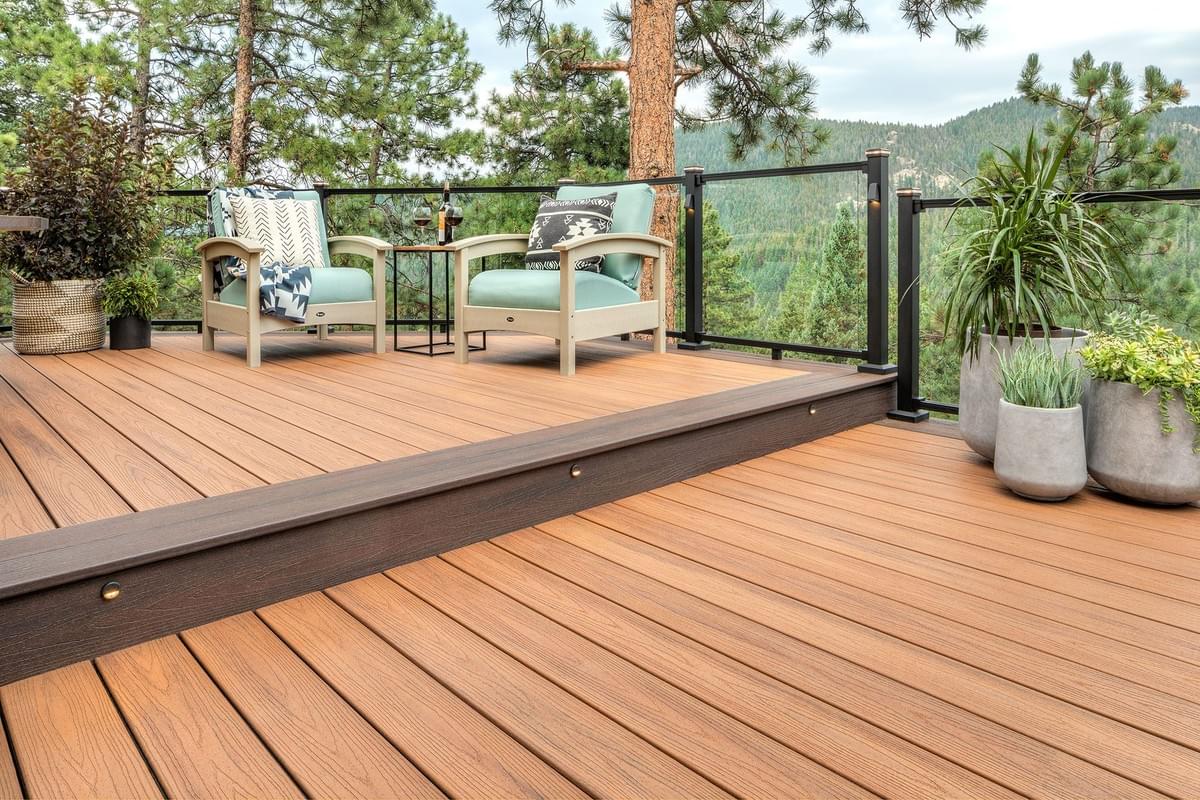
When it comes to creating a safe outdoor space, the importance of non-slip surfaces cannot be overstated. Whether you're building a deck in woods or simply enhancing your existing deck of wood, ensuring that your decking is non-slip can prevent accidents and injuries. A well-designed deck that incorporates non-slip features not only provides safety but also enhances the overall enjoyment of your outdoor area.
Importance of Non-Slip Surfaces
Non-slip surfaces are crucial for maintaining safety on any deck, especially during wet conditions. Wood decks can become slippery when exposed to rain or moisture, making it essential to learn how to make decking non slip effectively. By prioritizing non-slip surfaces, you create an inviting environment where family and friends can gather without the fear of slipping and falling.
Additionally, incorporating non-slip materials into your decking design can increase its longevity and reduce maintenance costs over time. The best for decking solutions often include textured finishes or specialized coatings that enhance traction without compromising aesthetics. Ultimately, ensuring a safe surface will encourage more frequent use of your outdoor space while providing peace of mind.
Factors to Consider for Safety
When evaluating safety features for your decking project, several factors should be taken into account beyond just choosing the right material for decks. First and foremost is the texture; rougher surfaces tend to provide better grip than smooth finishes on wood decks or composite materials alike. Additionally, consider how steeply inclined your deck may be; steeper angles require more attention to traction.
Another critical factor is the type of activities you anticipate on your deck—will it host large gatherings or perhaps a quiet evening with family? Understanding these dynamics helps tailor safety features accordingly while also determining how to make decking non slip effectively through various techniques and products available in the market today. Lastly, always think about foot traffic patterns; high-traffic areas should have enhanced anti-slip measures in place.
Impact of Weather on Deck Safety
Weather plays a significant role in determining how safe your deck remains throughout different seasons. Rainy days can turn even the best wood decks into potential slip hazards if proper precautions aren't taken early on in the construction process. It’s essential to consider regional weather patterns when selecting materials; some might fare better against moisture than others.
Snow and ice present additional challenges that require careful thought regarding how to make decking non slip effective year-round. Utilizing specific coatings designed for winter conditions can help maintain traction even during icy months while protecting against moisture damage over time—a win-win situation! Regular maintenance checks become vital as well since accumulated debris from storms could create slick spots that compromise safety.
DIY Solutions for Non-Slip Decking
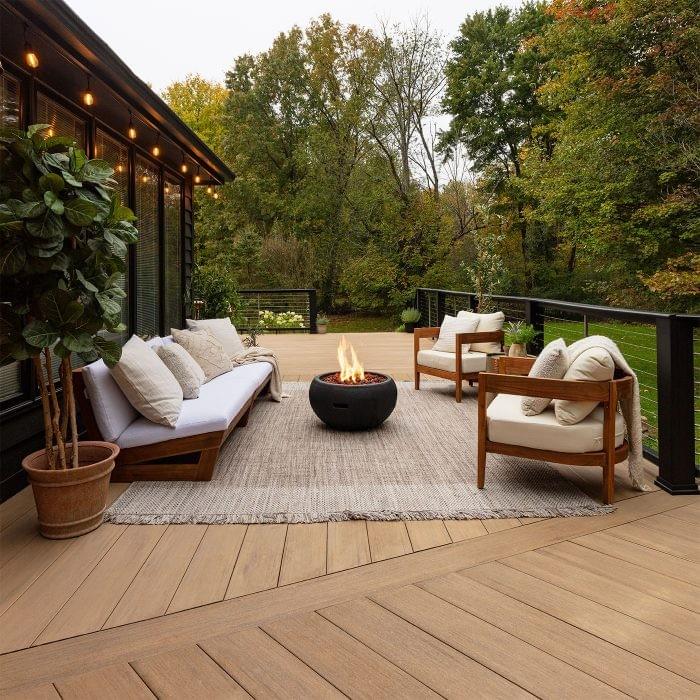
Creating a safe and slip-resistant deck in woods can be a fun and rewarding project. With the right materials and techniques, you can enhance your wood decks to ensure they are both functional and stylish. Let's dive into some practical DIY solutions on how to make decking non slip.
Home Remedies for Non-Slip Finish
If you're looking for cost-effective ways to improve safety on your deck of wood, home remedies can be surprisingly effective. One popular method involves mixing sand with your paint or sealant; this simple addition increases traction without compromising the appearance of your deck. Another option is to use anti-slip additives that can be mixed into stains or sealants—these products are designed specifically for enhancing grip while maintaining the beauty of natural wood.
Additionally, consider applying a homemade solution of vinegar and water as a cleaning agent before applying any coatings; this helps remove any slippery residues that could lead to accidents. Remember, it's essential to allow proper drying time after applying these remedies so that they adhere effectively and provide maximum slip resistance. By using these home remedies, you can easily boost the safety of your deck while keeping costs low.
Store-Bought Options to Enhance Traction
If DIY isn't quite your style or if you're looking for something more specialized, there are plenty of store-bought options available that are best for decking safety. Anti-slip tapes come in various textures and colors, allowing you to choose one that complements your deck's aesthetic while providing excellent grip underfoot. These tapes are easy to apply: simply peel off the backing and stick them down in high-traffic areas or spots prone to moisture.
Another great product is non-slip coatings specifically designed for outdoor surfaces; these coatings create a textured finish that significantly reduces slipping risks on wood decks. Some brands even offer eco-friendly options made from recycled materials—perfect if you're conscious about environmental impact when building a deck! With so many choices available, finding the right solution has never been easier.
How to Apply Non-Slip Coatings Effectively
Applying non-slip coatings effectively is crucial in ensuring long-lasting protection against slips on your wood decks. Start by thoroughly cleaning the surface with a pressure washer or stiff broom—removing dirt, grime, and old finishes will help the new coating adhere better. Once dry, carefully follow the manufacturer's instructions regarding application methods; some may require brushes while others work best with rollers or sprayers.
When applying any coating meant for how to make decking non slip, ensure even coverage by working in small sections at a time—this prevents drips and uneven surfaces that could compromise traction later on. Allow sufficient drying time between coats (if necessary) as specified by the product guidelines; patience pays off when it comes to achieving optimal results! By following these steps diligently, you’ll create a safe outdoor space where everyone can enjoy their time without worry about slipping hazards.
Professional Options for Deck Safety
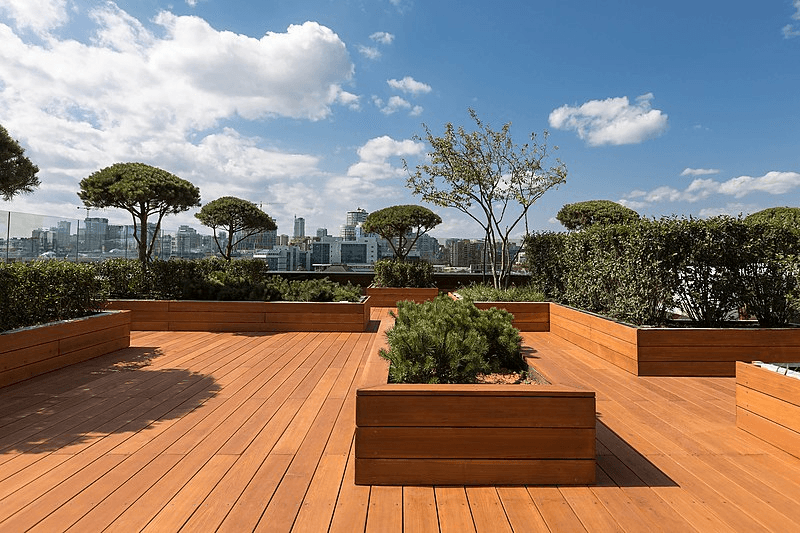
When it comes to ensuring your deck is safe and non-slip, sometimes the best route is to call in the pros. Hiring a decking specialist can save you time, effort, and potential mishaps that might arise from DIY attempts. If you're unsure how to make decking non slip or what materials are best for decking, a professional can guide you through the selection and installation process.
When to Hire a Decking Specialist
Knowing when to hire a decking specialist can be crucial for both safety and aesthetics. If you've got a large deck in woods or an intricate design that requires specific materials or techniques, bringing in an expert is wise. Additionally, if you're not comfortable with the various options available for making your wood decks non-slip or need help selecting the right material for decks, it's time to pick up the phone.
Composite Decking Inc's Non-Slip Solutions
Composite Decking Inc offers innovative solutions specifically designed to enhance traction on your deck of wood while maintaining its visual appeal. Their range of products includes non-slip coatings that seamlessly blend with various styles of wood decks without compromising on aesthetics. These solutions not only ensure safety but also provide long-lasting protection against wear and tear—ideal if you're looking to build a deck that stands the test of time.
Advantages of Professional Installation
Opting for professional installation comes with several advantages beyond just expertise; it often includes warranties on both labor and materials used in your project. Professionals have access to specialized tools and techniques that ensure optimal results when applying non-slip finishes or installing composite decking solutions. Plus, they can offer insights into ongoing maintenance strategies so you’ll always know how to make decking non slip throughout its lifespan.
Maintenance Tips for a Safe Deck
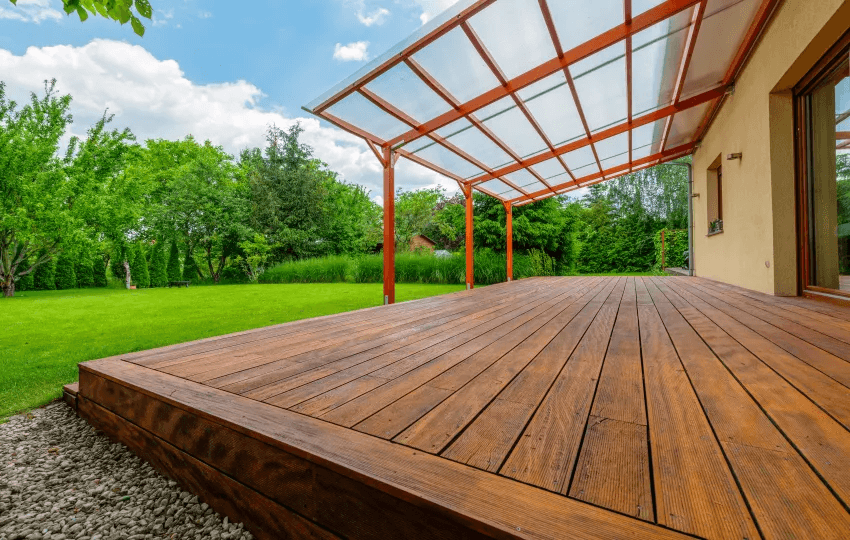
Maintaining a safe deck is essential, especially if you want to enjoy your outdoor space without worrying about slips and falls. Regular upkeep not only enhances the aesthetic appeal of your deck but also ensures that it remains functional and safe for family and friends. Here are some key maintenance tips to keep your deck in tip-top shape.
Regular Upkeep to Prevent Slipping
To effectively learn how to make decking non slip, regular upkeep is crucial. Start by sweeping away debris like leaves, dirt, and algae that can create slick surfaces on wood decks or composite materials. Additionally, consider applying a non-slip coating at least once a year to maintain traction; this can be particularly beneficial for decks made from wood or other materials that tend to become slippery when wet.
Regularly inspecting your deck for any signs of wear and tear is also vital in preventing slipping hazards. Look out for loose boards or protruding nails that could trip someone up while enjoying your deck of wood. By addressing these issues promptly, you can significantly reduce the risk of accidents and ensure that your outdoor space remains inviting.
Seasonal Checks for Deck Integrity
As seasons change, so do the conditions affecting your decking material. It's important to conduct seasonal checks on your deck in woods or composite materials to assess their integrity and safety features. Inspecting joints, railings, and support beams will help identify any potential issues before they escalate into bigger problems.
In winter months, snow accumulation can add weight and moisture that may warp wood decks; clearing snow off promptly can help maintain structural integrity while keeping surfaces dry and less slippery. During warmer months, check for signs of fading or weathering on the surface—this is especially important if you're using materials best for decking exposed directly to sunlight.
Best Products for Deck Maintenance
Look for specialized cleaners designed specifically for wood decks or composite materials; these products will effectively remove grime without damaging the surface's finish or traction capabilities. Additionally, consider investing in non-slip additives that can be mixed into sealants or paints—perfect if you're looking at how to make decking non slip with minimal effort.
For routine maintenance tasks like staining or sealing your deck of wood, opt for high-quality products known for durability against weather elements such as UV rays and moisture exposure. This will not only enhance the appearance but also prolong the life expectancy of your material for decks while keeping them safer underfoot.
Conclusion
In wrapping up our discussion on how to make decking non slip, it's clear that safety should be a top priority for any deck in woods. Whether you opt for wood decks or composite materials, ensuring your deck of wood is safe and secure requires careful consideration. From choosing the best for decking to applying effective non-slip solutions, there are numerous ways to enhance traction and reduce the risk of slips.
Recap on Making Decking Non Slip
To make your decking non slip, start by selecting the right material for decks that naturally provide better grip, such as textured composites or treated woods. Regular maintenance plays a crucial role too; keeping your deck clean and free from debris can significantly reduce slipping hazards. Finally, consider applying non-slip coatings or even DIY remedies to boost surface traction effectively.
Final Thoughts on Deck Safety
Remember that factors like moisture and temperature changes can impact the performance of your chosen material for decks over time. Ultimately, prioritizing safety features will not only protect you but also enhance the longevity of your outdoor space.
The Future of Non-Slip Decking Solutions
Looking ahead, innovations in materials and coatings promise exciting developments in how we tackle slip hazards on our decks. Companies are continually researching advanced textures and finishes that offer superior grip without compromising aesthetics—perfect for those who want their deck in woods to shine! As more homeowners recognize the importance of safety alongside style, we can expect a surge in demand for effective solutions on how to make decking non slip.