
Introduction
Proper deck maintenance not only enhances the aesthetic appeal of your home but also significantly extends the lifespan of your hardwood timber decking. Neglecting this crucial aspect can lead to costly repairs and diminished enjoyment, making it essential to adopt effective care strategies.
Importance of Proper Deck Maintenance
Maintaining your wood decks is akin to giving them a spa day; regular attention keeps them looking fabulous and functional. Without proper care, the elements can wreak havoc on your decking boards, leading to warping, splintering, or even structural damage. By prioritizing maintenance, you ensure that your outdoor space remains inviting for family gatherings and summer barbecues.
Benefits of Hardwood Timber Decking
Hardwood timber decking stands out as one of the best decking materials available today, thanks to its durability and timeless beauty. Unlike composite options that may fade or warp over time, hardwood offers a natural charm that enhances any outdoor setting while providing exceptional longevity when properly cared for. Additionally, its resistance to wear makes it an ideal choice for those who want their boards decked out in style without constant upkeep.
Overview of Effective Care Strategies
To keep your timber decking in prime condition, implementing a few effective care strategies is key. Regular cleaning with appropriate tools and products will help maintain the appearance and integrity of your decking boards while preventative measures can shield against UV rays and water damage. With these practices in place, you’ll not only enjoy a stunning outdoor space but also ensure that your hardwood timber decking remains a source of pride for years to come.
Choosing the Best Decking Material
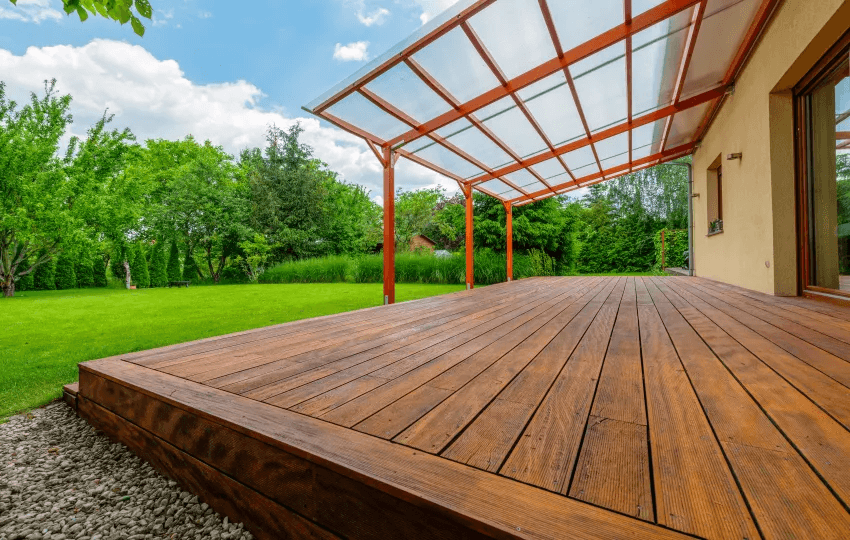
Its natural beauty, durability, and ability to withstand the elements make it a preferred choice for homeowners who want to create a stunning and long-lasting deck of wood. In this section, we’ll explore why hardwood is a top choice, compare it with composite options, and discuss essential factors to consider when selecting your decking boards.
Why Hardwood is a Top Choice
Hardwood timber decking is renowned for its strength and aesthetic appeal, making it an ideal option for those who appreciate natural materials. Unlike many synthetic alternatives, hardwood offers unique grain patterns and rich colors that enhance any outdoor space. Additionally, when properly maintained, wood decks can last decades while providing a warm and inviting atmosphere that complements your home.
One of the standout features of hardwood is its resistance to wear and tear from foot traffic and weather exposure. This durability means fewer repairs over time compared to other materials that may warp or fade under sun exposure or moisture. Moreover, hardwood’s ability to retain heat makes it comfortable underfoot during cooler evenings—a significant advantage for those who love entertaining outdoors.
Lastly, using sustainably sourced hardwood timber not only helps in creating beautiful decks but also supports environmental conservation efforts. Many manufacturers now offer certified wood options that ensure responsible harvesting practices are followed. By choosing hardwood timber decking, you're investing in both quality craftsmanship and eco-conscious living.
Comparing Hardwood and Composite Options
While composite materials have gained popularity due to their low maintenance requirements, they often lack the charm of natural wood decks. Composite boards are typically made from recycled plastics mixed with wood fibers; they can mimic the appearance of timber but usually fall short in terms of authenticity and tactile experience. On the other hand, hardwood provides an organic feel that simply can't be replicated by synthetic alternatives.
When comparing these two options side by side, consider longevity as well: while composite materials may resist fading better than some woods initially do, they can become discolored over time without proper care—something you won’t experience with well-maintained hardwood timber decking. Furthermore, composites can be prone to scratching or denting more easily than solid wood boards deck designed for high traffic areas.
Ultimately, your choice between hardwood and composite will depend on personal preference regarding aesthetics versus practicality—both types have their merits! However, if you prioritize style alongside durability in your outdoor space design plan—hardwood remains king among decking materials.
Factors to Consider When Selecting Boards
Choosing the right boards deck involves more than just picking out pretty colors; several key factors should influence your decision-making process when selecting timber decking material. First off is climate: certain species perform better in specific environments—some woods thrive in humid conditions while others fare well against dry heat or cold climates.
Next up is maintenance: different types of hardwood require varying levels of upkeep—from sealing treatments every few years to simple cleaning routines after storms or heavy use periods like summer barbecues! Knowing how much time you're willing (or able) dedicate towards maintaining your deck will significantly impact which type suits best—you don’t want an exotic species if you’re not prepared for regular care!
Lastly—and perhaps most importantly—is budget considerations: while premium quality lumber might seem appealing at first glance due its aesthetics alone—it’s crucial not overlook long-term costs associated with installation labor & potential repairs down line if issues arise sooner than expected due lack adequate attention given upfront during selection phase! Balancing initial investment against future expenses ensures overall satisfaction with chosen product throughout lifespan enjoyed outdoors!
Routine Cleaning Techniques
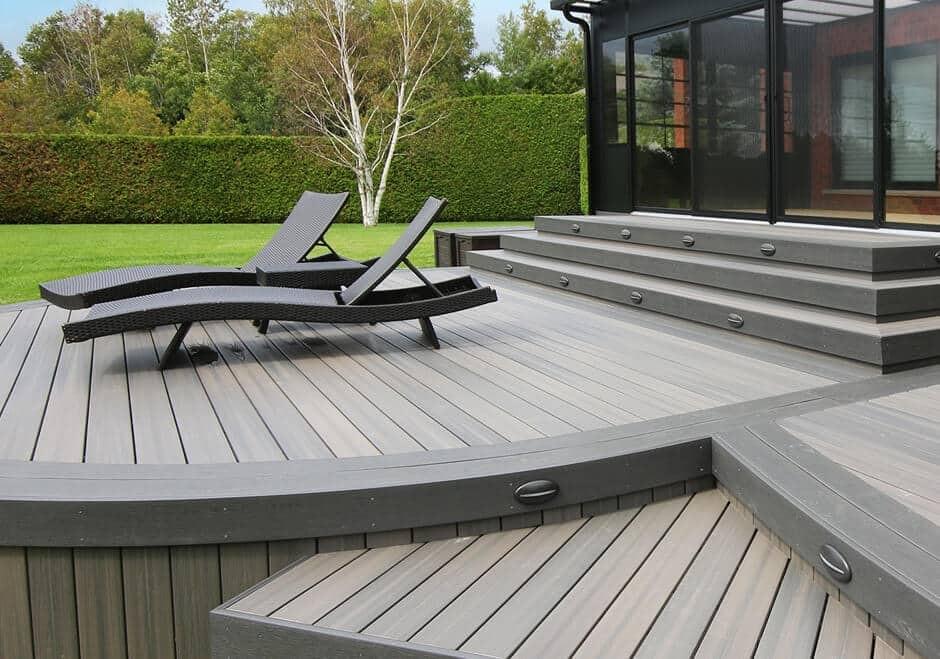
Maintaining the beauty and longevity of your hardwood timber decking requires regular cleaning techniques that can keep your deck of wood looking pristine. A little elbow grease goes a long way in ensuring that your decking boards remain free from dirt, grime, and mildew. By incorporating routine cleaning into your maintenance schedule, you can enjoy a stunning outdoor space for years to come.
Tools for Cleaning Your Deck of Wood
To effectively clean your wood decks, you'll need some essential tools that make the job easier and more efficient. A stiff-bristle broom or a push broom is perfect for sweeping away debris and leaves from the surface of your decking boards. Additionally, a pressure washer can be an excellent investment for deep cleaning; just be cautious with the pressure settings to avoid damaging the timber decking.
Don't forget about scrubbing brushes with soft bristles to tackle stubborn stains without harming the wood's surface. A bucket for mixing cleaning solutions and a garden hose will also come in handy when rinsing off any products used on your deck of wood. With these tools at your disposal, you'll be well-equipped to maintain the best decking possible.
Recommended Cleaning Products for Decking Boards
Look for biodegradable cleaners that are tough on stains but gentle on your timber decking; this ensures you’re not only preserving its appearance but also being kind to Mother Nature. Avoid harsh chemicals or bleach-based cleaners as they can strip away protective oils from the boards deck.
For those pesky mildew spots or algae growths, consider using oxygen bleach or vinegar-based solutions as effective alternatives that won’t harm your beautiful wood decks. Always remember to conduct a spot test before applying any new product across all decking boards; this will help ensure compatibility with your specific type of timber decking material without causing discoloration or damage.
Seasonal Cleaning Tips for Maintenance
As seasons change, so do the needs of your hardwood timber decking; therefore, seasonal cleaning is essential in maintaining its integrity and appearance throughout the year. In springtime, give your deck a thorough scrub after winter’s wear—removing leaves and debris accumulated during colder months helps prevent mold growth on moisture-laden surfaces. Summer may require lighter touch-ups like sweeping and occasional washing since people tend to use their decks more during this time.
As autumn rolls around, prepare yourself by clearing fallen leaves promptly—decomposing foliage can lead to staining if left too long on wooden surfaces while also attracting pests looking for shelter in crevices between boards deck! Winter calls for minimal upkeep but keep an eye out; snow accumulation should be cleared gently with a plastic shovel rather than metal tools which could scratch or gouge precious timber decking material.
Preventative Measures Against Damage

When it comes to maintaining your hardwood timber decking, taking preventative measures is crucial for prolonging the life of your deck of wood. Proper care not only enhances the aesthetic appeal but also protects against various environmental factors that can cause damage over time. By implementing effective strategies, you can ensure your decking boards remain in pristine condition for years to come.
Importance of Sealing Timber Decking
Sealing your timber decking is one of the most important steps you can take to protect your investment. A good sealant creates a barrier against moisture and UV rays, both of which can lead to warping, cracking, and fading over time. Regularly applying a high-quality sealant will help maintain the integrity of your hardwood timber decking while also enhancing its natural beauty.
Moreover, sealing helps prevent dirt and grime from penetrating the surface of your boards deck, making routine cleaning much easier. It’s essential to choose a sealant specifically designed for wood decks to ensure compatibility with your chosen decking material. Remember that the best results often come from reapplying sealants annually or biannually, depending on exposure levels.
Best Practices for Protecting Against UV Rays
UV rays are notorious for causing damage to wood decks, leading to discoloration and surface deterioration over time. To combat this issue, consider using UV-resistant coatings or stains designed specifically for hardwood timber decking; these products provide an added layer of protection while enhancing color retention. Additionally, placing umbrellas or shade structures over your deck can significantly reduce direct sunlight exposure.
Regular maintenance plays a vital role in protecting against UV damage as well; clean and reseal your deck periodically to maintain its protective barrier against harmful rays. If you're considering new decking materials, look into options with built-in UV resistance—these can be particularly beneficial if you live in sunny climates where sun exposure is inevitable. Ultimately, being proactive about UV protection will keep your boards deck looking vibrant and inviting year-round.
Strategies to Prevent Water Damage
Water damage is another enemy that hardwood timber decking faces throughout its lifespan; standing water can lead to mold growth and structural issues if not addressed promptly. One effective strategy is ensuring proper drainage around the area where you install your wood decks—this includes grading the ground away from the structure and installing gutters if necessary. Regularly checking for pooling water after rainstorms will help catch any potential problems before they escalate.
Additionally, using mats or rugs on high-traffic areas can absorb excess moisture when people walk on wet surfaces—this reduces wear on both the finish and structure of your decking boards over time. Don't forget about seasonal inspections; check for signs of water damage such as discoloration or warping during regular maintenance checks so you can address issues quickly before they worsen! By taking these preventative measures seriously, you'll be well on your way toward enjoying a beautiful outdoor space without worrying about costly repairs down the line.
Repairing Common Decking Issues
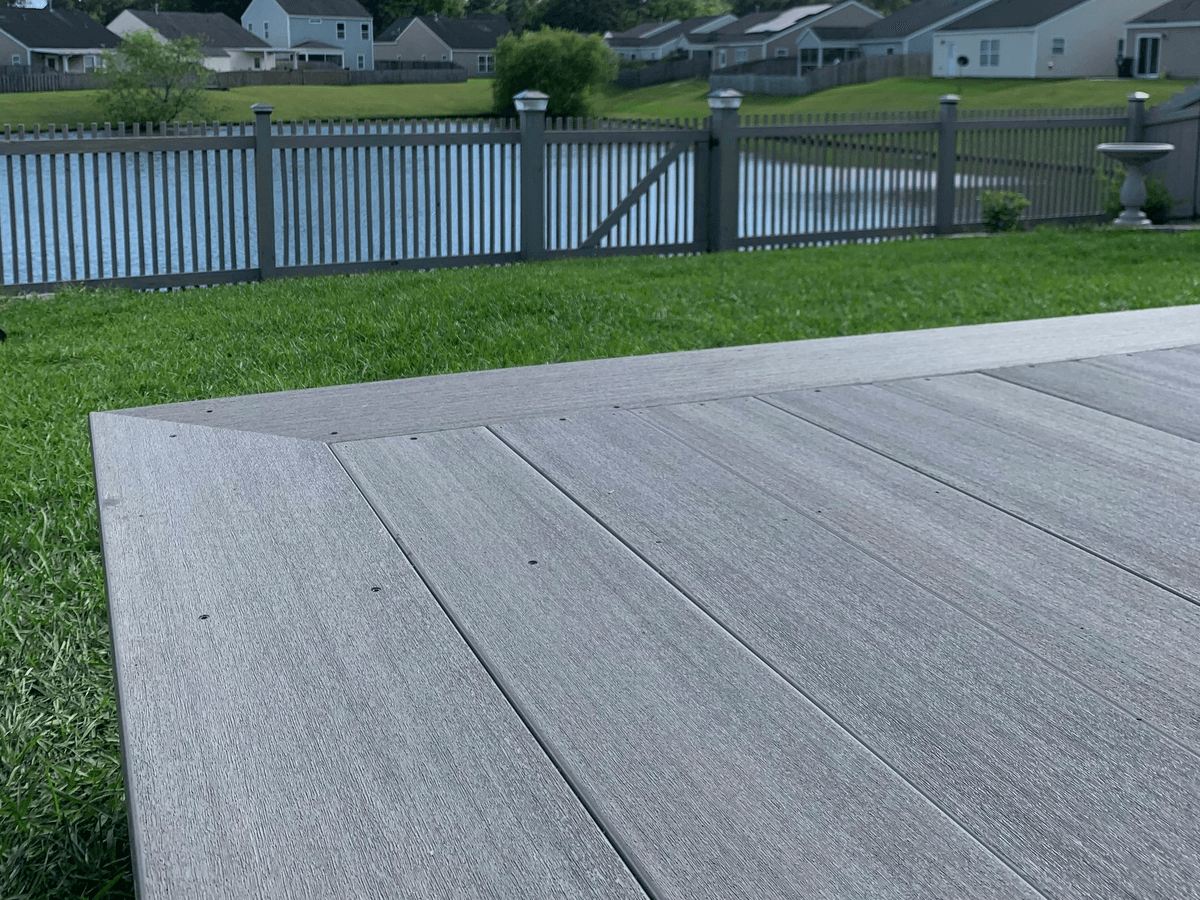
Maintaining your hardwood timber decking is essential for ensuring its longevity and aesthetic appeal. However, even the best decking can experience wear and tear over time. Understanding how to identify damage, replace decking boards, and know when to call in a pro can save you time, money, and frustration.
Identifying Damage on Wood Decks
The first step in maintaining your deck of wood is to regularly inspect it for signs of damage. Look for cracks, splits, or warping in the boards deck; these issues can compromise both safety and appearance. Additionally, check for loose or protruding nails and any signs of rot or mold that may indicate moisture problems affecting your hardwood timber decking.
Another common issue involves discoloration due to UV exposure or weathering; this may not affect the structural integrity but can impact the visual appeal of your timber decking material. Pay attention to areas around railings and stairs where wear tends to be more pronounced. By catching these problems early, you can address them before they require extensive repairs.
How to Replace Individual Decking Boards
Replacing damaged boards on your wood decks isn't as daunting as it sounds! First, remove the affected board by unscrewing any fasteners securing it in place; if it's really stubborn, a pry bar might help coax it out without damaging surrounding boards. Once you've got the old board out, measure carefully before cutting a new piece of hardwood timber decking to size—accuracy is key!
Next comes installation: position the new board snugly against existing ones and secure it with screws or nails specifically designed for outdoor use to ensure durability against weather conditions. Remember that proper spacing between boards is vital for drainage and airflow; this will help prevent future damage from moisture buildup. With a bit of patience and effort, you'll have your deck looking as good as new!
When to Call in a Pro for Repairs
While DIY repairs are often manageable for minor issues with your hardwood timber decking, some situations call for professional intervention—especially if you're facing extensive damage or structural concerns with your decking material. If you notice significant sagging or instability in sections of your wood decks that could pose safety risks, it's wise to consult an experienced contractor who specializes in deck repairs.
Additionally, if you're unsure about how best to tackle a repair job or lack the necessary tools (or confidence) for replacement work on larger areas of your deck of wood, don't hesitate to reach out for professional help! They have the expertise needed not only to fix current issues but also provide insights into preventative measures that will enhance the lifespan of your beautiful hardwood timber decking.
In summary, keeping an eye out for damage is crucial when caring for your decks made from quality materials like hardwood timber decking. Knowing how to replace individual boards effectively ensures you maintain functionality while preserving aesthetics—and recognizing when it's time to call in an expert helps keep everything safe and sound.
Enhancing the Lifespan of Your Deck
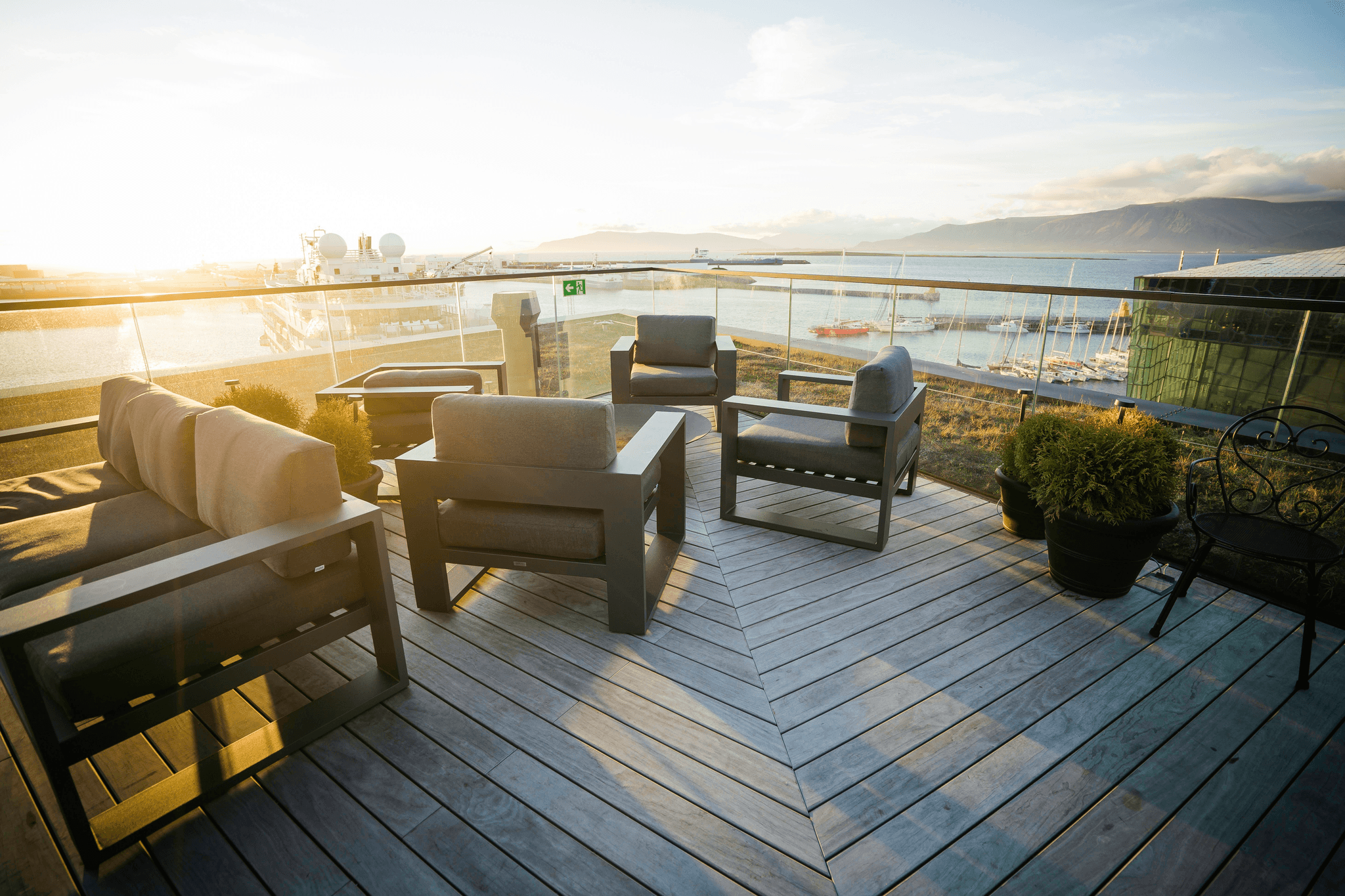
Maintaining your hardwood timber decking is essential for ensuring its longevity and beauty. With the right treatments, regular inspections, and eco-friendly options, you can keep your deck of wood in excellent condition for years to come. Here’s how to enhance the lifespan of your decking boards while enjoying your outdoor space.
Recommended Treatments for Hardwood Timber Decking
To keep your hardwood timber decking looking its best, regular treatments are key. Applying a high-quality sealant can protect against moisture and UV damage, preventing warping and fading over time. Additionally, consider using oils specifically designed for wood decks; they penetrate deep into the timber, nourishing it while enhancing its natural grain.
Another effective treatment is periodic staining, which not only adds a splash of color but also provides an extra layer of protection against the elements. When choosing stains or sealants, always opt for those formulated for hardwoods to ensure compatibility with your decking material. Remember that a well-maintained deck not only looks great but can also increase the value of your home!
Regular Inspections: What to Look For
Regular inspections are crucial when it comes to maintaining your wood decks and ensuring they stay safe and functional. During these checks, look for signs of wear such as splintering boards or loose nails that could pose a safety hazard. Pay special attention to areas where water tends to pool; these spots are more prone to rot and decay.
Inspecting the underside of your decking boards is just as important as checking the surface; this hidden area can reveal issues like insect infestations or mold growth that may not be visible at first glance. By being proactive about these inspections, you can catch small problems before they escalate into costly repairs down the line. After all, a little bit of attention now goes a long way in extending the life of your beautiful timber decking!
Eco-Friendly Options from Composite Decking Inc
If you're looking for environmentally friendly alternatives while still appreciating traditional hardwood timber decking aesthetics, Composite Decking Inc offers some fantastic options! Their products combine recycled materials with innovative design techniques to create stunning composite boards that mimic the look of natural wood without compromising on durability or sustainability.
These composite materials require less maintenance than traditional wood decks since they resist fading and do not splinter like natural timber can over time. Plus, by choosing eco-friendly options from Composite Decking Inc., you're making a conscious decision to reduce waste and protect our planet while enjoying your outdoor living space! So why not explore these sustainable choices today?
Conclusion
In wrapping up our discussion on the care and maintenance of hardwood timber decking, it’s clear that a little effort goes a long way in preserving the beauty and functionality of your outdoor space. By regularly cleaning your deck of wood, applying protective sealants, and conducting routine inspections, you can ensure that your decking boards remain in top condition for years to come. Remember, investing time into these essential care practices not only enhances the aesthetic appeal but also extends the lifespan of your boards deck.
Recap of Essential Care Practices
To keep your hardwood timber decking looking its best, start with routine cleaning techniques tailored specifically for wood decks. Utilize appropriate tools and recommended cleaning products to remove dirt and grime effectively without causing damage to the surface. Additionally, don’t overlook preventative measures such as sealing timber decking to guard against UV rays and water damage; these steps are crucial for maintaining the integrity of your decking material.
Investing in Quality for Longevity
High-quality hardwood timber decking not only withstands the test of time but also enhances property value while providing a stunning visual appeal. By selecting superior materials from reputable sources, you can enjoy peace of mind knowing that you’re making a wise investment in both aesthetics and durability.
Enjoying Your Outdoor Space All Year Round
With proper maintenance strategies in place, you can truly relish your outdoor oasis throughout all seasons. Whether hosting summer barbecues or cozying up with a warm drink during winter evenings on your wood decks, well-cared-for decking boards create an inviting atmosphere year-round. So kick back, relax, and enjoy every moment spent on your beautiful hardwood timber decking!