
Exterior Use Raises the Standard
WPC wall cladding exterior projects ask more from a material than an indoor accent wall does. The boards face sun, rain, wind, temperature shifts, airborne dirt, and building-detail mistakes that may not show up immediately. A good exterior result depends on the product, but also on the wall assembly behind it.
Wood plastic composite can bring warmth and texture to modern exteriors, garden walls, and outdoor living zones. Compare it with related surfaces through the wood plastic composite decking guide, decking and flooring options, composite decking color guide, waterproof composite decking guide, and low-maintenance decking overview before deciding where it belongs.
Think Like Water First
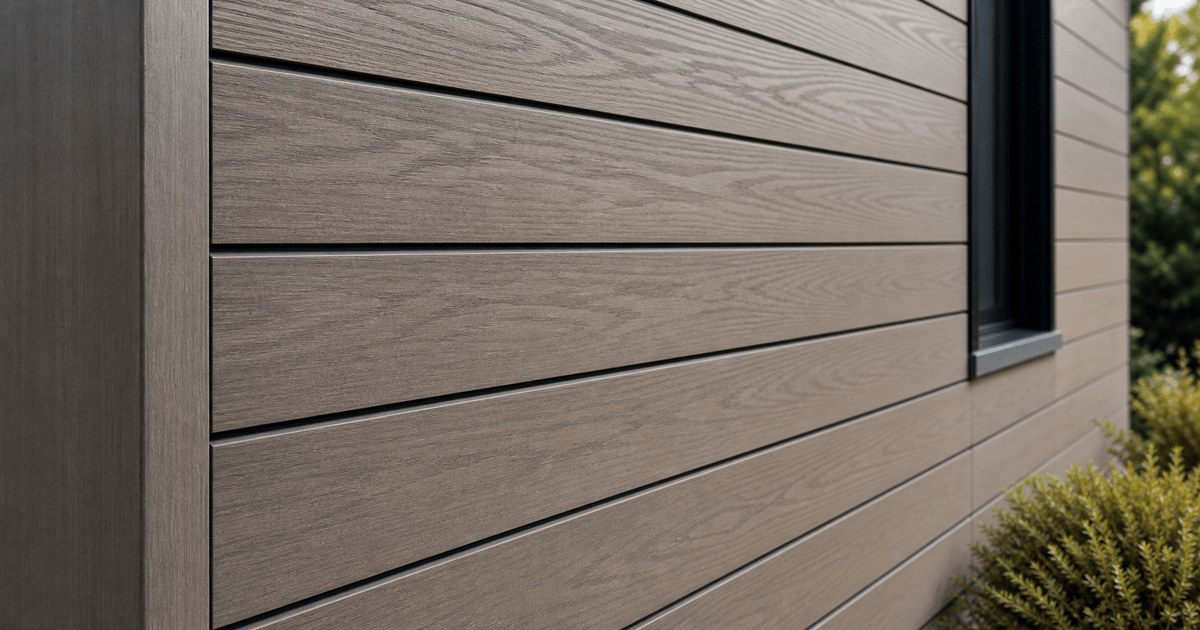
Every exterior cladding decision should begin with rain. Water will reach the surface, and some water may reach behind it. The assembly needs a way to shed, drain, and dry. That can involve proper flashing, clearances, ventilation gaps, compatible fasteners, and respect for manufacturer instructions.
A wall that looks flawless on installation day can fail if moisture is trapped. This is especially important near grade, planter beds, roof runoff, deck transitions, and horizontal ledges. If the cladding is attached to a house wall, the details should be reviewed with someone who understands exterior envelopes.
- Keep lower edges clear of soil, mulch, and standing water.
- Protect penetrations, corners, windows, and top edges with proper flashing.
- Use fasteners and spacing recommended for the chosen cladding system.
- Leave ventilation and drainage paths open where the system requires them.
- Confirm fire, code, and HOA requirements before changing exterior walls.
Sun Exposure Affects Color and Comfort
Exterior WPC cladding can look different across elevations. A south or west wall may receive stronger sun than a shaded courtyard wall. Dark colors can create a tailored appearance, but they may also show dust, heat movement, or surface marks more clearly. Lighter colors may feel softer but need thoughtful coordination with trim and masonry.
The composite decking color guide article is useful even though it was written for decking because the same design logic applies: test samples outside, compare undertones, and view them against the actual building. A color that looks refined in a showroom may turn too warm, too cool, or too high-contrast once installed across a vertical wall.
Board Direction Changes the Building
Horizontal WPC cladding can make a facade feel longer and calmer. Vertical boards can make an entry or garden wall feel taller. Narrow slats create shadow and texture, while wider boards feel cleaner and more architectural. Choose direction based on the building, not just the sample photo.
If the same property also uses composite decking, avoid letting every surface run in the same direction. A deck, privacy wall, and house accent can become visually flat if all lines compete. Let one plane lead and another support it.
Fastening Should Stay Quiet
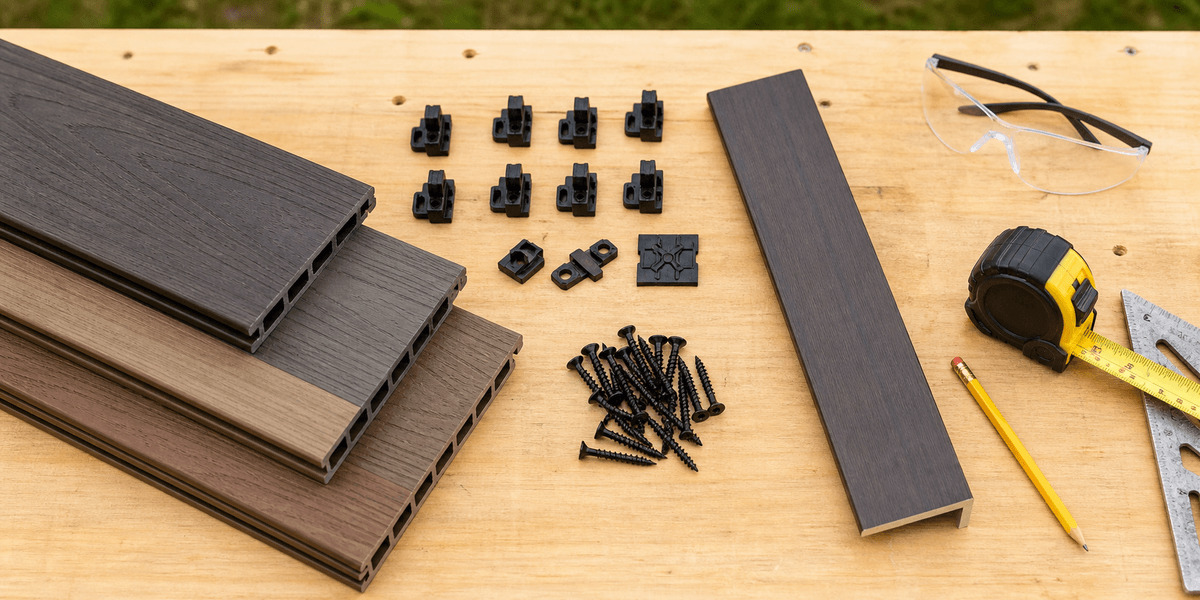
Exterior cladding looks best when fasteners, joints, and trims feel intentional. Visible screws may be acceptable in some systems, but random spacing quickly makes the wall look improvised. Hidden clips or coordinated trims can create a cleaner face, but they still need correct substrate support and movement allowances.
Plan corners, returns, window edges, and transitions before ordering. These areas consume more time and accessory material than a simple square-foot estimate suggests. Like composite decking, cladding is a system: boards, fasteners, trims, clearances, and backing all work together.
Cleaning Is Easier With Good Placement
Vertical WPC surfaces usually stay cleaner than walking surfaces, but splash zones and shaded walls can still collect grime. Avoid placing cladding where sprinklers hit it daily or where soil can splash up after every rain. Leave access for rinsing lower sections and for clearing leaves from nearby ledges.
Use gentle cleaning guidance from the composite deck maintenance tips and avoid aggressive chemicals unless allowed by the product instructions. If the cladding is near a deck, coordinate care routines so both surfaces can be maintained together rather than treated as separate problems.
A Better Exterior Starts With the Assembly
Exterior WPC wall cladding can make a home, patio, or garden structure feel warmer and more current. The durable-looking finish, however, is only as good as the details behind it. Plan for water, sun, movement, fastening, and cleaning before falling in love with a color. For help comparing composite exterior surfaces and related decking materials, review Composite Deck Pro or contact Composite Deck Pro with project photos.