
The Short Answer Is Yes, Under the Right Conditions
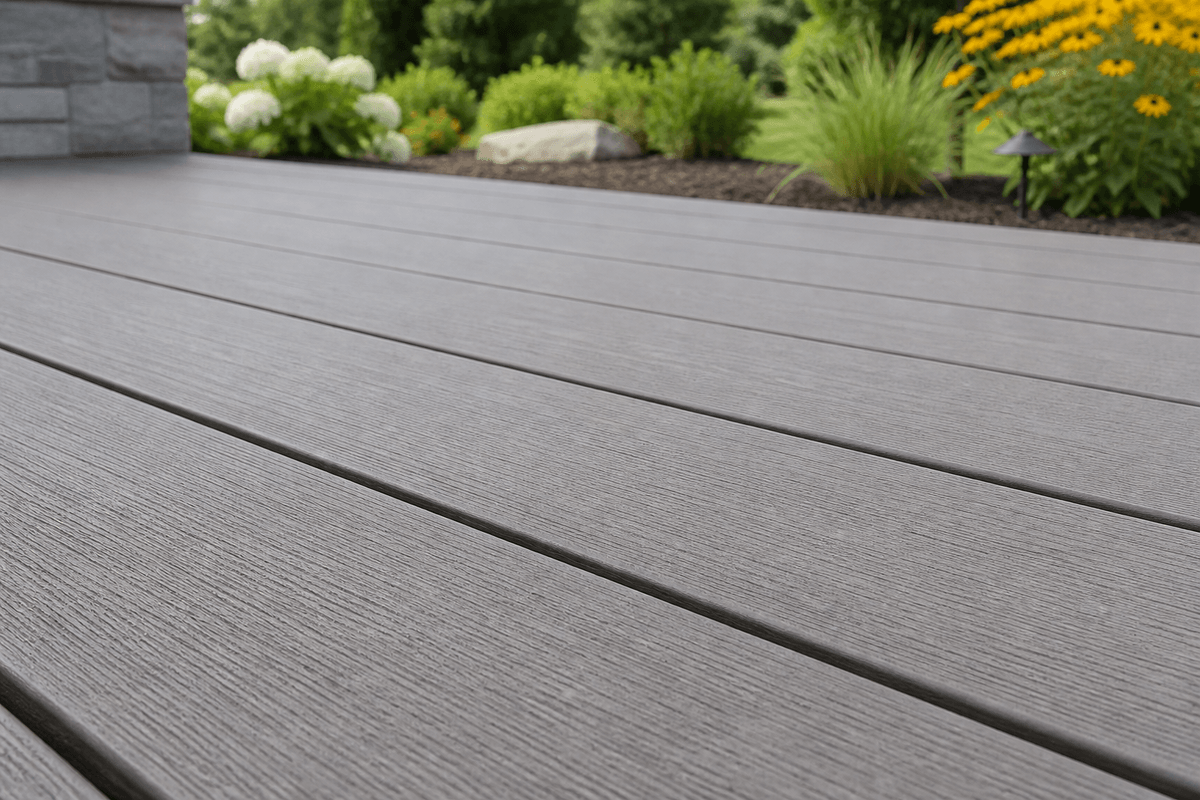
Does composite decking get hot? It can. Composite boards, wood, concrete, stone, and other outdoor surfaces all absorb heat when direct sun and high air temperatures combine. The useful question is not whether a board can become warm. It is how hot a particular color and product will feel on your site during the hours when people actually use the deck.
A shaded morning deck and a west-facing pool deck in late afternoon create very different experiences. Start with exposure, climate, color, and intended use rather than a material label. The composite board selection guide, outdoor color testing guide, and composite decking value test resources can help turn a general heat concern into a product decision.
Color Changes the Amount of Solar Energy Absorbed
Dark surfaces generally absorb more solar energy than light surfaces, which is why a charcoal or deep brown board may feel hotter than a pale gray or tan board from the same family. Grain pattern and color variation can affect the result, but a brochure image cannot predict comfort on a specific property.
Ask for full-size samples in the colors under consideration. Place them side by side over a similar support, expose them to the same sun, and check them at noon and during the late-afternoon peak. The goal is a fair comparison, not a laboratory temperature claim.
Map the Sun Before You Pick the Board

Watch the future deck area through a clear day. Record when the house, trees, pergola, or neighboring structures cast shade. A surface that receives direct sun for two hours has a different comfort profile from one exposed for eight hours. Seasonal sun angles matter too, especially when leaves disappear from deciduous trees.
Mark the places where bare feet, pets, or children are most likely to pause. Pool exits, stair landings, doorways, and dining routes deserve more attention than an edge that is rarely touched. This small site study makes sample testing much more meaningful.
- Test light and dark samples at the same time and location.
- Check the surface during the hottest hour of expected use.
- Include pool exits, stairs, and pet routes in the comfort review.
- Compare shaded and unshaded areas rather than one convenient spot.
- Keep product names with the samples so results do not get mixed up.
Shade Often Solves More Than a Product Upgrade
A pergola, retractable awning, umbrella, or well-placed tree can reduce direct exposure while making the deck more usable for meals and conversation. Shade planning should happen before framing because posts, footings, lighting, and drainage may affect the layout.
Furniture also changes the surface. Air can become trapped under rugs, mats, planters, and low cabinets, and some manufacturers restrict particular rubber- or vinyl-backed products. Check the care guide before adding coverings as a heat solution. The installation planning guide and low-maintenance decking overview articles provide broader planning context.
Heat-Mitigation Claims Need a Fair Comparison
Some decking collections use heat-mitigating technology or lighter formulations intended to reduce surface temperature compared with standard boards. These products can improve comfort, but they can still become hot in strong sun. Read what the comparison is based on: the same color, a competing product, or a manufacturer's earlier board.
Do not transfer one collection's performance statement to every composite board. Review the exact product literature and test physical samples. The manufacturer comparison guide guide helps organize brand research, while the warranty questions checklist checklist keeps performance language separate from written warranty coverage.
Design for the People Who Will Use the Deck
Adults wearing shoes may tolerate a surface that is uncomfortable for a toddler, an older person, or a dog. Hot-day habits matter as much as material: provide shade, keep footwear nearby, and avoid extended bare-skin contact when the surface feels hot. Water can cool a small area temporarily, but it should not replace safe judgment or create a slipping concern.
Near a pool or spa, evaluate heat and wet traction together. A cooler surface is not automatically a grippier one, and a textured board is not immune to algae or residue. Product choice, drainage, cleaning, and shade should work as one plan.
Framing and Ventilation Affect the Whole Outdoor Space
Surface temperature is driven mainly by sun and product characteristics, but the overall comfort of the deck also depends on airflow and surrounding materials. A low deck enclosed with solid skirting can feel different from an elevated, open structure. Reflected heat from pale masonry, glass, metal railings, or a pool deck can intensify the experience even when the boards are unchanged.
Plan ventilation and drainage according to the selected system rather than improvising openings after construction. Leave required clearances at walls and thresholds, and do not block the underside with stored items. These details support drying and make the space easier to inspect, while shade and board color address direct solar gain above.
If the site includes a grill, fire feature, or outdoor heater, follow manufacturer clearances and use approved protection. Heat from equipment is a separate issue from ordinary solar warming and should never be judged by touching a sample.
A Simple Sample Test Gives the Best Local Answer
Build a short list from the decking and flooring options options, then test the finalists outdoors for several days. Photograph where each sample sits, note weather and shade, and handle them only when it is safe. A non-contact infrared thermometer can help compare samples, but comfort and safe-use observations remain essential.
The best choice balances appearance with the hottest realistic use case. For help narrowing colors and profiles, contact Composite Deck Pro with site photos, compass orientation, climate, shade plans, and the areas where barefoot use matters most.