
Why Manufacturer Choice Feels Hard
Comparing composite board manufacturers can feel harder than comparing the boards themselves. Product lines often overlap in photos, while differences in profile, finish consistency, and support materials show up later. That is why buyers should begin by defining the project need before ranking brands.
Composite Deck Pro's Composite Deck Pro floor page, composite floor maintenance guide, deck board width guide, decking length guide, and installation planning article offer a good structure for that evaluation. They shift the conversation toward fit, detailing, and ownership priorities rather than vague brand impressions.
Judge the Manufacturer by the System It Supports
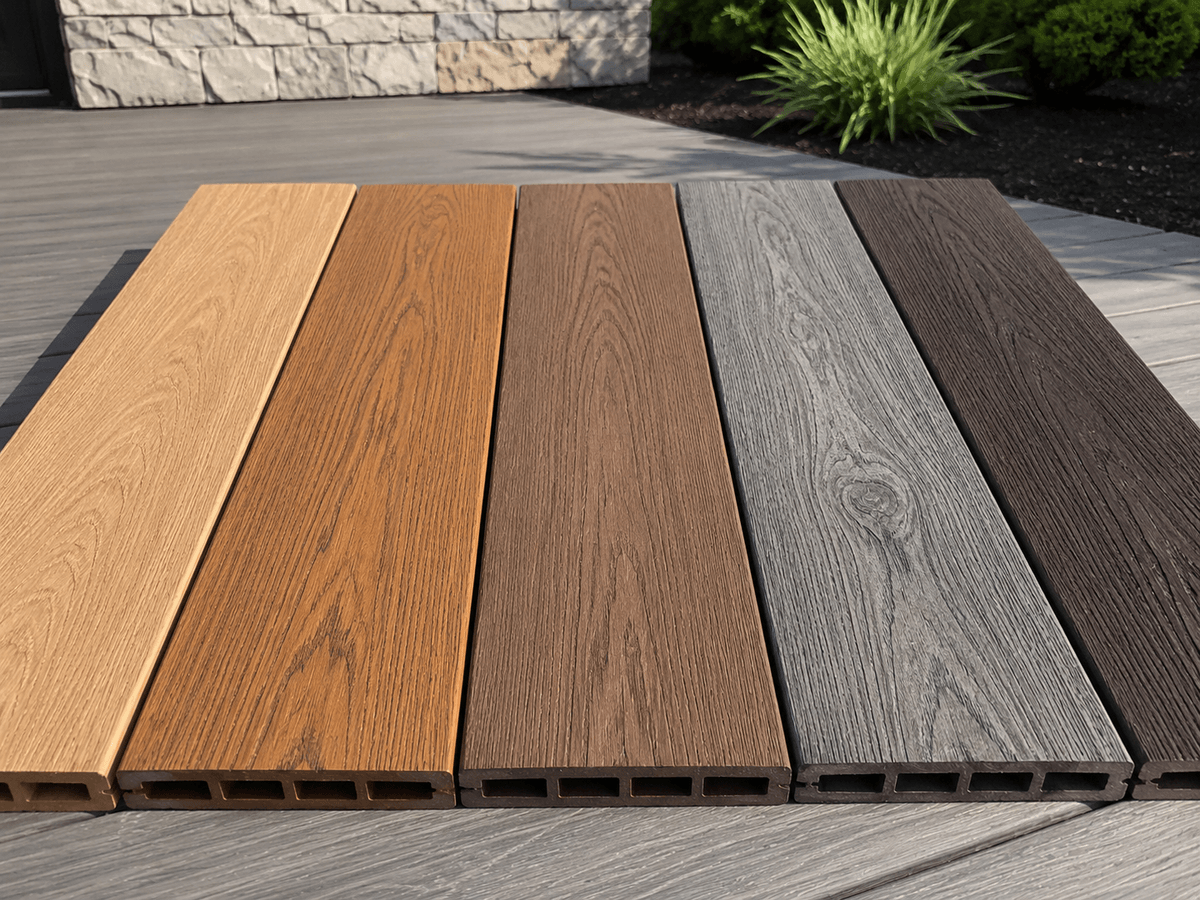
A manufacturer is more useful when its product range, installation guidance, and finishing accessories actually support the kind of deck you are trying to build. A brand with attractive samples but weak fit for stairs, fascia, or clean perimeter detailing may be less valuable than a less glamorous brand with a better system.
That is also why consistency matters. Board tone, texture, and accessory coordination can affect the finished result at least as much as a big-name label.
- Check whether the manufacturer offers board formats that suit your layout.
- Review installation guidance and movement recommendations before buying.
- Compare how coherent the stairs, fascia, and trim options are.
- Look at whether the finish reads natural or repetitive in larger expanses.
- Prioritize a manufacturer whose system solves your specific build conditions.
Product Fit Beats Brand Prestige

Homeowners sometimes assume the best-known manufacturer will automatically produce the best deck. But a smaller or less talked-about supplier can be the better choice if its board dimensions, color options, or maintenance profile are better suited to the project. Fit always matters more than recognition.
That is why the grooved deck board guide, expansion gap article, composite floor decking article, heat and sunlight article, and contact page resources are useful in parallel. They help buyers turn a manufacturer comparison into a project comparison.
Use the Project to Filter the Market
A shaded family deck, a hot roof terrace, and a minimalist courtyard platform should not all be filtered the same way. Once the project is clearly defined, manufacturer choices get easier because the noise falls away. Some products make more sense for wood-look warmth, some for low upkeep, and some for crisp modern detailing.
This approach also protects buyers from paying for features they do not need. The right manufacturer is the one whose product line fits the build, not the one with the loudest claim.
Conclusion
Choosing among composite board manufacturers becomes more manageable when you start with the project rather than the brand. Compare system fit, detailing support, maintenance expectations, and board format together. That gives you a basis for selection that will still make sense once the deck is built.
Questions to Settle Before You Order
Before committing to composite board manufacturers, it helps to pressure-test the choice against the actual project instead of against product marketing. Think about the deck's exposure to sun and moisture, how visible the edge details will be, and how much maintenance the owner will realistically accept after the excitement of the build has passed. Those answers usually matter more than a single specification or a dramatic sales claim.
It is also worth checking whether the board format supports the layout you want without creating avoidable waste or awkward seams. Composite Deck Pro's deck board width guide, decking length guide, installation planning article, expansion gap article, and contact page give useful next steps when the decision is narrowing. A deck usually performs best when the product choice, the layout, and the maintenance expectations all agree with each other from the start.
- Confirm the board size and profile suit the planned framing and stair details.
- Check how the chosen color and texture will behave in your sun, shade, and cleaning conditions.
- Review internal guides and installation notes before locking the material order.
- Choose the option that fits long-term ownership habits, not just first impressions.