
A composite decking expansion gap is not an optional visual preference. It is part of how the deck handles temperature change, moisture, drainage, and everyday movement. When gaps are planned correctly, the surface looks cleaner and performs better. When they are ignored, boards can feel crowded, trap debris, or create problems at ends, borders, and fixed objects.
This is especially important for homeowners who choose composite decking because they want a durable, low-maintenance outdoor surface. Composite Deck Pro's flooring solutions page points to durable, water-resistant, stain-resistant materials, but even strong materials need correct installation details.
Why Composite Boards Need Room to Move
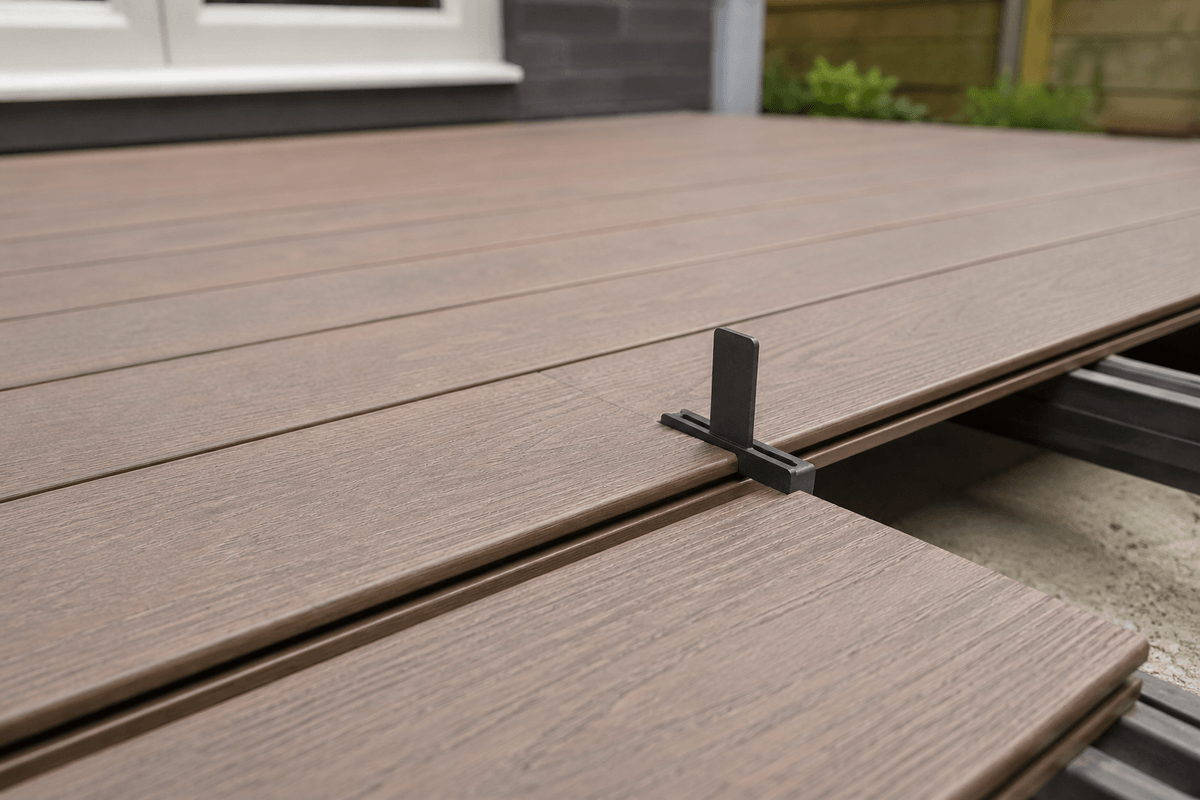
Composite decking can expand and contract as temperature changes. The amount of movement depends on board material, length, temperature at installation, direct sun, color, and the manufacturer's instructions. Longer boards and darker colors may need more attention because they can experience more noticeable temperature effects.
The goal of an expansion gap is to leave enough room for normal movement without making the deck look unfinished. That balance is why spacing should be based on the chosen product, not guessed from an old wood-deck habit.
Where Gaps Usually Matter Most
- Side-to-side gaps: Help drainage, airflow, and surface cleaning between boards.
- End-to-end gaps: Allow board ends to move without pressing together.
- Wall gaps: Keep decking from crowding siding, posts, or fixed structures.
- Picture-frame borders: Need careful planning so field boards and border boards move correctly.
- Stair details: Require secure fastening while still respecting product spacing rules.
Spacing Is Also About Water
Many people think an expansion gap is only about heat movement. Drainage matters just as much. Outdoor decks need gaps that let rainwater, melting snow, pollen, and cleaning water move through the surface instead of sitting between boards. Good airflow also helps the framing and underside stay healthier.
Composite Deck Pro's article on composite decking spacing is useful here because it connects spacing with durability, not just neat installation. A clean gap pattern can make the deck easier to maintain and better prepared for seasonal changes.
Do Not Guess the Gap Size
There is no single expansion gap that fits every composite deck. Product instructions should always control the final number. A deck installed on a cool morning may behave differently from one installed in strong afternoon heat. Boards cut to long lengths may need different end spacing than shorter sections. Fastener systems can also influence the way spacing is held during installation.
If you are comparing product types, Composite Deck Pro's overview of wood plastic decking boards can help you understand why material category matters. Different composite and WPC products may have different installation rules.
Board Width and Length Change the Planning
Expansion planning is easier when board width and length are decided early. Wider boards can change the visual importance of gaps. Longer boards may create more noticeable end movement. If the layout includes long uninterrupted runs, borders, or breaker boards, spacing needs to be part of the drawing before materials arrive.
Composite Deck Pro's deck board width guide and decking lengths article are helpful companion resources because size decisions and expansion decisions are connected.
Fasteners Help Hold the Plan Together
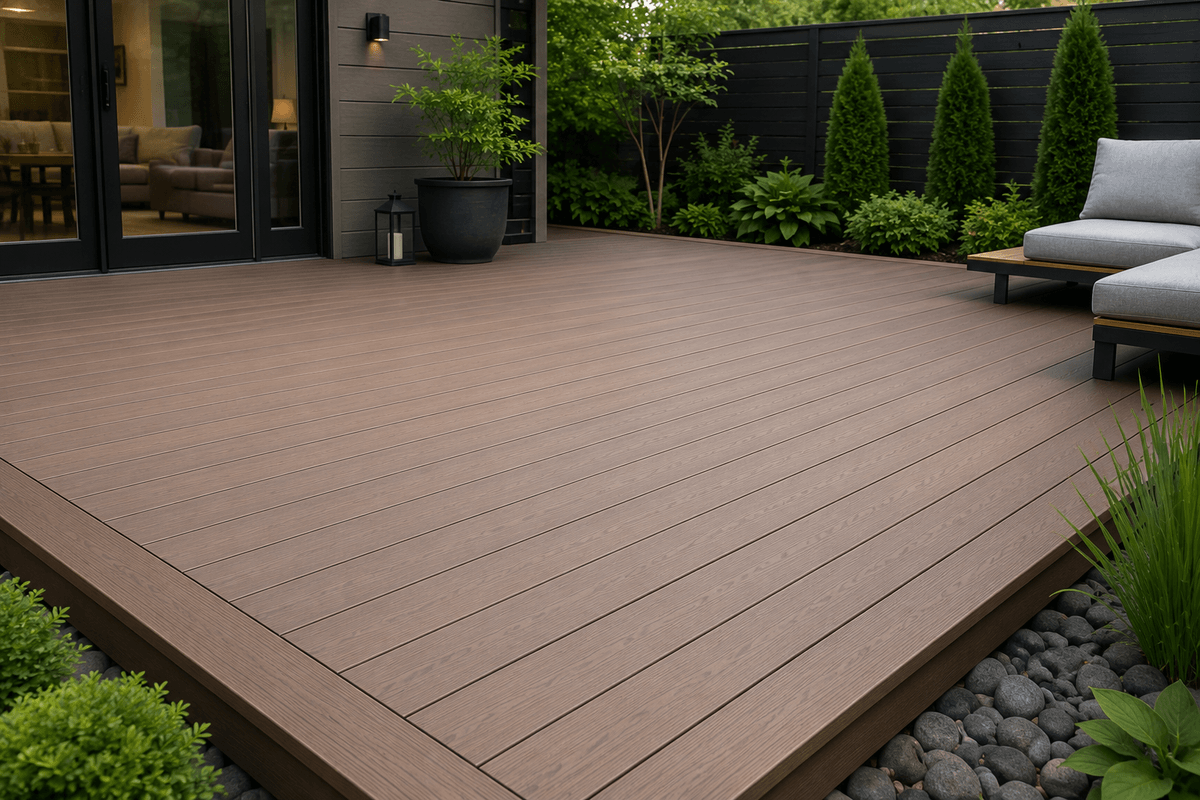
Good spacing is hard to maintain if the fastening system is wrong for the board profile. Grooved boards often use hidden clips that help create consistent side gaps. Flat or square-edge boards may need a different fastening approach, especially at borders and stairs. The best deck layout treats boards and fasteners as one system.
If you are considering hidden fasteners, Composite Deck Pro's article on grooved deck boards explains how profile choice affects installation. This matters because fasteners are not just cosmetic. They help boards stay aligned while still allowing the deck to behave correctly.
Common Gap Mistakes to Avoid
The biggest mistake is installing boards too tight because the deck looks cleaner on day one. Tight joints may trap water or leave no room for seasonal movement. Another mistake is using the same spacing at every condition without checking end gaps, wall gaps, stair details, and border boards separately. Finally, installers sometimes forget that dirt and leaves can fill gaps over time, so the deck should be cleaned before buildup becomes a problem.
A better approach is to plan expansion, drainage, cleaning, and visual layout together. Composite decking can be low maintenance, but correct spacing is one of the details that helps it stay that way.
Final Thought
The composite decking expansion gap may seem small, but it has a large effect on deck performance. It protects against crowding, supports drainage, improves cleaning, and helps boards respond to changing temperatures. Before installation, confirm the product instructions, choose the right board profile, plan end gaps and wall gaps, and make sure the fastening system matches the layout. Composite Deck Pro can help homeowners compare board sizes, composite materials, WPC flooring, and installation details before building a deck that is easier to enjoy long term.