
Introduction
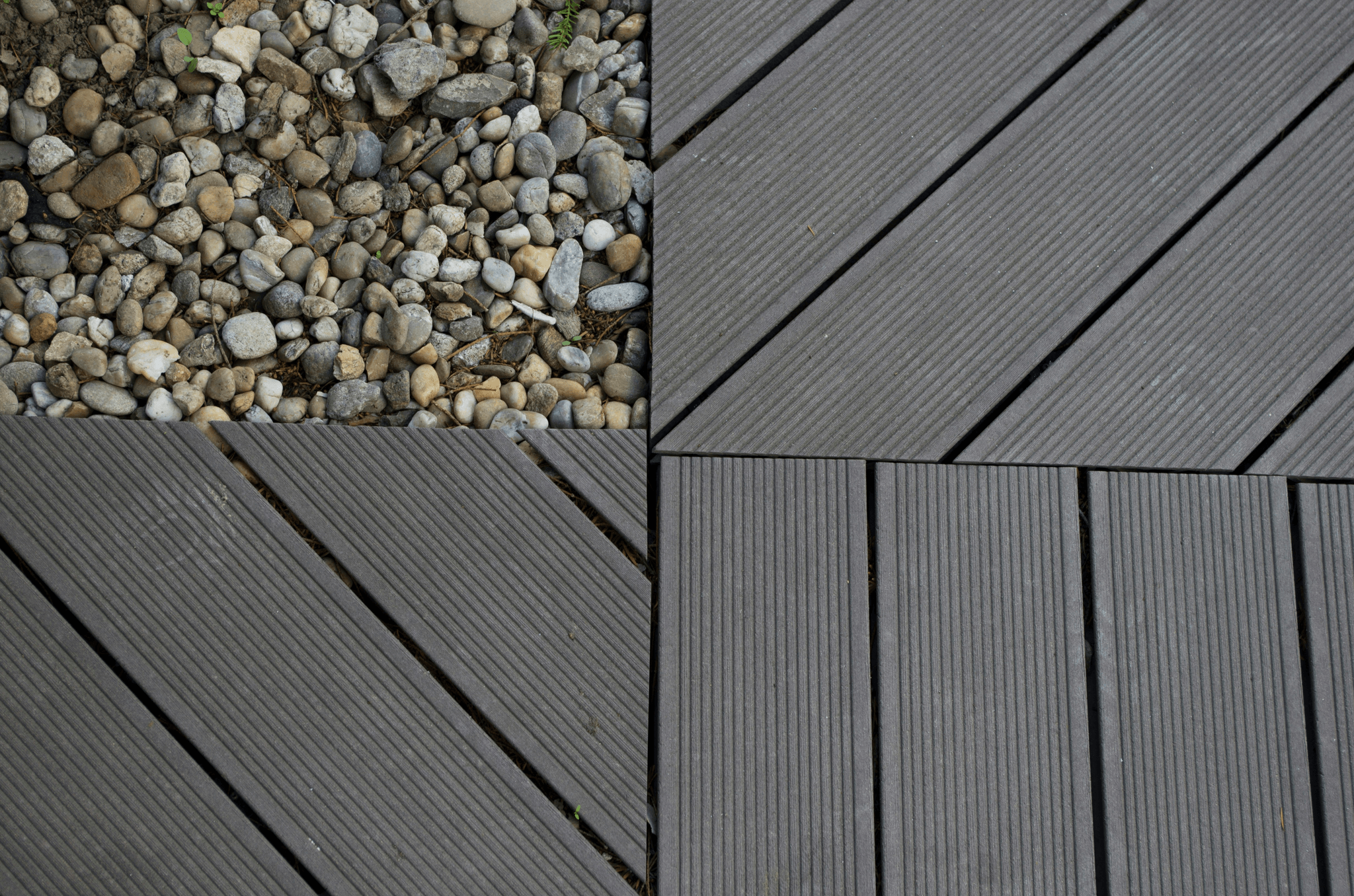
When it comes to outdoor living spaces, the choice of decking board lengths can make or break your deck's appeal and functionality. Selecting the right length not only influences the aesthetic but also affects installation efficiency and material waste. In this guide, we'll explore various decking options, including wood and composite decking, to help you make informed decisions.
Understanding Decking Board Lengths
Decking board lengths typically vary from standard sizes like 8, 10, 12, 16, and even 20 feet. These dimensions are crucial because they directly impact how your deck will look and perform over time. Whether you're considering composite lumber decking or traditional wood options, understanding these lengths is fundamental in creating a beautiful outdoor space.
Importance of Choosing the Right Length
Choosing the right decking board lengths can save you both time and money during installation while ensuring a visually appealing result. Incorrect lengths may lead to unnecessary cuts or gaps that could compromise the integrity of your deck structure. Additionally, selecting appropriate lengths allows for better alignment with your design vision and enhances overall aesthetics.
Overview of Decking Options
There are several choices when it comes to decking materials—each offering unique benefits depending on your needs. Composite decking has gained popularity for its durability and low maintenance requirements compared to traditional wood options. From composite wood decking boards to innovative deck composite decking solutions, exploring all available materials will help you find the best decking fit for your project.
Common Decking Board Lengths
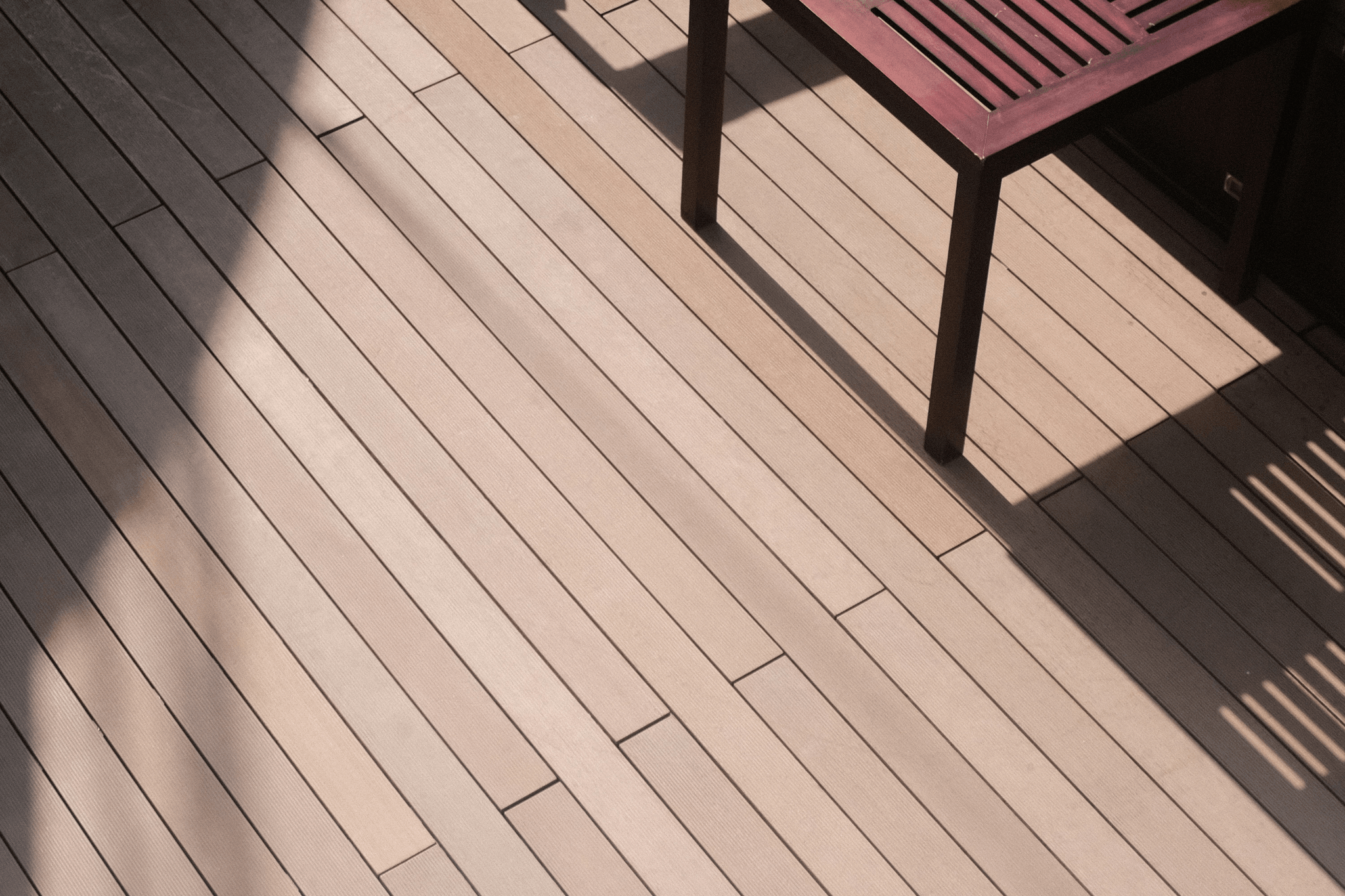
When it comes to decking board lengths, understanding the standard sizes can help you make the best choice for your project. Decking boards typically come in various lengths, with common sizes being 8, 10, 12, 16, and even 20 feet. These standard lengths cater to different design needs and installation preferences, ensuring that you have options that fit your specific deck layout.
Standard Sizes Explained
Standard decking board lengths are designed to provide versatility for a range of projects. For instance, shorter boards like 8 or 10 feet are often used for smaller decks or areas where precise fitting is necessary. On the other hand, longer boards such as 16 or even 20 feet are ideal for expansive spaces and can reduce the number of seams in your deck composite decking project.
In addition to length, width and thickness also play crucial roles in determining how these boards will perform over time. Composite wood decking boards usually come in widths of around 5.5 inches and thicknesses of about 1 inch. By choosing the right combination of dimensions alongside appropriate decking board lengths, you can create a sturdy foundation that enhances both functionality and aesthetics.
Factors Influencing Board Length
Several factors influence which decking board lengths will work best for your specific needs. One primary consideration is the overall size and shape of your deck area; larger spaces may benefit from longer boards to minimize joints and create a seamless appearance with composite lumber decking options. Additionally, local building codes may dictate certain requirements regarding spacing and length for safety reasons.
Another factor includes material choice; composite decking often comes in longer lengths compared to traditional wood due to its manufacturing processes. This flexibility allows homeowners more creative freedom when designing their outdoor spaces while ensuring durability against weather elements. Lastly, budget constraints can also limit choices—longer boards tend to be pricier than their shorter counterparts.
Pros and Cons of Different Lengths
Choosing between various decking board lengths has its advantages and disadvantages worth considering before making a purchase decision on the best decking material for your project. Longer boards offer fewer seams which not only enhance visual appeal but also reduce potential weak points where water could accumulate or pests might infiltrate—definitely something to keep in mind when selecting composite wood decking boards.
Conversely, shorter boards can be easier to handle during installation but may require more cuts which could lead to increased waste—a factor that could impact your budget if you're working with expensive materials like high-quality composite decking products. Furthermore, if you're working with unique layouts or angles on your deck design, having a variety of lengths available allows greater flexibility during installation.
Ultimately, understanding these pros and cons will help you make informed decisions about which decking board lengths align best with both functional requirements and aesthetic goals while ensuring longevity in maintenance needs down the line.
Calculating the Right Length for Your Deck
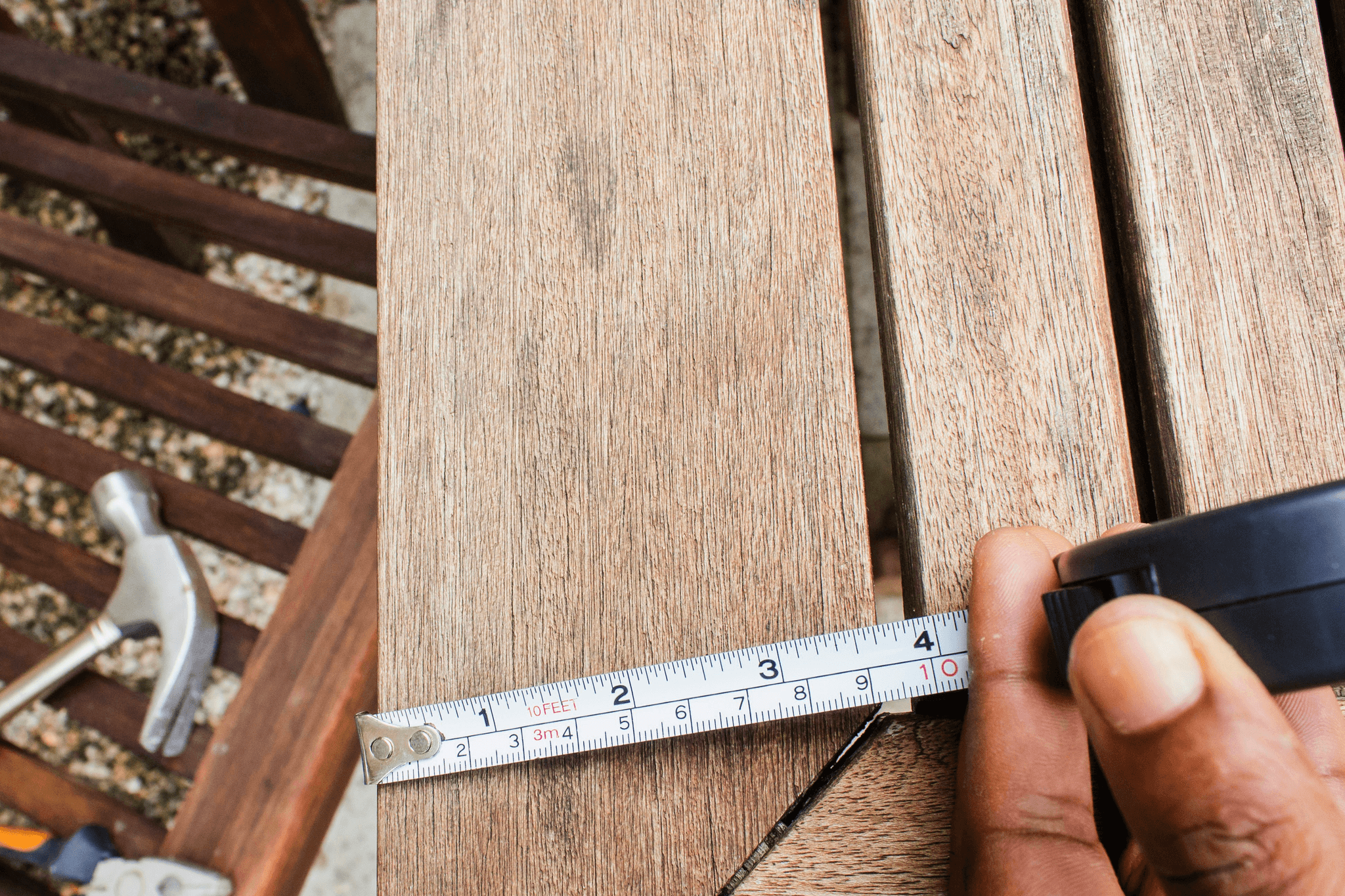
When it comes to achieving the perfect outdoor space, calculating the right decking board lengths is crucial. Knowing how to measure your area accurately can save you time, money, and a whole lot of frustration down the line. With a little bit of planning and the right tools, you can ensure your deck looks fantastic and functions well.
Measuring Your Space Accurately
Accurate measurements are the foundation of any successful decking project. Start by measuring the length and width of your deck area, taking note of any irregularities such as curves or obstacles like trees or posts. Remember, when working with composite decking materials like composite wood decking boards, precision is key; even a minor miscalculation can lead to wasted space or excess material.
Once you have your basic dimensions down, consider sketching a layout of your intended design. This will help visualize how different decking board lengths will fit together seamlessly within your space. By being meticulous in this initial phase, you'll set yourself up for success when it comes time to choose your materials.
Accounting for Waste and Cuts
No matter how precise your measurements are, it's wise to account for waste and cuts when selecting decking board lengths. During installation—especially with composite lumber decking—there's often some loss due to cutting boards to fit around edges or corners. A good rule of thumb is to add an extra 10% to 15% on top of your total calculated board length.
This additional material not only compensates for mistakes but also allows for future repairs if needed. After all, even the best decking can succumb to wear over time; having extra boards on hand makes maintenance much easier! So be sure that when you're budgeting for materials, you're factoring in this potential waste upfront.
Tools for Precise Measurement
To achieve accurate measurements that truly reflect your desired outcome, investing in quality tools is essential. A reliable tape measure is a must-have; consider one with both imperial and metric units if you're working with various materials like composite decking or traditional wood options. Additionally, using a laser distance measurer can provide quick readings over longer distances without needing two people.
Don't forget about marking tools! A chalk line or carpenters' pencil will help you create straight lines on larger surfaces before cutting into those beautiful composite wood decking boards you've selected as part of your design plan. With these tools at hand and careful calculations underway, you'll be well on your way to creating an outdoor oasis tailored perfectly just for you!
Material Matters: Types of Decking Boards

When it comes to decking board lengths, the material you choose can significantly influence your options and overall project outcome. Two of the most popular choices are wood and composite decking, each offering unique benefits and challenges. Understanding these materials will help you make an informed decision that aligns with your vision for your deck.
Wood vs. Composite Decking
Wood has long been a favorite for decking due to its natural beauty and versatility. However, it requires regular maintenance to prevent rot and weathering, which can affect the longevity of your decking board lengths. On the other hand, composite decking is made from a blend of wood fibers and plastic, providing a low-maintenance alternative that resists fading, staining, and warping—making it an appealing choice for many homeowners.
While traditional wood decks may offer stunning aesthetics, they often come with limitations regarding length options due to their susceptibility to splitting or bending under stress. In contrast, composite lumber decking allows for longer spans without compromising structural integrity or appearance—ideal for expansive outdoor spaces where fewer seams are desired. Ultimately, the choice between wood and composite comes down to personal preference regarding aesthetics versus durability.
How Material Affects Length Choices
The material used in your deck directly impacts the available lengths of decking boards you can select from. For instance, while standard wood boards typically come in fixed lengths (like 8', 10', or 12'), composite materials often provide more flexibility in sizing options due to advanced manufacturing techniques that allow for longer lengths without sacrificing strength or quality. This means if you're aiming for a seamless look with fewer joints in your deck design, opting for composite decking could be the best solution.
Moreover, if you're considering custom lengths or specific dimensions tailored to your space's requirements, composite materials usually offer greater adaptability compared to traditional lumber options. This adaptability can also lead to less waste during installation since you can choose sizes that fit perfectly into your design without needing extensive cutting or adjustments afterward—a significant advantage when working with various decking board lengths.
Exploring Options from Composite Decking Inc
If you're leaning towards composite materials but unsure where to start, Composite Decking Inc offers an impressive range of products designed to cater to diverse needs and preferences in deck construction. Their selection includes various colors and textures that mimic natural wood while providing all the benefits associated with modern composite wood decking boards—durability being at the forefront of their appeal.
Additionally, Composite Decking Inc provides resources on how best to utilize different decking board lengths effectively within your project framework while ensuring optimal performance over time. Whether you're looking for advice on installation techniques or maintenance tips specific to their products, this company stands out as a reliable source of information tailored specifically towards maximizing your investment in quality decking material.
Designing with Decking Board Lengths

When it comes to creating the perfect outdoor space, the choice of decking board lengths can significantly influence your design's overall appeal. Whether you opt for traditional wood or modern composite decking, understanding how these lengths interact with your layout is essential. The right combination can elevate your deck from ordinary to extraordinary.
Creative Layout Ideas
There are countless ways to creatively arrange your decking board lengths to enhance the visual interest of your outdoor area. For instance, using varying lengths of composite lumber decking can create a dynamic pattern that draws the eye and adds texture to your space. You might also consider a staggered pattern or diagonal layouts that use longer boards as focal points while shorter ones fill in gaps, making the best use of your materials.
Incorporating multi-level designs allows for even more creativity with decking board lengths, as different levels can feature distinct lengths and orientations. This not only adds depth but also helps define areas for lounging or dining within your deck composite decking layout. Remember, when selecting the best decking options, think outside the box—literally!
How Length Impacts Aesthetics
The length of your decking boards plays a crucial role in shaping the aesthetics of your deck area. Longer boards tend to create a more streamlined look, which is often associated with modern design trends; they can make spaces appear larger and more open than they actually are. On the other hand, shorter boards can introduce a rustic charm that complements natural surroundings beautifully and works well with composite wood decking boards.
Moreover, how you choose to mix and match different lengths can affect not just style but also functionality; longer boards may be better suited for expansive areas while shorter ones are perfect for intricate designs or small nooks. It’s essential to consider how these elements work together—after all, you want an inviting space that feels cohesive rather than chaotic!
Tips for Visual Balance
Achieving visual balance in your deck design requires careful consideration of how different decking board lengths interact with one another and their surroundings. One effective strategy is to ensure that no single length dominates too heavily unless it serves a specific purpose in your layout—like creating a focal point or guiding movement through space. Aim for an arrangement where various lengths complement each other without overwhelming any particular section.
Additionally, pay attention to color contrasts between materials; if you're using composite decking alongside natural wood accents, balancing those hues will enhance overall harmony in design while showcasing both types beautifully! Finally, don’t forget about incorporating other elements like furniture placement and landscaping; these aspects should align harmoniously with chosen decking material and its respective lengths.
Maintenance Considerations for Lengths
When it comes to decking board lengths, maintenance is a key factor that can significantly affect the lifespan and appearance of your deck. Choosing the right length and material can make a world of difference in how often you need to perform upkeep. Understanding the longevity and maintenance needs associated with different lengths will help you make an informed decision for your decking project.
Longevity of Different Board Lengths
The longevity of decking board lengths varies depending on both the material used and how well it’s maintained over time. For instance, composite wood decking boards tend to outlast traditional wood due to their resistance to rot, splintering, and insects. However, shorter boards may require more frequent replacements if they’re subjected to heavy foot traffic or extreme weather conditions.
Composite lumber decking typically offers a longer life span than standard wood options, reducing the need for replacement over time. When selecting your decking material, consider that longer boards can minimize seams and joints, which are potential weak points that may lead to premature wear. Ultimately, investing in quality materials will pay off in terms of durability and reduced maintenance.
How Length Affects Maintenance Needs
Decking board lengths play a pivotal role in determining how much maintenance your deck will require throughout its life cycle. Longer boards generally mean fewer seams between pieces, which can reduce dirt accumulation and moisture penetration—two major contributors to wear and tear on decks. On the other hand, shorter boards might necessitate more frequent cleaning due to increased joints that trap debris.
Additionally, if you choose composite decking options like deck composite decking or composite wood decking boards, you'll find they often require less maintenance than traditional materials regardless of length. This is because composite materials resist fading and staining better than wood while also being less prone to warping or splitting over time. Therefore, considering both length and material type is essential when evaluating long-term upkeep.
Best Practices for Keeping Your Deck in Shape
To keep your deck looking its best while maximizing its lifespan based on your chosen decking board lengths, follow some essential maintenance practices tailored for each type of material used. For instance, regular cleaning with mild soap and water is crucial for all types—especially for composite lumber decking where stains can be more visible over time. Additionally, applying protective sealants designed specifically for your chosen material can help maintain its appearance.
Inspecting your deck regularly for any signs of damage or wear is also vital; this includes checking fasteners or connectors that may loosen over time due to natural expansion or contraction from temperature changes. If you're using composite decking materials like deck composite decking or best decking options available today, you'll likely find they hold up well under various conditions but still benefit from routine care checks every season.
Lastly, remember that good ventilation beneath your deck helps prevent moisture buildup—an important consideration when working with any length of board as trapped moisture can lead directly to decay issues down the line! By following these best practices tailored specifically around length considerations alongside proper materials selection will ensure you enjoy a beautiful outdoor space year-round without excessive hassle.
Conclusion
As we wrap up our exploration of decking board lengths, it's clear that the choices you make can significantly impact both the functionality and aesthetic appeal of your outdoor space. From understanding the common sizes available to considering how materials like composite decking can influence your decision, every detail matters. Ultimately, selecting the right decking material and length is essential for creating a deck that not only looks great but also stands the test of time.
Key Takeaways on Decking Board Lengths
When it comes to decking board lengths, standard sizes range widely, and knowing these options helps you plan effectively. Composite wood decking boards offer durability and minimal maintenance compared to traditional wood options, making them an increasingly popular choice among homeowners. Remember that while longer boards may reduce seams for a sleek look, they can also lead to more waste if not measured correctly.
Making Informed Choices for Your Deck
Choosing the best decking for your project involves careful consideration of both aesthetics and practicality. Whether you opt for composite lumber decking or stick with classic wood, understanding how different lengths affect installation is crucial. Don't forget to factor in potential waste when calculating how much material you'll need; this ensures you have enough without overspending on unnecessary excess.
Resources for Further Exploration
To dive deeper into the world of decking materials and lengths, consider visiting reputable websites dedicated to home improvement or DIY projects. Many manufacturers provide detailed guides on composite decking options that can further enhance your knowledge about various products available in today’s market. Online forums and community groups are also excellent places to gather insights from fellow deck enthusiasts who have navigated similar choices.