
A Lighter Deck Changes the Whole Backyard Mood
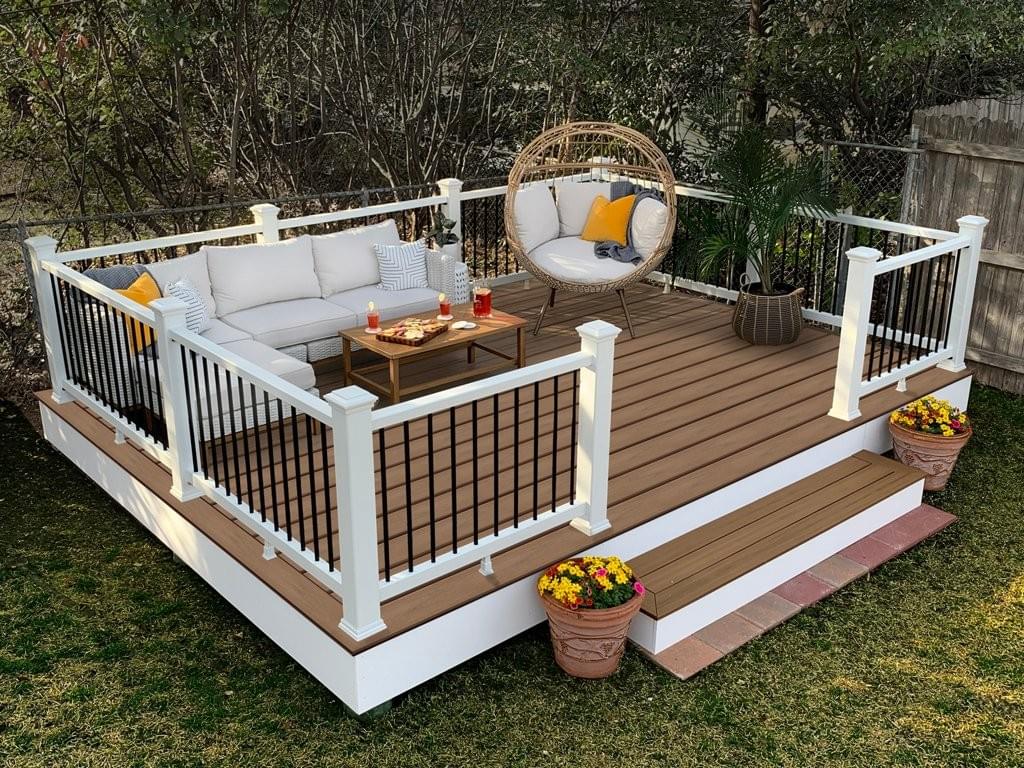
Light wood decking appeals to homeowners who want the outdoor area to feel open, calm, and a little more architectural. Pale decking tones can make a compact space feel larger and can work especially well with white walls, muted landscaping, and coastal or contemporary design language. But light color alone does not guarantee a polished result.
Composite Deck Pro's Composite Deck Pro floor page, deck board width guide, decking length guide, composite floor maintenance guide, and composite floor decking article are relevant here because pale surfaces reveal layout decisions quickly. If seams, borders, and cleaning access are unresolved, a light deck can look messy faster than a darker one.
Color Choice Has Practical Consequences

A light wood decking look can come from natural timber, stained timber, or wood-look composite boards. Each route behaves differently over time. Some woods drift toward grey, some coatings need renewal, and some manufactured boards hold color more predictably. Buyers should decide whether they want the idea of a pale deck or a product that is designed to stay close to one.
This is also where dirt visibility matters. Light boards often show leaf residue, soil, and furniture marks differently than medium tones. That does not make them a bad choice, but it does mean the cleaning routine should match the look you are trying to preserve.
- Use light decking when you want the deck to feel cooler visually and less dominant.
- Pair pale boards with disciplined border details and consistent spacing.
- Avoid overcomplicated patterns that make a light surface feel busy.
- Plan furniture feet and planters so they do not leave obvious contrast marks.
- Choose a texture that adds warmth if the color is very restrained.
Why Board Format Matters So Much on Pale Surfaces
The lighter the deck, the more noticeable the rhythm of the boards becomes. Width, length, and edge profile all shape whether the deck feels calm or fragmented. Wider boards or cleaner seam plans can help a pale surface feel deliberate instead of patchy.
That is why it makes sense to review the deck board width guide, decking length guide, grooved deck board guide, installation planning article, and homepage resources together. A quiet color palette usually works best when the physical layout is equally calm.
Light Tones Work Best With Realistic Expectations
A bright or pale deck can be beautiful, but it should be chosen with eyes open. Some owners want the fresh look and are comfortable with the cleaning that supports it. Others like the appearance in photos but actually want a lower-fuss surface that hides debris better. Being honest about those habits usually leads to a better choice than following a trend.
If the goal is a soft, welcoming backyard surface, light wood decking can absolutely work. It just performs best when color, maintenance tolerance, and board layout are planned as one system.
Conclusion
Light wood decking can make an outdoor space feel larger, brighter, and more refined. The better results come when the pale finish is supported by strong layout decisions and a maintenance routine you will actually follow. Choose the look, then make sure the product and detailing can sustain it.
Questions to Settle Before You Order
Before committing to light wood decking, it helps to pressure-test the choice against the actual project instead of against product marketing. Think about the deck's exposure to sun and moisture, how visible the edge details will be, and how much maintenance the owner will realistically accept after the excitement of the build has passed. Those answers usually matter more than a single specification or a dramatic sales claim.
It is also worth checking whether the board format supports the layout you want without creating avoidable waste or awkward seams. Composite Deck Pro's deck board width guide, decking length guide, installation planning article, expansion gap article, and contact page give useful next steps when the decision is narrowing. A deck usually performs best when the product choice, the layout, and the maintenance expectations all agree with each other from the start.
- Confirm the board size and profile suit the planned framing and stair details.
- Check how the chosen color and texture will behave in your sun, shade, and cleaning conditions.
- Review internal guides and installation notes before locking the material order.
- Choose the option that fits long-term ownership habits, not just first impressions.