
Cheap Compared With What?
When someone searches for a cheap alternative to wood decking, they may be trying to reduce upfront material cost, avoid maintenance spending, or simply find something that does not behave like timber. Those are not the same goals, and they do not lead to the same product choice. A low sticker price can still become expensive if the deck looks poor quickly or demands constant work.
That is why Composite Deck Pro's timber vs composite decking article, composite floor maintenance guide, Composite Deck Pro floor page, composite floor decking article, and contact page are helpful reference points. They keep the conversation focused on value over time, not just the initial invoice.
The Best Alternative Might Not Be the Cheapest Board
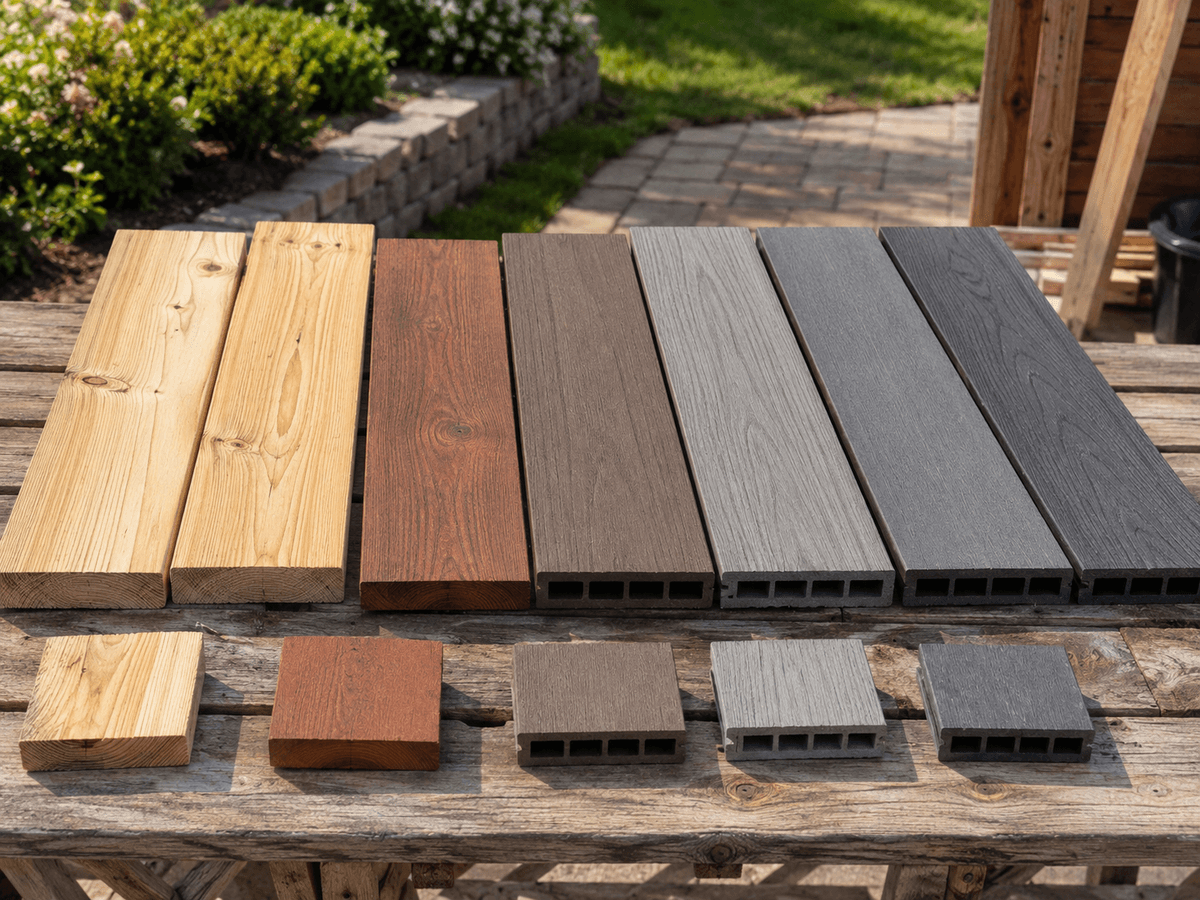
A buyer comparing wood with composite, PVC, or other manufactured surfaces should ask what they are giving up and what they are gaining. Some lower-cost options sacrifice realism, stiffness, or long-term appearance. Others cost more up front but save money later by reducing refinishing, board replacement, or cleanup time.
That is why cheap and economical should not be treated as synonyms. A truly economical choice supports the intended design and the owner's maintenance tolerance without creating regret a year later.
- Separate upfront material price from long-term ownership cost.
- Check whether the alternative needs special framing or hardware.
- Review how visible seams and edge details will look on the chosen board.
- Compare how much cleaning or surface treatment the owner is willing to do.
- Use a realistic lifespan and replacement mindset, not only a first-year budget.
Layout Efficiency Can Save More Than a Material Swap
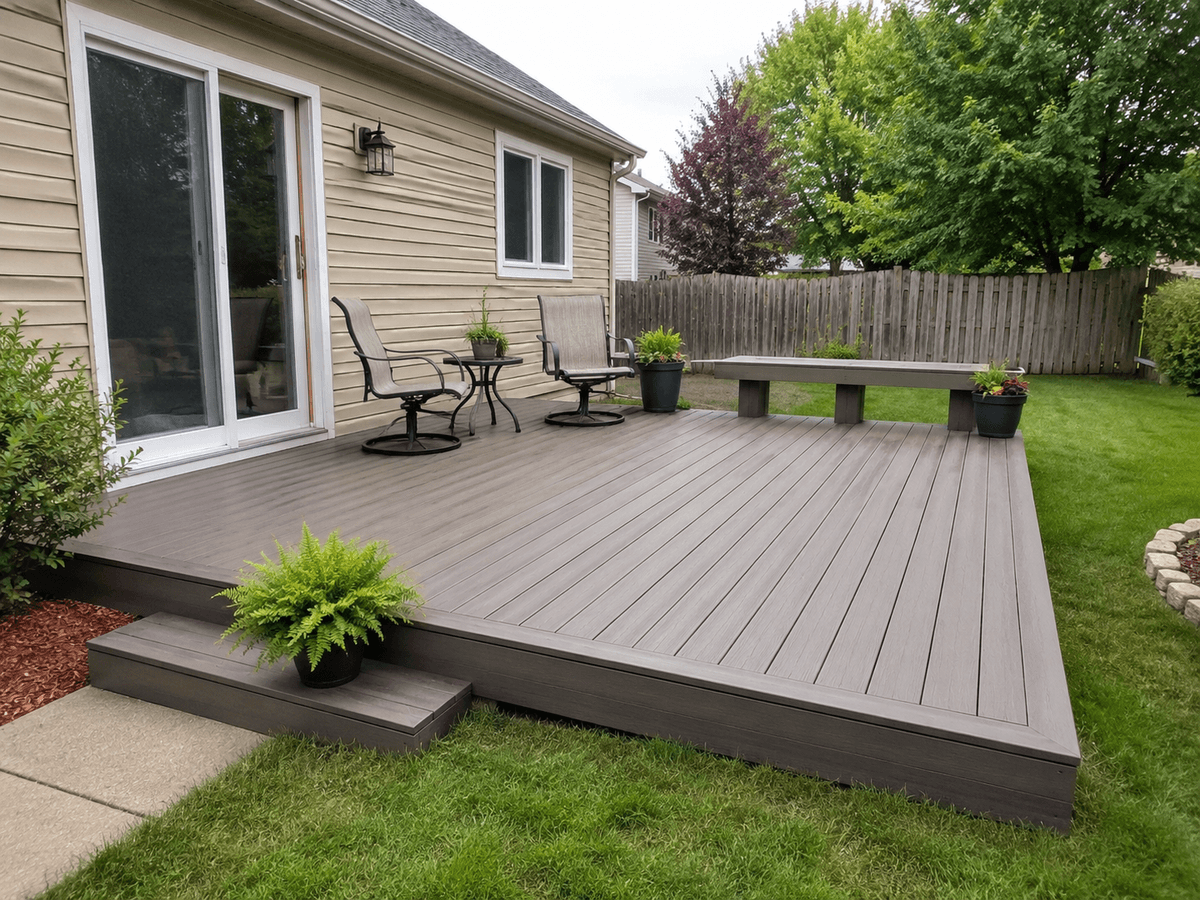
It is common to hunt for a cheaper board when the bigger cost issue is wasteful layout. Board width, length, and seam planning can materially change how much material is needed and how much labor the deck absorbs. Sometimes the better budget move is to simplify the design or choose a board size that fits the platform more cleanly.
That is where the deck board width guide, decking length guide, grooved deck board guide, installation planning article, and expansion gap article pages come in. Design discipline often lowers cost more effectively than simply moving to the cheapest surface in the catalog.
What to Avoid in a Budget Decision
The biggest mistake is chasing a low price while ignoring what the deck needs to do. If the owner wants a refined entertaining space, a bargain board that looks temporary can undercut the whole project. If the owner hates regular maintenance, a low-cost wood option may create frustration that outweighs the savings.
Good budget decisions stay honest about use. An everyday family deck should be judged by comfort, cleaning effort, and how well it keeps looking like part of the home.
Conclusion
A cheap alternative to wood decking is only worth choosing when it solves the right problem. Compare first cost, layout efficiency, maintenance, and appearance as one package. That is the most reliable way to find an alternative that is genuinely affordable rather than merely inexpensive at checkout.
Questions to Settle Before You Order
Before committing to cheap alternative to wood decking, it helps to pressure-test the choice against the actual project instead of against product marketing. Think about the deck's exposure to sun and moisture, how visible the edge details will be, and how much maintenance the owner will realistically accept after the excitement of the build has passed. Those answers usually matter more than a single specification or a dramatic sales claim.
It is also worth checking whether the board format supports the layout you want without creating avoidable waste or awkward seams. Composite Deck Pro's deck board width guide, decking length guide, installation planning article, expansion gap article, and contact page give useful next steps when the decision is narrowing. A deck usually performs best when the product choice, the layout, and the maintenance expectations all agree with each other from the start.
- Confirm the board size and profile suit the planned framing and stair details.
- Check how the chosen color and texture will behave in your sun, shade, and cleaning conditions.
- Review internal guides and installation notes before locking the material order.
- Choose the option that fits long-term ownership habits, not just first impressions.