
Why Ipe Keeps Showing Up in Deck Conversations
Ipe hardwood has a long reputation for density, durability, and a rich finished appearance. That makes it attractive to buyers who want a premium natural material and who are willing to accept that premium wood behaves differently from manufactured decking. The appeal is real, but so are the tradeoffs.
Composite Deck Pro's timber vs composite decking article, composite floor maintenance guide, Composite Deck Pro floor page, deck board width guide, and decking length guide help frame those tradeoffs well. They remind buyers that a deck decision is not only about prestige or species name. It is also about upkeep, detailing, and how the owner wants the deck to age.
Natural Hardwood and Composite Solve Different Priorities
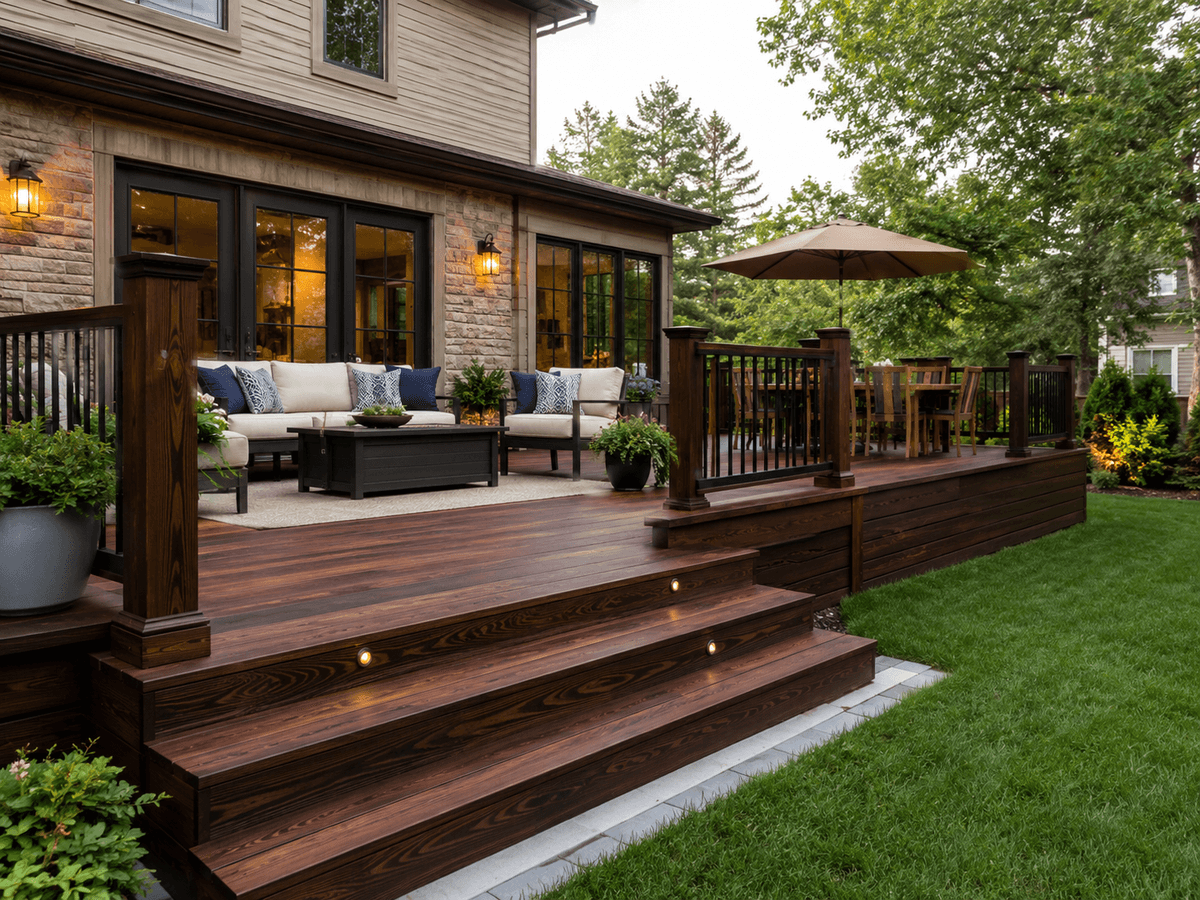
Ipe is usually chosen for natural material character and long-term toughness, not because it is the simplest deck to own. People who love the feel and visual depth of real hardwood often accept that installation and maintenance require more discipline. Buyers who want a more consistent routine and less surface treatment often end up comparing hardwood with composite instead.
Neither approach is automatically right. The better choice depends on whether the owner values natural ageing and density more than easier cleaning and reduced refinishing expectations.
- Choose ipe when authentic hardwood character matters more than simplified upkeep.
- Review fastening and predrilling implications before finalizing the material.
- Plan the weathering path: maintained color versus natural greying.
- Compare stairs, borders, and fascia details carefully because hardwood reveals craftsmanship.
- Be honest about whether the household will actually follow a wood-care routine.
Detailing Matters as Much as the Species
High-end hardwood can still disappoint if the layout is awkward or the proportions feel off. Board width, seam planning, and edge treatment all shape whether the deck looks custom or merely expensive. Material value cannot rescue weak detailing.
That is why the deck board width guide, decking length guide, installation planning article, grooved deck board guide, and homepage pages are still relevant even when the conversation starts with species. Good design and clean installation do at least as much for the result as the wood name itself.
Where Composite Becomes a Serious Alternative
Composite becomes especially competitive when the buyer wants the deck to stay visually consistent with less upkeep. In that case, the decision is no longer only about natural beauty. It becomes a comparison between ownership styles. One path emphasizes hardwood character and maintenance discipline; the other emphasizes predictability and reduced annual effort.
That does not diminish ipe. It simply places it in the right category: a premium natural material for buyers who actively want the realities that come with it.
Conclusion
Ipe hardwood remains an impressive deck material, but it should be chosen for the right reasons. If you want authentic hardwood density and are prepared for the installation and care that follow, it can be a strong choice. If you want a calmer ownership routine, comparing it directly with composite is the more useful next step.
Questions to Settle Before You Order
Before committing to ipe hardwood, it helps to pressure-test the choice against the actual project instead of against product marketing. Think about the deck's exposure to sun and moisture, how visible the edge details will be, and how much maintenance the owner will realistically accept after the excitement of the build has passed. Those answers usually matter more than a single specification or a dramatic sales claim.
It is also worth checking whether the board format supports the layout you want without creating avoidable waste or awkward seams. Composite Deck Pro's deck board width guide, decking length guide, installation planning article, expansion gap article, and contact page give useful next steps when the decision is narrowing. A deck usually performs best when the product choice, the layout, and the maintenance expectations all agree with each other from the start.
- Confirm the board size and profile suit the planned framing and stair details.
- Check how the chosen color and texture will behave in your sun, shade, and cleaning conditions.
- Review internal guides and installation notes before locking the material order.
- Choose the option that fits long-term ownership habits, not just first impressions.