
The Search Is Usually About Risk, Not Just One Product
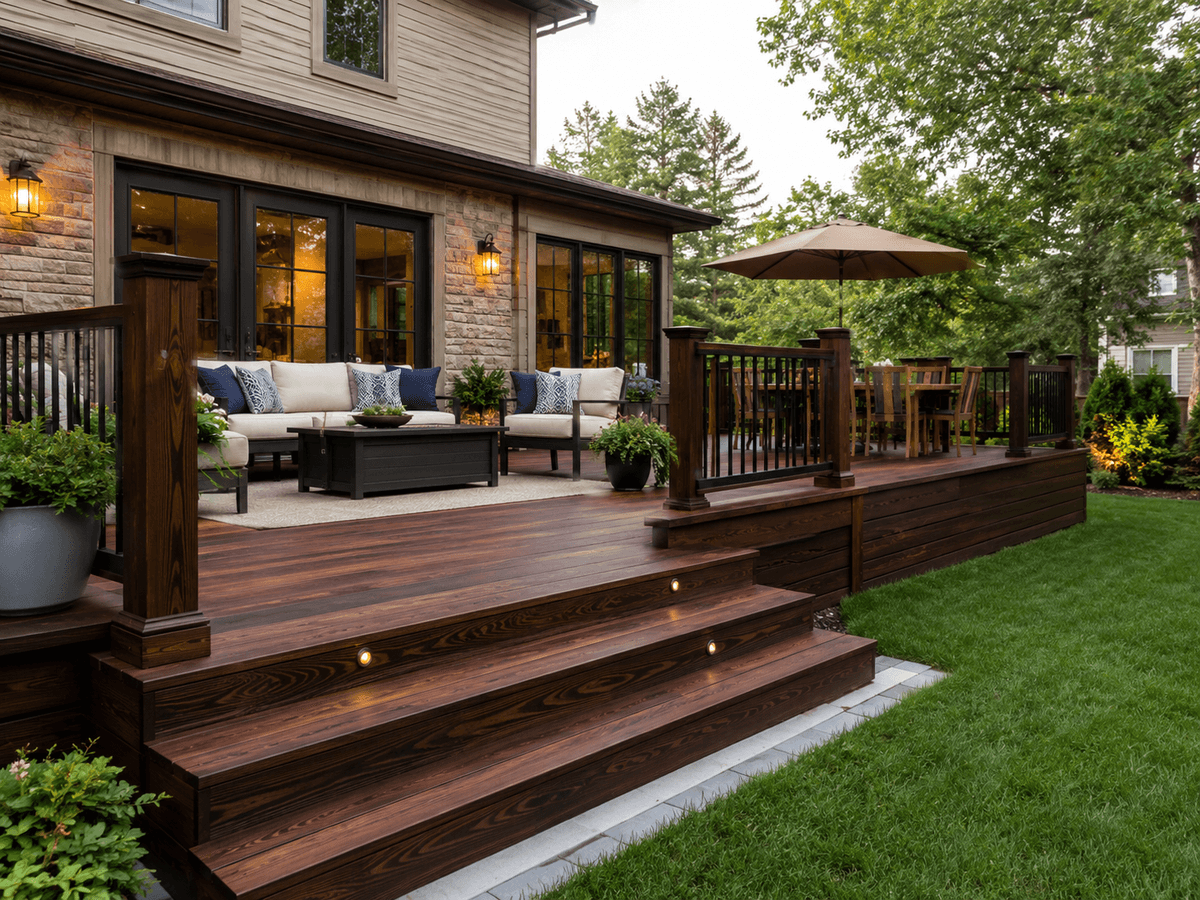
People searching for TimberTech PVC decking problems are usually trying to pressure-test the category before buying. They want to know what can go wrong, what complaints are common, and whether those issues are product flaws or installation and expectation problems. That is a reasonable way to research any premium decking material.
Composite Deck Pro's heat and sunlight article, expansion gap article, installation planning article, composite floor maintenance guide, and Composite Deck Pro floor page are useful here because they map directly to the real concerns: heat in sun, movement, surface feel, cleaning behavior, and whether the board is being used in the right type of project.
Most Complaints Fall Into a Few Repeat Categories
PVC-style decking is often assessed through the lens of heat, expansion, appearance, and tactile feel. Buyers sometimes expect a board that looks like wood, stays cool, never moves, and never shows wear. No outdoor board meets that standard. The question is whether the tradeoffs are acceptable for the climate, layout, and use pattern.
It also matters whether the deck is designed around the product. A board can be judged unfairly when the framing, fasteners, or spacing do not support how it actually behaves outdoors.
- Surface heat in strong sun can be a genuine concern on some colors and exposures.
- Thermal movement must be planned for rather than ignored.
- Texture and sheen can feel less natural than some buyers expect from a sample.
- Scuffs, dirt, or furniture marks may show differently than on wood or capped composite.
- Installation accuracy has a major effect on whether small issues become visible complaints.
How to Evaluate the Category More Fairly
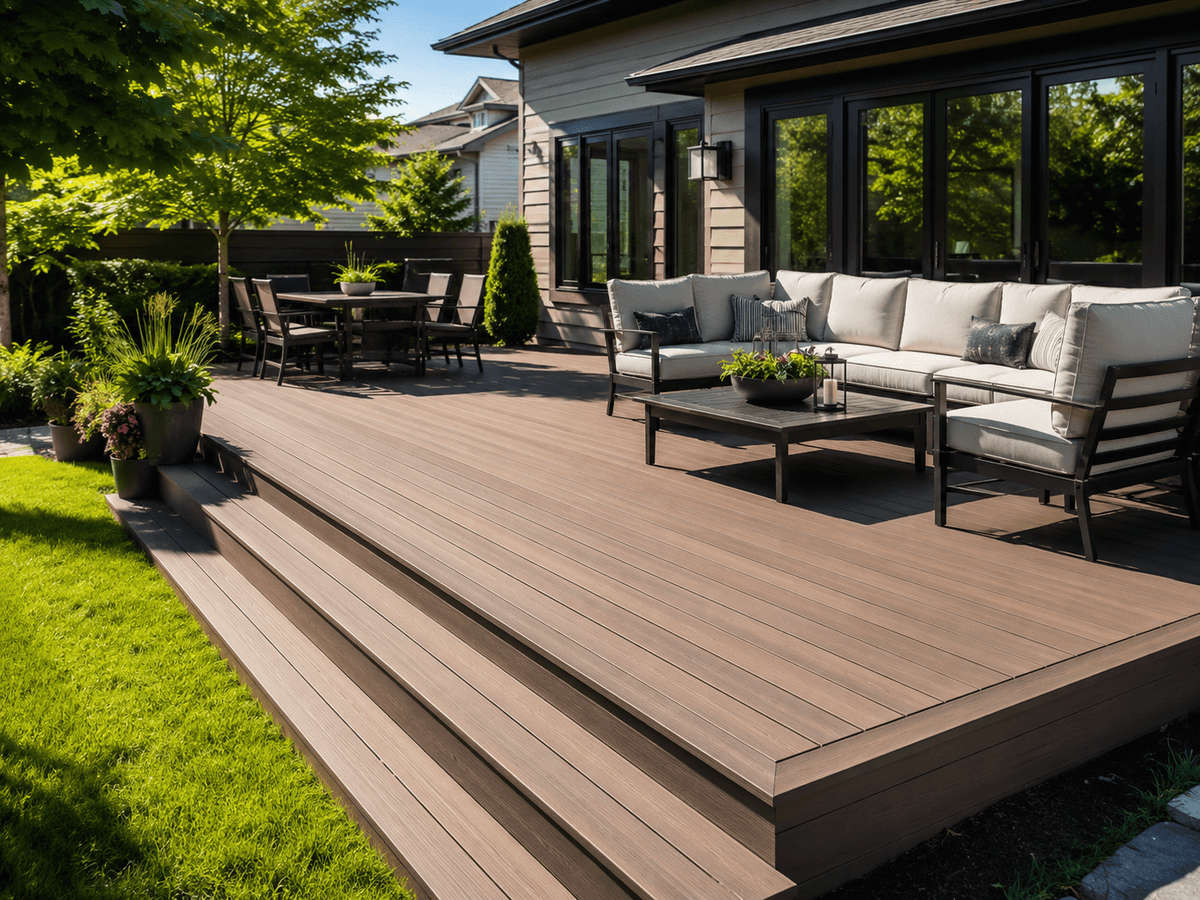
A better evaluation compares PVC decking against the actual alternatives under the same conditions. If the deck is in harsh sun, heat matters. If the owner wants the most wood-like look possible, visual realism matters. If the priority is low upkeep near moisture, the balance may tilt the other way. A category should be judged by how well it matches the project's priorities, not by the hope that it has no compromises.
That is why the deck board width guide, decking length guide, grooved deck board guide, composite floor decking article, and contact page pages are relevant support materials. They help buyers think about how layout, use, and detailing interact with material behavior.
What Buyers Should Do Before Deciding
The smartest move is to inspect the site conditions and the ownership style first. Consider sun exposure, desired look, cleaning habits, and how sensitive the household is to board temperature. Then judge whether PVC-style decking is solving the most important problem better than wood or wood-plastic composite alternatives.
That approach produces a more grounded answer than searching for a perfect verdict. Most deck material decisions are really tradeoff decisions.
Conclusion
PVC decking problems are best understood as a mix of category tradeoffs, project conditions, and installation quality. If you evaluate heat, movement, surface feel, and upkeep honestly, it becomes much easier to decide whether the material fits your project or whether another decking path is the smarter call.
Questions to Settle Before You Order
Before committing to timbertech pvc decking problems, it helps to pressure-test the choice against the actual project instead of against product marketing. Think about the deck's exposure to sun and moisture, how visible the edge details will be, and how much maintenance the owner will realistically accept after the excitement of the build has passed. Those answers usually matter more than a single specification or a dramatic sales claim.
It is also worth checking whether the board format supports the layout you want without creating avoidable waste or awkward seams. Composite Deck Pro's deck board width guide, decking length guide, installation planning article, expansion gap article, and contact page give useful next steps when the decision is narrowing. A deck usually performs best when the product choice, the layout, and the maintenance expectations all agree with each other from the start.
- Confirm the board size and profile suit the planned framing and stair details.
- Check how the chosen color and texture will behave in your sun, shade, and cleaning conditions.
- Review internal guides and installation notes before locking the material order.
- Choose the option that fits long-term ownership habits, not just first impressions.