
The Upfront Price Is Only One Part of Value
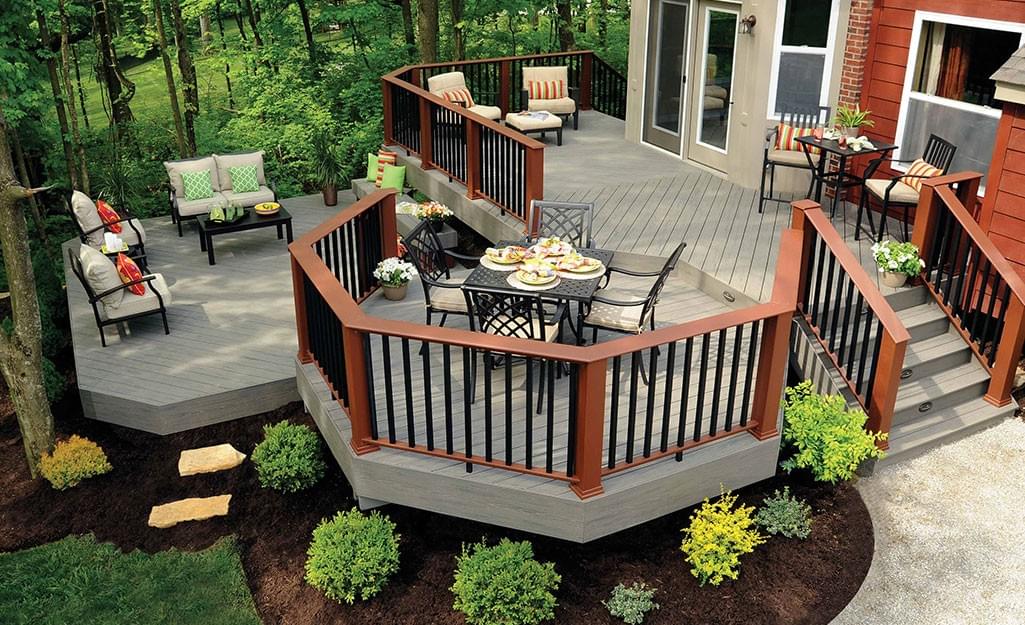
Wood can look less expensive at the start, especially when comparing board price. But a deck should be evaluated across its service life. Wood may need staining, sealing, sanding, board replacement, and more frequent inspection. Composite products may cost more initially, but they often reduce routine refinishing work.
That does not mean composite automatically wins for every project. If a small temporary platform only needs to last a few seasons, wood may be enough. If the goal is a long-term outdoor living space with lower maintenance demands, composite becomes more attractive.
When Composite Decking Usually Feels Worth It
- You want a deck that does not require regular staining or sealing.
- The deck will be used often for dining, entertaining, or family time.
- The site faces rain, shade, pool splash, or other moisture exposure.
- You care about a cleaner finished appearance and consistent board color.
- You prefer predictable maintenance over seasonal refinishing projects.
Composite Deck Pro's article on wood plastic decking boards is a good resource for understanding why composite materials are often chosen as an alternative to traditional wood.
Comfort Can Be the Deciding Factor

Value is not only about durability. A deck that feels too hot, too slippery, too cramped, or too difficult to clean will not be used as often. Composite boards come in different colors, textures, widths, and profiles, and those details affect daily comfort.
If your deck will sit in strong sun, read Composite Deck Pro's article on whether composite decks get hot. Dark colors can look elegant, but lighter tones or shade planning may make the space more comfortable for barefoot use.
Maintenance: Lower, Not Magic
One reason composite decks feel worth it is that they remove many wood-deck chores. You generally are not planning weekends around sanding and staining. Still, composite surfaces need sweeping, washing, and basic care. Leaves, pollen, grill spills, and dirt can affect appearance if ignored.
The realistic expectation is low maintenance, not zero maintenance. Composite Deck Pro's composite floor maintenance guide explains routine cleaning and care in practical terms. If you want a deck that is easier to live with, composite can make sense, but basic cleaning still belongs in the plan.
Design Flexibility Adds Value
Composite decks can support a polished outdoor design because boards are available in different colors, textures, widths, and edge profiles. That makes it easier to create borders, stairs, seating zones, and clean transitions. A good deck often looks better when the material choice supports the layout rather than fighting it.
For example, if you want cleaner fastener lines, grooved deck boards may be useful. If you need exposed borders or stair details, flat or square-edge boards may be better in those locations. A mixed-profile plan can make the finished deck feel more custom without making the design complicated.
Where Composite May Not Be Worth It
Composite is not the right answer for every budget or project. If you enjoy wood maintenance, want a very specific natural lumber character, or are building a short-term deck, the premium may not feel justified. It can also be a poor fit if installation instructions are ignored. Wrong spacing, poor ventilation, weak framing, or incompatible fasteners can reduce the value of even a good product.
That is why planning matters. Composite Deck Pro's article on composite decking expansion issues is a useful reminder that long-term performance depends on correct installation as well as material choice.
A Simple Way to Decide
Ask how long you plan to use the deck, how much maintenance you are willing to do, and how important appearance consistency is to your household. If you want a long-term deck that stays easier to care for and supports a finished outdoor living space, composite decks are often worth the higher initial investment. If lowest upfront cost is the only priority, the answer may be different.
Composite Deck Pro can help homeowners compare composite decking, WPC flooring, board profiles, installation concerns, and maintenance expectations before choosing a material. The best deck is the one that fits both the house and the way people actually use the backyard.