
Where Flat Boards Work Best
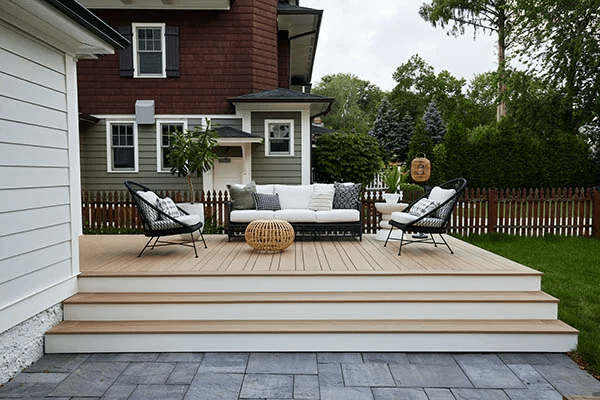
Flat decking boards usually work well in areas where the board edge or face will be visible. That can include stair treads, picture-frame borders, breaker boards, deck edges, fascia transitions, and small platforms where clean lines matter. Because they do not rely on side grooves, they can give installers more flexibility when handling details.
They also suit projects where surface simplicity is important. A flat board can create a steady rhythm across the deck without drawing attention to fastening channels or edge profiles. For modern outdoor spaces, that quieter look can help furniture and landscaping feel more intentional.
Flat vs Grooved Is Really a Fastening Decision
Grooved boards are often chosen because they support hidden fastener clips. Flat boards may be face-fastened or used with compatible systems depending on the product. That means the right board profile should be chosen with the fastening plan, not after it.
If the main deck field uses grooved boards, flat boards may still be needed around the perimeter. Composite Deck Pro's article on grooved deck boards is helpful because it explains why hidden-fastener layouts still need edge planning. A strong deck design often uses both profiles in the right places.
A Practical Checklist Before You Order
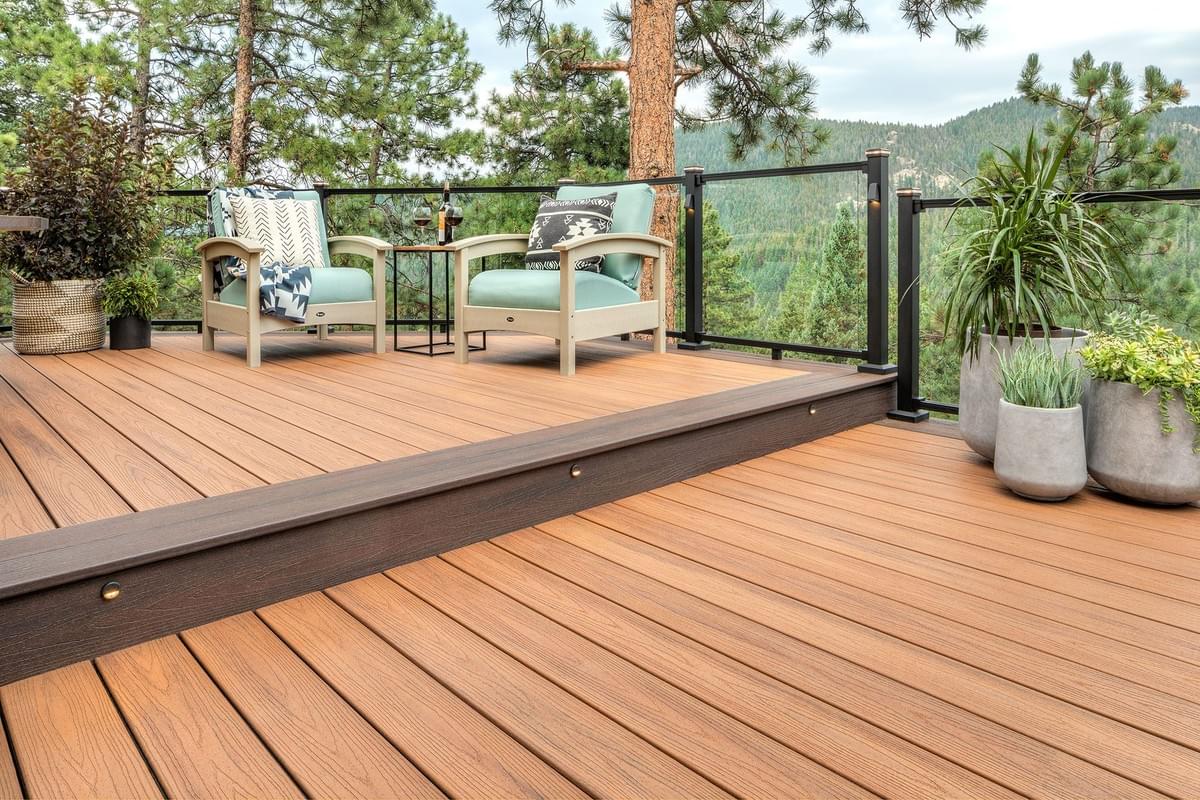
- Check edge visibility: Use flat or square-edge boards where board sides or ends will be seen.
- Confirm fastening method: Do not assume every flat board works with every hidden system.
- Plan stairs early: Stair treads usually need secure fastening and clean exposed edges.
- Review board width: Width changes the surface rhythm and the amount of visible seam line.
- Match color batches: Order related field, border, and stair pieces together when possible.
Spacing Still Matters
Flat does not mean gap-free. Composite and synthetic boards still need correct spacing for drainage, airflow, and temperature movement. The required gap depends on the product, climate, framing, and installation instructions. If boards are installed too tight, the deck may trap water or show movement issues later.
Composite Deck Pro's guide to composite decking expansion issues is worth reading before final layout work. It connects spacing decisions with real durability concerns, especially for wider boards and sun-exposed decks.
How Board Width Changes the Look
Flat decking boards can feel very different depending on width. A narrower board creates more visible lines and a more traditional deck rhythm. A wider board can make the same space feel smoother, broader, and more contemporary. The best choice depends on deck size, house style, and whether you want a bold surface or a quiet background.
If sizing is still open, Composite Deck Pro's article on how wide deck boards are can help you compare actual board width, nominal labels, and layout effects before ordering materials.
Maintenance and Surface Feel
Flat boards are often easier to sweep because there are fewer side channels to hold debris. That can be helpful under trees, around outdoor dining areas, or in damp climates where leaves and dust collect quickly. Still, every deck surface needs routine cleaning. Dirt, pollen, food spills, and wet leaves can affect appearance and traction.
Composite Deck Pro's composite floor maintenance article gives a practical overview of cleaning habits for composite surfaces. The main idea is simple: low-maintenance decking performs best when basic care is consistent.
Flat Boards Are Best When Details Matter
Flat decking boards are not automatically better than grooved boards. They are better for certain details. If your project includes clean stairs, exposed borders, custom trim, or a design where the edges matter as much as the field, flat boards deserve serious attention. If the project is mostly a large field with hidden fasteners, grooved boards may still make sense for the main surface.
The strongest approach is to design the deck as a complete system. Choose field boards, border boards, stair pieces, fasteners, spacing, and maintenance expectations together. Composite Deck Pro can help homeowners compare composite decking, WPC flooring, board sizing, and installation choices before committing to a final material order.