
The Main Benefit Is a Cleaner Surface
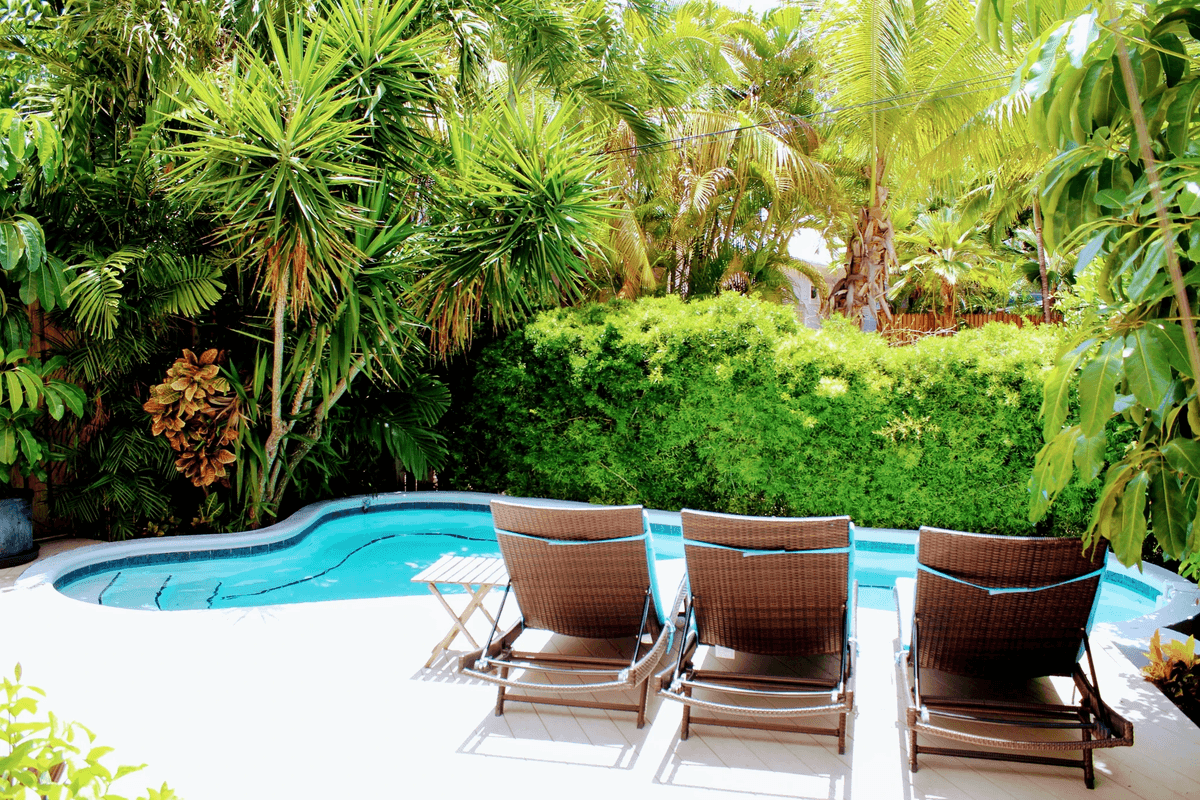
Visible fasteners can make a deck look busier, especially on a modern design with simple furniture and long board runs. Grooved deck boards reduce that visual clutter by working with clip systems between boards. The result is often a more continuous surface that lets the board color and texture stand out.
This is especially useful on entertainment decks, poolside areas, rooftop-style terraces, and small decks where every visible detail is close to eye level. When the deck surface is the main design feature, hidden fasteners can be worth planning around.
What to Check Before Choosing Grooved Boards
- Clip compatibility: Confirm the groove profile matches the fastener system.
- Border needs: Plan whether square-edge boards are needed for picture framing.
- Stair details: Treads and riser transitions may require different board profiles.
- Cleaning conditions: Grooves and gaps can collect leaves or debris in tree-covered yards.
- Expansion spacing: Hidden clips still need to follow product movement rules.
Grooved Boards Are Usually Not the Only Boards You Need
A common mistake is ordering grooved boards for every part of the deck. The main field may be perfect for grooved boards, but exposed edges, stairs, borders, and trim transitions often need flat or square-edge boards. Without that mix, the deck can become harder to finish neatly.
Composite Deck Pro's article on flat decking boards explains why square-edge profiles still matter. The best profile choice is usually based on location: grooved boards for the field, flat boards where edges and fastening control matter most.
Spacing Still Has to Be Correct
Because grooved boards often use hidden clips, the spacing can look more consistent. That is helpful, but it does not remove the need to follow installation instructions. Composite decking still needs room for drainage, airflow, and normal temperature movement. End gaps, wall gaps, and perimeter details should be planned separately from side-to-side spacing.
Composite Deck Pro's guide to composite decking spacing is useful because it shows why gap planning protects the deck, not just the appearance.
Maintenance: Clean Lines Still Need Cleaning
Grooved deck boards can look beautifully clean after installation, but the deck still lives outdoors. Leaves, pollen, dust, food spills, and moisture can collect between boards. In shaded areas or under trees, regular sweeping and washing become more important.
The good news is that composite surfaces are generally designed to reduce traditional wood maintenance work. Composite Deck Pro's composite floor maintenance article covers routine care expectations so homeowners do not confuse low maintenance with no maintenance.
How Width and Length Affect Grooved Board Layout
Grooved boards look best when the layout has been planned before ordering. Board width affects the rhythm of the deck surface, and board length affects seam locations. If the layout includes picture framing, breaker boards, stairs, or multiple deck zones, the material list should account for both grooved field boards and detail boards.
For sizing decisions, Composite Deck Pro's article on deck board width and its decking lengths guide can help connect profile choice with board count, layout, and waste control.
When Grooved Boards Are the Right Fit
Grooved deck boards make the most sense when the project prioritizes a clean surface, hidden fasteners, and a coordinated composite decking system. They are less ideal as a careless all-purpose choice, especially when many exposed edges or custom stair details are involved. A thoughtful mix of profiles usually creates the best result.
If your deck is meant to feel like an outdoor room, grooved boards can help the surface stay visually quiet. Just make sure the fasteners, gaps, borders, and maintenance plan are chosen at the same time. Composite Deck Pro can support that decision with resources on composite decking, WPC flooring, deck board sizing, spacing, and outdoor surface care.