
Introduction
Whether you're leaning towards traditional timber or considering the allure of composite decking, knowing how various factors influence your budget can save you from unexpected expenses. This guide aims to demystify the world of decking prices, helping you make informed choices that align with your vision and wallet.
Understanding Timber Decking Cost
Timber decking cost can vary significantly based on multiple elements, including the type of wood you choose and current market trends. For instance, premium species like mahogany might come with a hefty price tag compared to more common options like pine or cedar. Additionally, as demand for certain deck materials fluctuates, so too will their prices—making it crucial to stay updated on market conditions if you're aiming for the best decking solutions.
Importance of Accurate Calculations
Accurate calculations are vital when budgeting for your deck project because even small miscalculations can lead to substantial financial overruns. Underestimating materials or labor costs could mean compromising on quality or design features you'd prefer in your new outdoor space. By utilizing accurate measurements and understanding all associated costs—including composite decking price—you'll ensure that your dream deck doesn’t turn into a financial nightmare.
How This Calculator Works
Our timber decking calculator is designed to simplify the budgeting process by providing an easy-to-use tool that takes various factors into account. Input details such as deck size, material choice (timber vs. composite), and design complexity to receive a tailored estimate that reflects current pricing trends and labor rates in your area. This streamlined approach empowers you to make confident decisions about whether timber or deck composite decking is right for your project without breaking the bank.
Timber Pricing Factors
Species of Timber Impact
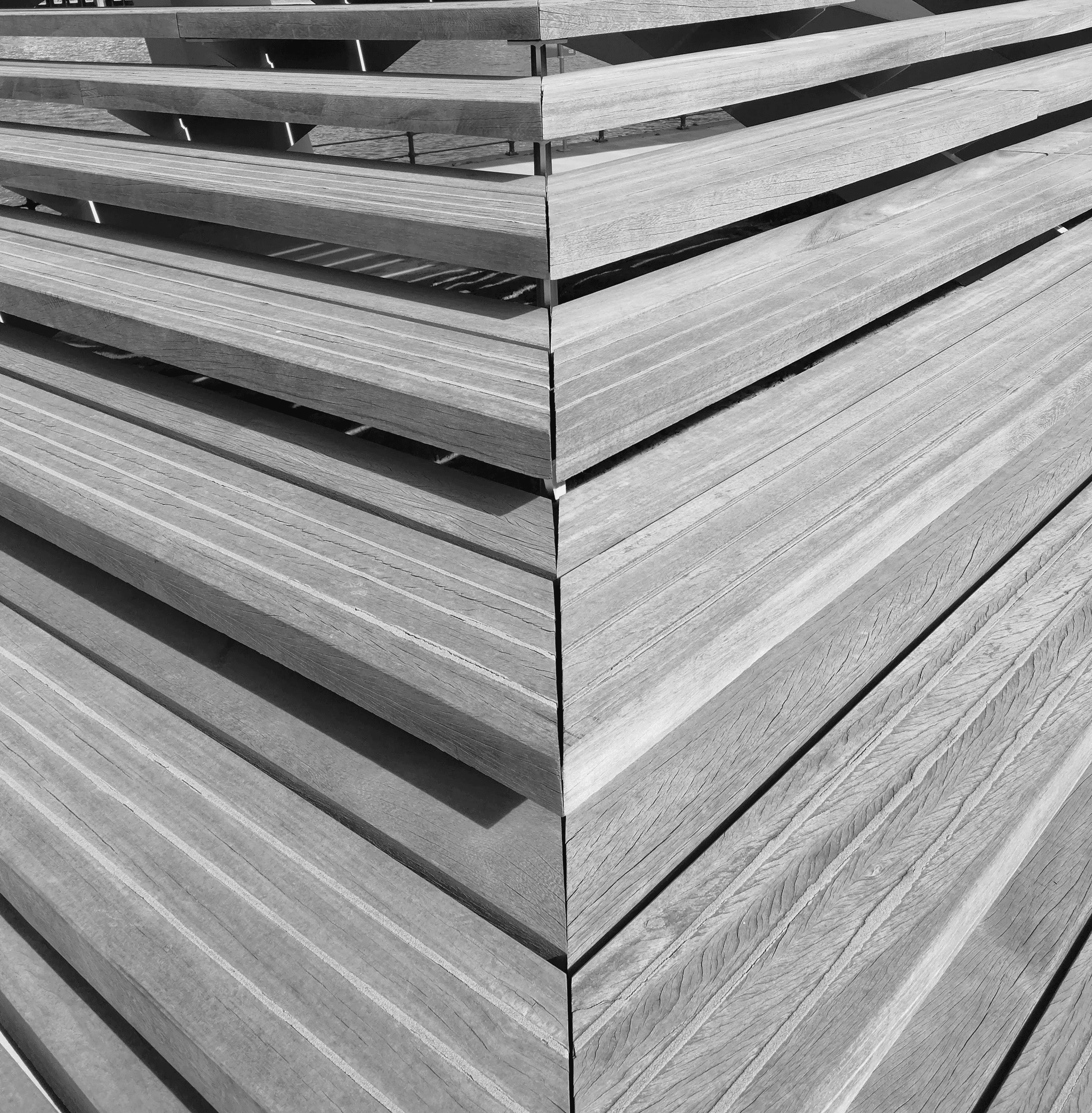
The species of timber you select has a profound effect on your timber decking cost. Different types of wood, such as cedar, redwood, and pressure-treated pine, vary not only in aesthetic appeal but also in durability and price. For instance, while composite decking may seem like an appealing alternative due to its lower maintenance requirements, high-quality deck composite decking options can still rival traditional hardwoods in terms of cost.
Choosing the best decking material means balancing aesthetics with practicality; some species are more resistant to rot and pests than others, which can save you money on repairs down the line. If you're looking at composite deck boards instead of natural wood, consider that while they might have a higher upfront cost, their longevity often makes them a worthwhile investment over time. Ultimately, understanding how different timber species impact pricing helps you align your choices with both budget and desired outcomes.
Market Trends and Availability
Market trends play a crucial role in determining the composite decking price as well as traditional wood prices. Fluctuations in supply and demand can cause significant variations in costs; for example, if there's a surge in popularity for certain types of timber or composite materials due to design trends or environmental considerations, prices may rise accordingly. Keeping an eye on these trends is essential for anyone looking to build or renovate their deck.
Additionally, availability can affect pricing dramatically; if a specific type of wood is scarce due to environmental regulations or logging restrictions, expect its price tag to soar. In contrast, during periods when new sources are discovered or production ramps up for composite materials like PVC or recycled plastics used in deck boards, prices may drop temporarily—offering savvy shoppers an opportunity for savings. Staying informed about market conditions can empower you to make strategic purchasing decisions that enhance both quality and affordability.
Regional Pricing Differences
Regional pricing differences are another vital factor contributing to overall timber decking cost variations across different areas. Depending on where you live, transportation costs can heavily influence material prices; regions closer to lumber mills might enjoy lower costs compared to those requiring long-distance shipping for their supplies. Moreover, local demand for specific types of wood or composite materials could lead to competitive pricing—or inflated rates depending on popularity.
Climate also plays a role; certain woods thrive better in particular environments than others which may limit options available locally—leading homeowners toward more expensive alternatives like imported timbers or premium composites instead of standard local offerings. Additionally, labor costs associated with installation can vary by region based on local wage rates and availability of skilled workers experienced with either timber or deck composite decking installation techniques. Understanding these regional nuances ensures you're equipped with knowledge that helps mitigate unexpected expenses when planning your project.
Deck Size and Design
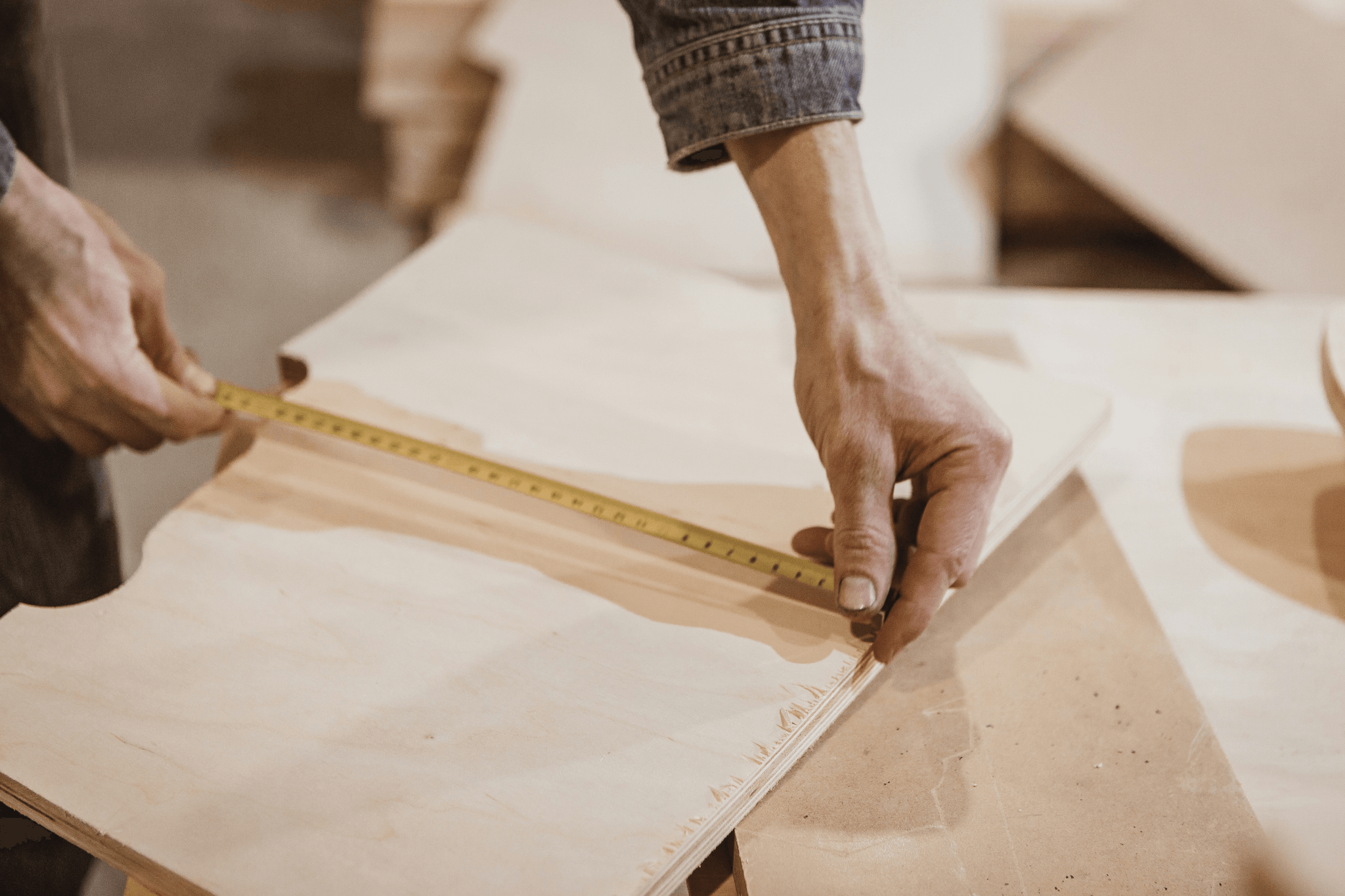
When embarking on your decking project, understanding the size and design of your deck is crucial to accurately estimating timber decking cost. The dimensions you choose will directly impact the amount of materials needed, labor involved, and ultimately, your overall budget. With a well-measured outdoor space, you can make informed decisions that align with both your aesthetic desires and financial constraints.
Measuring Your Outdoor Space
Before diving into the world of deck composite decking or timber options, take a moment to measure your outdoor space thoroughly. Start by determining the length and width where you envision your deck; this will provide a solid foundation for calculating material requirements like composite deck boards or timber planks. Remember to account for any obstacles such as trees or existing structures that could affect your design—after all, an accurate measurement is key to avoiding unexpected timber decking costs later on.
Custom vs. Standard Designs
Once you've measured your space, it's time to consider whether you want a custom or standard design for your deck. Standard designs tend to be more cost-effective since they utilize common dimensions and pre-made components, which can help keep composite decking prices manageable. On the flip side, custom designs allow for unique features that can elevate aesthetics but may significantly increase both material costs and labor expenses as specialized skills are often required for installation—making it essential to weigh these factors against your budget.
Complexity and Labor Costs
The complexity of your chosen design plays a pivotal role in determining labor costs associated with building your new deck. Intricate patterns or multi-level structures require more time and expertise from professionals, which can inflate overall timber decking costs significantly compared to simpler layouts. Therefore, if you're leaning towards elaborate features like built-in seating or decorative railings using composite materials, be prepared for higher installation fees while also considering how these choices fit into the best decking options available within your price range.
Materials Beyond Timber

When planning your timber decking project, it’s essential to consider materials beyond just the timber itself. While the choice of wood species plays a significant role in the overall timber decking cost, substructures and support systems are equally critical to ensure a sturdy and long-lasting deck. By understanding these additional components, you can make informed decisions that impact both your budget and the longevity of your outdoor space.
Substructures and Support Systems
The substructure of your deck is like its backbone; without a solid foundation, even the best decking can fail prematurely. Typically made from treated lumber or composite materials, these support systems help distribute weight evenly and resist moisture-related damage. Opting for high-quality substructures may slightly increase your timber decking cost initially but will save you from costly repairs down the line.
When considering composite decking as an option, it’s important to note that many composite deck boards require specific framing techniques to ensure proper drainage and ventilation. This can influence both material choices and labor costs when installing your deck. Investing in durable support systems not only enhances stability but also complements your aesthetic choices with various finishes available for visible areas.
Finishes and Sealants
Once you've installed your timber decking, choosing the right finishes and sealants is crucial for maintaining its appearance over time. These products protect against UV rays, moisture, and wear while enhancing the natural beauty of wood or providing a sleek look for composite options. Although adding finishes may seem like an extra expense on top of your initial timber decking cost, they are vital for preserving the integrity of your investment.
For those considering composite deck boards, many come pre-finished or with built-in protective features that minimize maintenance needs compared to traditional wood options. However, if you’re leaning towards using natural timber, investing in quality sealants will help extend its lifespan significantly by preventing rot and warping caused by environmental factors. Ultimately, selecting appropriate finishes ensures that whether you choose classic wood or modern composites, your deck remains stunning year-round.
Additional Accessories and Features
Enhancing your outdoor space goes beyond just laying down boards; accessories can elevate both functionality and aesthetics in ways you might not have considered before! From lighting fixtures to railings, every detail contributes to overall enjoyment while affecting total timber decking cost as well. Thoughtfully chosen accessories can create a welcoming atmosphere for gatherings or simply provide safety features without breaking the bank.
If you're contemplating which direction to take—timber vs composite decking—remember that certain accessories work better with specific materials; this could influence what type of deck material you ultimately select based on compatibility with other features like built-in benches or planters! Furthermore, don’t forget about practical additions such as storage solutions under raised decks; they’re perfect for keeping pool toys out of sight while maximizing usable space around pools or patios!
In conclusion, considering all aspects beyond just timber when planning out a new deck ensures you’ll be delighted with both form and function while managing costs effectively throughout each phase of construction.
Labor Costs and Installation
Hiring Professionals vs. DIY
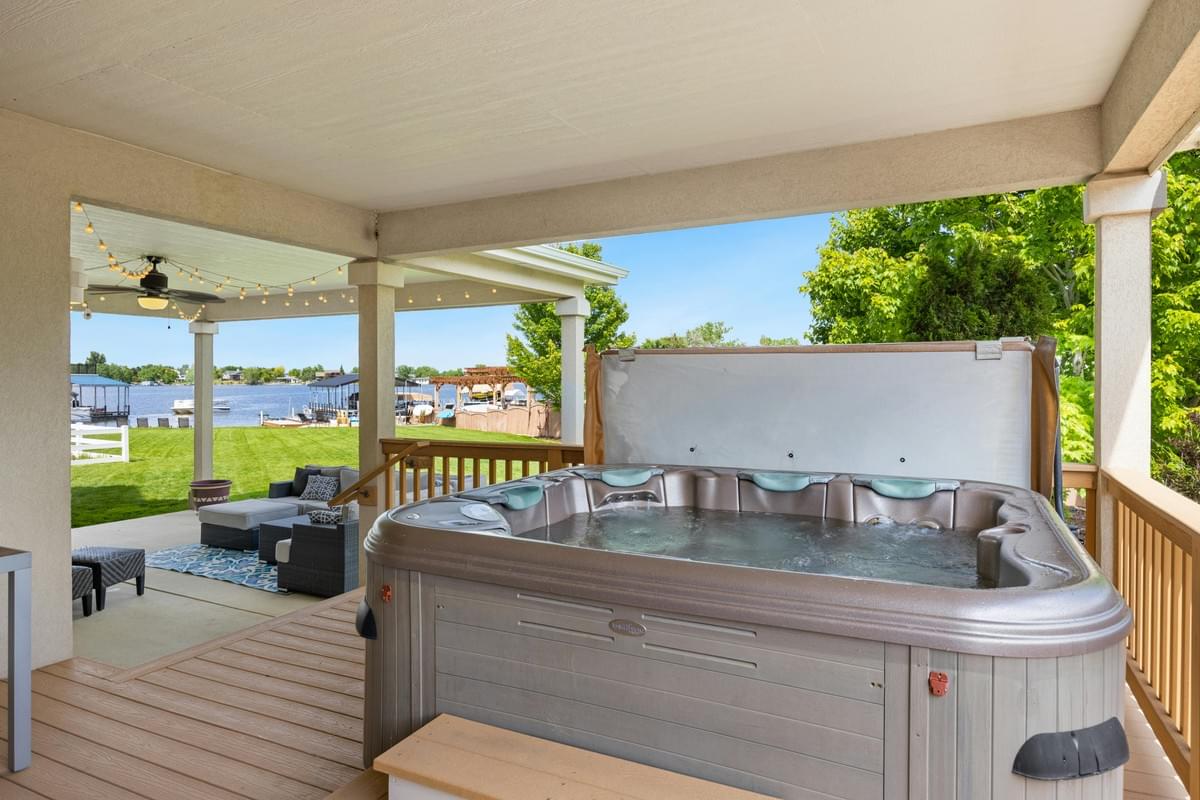
Hiring professionals for your deck installation can significantly impact the overall timber decking cost. While it may seem like an added expense, skilled contractors bring expertise that can save you time and potential mistakes, ensuring your deck is built to last. On the other hand, if you're handy and confident in your abilities, a DIY approach could lead to substantial savings on labor costs but might require more time and effort than anticipated.
The allure of composite decking often tempts DIYers due to its ease of handling compared to traditional timber materials. However, keep in mind that even with composite materials like composite deck boards, proper installation techniques are essential for durability and aesthetics. Ultimately, weigh the pros and cons carefully; sometimes paying for professional help is worth every penny when considering the long-term benefits.
Estimating Time and Labor Rates
Understanding how long it will take to complete your decking project helps clarify the overall timber decking cost. Factors such as deck size, design complexity, and material type (like composite versus traditional timber) all influence labor rates and time estimates. For example, intricate designs or larger decks typically require more hours of labor which directly affects total costs.
Labor rates can vary widely depending on your location; urban areas might see higher rates compared to rural settings due to demand fluctuations in skilled tradespeople. It’s wise to gather multiple quotes from local contractors specializing in both timber and composite decking options so you can compare not just prices but also expertise levels offered by different professionals in your area. By factoring these elements into your budget planning process, you'll be better prepared for any surprises along the way.
Local Contractor Insights
Local contractor insights are invaluable when navigating timber decking cost considerations for both traditional materials and modern alternatives like composite decks. Contractors familiar with regional trends can provide guidance on which materials offer the best value based on local pricing fluctuations—important knowledge especially if you're leaning towards using high-quality composite deck boards that may have varying costs depending on availability.
Additionally, local contractors often have established relationships with suppliers which could lead to discounts or bulk purchasing options that save you money over time—something particularly beneficial if you're considering multiple projects or expansions down the line! Don’t hesitate to ask them about their experiences with different types of decking; their practical knowledge may reveal hidden gems among various options available today.
Long-Term Maintenance Costs

When considering timber decking cost, it's crucial to factor in long-term maintenance expenses. While timber can provide a natural beauty that many homeowners love, it does require regular upkeep to maintain its appearance and structural integrity. This includes periodic sealing, staining, and inspections for rot or insect damage, which can add up over time.
Upkeep and Repair Considerations
The upkeep of timber decking involves several key tasks that can affect overall costs significantly. Regular cleaning is essential to prevent mold and mildew, while reapplying sealants every few years helps protect the wood from moisture damage. Additionally, repairs may be necessary for warped or cracked boards, which not only incur costs but also take time away from enjoying your deck.
As you weigh your options between different deck materials, remember that the frequency of maintenance for timber can lead to higher long-term costs compared to other materials like composite decking. Deck composite decking often requires less maintenance since it is designed to resist fading and deterioration without regular treatments. Understanding these upkeep requirements will help you make informed decisions regarding your deck material choice.
Comparing Timber to Composite Options
When comparing timber with composite options for your deck material, it's important to look at both initial costs and long-term investment value. Composite decking typically has a higher upfront cost than traditional wood; however, its longevity and low-maintenance nature often make it the best decking choice in the long run. With composite deck boards resistant to splintering and warping, you’ll spend less time worrying about repairs and more time enjoying your outdoor space.
Moreover, while timber may offer a classic aesthetic appeal, composite materials come in various styles that mimic wood without the associated upkeep headaches. This means that even if the initial investment in composite decking price is steeper than timber’s upfront cost, you might save significantly on maintenance over several years of ownership. In essence, balancing aesthetics with practicality could lead you toward choosing a composite solution for your new deck.
Insights from Composite Decking Inc
Insights from industry leaders like Composite Decking Inc reveal how modern advancements have made composite materials an increasingly popular alternative among homeowners looking for durability without high maintenance demands. Their products are engineered not just for beauty but also for resilience against the elements—meaning fewer repairs down the line compared to traditional timbers subject to weather-related wear and tear.
Additionally, many manufacturers now offer warranties on their products that span 20 years or more—something rarely seen with standard timber options due to their susceptibility to decay over time. If you're weighing timber decking cost against potential future expenses related to upkeep or replacement parts down the road, these insights could steer you towards investing in quality composite solutions instead.
Seasonal Timing for Projects

Best Times to Build Decks
The best times to build decks are typically in the spring and early fall. During these periods, temperatures are moderate, making it easier for workers to handle materials without the stress of extreme heat or cold. Additionally, many homeowners find these seasons ideal for outdoor projects as they align with favorable weather conditions, allowing for quicker completion and less disruption.
Moreover, spring is an excellent time to secure timber decking cost savings as suppliers often offer discounts on leftover stock from winter. Conversely, early fall can be advantageous as contractors may have more availability after the summer rush. By planning your project during these optimal times, you can enjoy both savings and a beautiful new deck that enhances your outdoor space.
Seasonal Pricing Variations
Seasonal pricing variations can significantly affect composite decking prices compared to traditional timber options. In peak construction months—typically late spring through summer—demand surges, leading to higher costs for both labor and materials like composite deck boards. On the other hand, during off-peak months such as late fall or winter, prices may drop as suppliers look to clear inventory.
It's also worth noting that regional differences play a role in seasonal pricing variations; warmer areas may see less fluctuation than colder climates where winter conditions halt construction entirely. Therefore, keeping an eye on market trends throughout the year will help you make informed decisions about when to invest in deck material without breaking the bank on timber decking costs.
Weather Considerations and Timing
Weather considerations are paramount when planning any outdoor project like building a deck. Rainy days can delay installation timelines and impact material quality; thus it's essential to check forecasts before scheduling workdays with contractors or embarking on DIY projects using composite decking materials.
Additionally, extreme temperatures—whether scorching heat or freezing cold—can affect how certain materials behave during installation; some composite deck boards might expand or contract under different weather conditions leading to complications if not installed correctly at optimal temperatures. By being mindful of local climate patterns and seasonal changes while planning your project timing, you’ll ensure that you're not just saving on timber decking costs but also avoiding potential headaches down the line.
Using the Timber Decking Calculator
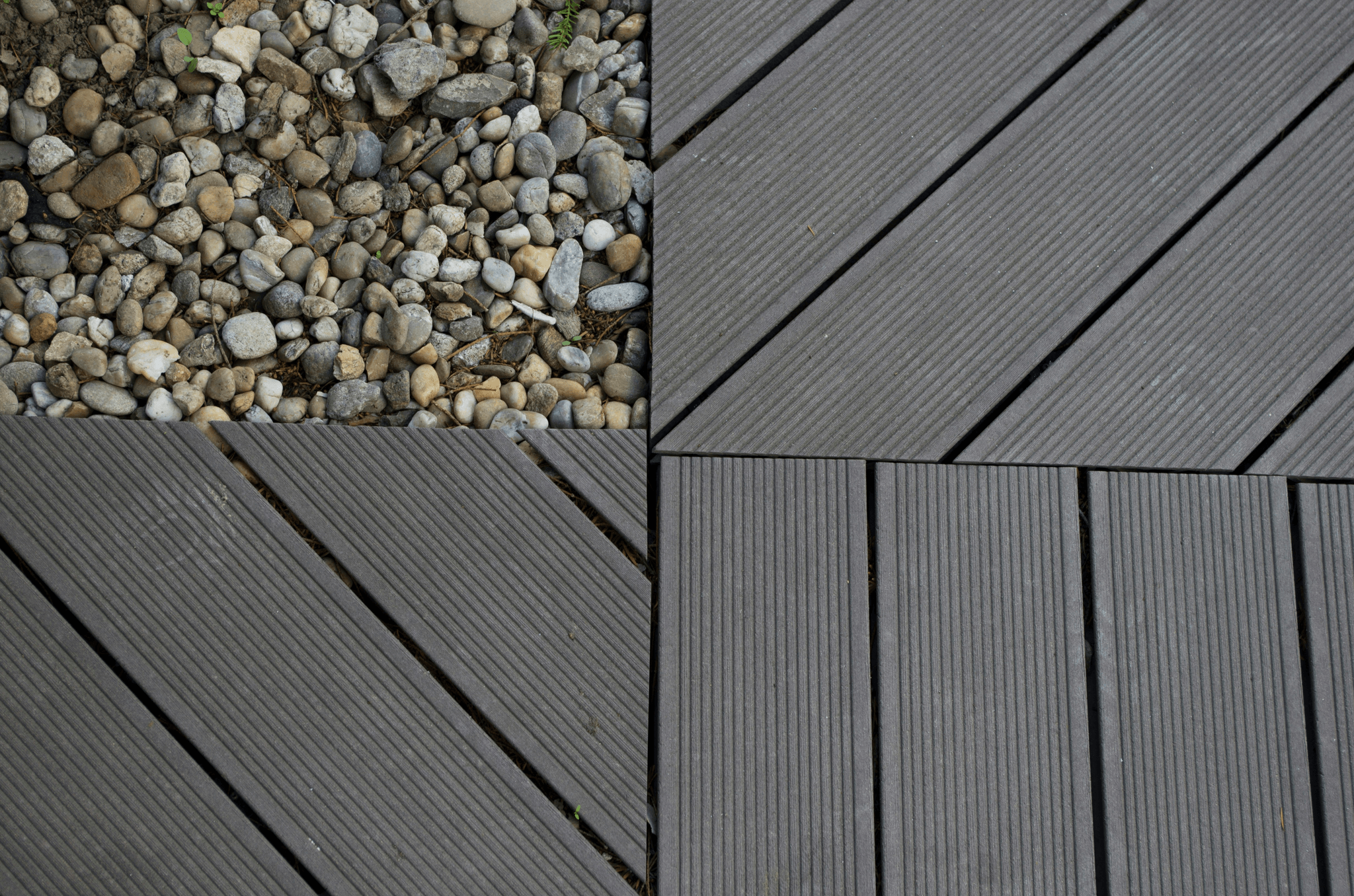
When it comes to determining your timber decking cost, leveraging a calculator can be a game-changer. This handy tool simplifies the often complex calculations involved in estimating the expenses associated with building your dream deck. By inputting specific details about your project, you can get an accurate picture of what to expect financially
Step-by-Step Guide to Using the Tool
To get started with the timber decking calculator, first gather all necessary measurements of your outdoor space. You’ll need to know the dimensions of your deck area and any specific design features you have in mind, such as custom shapes or multi-level layouts. Next, select your preferred timber species or consider composite decking options; this choice will significantly impact your overall decking cost.
Once you've entered these details into the calculator, take a moment to review any additional materials you might need—like substructures or finishes—and include those in your calculations. The tool will then provide you with a breakdown of costs associated with both timber and composite deck boards, helping you compare which option fits better within your budget. Finally, don’t forget to factor in labor costs if you're not planning on going the DIY route!
Interpreting Your Results
After running the numbers through the timber decking calculator, you'll receive a detailed estimate that breaks down various elements of your project’s total cost. This includes everything from materials—whether you're opting for traditional timber or considering composite decking—to labor expenses based on local rates and project complexity. Understanding these results is crucial for making informed decisions about whether to stick with natural wood or explore more modern options like composite deck boards.
Pay close attention to how different choices affect pricing; for instance, while composite decking may have a higher upfront price tag compared to traditional wood, it often requires less maintenance over time—a vital consideration when evaluating long-term costs. Additionally, look for seasonal pricing variations that might affect both material and installation costs; timing can make all the difference!
Making Informed Decisions
With all this information at hand from using the timber decking calculator, it's time to make some decisions! First off, weigh out whether investing in high-quality timber is worth it compared to opting for budget-friendly alternatives like composite materials that promise durability without constant upkeep. Remember that while initial costs are important (hello, composite decking price!), long-term maintenance should also influence your choice.
Consider reaching out to local contractors for insights on labor rates and installation times—they might offer valuable advice tailored specifically for your region's market trends and availability of materials like best decking options available locally. Ultimately, having a clear understanding of how each factor plays into overall timber decking cost will empower you as you embark on this exciting home improvement journey!
Conclusion
In wrapping up our exploration of timber decking costs, it’s clear that several factors play a pivotal role in determining the overall price of your decking project. From the species of timber you choose to market trends and regional pricing differences, understanding these elements can save you both time and money. Additionally, considering materials beyond just timber—like composite options—can help you make an informed decision about the best decking for your needs.
Summary of Key Cost Factors
When evaluating timber decking cost, it's essential to consider not only the price of the deck material but also labor costs and ongoing maintenance. The choice between traditional timber and composite decking can significantly impact your budget; while composite deck boards may have a higher initial cost, they often lead to lower long-term maintenance expenses. Don’t forget to factor in design complexities and any additional features that could elevate your overall investment.
Importance of Accurate Measurement
Accurate measurement is crucial when calculating your timber decking cost; even minor miscalculations can result in significant financial discrepancies. Ensuring that you have precise dimensions will help avoid over-purchasing materials or underestimating labor needs, creating a smoother project flow. Remember, whether you're opting for deck composite decking or traditional wood, every inch counts toward achieving the best results.
Taking the Next Steps for Your Decking
Now that you've gathered insights on various aspects influencing timber decking costs, it’s time to take actionable steps toward realizing your dream outdoor space. Start by assessing your specific requirements: what size deck do you envision? Will you lean towards composite options for their durability or stick with classic timber? Research local contractors or DIY options based on your comfort level with installation, ensuring you're well-equipped for this exciting project ahead.