
Introduction
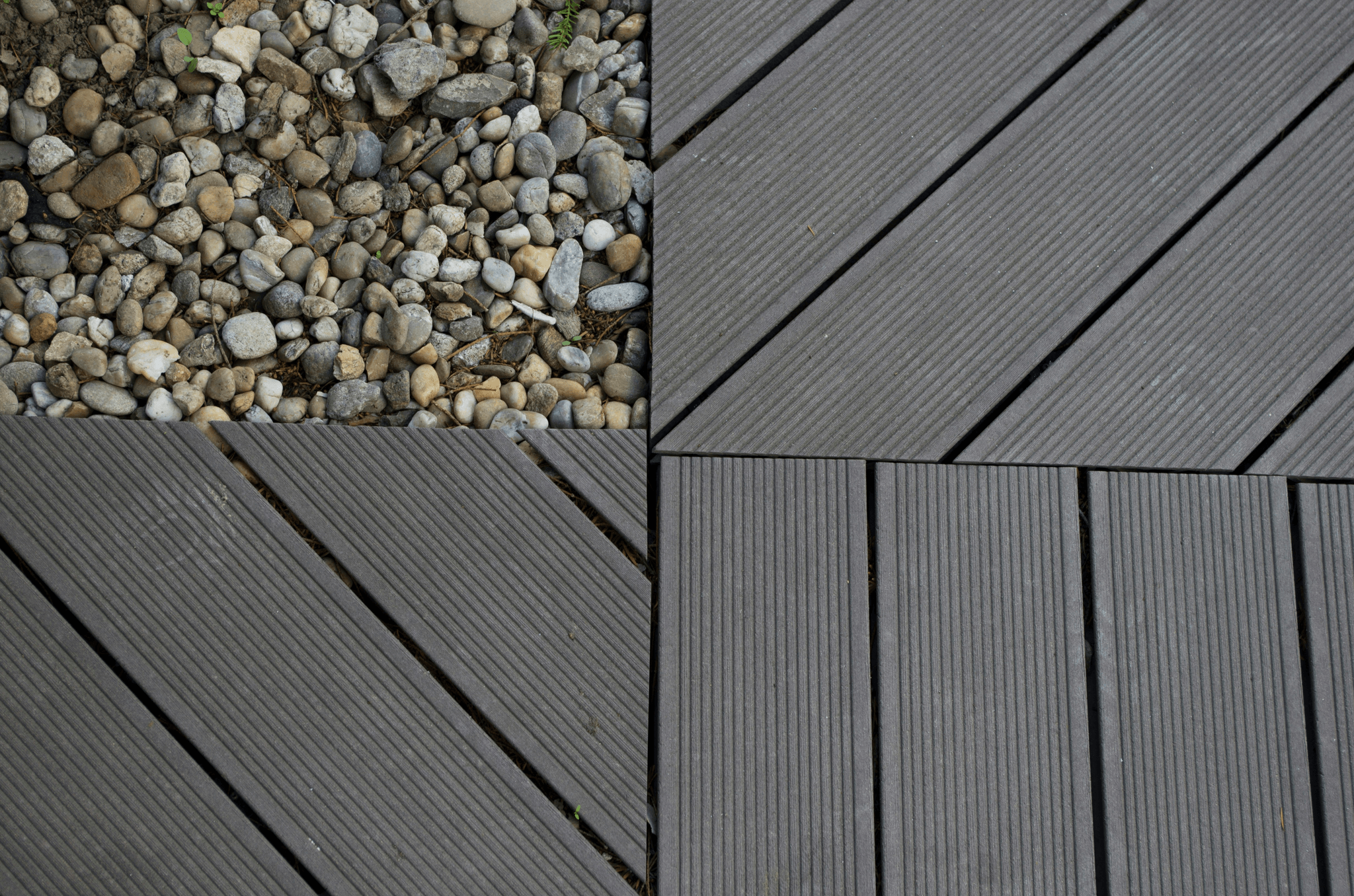
Discover the Best Decking Options
The world of decking offers a variety of choices, including pressure treated wood for decks and composite lumber decking that promises low maintenance and durability. Each type of decking board has its own unique benefits; for example, composite deck boards are designed to resist fading and staining while providing a beautiful finish. By exploring these options thoroughly, you can find the perfect match for your home’s aesthetic.
Why Choose the Right Decking Boards
Choosing the right decking boards is not just about looks; it influences longevity, maintenance requirements, and overall enjoyment of your outdoor space. Treated wood for decks provides a traditional charm but may require more upkeep compared to modern alternatives like composite decking. Understanding these differences will help you make an informed decision that balances beauty with practicality.
Enhance Your Outdoor Living Space
Enhancing your outdoor living space starts with selecting materials that reflect your lifestyle and preferences. Whether you opt for natural wood or go with durable composite deck boards, each choice contributes to creating an inviting atmosphere for relaxation or entertainment. Ultimately, investing in quality materials will elevate not just your deck but also your entire outdoor experience.
Understanding Composite Decking
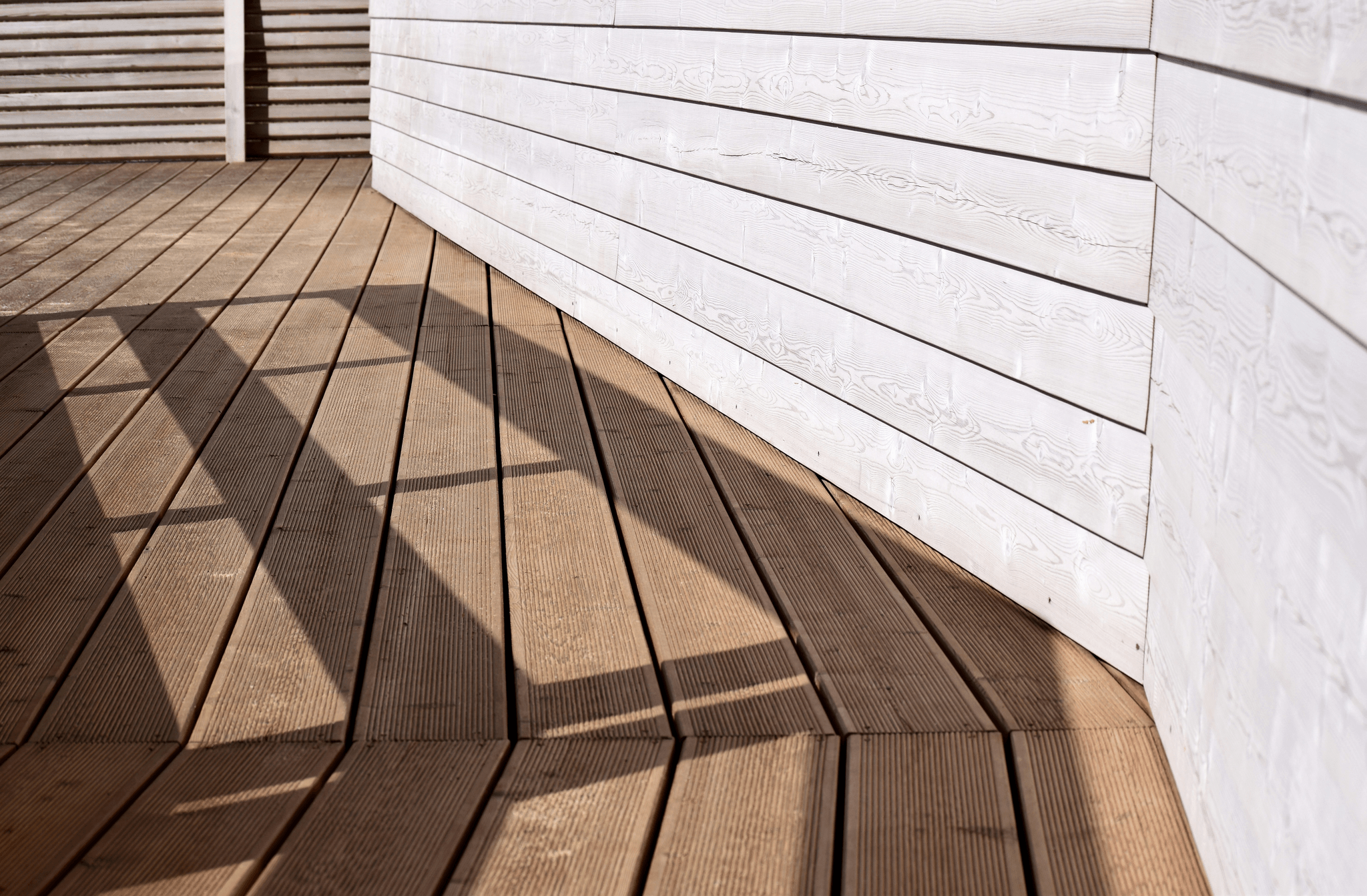
Composite deck boards have gained popularity due to their durability and low maintenance requirements. Whether you're looking to enhance your backyard or create a cozy patio, composite lumber decking offers a versatile solution that can withstand the test of time.
Benefits of Composite Decking
One of the standout benefits of composite decking is its resistance to fading and staining, making it an ideal choice for homeowners who want a beautiful deck without the constant upkeep. Unlike traditional wood options, such as pressure treated wood for decks, composite materials do not splinter or warp over time. Additionally, many brands incorporate recycled materials into their composite deck boards, making them an environmentally friendly option that contributes to sustainability.
Another advantage is that composite lumber decking is available in various colors and textures, allowing you to easily match your outdoor aesthetic without sacrificing quality. This versatility means you can enjoy the look of natural wood without worrying about the typical drawbacks associated with treated wood for decks. Moreover, many manufacturers offer warranties on their products, providing peace of mind that your investment will last for years.
Lastly, maintenance is a breeze with composite deck boards; they require only occasional cleaning with soap and water to keep them looking fresh and inviting. Unlike natural wood that needs regular staining or sealing, composite lumber allows you more time to relax and enjoy your outdoor living space instead of working on it.
Popular Brands of Composite Decking
There are several popular brands in the realm of composite decking that stand out due to their quality and innovation. Trex is one such brand known for its extensive range of colors and styles in composite deck boards; they also focus heavily on sustainability by using recycled materials in their products. Another well-regarded name is TimberTech which offers high-performance options designed specifically for durability while maintaining an attractive appearance.
Fiberon also deserves mention with its affordable yet stylish choices in composite lumber decking; they provide great value without compromising on quality or aesthetics. Azek rounds out our list by offering premium capped polymer products which mimic real wood beautifully but come with added benefits like enhanced resistance to moisture and insects compared to traditional pressure treated wood for decks.
These brands not only lead in product innovation but also prioritize customer satisfaction through robust warranties and exceptional customer service—making them reliable choices when selecting types of decking boards.
How Composite Decking Compares to Wood
When comparing composite decking with traditional wood options like pressure treated wood for decks, it's crucial to consider several factors including cost, longevity, maintenance requirements, and aesthetics. While initial costs may be higher for composites than basic treated wood options upfront, the long-term savings from reduced maintenance make them a wise investment over time—especially since you won't need frequent staining or sealing like you would with natural woods.
In terms of durability, composite deck boards outperform many types of natural woods due to their resistance against rot and insect damage—a common issue faced by those using untreated or even some treated woods like cedar or pine. Furthermore, composites maintain their color better than most woods which tend to fade over time under sun exposure; this means less hassle down the line trying to restore your deck's original beauty.
Ultimately though it comes down personal preference; while some homeowners cherish the authentic charm offered by natural timber products like oak or mahogany—others appreciate convenience coupled with modern designs found within today’s innovative composites—ensuring there’s something out there suited perfectly for everyone’s unique taste!
Exploring Pressure Treated Wood for Decks
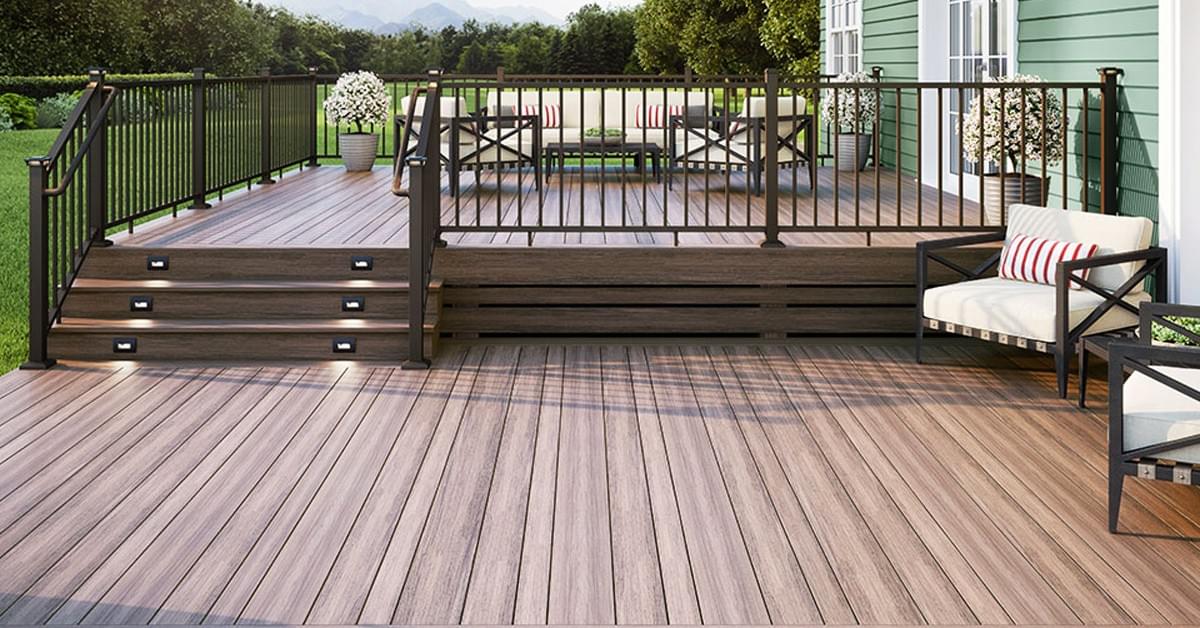
This type of decking board is specially treated to resist moisture, insects, and decay, making it an excellent option for those looking to invest in a durable deck. In this section, we’ll delve into what treated wood is all about and why it might just be the perfect fit for your next decking project.
What is Treated Wood for Deck?
Treated wood for decks refers to lumber that has undergone a special treatment process to enhance its durability and longevity. The treatment involves infusing the wood with preservatives that protect it from rot, pests, and environmental damage. This makes pressure treated wood an ideal choice among various types of decking boards since it can withstand the elements far better than untreated alternatives.
Advantages of Pressure Treated Wood
There are numerous advantages to choosing pressure treated wood for your deck. First off, it's generally more affordable than composite decking options while still offering impressive durability and resistance against decay. Additionally, this type of decking board can be easily stained or painted, allowing you to customize the look of your outdoor space without breaking the bank.
Another significant benefit is its availability; many home improvement stores stock a variety of treated wood options in different sizes and finishes. Plus, with proper maintenance—like regular sealing or staining—you can extend the life of your pressure treated deck significantly. So if you're looking for versatility combined with affordability in types of decking boards, this could be your golden ticket!
Top Manufacturers of Treated Wood
When considering pressure treated wood for decks, it's essential to know who produces some of the best materials on the market today. Companies like YellaWood®, which has been a staple in outdoor construction for decades, offer high-quality treated lumber that meets stringent safety standards. Another reputable name is Simpson Strong-Tie®, known not only for their strong fasteners but also their commitment to producing durable deck boards.
Other notable manufacturers include McFarland Cascade and Universal Forest Products; both provide extensive selections tailored specifically towards outdoor applications like composite deck boards or traditional wooden decks. By selecting products from these trusted brands, you can ensure that you're getting quality materials designed to stand up against time—and Mother Nature herself!
The Charm of Natural Wood Deck Boards
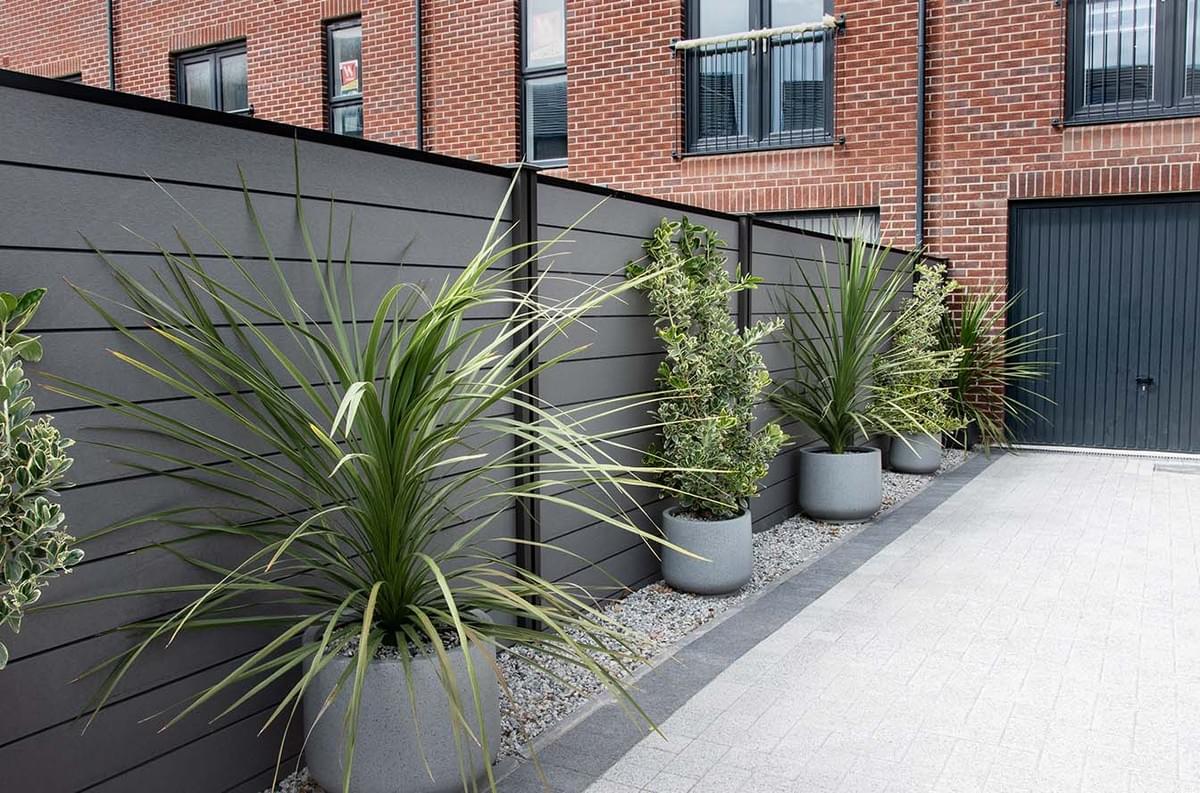
Natural wood deck boards bring a timeless beauty and warmth to outdoor spaces, captivating homeowners and guests alike. The rich textures and colors of wood can transform any backyard into a cozy retreat, making it an appealing choice among various types of decking boards. While composite decking has its advantages, nothing quite compares to the authentic feel of natural wood underfoot.
Types of Natural Wood Decking
Pressure treated wood for decks is often favored for its durability and resistance to rot, making it a reliable choice for many homeowners looking for longevity in their deck boards. Other types include cedar, known for its aromatic properties and natural resistance to insects; redwood, which boasts stunning hues; and tropical hardwoods like teak or mahogany that offer unparalleled beauty but can come with a higher price tag.
Each type of natural wood offers unique characteristics that cater to different tastes and budgets. For instance, while treated wood for decks is affordable and widely available, exotic woods provide an upscale look that can elevate any outdoor space. Ultimately, selecting the right type depends on your aesthetic preferences as well as how much maintenance you're willing to commit.
Maintenance Tips for Wood Deck Boards
Maintaining wood deck boards is essential if you want them to last through the seasons without losing their charm. Regular cleaning with soap and water can help remove dirt and debris while preventing mold growth on your deck composite decking surface. Additionally, applying a protective sealant every couple of years will shield your treated wood from moisture damage and UV rays.
Another crucial aspect is inspecting your deck regularly for signs of wear or damage—this includes checking for splintering or loose boards that could pose safety hazards. If you notice any issues early on, addressing them promptly will save you both time and money down the line compared to waiting until repairs become more extensive. Remember that while natural beauty is alluring, keeping up with maintenance ensures your investment remains intact.
Environmental Considerations
Choosing natural wood deck boards also involves considering environmental impacts associated with sourcing materials sustainably. Many manufacturers now offer eco-friendly options by utilizing responsibly harvested timber or reclaimed woods in their products—these choices not only reduce deforestation but also contribute positively toward preserving ecosystems where these trees thrive.
Moreover, when comparing composite lumber decking versus traditional options like pressure-treated wood for decks, it's worth noting that some composites are made from recycled materials which further enhances their green credentials while minimizing waste in landfills. By opting for sustainable sources or innovative products like composite deck boards made from recycled plastics mixed with sawdust fibers, you can enjoy your outdoor space guilt-free knowing you're doing right by Mother Nature.
Low-Maintenance Options: Composite Lumber Decking
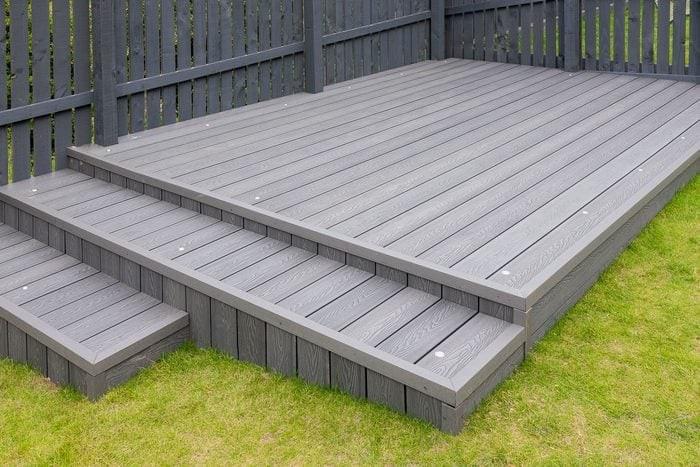
Unlike traditional wood, which requires regular staining and sealing, composite deck boards are designed to withstand the elements without significant upkeep. This means more time enjoying your outdoor space and less time worrying about maintenance.
Why Choose Composite Lumber?
Choosing composite lumber is like opting for the best of both worlds—beauty and durability. Made from a blend of recycled materials and wood fibers, composite decking offers resistance to rot, splintering, and insect damage that can plague pressure treated wood for decks. Plus, with a variety of colors and textures available, you can easily find types of decking boards that complement your home’s aesthetic.
Another reason to choose composite lumber is its eco-friendliness; many brands incorporate recycled materials into their products. This not only helps reduce waste but also provides you with a sustainable option for your outdoor living space. With minimal upkeep required over the years, you’ll appreciate the long-term value that composite deck boards bring to your home.
Best Uses for Composite Lumber Decking
Composite lumber decking is incredibly versatile and can be used in various outdoor settings beyond just traditional decks. It’s perfect for poolside areas where moisture resistance is crucial or even around hot tubs where splashes are inevitable. Its slip-resistant surface makes it an excellent choice for family-friendly spaces or homes with pets.
Additionally, composite deck boards are ideal for creating stylish outdoor furniture pieces like benches or tables that require little maintenance while still looking fabulous. They’re also great for raised garden beds or planters since they won’t warp or decay when exposed to soil and water over time. Whether you're building a new deck or enhancing an existing structure, composite lumber offers endless possibilities.
Comparing Costs of Composite vs. Wood
When comparing costs between composite decking and traditional treated wood for decks, it's essential to consider both initial investment and long-term expenses. Initially, composite deck boards may have a higher price tag than pressure treated wood; however, this cost is often offset by lower maintenance needs over the years—no need for expensive stains or sealants!
Moreover, while natural wood may require replacement sooner due to weather damage or decay (especially if not properly maintained), quality composite lumber can last significantly longer without losing its appeal. In the grand scheme of things, investing in low-maintenance options like composite decking could save you money in repairs or replacements down the line—making it a smart financial choice.
Innovations in Deck Composite Decking
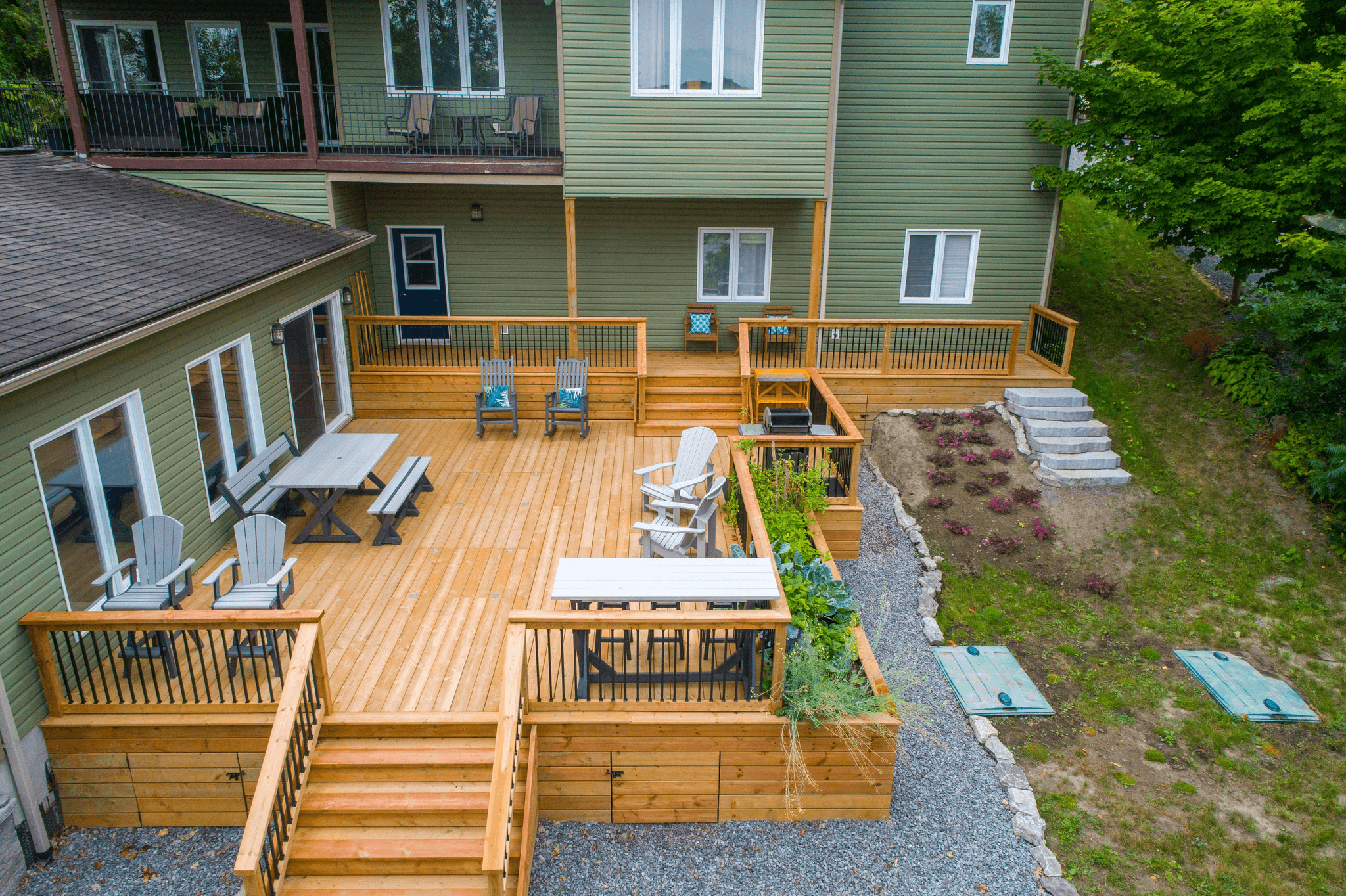
New Technologies in Composite Decking
The latest technologies in composite decking have revolutionized how these materials are produced and utilized. Manufacturers are employing advanced manufacturing processes that combine recycled materials with high-performance polymers, resulting in composite deck boards that boast incredible durability and resistance to fading, scratching, and staining. This means that homeowners can enjoy their outdoor decks without worrying about the wear and tear typically associated with traditional wood or even pressure treated wood for decks.
Moreover, some brands have introduced unique features such as integrated lighting systems and hidden fasteners that enhance both functionality and appearance. These innovations allow for seamless installation while providing a polished look that elevates any outdoor living space. As the demand for low-maintenance options grows, the evolution of composite lumber decking continues to impress with its blend of practicality and style.
Trends in Deck Designs
Deck design trends are shifting towards creating multifunctional outdoor spaces that serve as extensions of the home. Homeowners are increasingly opting for expansive decks equipped with built-in seating areas, fire pits, or even outdoor kitchens—all crafted from versatile deck boards that can withstand various weather conditions while maintaining their beauty over time. The integration of natural elements such as plants or water features is also becoming popular, allowing homeowners to create serene environments right outside their doors.
Another emerging trend is the use of bold colors and textures within composite decking materials that mimic natural wood grains without the upkeep associated with treated wood for deck applications. These eye-catching designs not only enhance visual appeal but also reflect personal style preferences while ensuring long-lasting performance. As trends evolve, it's clear that innovative designs will continue to shape how we approach our outdoor living spaces.
Sustainability and Composite Materials
Sustainability has become a significant factor influencing consumer choices regarding types of decking boards today—especially when it comes to composite options. Many manufacturers focus on eco-friendly practices by sourcing recycled plastics and reclaimed wood fibers for their products, reducing landfill waste while promoting responsible consumption habits among buyers seeking treated wood for deck alternatives. This commitment not only helps preserve our environment but also ensures high-quality performance from these modern materials.
Furthermore, advancements in production methods have made it possible to create durable composite lumber decking that requires minimal maintenance over its lifespan compared to traditional wooden decks—resulting in fewer resources consumed over time due to repairs or replacements needed down the line! By choosing sustainable options like deck composite decking products made from recycled content or sustainably harvested timber sources; homeowners can contribute positively towards environmental conservation efforts while enjoying stylish outdoor spaces.
Conclusion

Choosing the right deck boards can significantly enhance your outdoor living experience, transforming your backyard into a personal oasis. With various types of decking boards available, it’s essential to consider factors such as durability, maintenance, and aesthetics. Whether you lean towards composite decking or traditional wood options, making an informed decision will lead to years of enjoyment.
Finding the Right Deck Boards for Your Home
When selecting deck boards for your home, consider the unique characteristics of each material. Composite deck boards offer low maintenance and long-lasting beauty, while pressure treated wood for decks provides a classic look with added strength. Understanding the different types of decking boards will guide you in choosing the perfect fit for your lifestyle and budget.
Balancing Aesthetics and Durability
Finding that sweet spot between aesthetics and durability is crucial when investing in deck composite decking materials. Composite lumber decking is designed to withstand the elements without sacrificing style, making it a popular choice among homeowners who want an elegant yet resilient outdoor space. Meanwhile, treated wood for decks can offer a timeless appeal but may require more upkeep over time—so weigh your options carefully!
Embrace Quality with Composite Decking Inc
Ultimately, embracing quality means opting for materials that stand the test of time while maintaining their beauty—enter composite decking! This innovative choice combines the best aspects of both natural wood and synthetic materials to deliver exceptional performance without frequent maintenance hassles. By considering composite deck boards from reputable manufacturers like Composite Decking Inc., you’ll be well on your way to creating an inviting outdoor retreat.