
Introduction
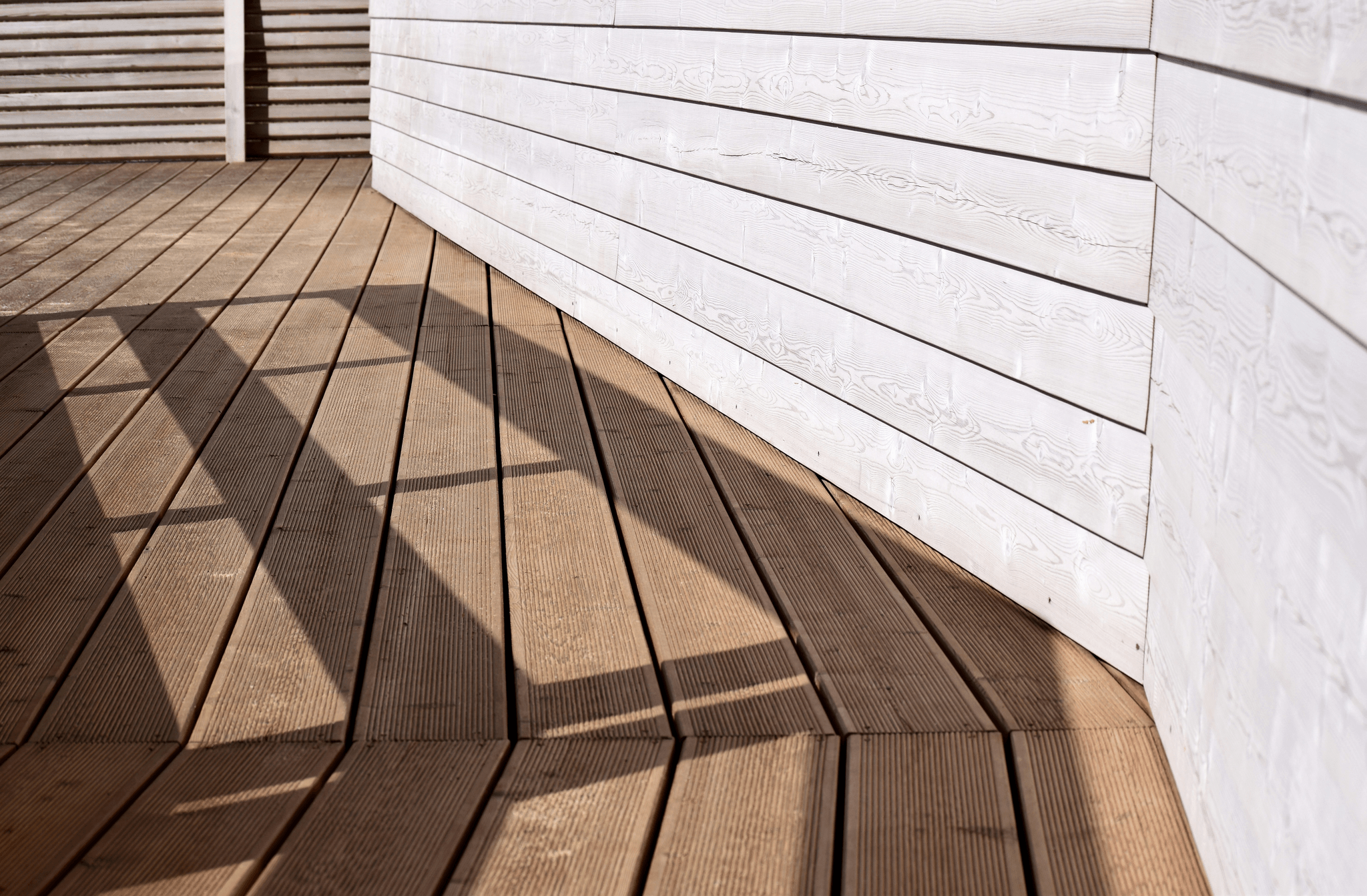
When it comes to elevating your outdoor space, understanding composite decking sizes is crucial. Composite lumber decking has gained popularity for its blend of aesthetics and functionality, making it a top choice for homeowners and builders alike. Not only does size play a pivotal role in the overall design of your deck, but it also impacts the performance and longevity of your investment in synthetic lumber for decks.
Understanding Composite Decking Sizes
Composite decking sizes come in various dimensions to suit different project needs, from standard lengths to custom options. Familiarizing yourself with these dimensions is essential for achieving the desired look and structural integrity of your deck composite decking project. Whether you’re working with composite deck boards that are 5.5 inches wide or opting for wider options, knowing the available sizes helps streamline your planning process.
The Advantages of Composite Lumber Decking
One of the standout features of composite lumber decking is its remarkable durability and resistance to wear over time. Unlike traditional wood, which can warp or splinter, composite wood decking boards maintain their integrity even in harsh weather conditions. This low-maintenance material not only saves you time but also enhances the aesthetic appeal of your outdoor area with a variety of colors and textures.
Why Size Matters in Deck Design
The size of your composite decking installation significantly influences both functionality and design aesthetics. Larger boards can create a seamless look while reducing installation time, whereas smaller boards may offer more flexibility in intricate designs or patterns. Ultimately, selecting the right size ensures that your deck not only looks great but also meets safety standards and withstands everyday use.
Overview of Composite Decking Sizes
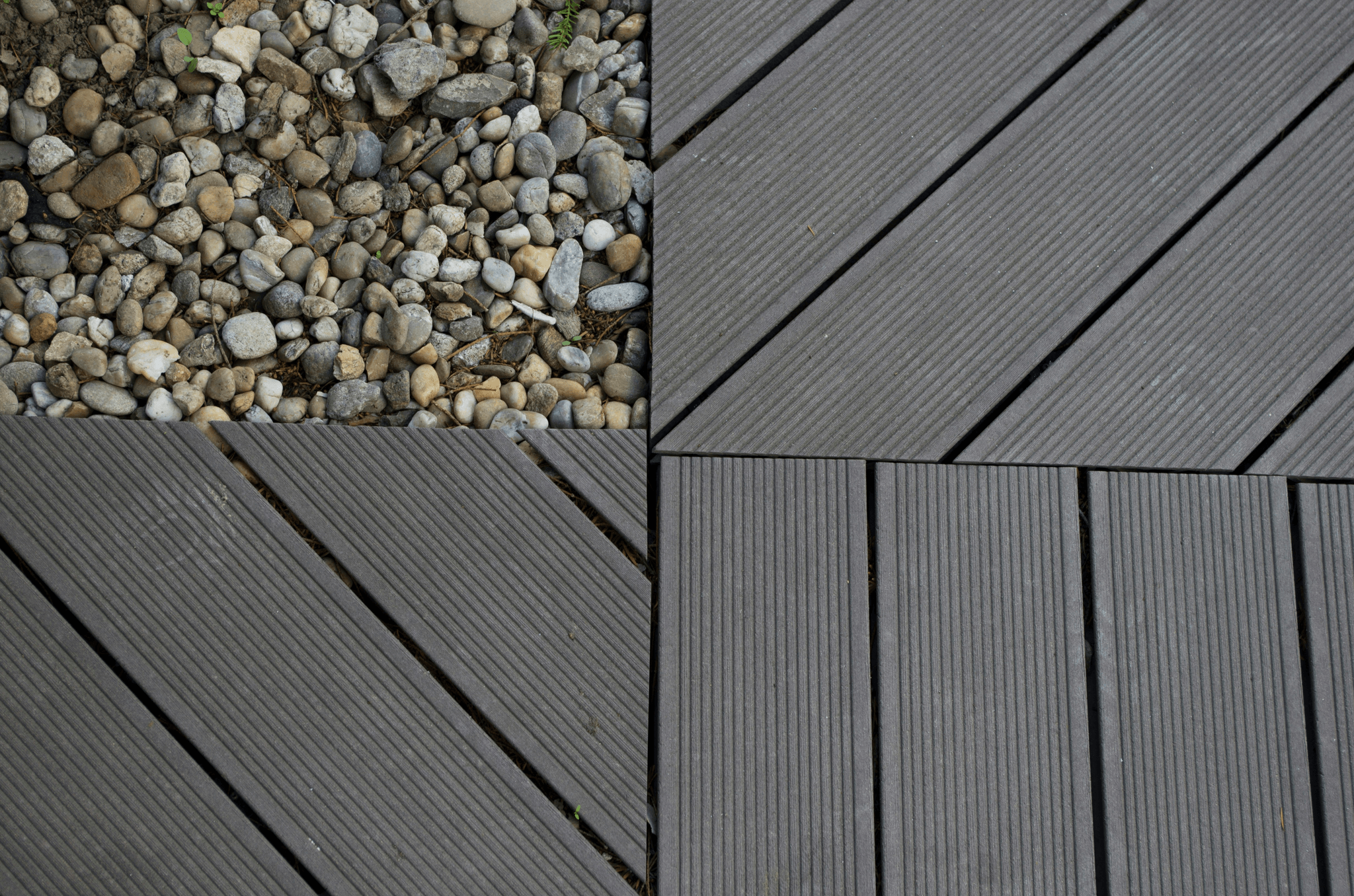
When diving into the world of composite decking sizes, it’s essential to understand the various dimensions and options available. Composite lumber decking has become a popular choice for homeowners looking to enhance their outdoor spaces with durability and style. Knowing the right sizes can make all the difference in achieving a cohesive and functional deck design.
Common Dimensions of Composite Deck Boards
Composite deck boards typically come in standard dimensions that cater to most decking projects. The most common sizes are 5/4 x 6 inches, which is often used for deck flooring, and 2 x 6 inches for structural support. These dimensions provide a versatile foundation that balances aesthetics with strength, ensuring your composite wood decking boards can handle foot traffic while maintaining visual appeal.
In addition to these standard sizes, many manufacturers offer variations in length, usually ranging from 8 to 20 feet. This flexibility allows homeowners to choose lengths that minimize waste and fit their specific deck layout perfectly. When selecting your composite decking sizes, it’s crucial to consider how they will integrate into your overall design.
Custom Sizes and Shapes Available
For those seeking something unique, custom sizes and shapes are also available in the realm of synthetic lumber for decks. Many companies offer tailored solutions that can accommodate unusual layouts or specific design preferences. This means you’re not limited to just common dimensions; you can create a truly one-of-a-kind outdoor space.
Custom options may include varying widths or lengths beyond the standard offerings or even specialized shapes like curves or angles for more intricate designs. However, keep in mind that opting for custom composite deck boards might come at an additional cost compared to standard sizing. Still, if you have a vision in mind, these customizations can bring your dream deck closer to reality.
Choosing the Right Size for Your Project
Factors such as space availability, intended use of the deck (entertaining vs relaxation), and local building codes should guide your decision on composite lumber decking dimensions. Additionally, consider how different sizes will affect both aesthetics and functionality — wider boards may create a more modern look but could also require more support.
Another key aspect is how different board lengths interact with your existing structures or landscaping features; ensuring seamless transitions between spaces can enhance overall flow and usability outdoors. Don’t hesitate to consult with professionals or experienced DIYers if you're unsure about what size would best suit your needs; they can provide valuable insights based on their experience with composite wood products.
Ultimately, understanding composite decking sizes will empower you as you embark on creating an outdoor oasis tailored just for you!
The Benefits of Synthetic Lumber for Decks
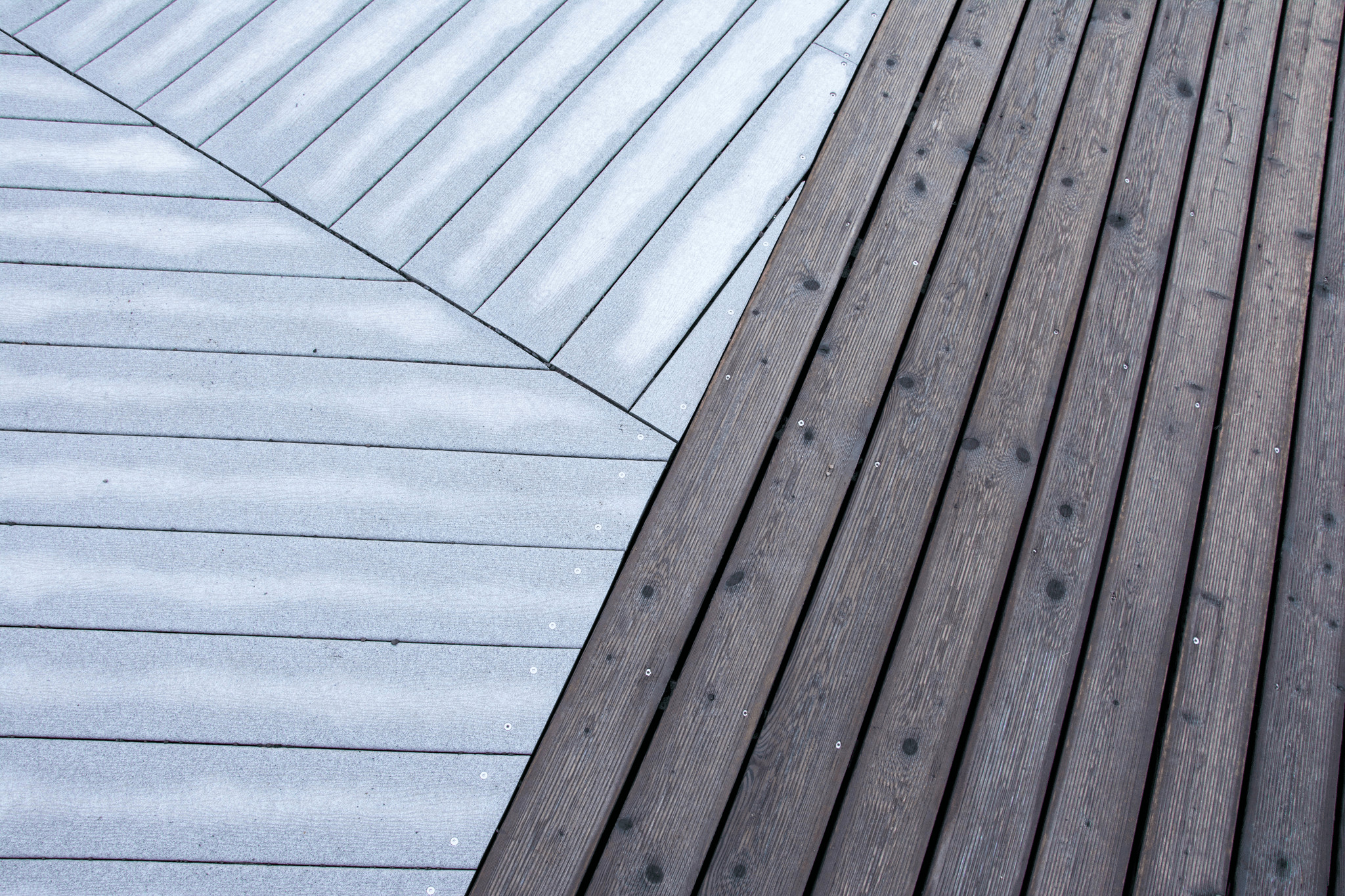
With the right composite decking sizes, homeowners can achieve a perfect blend of style and functionality. Let's dive into the key benefits that make composite wood decking boards an attractive option for deck enthusiasts.
Durability and Longevity
One of the primary reasons homeowners opt for composite wood is its unmatched durability and longevity. Unlike traditional wood, which can warp, crack, or splinter over time, composite deck boards are engineered to withstand the elements without losing their charm. This resilience means that with proper installation and maintenance—think minimal upkeep—your deck will look fabulous for years to come.
Moreover, synthetic lumber is often resistant to fading from UV rays and damage from moisture or pests. This means you won't have to worry about replacing rotting planks or dealing with pesky termites munching on your deck! Investing in high-quality composite decking not only enhances your outdoor aesthetic but also ensures that your investment stands the test of time.
Low Maintenance Requirements
If you’re tired of spending weekends sanding and staining your wooden decks, then switching to synthetic lumber for decks is a game-changer. Composite wood decking boards require significantly less maintenance than their traditional counterparts—no more annual sealing or painting! A simple soap-and-water wash is generally all that's needed to keep your deck looking pristine.
This low-maintenance aspect translates into more time enjoying your outdoor space rather than working on it. Plus, with no need for harsh chemicals or treatments typically associated with wood care, you're also making a more environmentally friendly choice! So go ahead and kick back; your deck will thank you by remaining beautiful without the hassle.
Aesthetic Variety in Composite Wood
Available in numerous colors and textures mimicking natural wood grains, these options allow homeowners to customize their decks according to personal preferences while still benefiting from the durability of synthetic materials. Whether you prefer a sleek modern look or something rustic and traditional, there’s a composite decking size and style that fits perfectly.
Additionally, many brands are now offering unique patterns and finishes that elevate the visual appeal even further—think multi-tonal designs or embossed surfaces! This versatility ensures that regardless of how grandiose or subtle your vision may be, there's a perfect match among composite wood options available today. So why settle for ordinary when you can create an extraordinary outdoor oasis?
Comparing Composite Decking to Traditional Materials
Composite lumber decking offers unique advantages that can tip the scales in its favor. Understanding these differences can help you make a more informed decision for your deck installation project.
Weight and Structural Integrity
One of the most notable differences between composite wood and traditional materials like wood or metal is weight. Composite deck boards are engineered to provide excellent structural integrity without being overly heavy, making them easier to handle during installation. This lightweight nature doesn't compromise strength; in fact, many synthetic lumber for decks boasts impressive load-bearing capabilities that can outlast their traditional counterparts.
Additionally, composite lumber decking is designed to resist warping and splitting, common issues faced by natural wood due to moisture absorption. This durability means fewer repairs over time, translating into a more stable investment for homeowners. With composite decking sizes available in various dimensions, you can easily find the right fit for your specific project needs while ensuring structural soundness.
Resistance to Weather and Pests
Weather resistance is another area where composite wood shines compared to traditional decking materials. Unlike untreated wood that can succumb to rot or insect damage, synthetic lumber for decks is crafted from a blend of recycled materials and plastic that inherently resists these threats. This means less worry about seasonal wear and tear and more time enjoying your outdoor oasis.
Moreover, many composite deck boards come with protective coatings that enhance their ability to withstand UV rays, rain, snow, and extreme temperatures without fading or deteriorating over time. This resilience ensures your deck maintains its appearance while requiring minimal maintenance compared to wooden alternatives that may need frequent staining or sealing. Choosing the right composite decking sizes not only enhances aesthetics but also fortifies your deck against nature's elements.
Cost-Effectiveness Over Time
While the initial investment in composite wood decking boards might be higher than traditional options like pressure-treated lumber, it’s crucial to consider long-term costs associated with each material type. Composite decking installation typically results in lower maintenance expenses since these materials don’t require regular sealing or painting like their wooden counterparts do. Over time, this translates into significant savings as you won't be pouring money into upkeep year after year.
Furthermore, the longevity of synthetic lumber for decks means you'll likely enjoy many more years of use before needing any replacement parts or repairs—if any at all! When evaluating cost-effectiveness over time alongside other factors such as durability and aesthetic appeal offered by various composite decking sizes, it becomes clear why many homeowners are making the switch away from traditional materials.
Installation Tips for Composite Decking
Installing composite decking can transform your outdoor space, but it requires careful planning and execution. With the right approach, you can ensure a beautiful and durable deck that stands the test of time. Here are some essential tips to guide you through the installation process of your composite lumber decking project.
Essential Tools and Materials
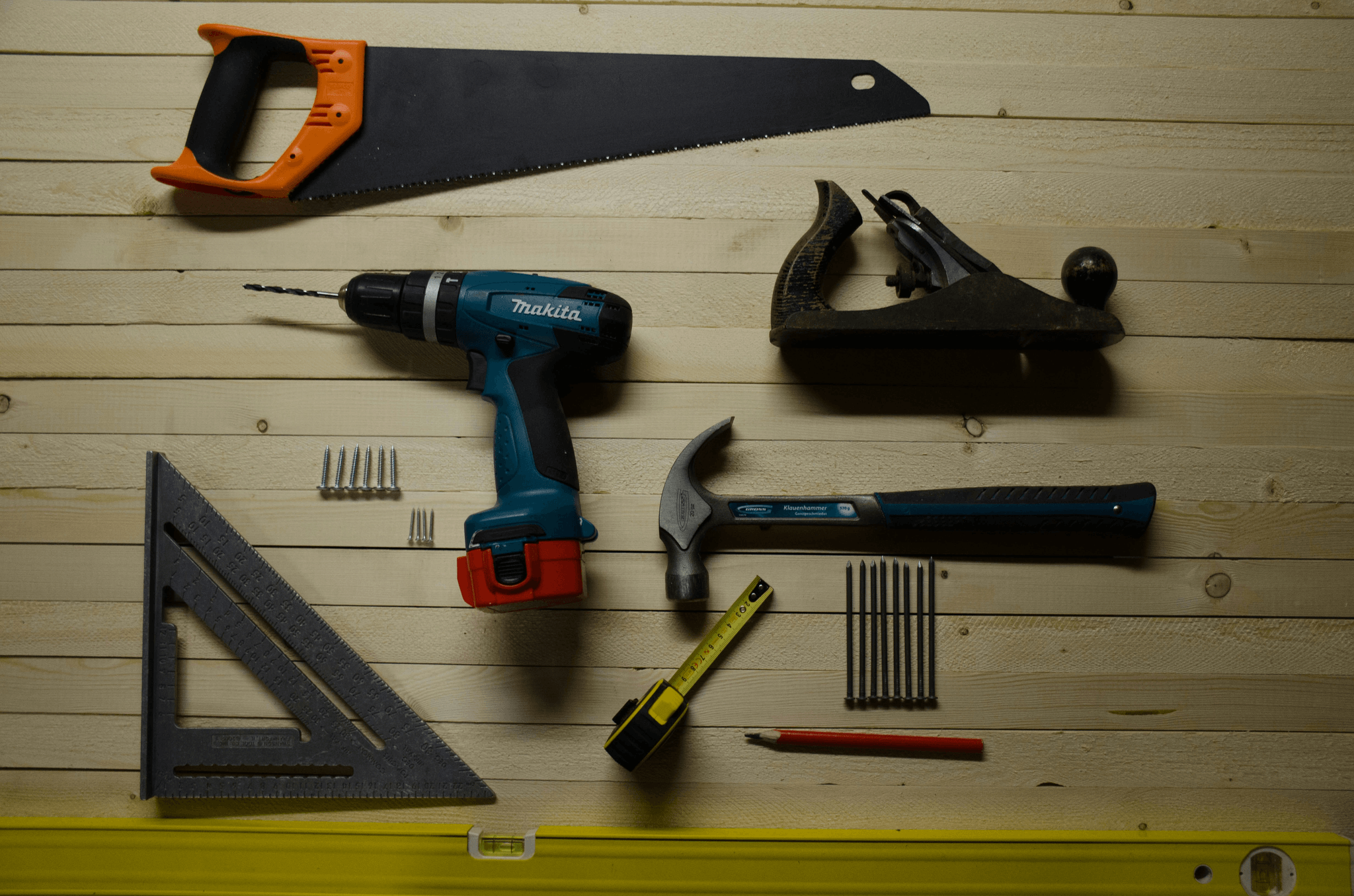
Before diving into your deck composite decking installation, gather all necessary tools and materials to streamline the process. You’ll need basic tools like a tape measure, level, saw (preferably a miter or circular saw), drill, and screws specifically designed for composite deck boards. Additionally, ensure you have high-quality composite wood decking boards that suit your chosen design and size; this will not only enhance aesthetics but also improve durability.
Don’t forget to stock up on materials such as joists, flashing tape, and spacers—these are crucial for proper drainage and ventilation under the deck. Depending on your layout, having a good selection of different composite decking sizes might also be beneficial for accommodating unique angles or curves in your design. Lastly, safety gear like goggles and gloves should be part of your toolkit to keep you safe while working with synthetic lumber for decks.
Step-by-Step Installation Guide
1. **Planning Your Layout**: Start by measuring your space accurately; knowing the dimensions will help you determine which composite decking sizes fit best in your area.
2. **Prepare Your Foundation**: Ensure that the ground is leveled and install support structures like joists following local building codes.
3. **Lay Down Your Composite Deck Boards**: Begin laying down the first row of composite wood decking boards perpendicular to the joists; use spacers between boards for expansion allowance.
4. **Secure Each Board**: Use screws specifically made for synthetic lumber for decks to secure each board tightly without over-tightening.
5. **Finish Up**: Once all boards are installed, make sure to trim any edges if necessary for a clean finish.
Following these steps will help ensure that your installation goes smoothly while maximizing the benefits of using high-quality composite wood.
Common Mistakes to Avoid
Even seasoned DIYers can slip up during their composite decking installation if they're not careful! One common mistake is failing to account for expansion gaps between boards; remember that temperature changes can cause synthetic lumber for decks to expand or contract over time—so leave enough space!
Another pitfall is neglecting proper drainage; installing flashing tape beneath deck boards can prevent water damage down the line—a little foresight goes a long way when working with different composite decking sizes! Lastly, don’t forget about securing fasteners appropriately; over-tightening screws can lead to warping or cracking in your beautiful new deck.
By avoiding these missteps while keeping an eye on essential details during installation, you'll be well on your way to enjoying an impressive outdoor living area crafted from stunning composite wood!
Top Brands for Composite Wood Decking Boards

When it comes to selecting the best composite wood decking boards, several brands stand out for their innovation and quality. Each manufacturer brings something unique to the table, whether it’s advanced technology in synthetic lumber for decks or a commitment to sustainability. Understanding these leading brands can help you choose the right composite decking sizes that fit your project needs.
Leading Manufacturers and Their Innovations
Some of the top manufacturers in the composite lumber decking industry have made significant strides in product development. Brands like Trex, TimberTech, and Fiberon are not just producing standard deck composite decking; they are innovating with eco-friendly materials and enhanced durability features. For example, Trex has pioneered a unique manufacturing process that incorporates recycled materials while maintaining impressive strength and resistance to weather elements.
Additionally, many of these companies offer a variety of composite deck boards in different colors and textures, allowing homeowners to achieve their desired aesthetic without compromising on performance. The innovations extend beyond just looks; advancements such as slip-resistant surfaces make synthetic lumber for decks safer for families with children or pets. As you explore your options, keep an eye out for these cutting-edge features that can elevate your outdoor space.
How Composite Decking Inc Stands Out
Composite Decking Inc is making waves in the world of composite wood by focusing on high-quality products at competitive prices. What sets them apart is their dedication to providing customizable options tailored to individual projects—perfectly fitting various composite decking sizes needed for different designs. Their commitment to customer service ensures that each client receives guidance throughout the entire process from selection to installation.
Moreover, Composite Decking Inc emphasizes sustainability by using recycled materials in their products without sacrificing quality or longevity. This approach not only benefits customers looking for durable solutions but also appeals to environmentally conscious consumers who want synthetic lumber for decks that leave a smaller footprint on our planet. With innovative designs and robust support systems, they are quickly becoming a go-to choice among homeowners and contractors alike.
Customer Reviews and Recommendations
Customer reviews often provide invaluable insights into how well different brands perform in real-world applications of composite wood decking boards. Many users rave about the long-lasting nature of products from leading manufacturers like Trex and TimberTech while highlighting their satisfaction with low maintenance requirements associated with these materials. Positive feedback often emphasizes how these brands hold up against harsh weather conditions compared to traditional wood options.
On platforms dedicated to home improvement discussions, customers frequently recommend Composite Decking Inc due to its personalized service and superior product offerings tailored for specific project needs—especially when it comes down to selecting appropriate composite decking sizes. Many reviews also mention ease of installation as a key factor when choosing synthetic lumber for decks since this saves both time and labor costs during setup processes like deck composite decking installations.
In conclusion, knowing which brands excel can help you make informed decisions about your outdoor living spaces while ensuring you choose the right dimensions that suit your design vision perfectly!
Conclusion
In wrapping up our exploration of composite decking sizes and their myriad advantages, it's clear that choosing the right dimensions is crucial for any deck project. Composite lumber decking offers a blend of durability, aesthetic appeal, and low maintenance that traditional materials simply can't match. Whether you're considering standard or custom sizes, understanding your options will lead to a more satisfying installation experience.
Key Takeaways on Composite Decking Sizes
You have common dimensions that fit most projects beautifully, but don't overlook the potential for custom shapes that can elevate your outdoor space even further. Remember, selecting the right size in composite deck boards not only affects aesthetics but also impacts structural integrity and usability.
Final Thoughts on Choosing Composite Lumber
Opting for synthetic lumber for decks means investing in longevity and ease—two qualities every homeowner desires. The aesthetic variety available with composite wood allows you to create a unique look tailored to your taste while enjoying all the benefits of modern materials. As you weigh your options, keep in mind that composite wood decking boards are designed to withstand the elements better than traditional choices.
Your Next Steps for Composite Decking Installation
Ready to dive into your composite decking installation? Start by gathering essential tools and familiarizing yourself with installation guidelines; this will help avoid common pitfalls along the way. With careful planning and consideration of composite decking sizes, you're well on your way to creating an outdoor oasis you'll enjoy for years to come!