
Introduction
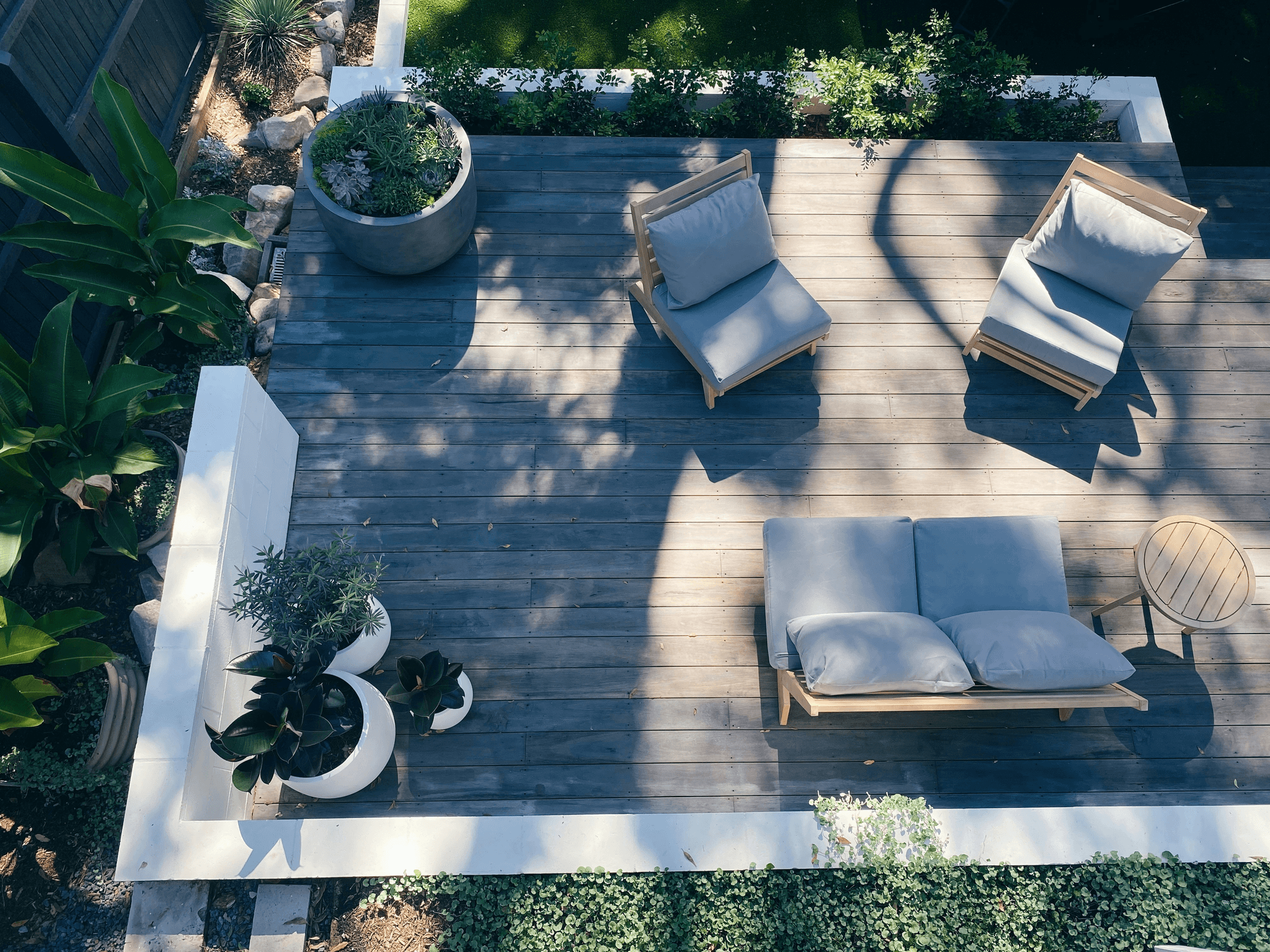
Softwood decking offers an appealing combination of beauty, affordability, and versatility, making it a popular choice for homeowners looking to enhance their outdoor areas. With a variety of options available—ranging from traditional timber decking to modern composite wood—there's something to suit every taste and budget.
Benefits of Softwood Decking
Softwood decking is not only cost-effective but also environmentally friendly, as many softwoods are sourced from sustainable forests. The natural beauty of softwood boards enhances any outdoor setting, providing warmth and charm that can transform your backyard into a welcoming retreat. Additionally, softwood options are typically easier to work with than hardwoods, allowing for simpler installation and maintenance.
Popular Alternatives to Timber Decking
While timber decking remains a favorite among many homeowners, alternative materials like composite wood and pressure treated boards for decking have gained traction in recent years. Composite wood offers durability without the need for extensive upkeep, while pressure treated boards provide an extra layer of protection against rot and insects. As you explore these alternatives, it's essential to weigh their benefits against your specific needs and aesthetic preferences.
Choosing the Right Decking for Your Space
Selecting the right decking involves considering factors such as climate, usage patterns, and personal style preferences. Whether you lean towards softwood decking or are intrigued by composite materials or pressure treated options, understanding your choices will help you create an outdoor oasis that reflects your lifestyle. Take time to evaluate each option's pros and cons before making a decision that will define your outdoor experience for years to come.
The Allure of Softwood Decking

Softwood decking has a charm all its own, combining natural beauty with practicality. Known for its lightweight and flexible nature, softwood is an excellent choice for outdoor decking projects that require both durability and aesthetic appeal. With a variety of options available, softwood decking can enhance any space while providing a warm, inviting atmosphere.
Characteristics of Softwood Decking
Softwood decking is primarily sourced from coniferous trees, which grow quickly and are abundant in many regions. This type of wood typically features a lighter color palette and distinct grain patterns that can add character to your outdoor spaces. Additionally, softwoods are generally easier to work with than hardwoods, making them ideal for DIY enthusiasts looking to install their own decking boards.
The inherent properties of softwood also contribute to its appeal; it has good resistance against warping and cracking when properly maintained. When treated correctly, softwood can withstand the elements, ensuring that your outdoor decking remains beautiful year after year. Overall, the unique characteristics of softwood make it an attractive option for those seeking to balance aesthetics with functionality in their timber decking choices.
Cost-Effectiveness of Softwood Options
One of the most compelling reasons to consider softwood decking is its cost-effectiveness compared to other materials like composite wood or pressure treated boards for decking. Softwoods tend to be more affordable due to their rapid growth rates and widespread availability, allowing homeowners on a budget to create stunning outdoor spaces without breaking the bank. Moreover, the lower initial investment does not compromise quality; many softwoods offer excellent durability when properly treated.
In addition to upfront costs, maintenance expenses should also be factored into your decision-making process regarding decking and wood options. While some materials may require more frequent upkeep or specialized treatments over time, well-maintained softwood can last for years with minimal investment in maintenance products or services. This combination of affordability and longevity makes softwood an appealing choice for those looking for value in their timber decking solutions.
Popular Softwood Species for Decking
Cedar is often celebrated for its natural resistance to decay and insects while offering a beautiful reddish hue that can enhance any outdoor area. Another favorite is redwood; known for its rich color variations and durability against weather conditions.
Pine is another economical option that provides versatility in design but requires proper treatment or sealing due to its susceptibility to moisture damage if left untreated outdoors. Douglas fir offers strength comparable to some hardwoods while maintaining the lightness characteristic of softer woods—making it suitable for various applications in outdoor settings as well as timber decking projects across different climates. With so many fantastic species available within the realm of softwoods, choosing the right one will ensure your deck remains both functional and visually appealing.
Exploring Composite Wood Decking
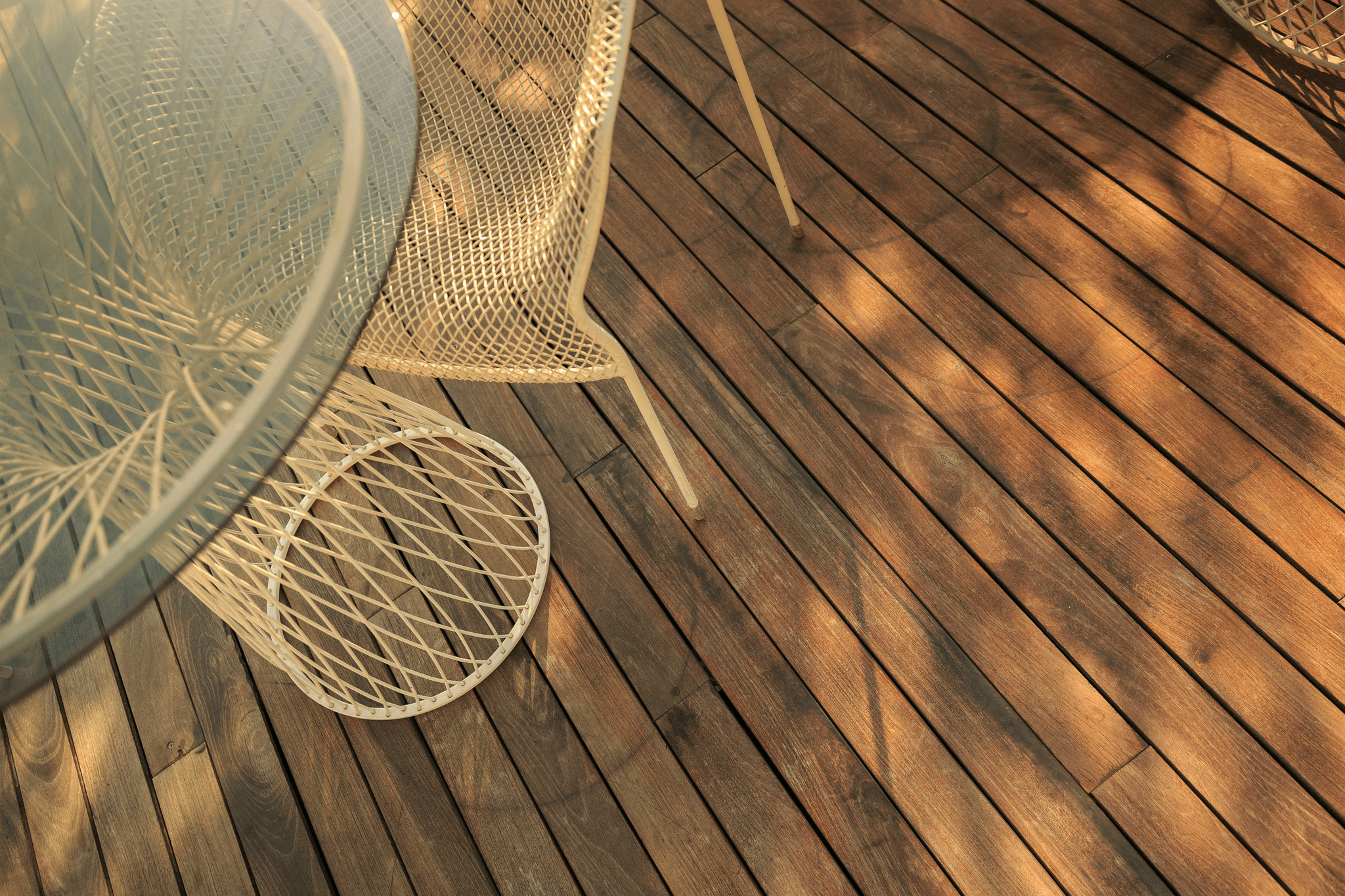
Composite wood decking has gained immense popularity in recent years, offering a blend of durability and aesthetic appeal that many homeowners crave. Unlike traditional softwood decking, composite materials are engineered to withstand the elements while requiring minimal maintenance. This makes them an attractive option for outdoor decking projects where longevity and performance are paramount.
Advantages of Composite Decking
One of the standout advantages of composite decking is its resistance to fading, staining, and scratching, making it a practical choice for busy outdoor spaces. While softwood decking can require regular upkeep, composite boards maintain their appearance without the need for frequent sealing or staining. Furthermore, many composite options come with warranties that can last up to 25 years or more, ensuring your investment is protected for the long haul.
Composite wood also offers versatility in design; it comes in various colors and textures that mimic the natural look of timber decking without the drawbacks associated with real wood. This means you can achieve a stunning visual effect while enjoying the benefits of low-maintenance materials. Additionally, since composite boards are made from recycled materials, they provide an eco-friendly alternative to traditional pressure treated boards for decking.
Environmental Benefits of Composite Materials
When considering outdoor decking options, environmental impact is often a key factor for homeowners today. Composite wood is typically made from recycled plastics and reclaimed wood fibers, reducing waste and promoting sustainability in construction practices. Choosing composite over softwood or hardwood options helps preserve forests while still providing a high-quality surface for your deck.
Moreover, because composite materials do not require chemical treatments like pressure treated boards for decking do, they contribute less harmful substances into the environment during production and use. This makes them safer not only for your family but also for local wildlife and ecosystems surrounding your home. By opting for composite wood products, you can enjoy your outdoor space guilt-free knowing you made an environmentally conscious choice.
Leading Brands in Composite Decking
When diving into the world of composite wood decks, it's essential to consider reputable brands that stand out in quality and innovation within the market. Companies like Trex and TimberTech have established themselves as leaders by offering diverse product lines that cater to various aesthetic preferences while ensuring durability against weather conditions—perfectly blending functionality with style.
Another notable player is Fiberon; known for its commitment to sustainability alongside high-performance products that resist fading and mold growth better than traditional timber decking solutions. These brands often provide extensive warranties on their products as well—an assurance that reflects their confidence in quality craftsmanship compared to conventional softwood options available on the market today.
For those seeking a reliable alternative to standard pressure treated boards for decking without sacrificing beauty or environmental responsibility—composite wood presents itself as an excellent choice worth exploring further!
The Case for Pressure Treated Boards
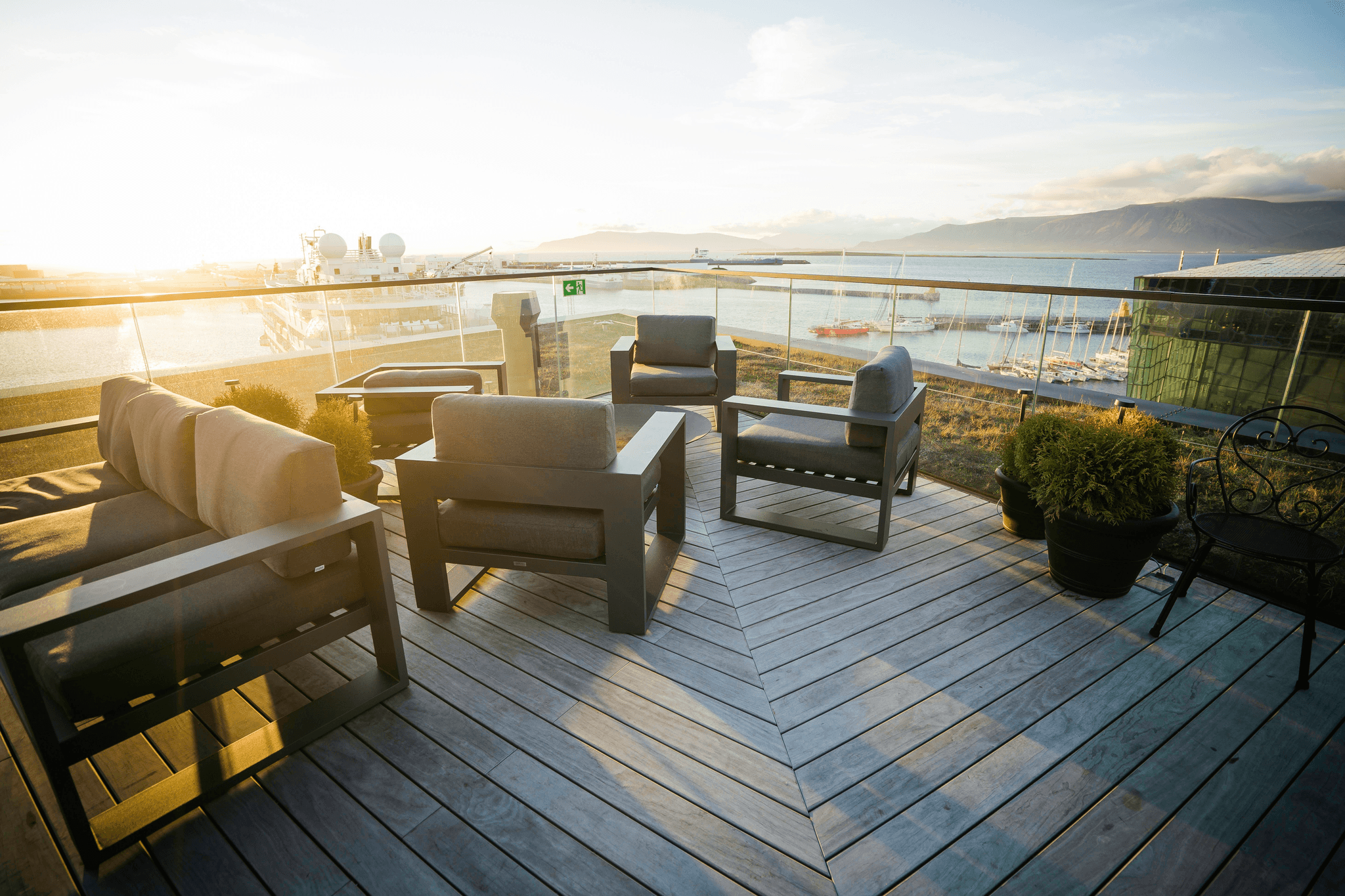
These boards are engineered to withstand the elements, making them a durable option for any decking project. With their ability to resist rot, decay, and insect damage, pressure treated boards provide peace of mind that your investment in decking and wood will last.
Durability of Pressure Treated Decking
One of the key selling points of pressure treated decking is its impressive durability. The treatment process infuses the wood with preservatives that protect against moisture and pests, ensuring that your softwood decking remains sturdy over time. This resilience means less worry about replacing decking boards due to wear and tear, allowing you to enjoy your outdoor space without constant maintenance.
Moreover, pressure treated boards can endure harsh weather conditions better than untreated wood options. Whether it’s intense sunlight or heavy rainfall, these boards hold up remarkably well compared to traditional timber decking alternatives. This durability makes them an ideal choice for those who want a long-lasting solution for their outdoor decking needs.
Cost and Maintenance Considerations
When evaluating cost considerations for pressure treated boards for decking, they often come out ahead compared to other materials like composite wood or hardwood options. Although the initial investment might be slightly higher than untreated softwood decking, the longevity and reduced maintenance costs make them financially sensible in the long run. Regular upkeep typically involves simple cleaning and occasional resealing rather than extensive repairs or replacements.
Maintenance is also straightforward; simply wash off dirt and debris periodically to keep your deck looking fresh and inviting. Unlike some composite materials that may require specialized care products or techniques, maintaining pressure treated timber is hassle-free and budget-friendly. Overall, when considering both cost-effectiveness and ease of upkeep, these boards are hard to beat in the world of outdoor decking.
Application in Outdoor Spaces
They can be used not only for traditional decks but also for patios, walkways, or even garden structures like pergolas or raised beds—essentially anything where durable timber is required! Their adaptability makes them a favorite among DIY enthusiasts who appreciate flexibility in design.
Additionally, these boards can easily be stained or painted if you want a specific aesthetic that matches your home’s exterior décor; this opens up endless possibilities for creating unique looks with your timber decking projects! Whether you're planning an expansive entertainment area or a cozy nook surrounded by greenery, using pressure treated boards ensures both beauty and functionality in your outdoor sanctuary.
Understanding Timber Decking Options
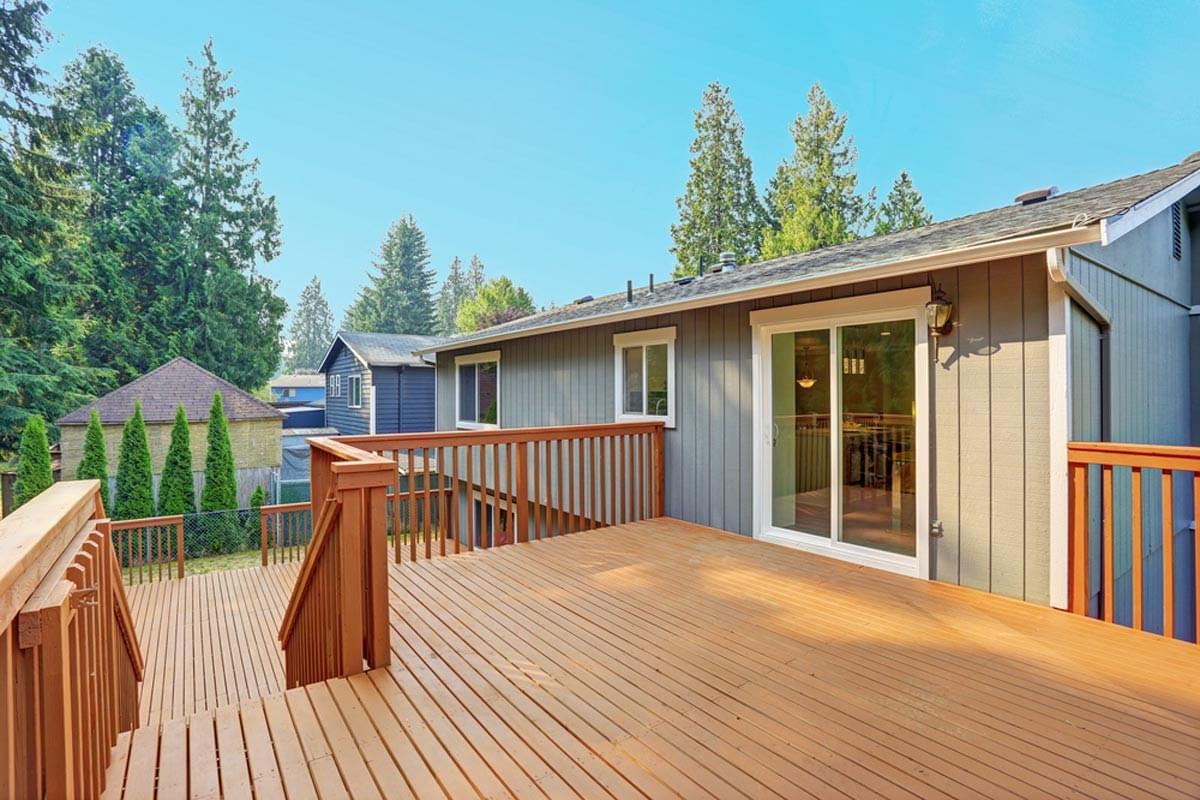
Homeowners often find themselves navigating a sea of choices, from softwood decking to hardwood alternatives. Each type of timber brings its own unique characteristics, benefits, and aesthetic appeal that can transform any outdoor space.
Types of Timber Decking Available
Timber decking comes in two main categories: softwood and hardwood. Softwood decking typically includes species like pine, cedar, and redwood, which are known for their affordability and ease of installation. On the other hand, hardwood options such as teak or mahogany offer exceptional durability but often come with a higher price tag; thus, choosing the right type of timber is crucial based on your budget and desired longevity.
In addition to these classifications, there are also treated options available for both softwood and hardwood. For instance, pressure treated boards for decking are commonly used due to their resistance to rot and insects—making them ideal for outdoor environments. Understanding these variations will help you make an informed decision when selecting your decking boards.
Comparing Softwood and Hardwood Decking
When comparing softwood and hardwood decking, it’s essential to consider factors like cost-effectiveness versus durability. Softwood decking is generally more budget-friendly upfront; however, it may require more maintenance over time compared to its hardwood counterparts. Conversely, while hardwood can be pricier initially due to its density and longevity, it often withstands the elements better in the long run.
Another critical comparison lies in installation ease—softwoods tend to be lighter and easier to work with than hardwoods which can be denser and heavier during installation. This makes softwood an attractive option for DIY enthusiasts looking at home improvement projects involving decking and wood structures. Ultimately, your choice between these two types will depend on how you weigh immediate costs against long-term benefits.
Aesthetic Appeal of Timber Decking
The aesthetic appeal of timber decking is undeniable; it adds warmth and character that synthetic materials simply cannot replicate. Whether you opt for the rustic charm of softwood or the rich hues of hardwoods like mahogany or teak, timber creates an inviting atmosphere perfect for entertaining or relaxing outdoors. The natural grain patterns found in wood add depth that enhances any outdoor setting.
Moreover, timber’s versatility allows homeowners to customize their decks with various stains or finishes that complement their existing landscape design perfectly. From sleek modern looks with smooth finishes to rough-hewn rustic styles that embrace natural imperfections—decking boards made from wood provide endless possibilities for creativity in outdoor spaces. Ultimately, investing in quality timber means investing in beauty that stands the test of time.
Pros and Cons of Alternative Decking Materials
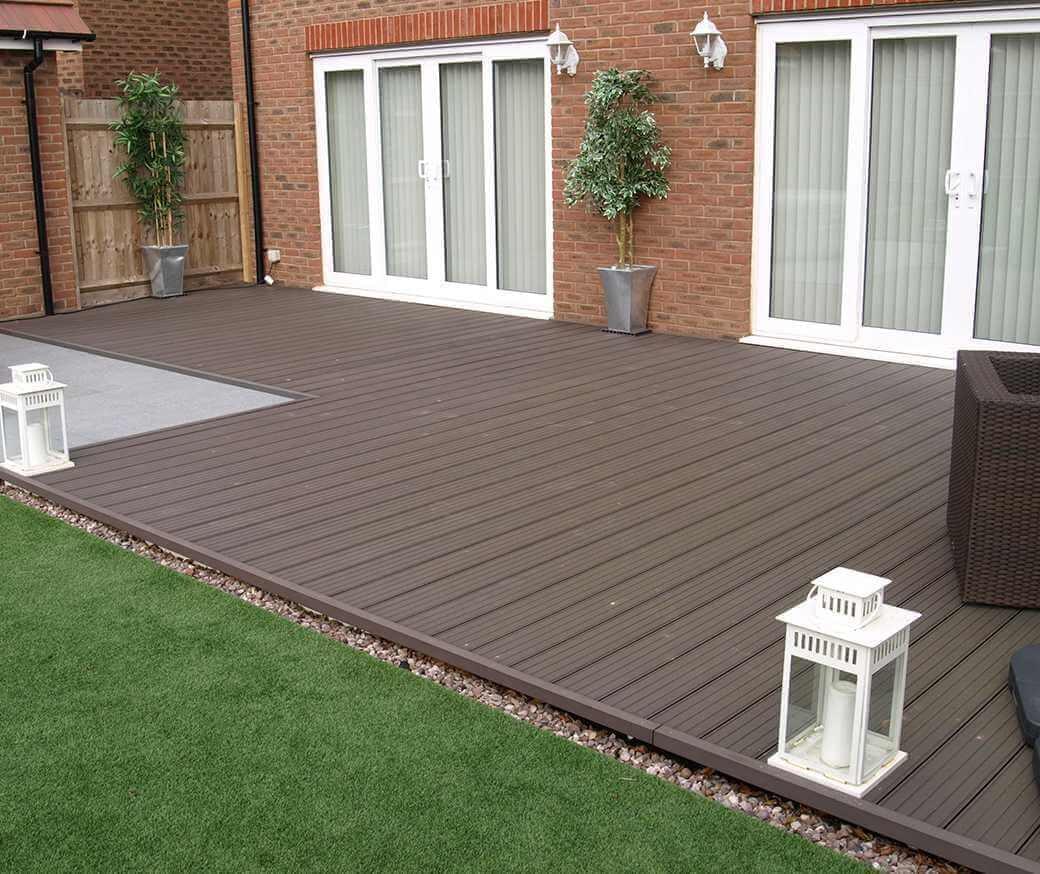
When it comes to outdoor decking, the choices extend far beyond traditional softwood decking. While timber decking has its charm and character, alternative materials like metal, stone, and vinyl offer unique benefits and challenges. Understanding these options will help you make an informed decision that suits your style and budget.
Metal and Stone Decking Options
Metal and stone decking options provide a sleek, modern aesthetic that can elevate any outdoor space. Metal decking boards are often made from aluminum or steel, offering incredible durability against the elements while requiring minimal maintenance compared to softwood decking or timber alternatives. Stone decks, on the other hand, bring a natural elegance but can be heavier and more expensive than traditional wood options.
However, both metal and stone have their drawbacks; metal can become hot underfoot in sunny climates while stone may be prone to cracking in extreme temperatures. Additionally, installation for these materials often requires specialized skills or tools—unlike pressure treated boards for decking that are easier to work with for DIY enthusiasts. Ultimately, if you're looking for longevity and a contemporary look without the hassle of regular upkeep associated with softwood or composite wood options, metal or stone could be your best bet.
Vinyl Decking: Benefits and Drawbacks
Vinyl decking has gained popularity as a low-maintenance alternative to traditional timber decking solutions like softwood or hardwood boards. Made from synthetic materials, vinyl is resistant to rot, insects, and fading—making it an attractive choice for those who want their outdoor decking to look pristine year-round without constant upkeep. Plus, it comes in various colors and styles that mimic the appearance of natural wood without compromising on durability.
Weighing Longevity Against Cost
When evaluating different types of deck materials—from classic timber options like softwood decking to modern alternatives such as composite wood—the balance between longevity and cost becomes paramount. Softwood generally offers affordability upfront but may require more frequent maintenance compared to pressure treated boards for decking that promise extended life spans with less effort involved over time.
Meanwhile, while metals or stones might come with higher initial investments due to their robust nature—often translating into longer-lasting solutions—their installation costs could also inflate your budget significantly compared with simpler wooden structures made from softwoods or composites designed specifically for easy handling by DIYers.
Ultimately deciding which material suits you best hinges on personal preferences regarding aesthetics versus practicality; knowing how each option fares financially over its lifespan will steer you towards making an informed choice tailored specifically for your outdoor living area.
Conclusion
In the world of outdoor decking, softwood decking stands out for its blend of affordability and charm. While it may not be as durable as some hardwood options, the warmth and aesthetic appeal of softwood can create inviting spaces that are perfect for relaxation and entertainment. Plus, with proper care, softwood decking can last for many seasons, making it a practical choice for homeowners.
Final Thoughts on Softwood Decking
Softwood decking offers a unique balance between cost-effectiveness and beauty, making it an attractive option for many outdoor projects. With various species available—from cedar to pine—there’s a softwood deck to suit nearly every taste and budget. Its natural characteristics not only enhance the look of your space but also provide a sustainable choice when sourced responsibly.
Evaluating Your Decking Choices
When considering your options in decking boards, it's essential to weigh the benefits of each material against your specific needs. Whether you lean towards timber decking or explore composite wood alternatives like pressure-treated boards for decking, understanding their pros and cons will guide you in making an informed decision. Remember that aesthetics matter too; choose materials that complement your home while providing the durability required for outdoor use.
Next Steps for Your Outdoor Decking Project
Now that you've gathered insights on softwood decking and other alternatives, it's time to take action! Start by assessing your space—measure dimensions and consider how you plan to use the area. Once you've settled on a type of decking—be it timber or composite—research local suppliers or contractors who can help bring your vision to life.