
Introduction
With so many options available, from traditional wood to innovative composites, selecting the right material is crucial for both aesthetics and durability. This guide will help you navigate through popular choices like red balau vs ipe and provide insights into how quality deck supplies can elevate your outdoor space.
Choosing the Right Decking Material
Choosing the right decking material is a decision that involves careful consideration of various factors including style, maintenance, and cost. For instance, ipe wood decking offers unmatched strength and beauty but at a higher price point than alternatives like red decking options. Ultimately, your choice should reflect not only your personal taste but also how you plan to use your outdoor deck.
Comparing Popular Options for Decks
When comparing popular options for decks, it's essential to weigh the pros and cons of each material type. Ipe wood is renowned for its longevity and resistance to decay, while red balau presents a more budget-friendly yet attractive alternative with similar characteristics. Understanding these differences will aid in making an informed decision that aligns with both your vision and financial considerations.
Benefits of Quality Deck Supplies
Investing in quality deck supplies pays off in the long run by enhancing both the appearance and longevity of your outdoor deck. Quality materials not only resist wear and tear better but also require less maintenance over time compared to cheaper alternatives like low-grade composite decking or untreated wood deck wood. By choosing premium products, you'll enjoy a beautiful space that stands up against nature's elements while providing comfort and style.
Overview of Decking Materials
Analyzing Natural vs. Composite Decking
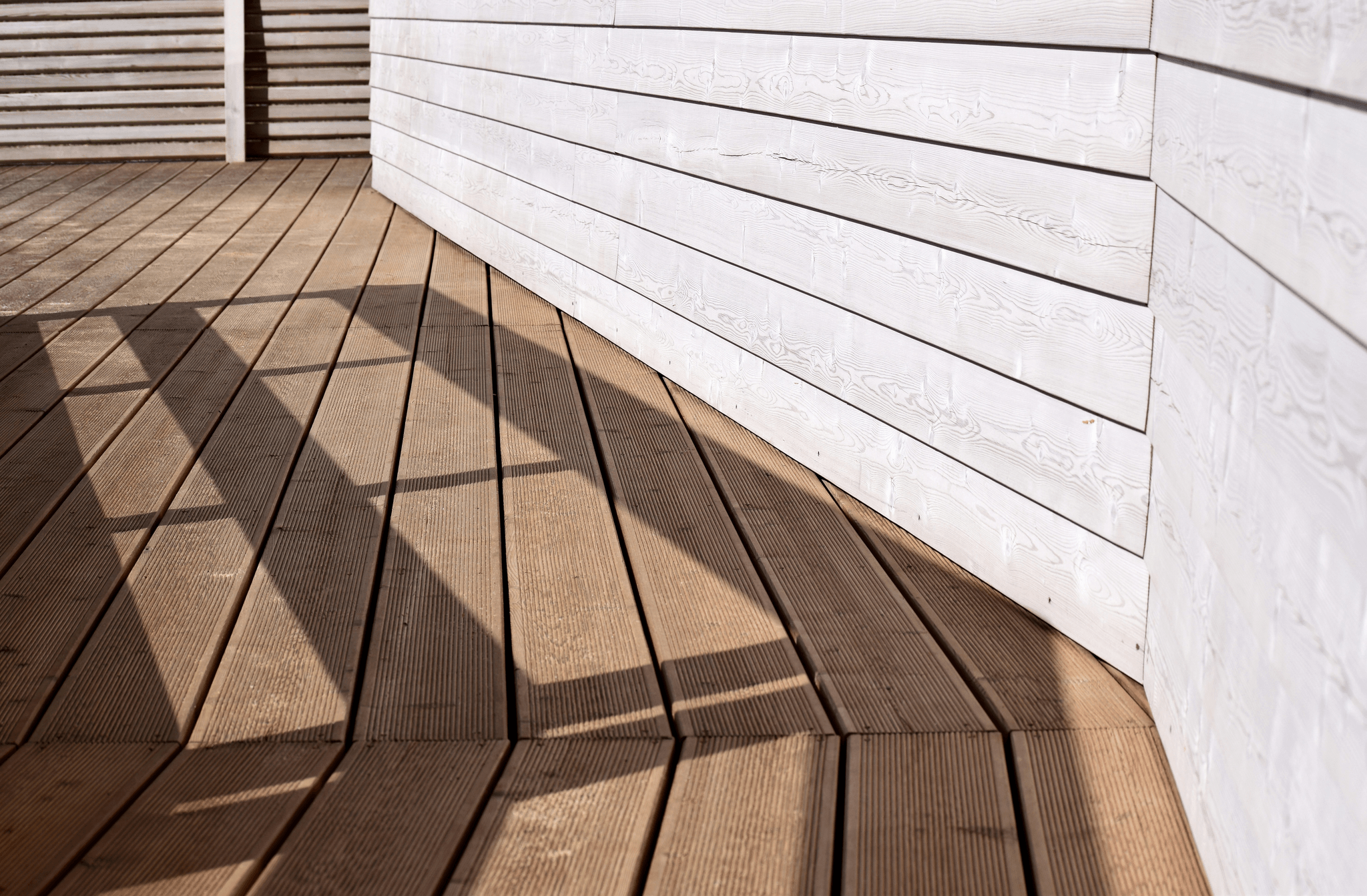
Natural wood decking, such as ipe wood or red balau, offers unparalleled beauty and a classic aesthetic that many homeowners crave. However, it does require regular maintenance to keep its charm intact, including staining and sealing to protect against the elements. On the other hand, composite decking provides a low-maintenance alternative that mimics the look of wood without the same upkeep demands; this is particularly appealing for those who want an attractive outdoor deck without constant care.
Composite materials often incorporate recycled plastics and wood fibers, making them an eco-friendly choice for environmentally conscious consumers. While they may lack some of the warmth associated with natural woods like ipe wood or red decking options, advancements in manufacturing have led to composites that closely resemble traditional wood grain patterns. Ultimately, your choice between natural and composite will depend on factors like budget, aesthetics, and how much time you're willing to invest in maintenance.
Benefits of Ipe Wood Decking
Ipe wood stands out as one of the premier choices among natural decking materials due to its remarkable durability and resistance to decay. Known for its rich color variations—from deep browns to reddish hues—ipe not only enhances your outdoor space but also ensures longevity; it's often cited as lasting up to 75 years with proper care. Additionally, ipe wood's dense composition makes it resistant to insects and mold growth, which are common concerns for any wooden deck.
Another significant benefit of ipe is its ability to withstand extreme weather conditions without warping or splitting over time; this resilience makes it ideal for various climates across the country. Its high density also means that ipe can withstand heavy foot traffic while maintaining its elegant appearance—a crucial factor if you're planning on hosting gatherings on your deck frequently. Overall, choosing ipe wood decking can be seen as an investment in both beauty and functionality for your outdoor living space.
Red Balau vs Ipe: Which is Better?
When comparing red balau vs ipe in terms of performance and aesthetics, several factors come into play that can influence your decision-making process regarding decking material choices. Red balau offers similar durability characteristics but tends to be more affordable than ipe; however, it may not last quite as long under harsh conditions compared to premium-grade ipe wood decking options available today.
In terms of color palette, both woods provide stunning visual appeal—red balau features warm reddish tones that can brighten up any outdoor area while still providing a rich texture reminiscent of tropical hardwoods like ipe itself. However, if you’re looking for longevity coupled with low maintenance needs over time—ipe may take precedence due solely because of its superior lifespan when compared directly against red decking alternatives.
Ultimately deciding between these two remarkable materials boils down largely towards personal preference alongside budget constraints; whether you lean toward red balau’s affordability or favor investing upfront into high-quality ipe—the outcome will undoubtedly elevate your outdoor experience significantly!
Sustainable Decking Solutions

In an era where environmental consciousness is on the rise, sustainable decking solutions are becoming increasingly popular among homeowners. Eco-friendly options not only reduce the carbon footprint but also offer durability and aesthetic appeal. By exploring these options, you can create a beautiful outdoor deck that aligns with your values.
Exploring Eco-Friendly Options
When considering decking materials, eco-friendly options such as bamboo and reclaimed wood are gaining traction. Bamboo grows rapidly and is highly renewable, making it a smart choice for those looking to minimize their environmental impact. Additionally, reclaimed wood provides a unique character while repurposing materials that would otherwise go to waste, adding charm to any wood deck wood project.
Another option worth mentioning is the use of sustainably sourced hardwoods like Ipe wood and Red Balau. These woods are known for their longevity and resistance to decay, meaning they won’t need frequent replacements or treatments that could harm the environment. Choosing such materials not only enhances your outdoor space but also contributes positively to sustainability efforts.
The Rise of Composite Decking
Composite decking has surged in popularity as homeowners seek durable materials that require less maintenance than traditional wood options. Made from a blend of recycled plastics and wood fibers, composite decking offers an eco-friendly alternative without sacrificing quality or aesthetics. This rise in popularity is largely due to its ability to withstand harsh weather conditions while retaining its appearance over time.
The benefits of composite decking extend beyond just environmental considerations; it also provides versatility in design and color choices for your outdoor deck. Unlike traditional red decking made from solid wood, composite boards can mimic the look of various woods while being resistant to fading or splintering. This means you can enjoy the beauty of Ipe wood without worrying about constant upkeep or deterioration.
How Composite Decking Inc is Innovating
Composite Decking Inc is at the forefront of innovation in sustainable building materials, continually improving their products to meet consumer demands for durability and eco-friendliness. Their commitment to using recycled materials ensures that every board contributes positively to reducing waste in landfills while providing an attractive finish for any outdoor deck project.
With advancements in technology, Composite Decking Inc has developed products that offer even greater resistance against moisture and pests compared to traditional decking materials like Ipe wood or Red Balau. This innovation allows homeowners to enjoy long-lasting beauty without compromising on performance or environmental responsibility—a win-win situation! As more people become aware of these advancements, it’s clear that composite solutions will play a crucial role in future decking trends.
Cost Considerations for Decking
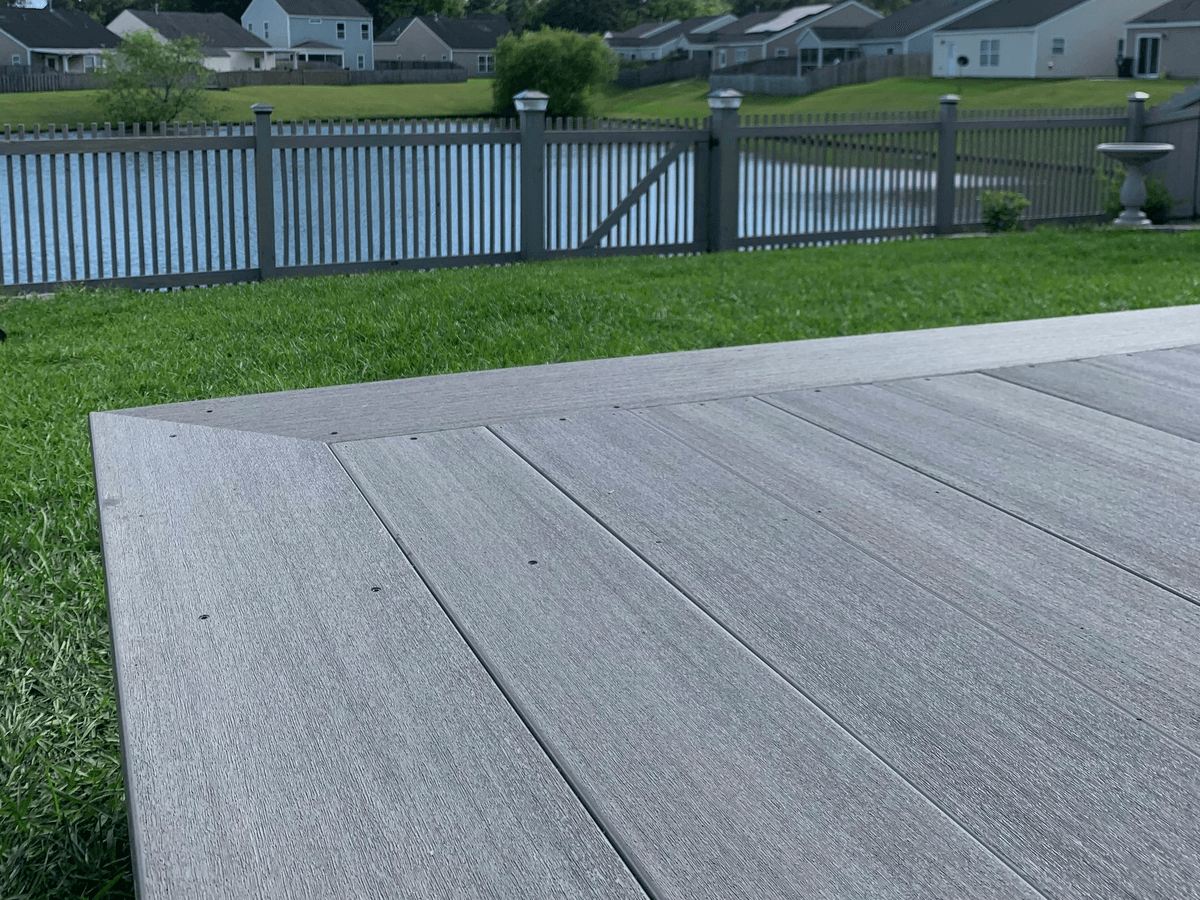
Different materials carry different price tags, and understanding these costs is essential for budgeting your outdoor deck project. Whether you're leaning towards red decking or the luxurious ipe wood, knowing what you’re getting into financially will help you make an informed choice.
Pricing Red Decking and Ipe Wood
Red decking materials, particularly red balau, often present a more budget-friendly option compared to ipe wood. While red balau can range from $3 to $6 per square foot, ipe wood decking typically commands a higher price of around $8 to $15 per square foot due to its durability and aesthetic appeal. However, when considering the longevity of both options—especially in the battle of red balau vs ipe—it's crucial to weigh initial costs against potential long-term savings.
Budget-Friendly Decking Materials
If you're working with a tight budget, there are several alternatives that won't break the bank while still providing quality and aesthetics for your outdoor deck. Pressure-treated lumber is one popular option that offers affordability at around $2 to $5 per square foot; however, it may require more maintenance than red decking or ipe wood options over time. Additionally, composite materials have become increasingly popular as they combine cost-effectiveness with low maintenance requirements while mimicking the appearance of natural wood.
Long-term Value vs. Initial Cost
While it might be tempting to choose cheaper options like pressure-treated lumber or even basic composite materials upfront, consider how long each material will last before needing replacement or extensive repairs. Ipe wood decking and high-quality composite options may require a higher initial investment but typically offer greater durability and lower upkeep costs in the long run compared to standard red decking choices like red balau. Ultimately, investing wisely now can save you money later on as you enjoy your beautiful outdoor deck for years to come.
Maintenance and Care for Decks
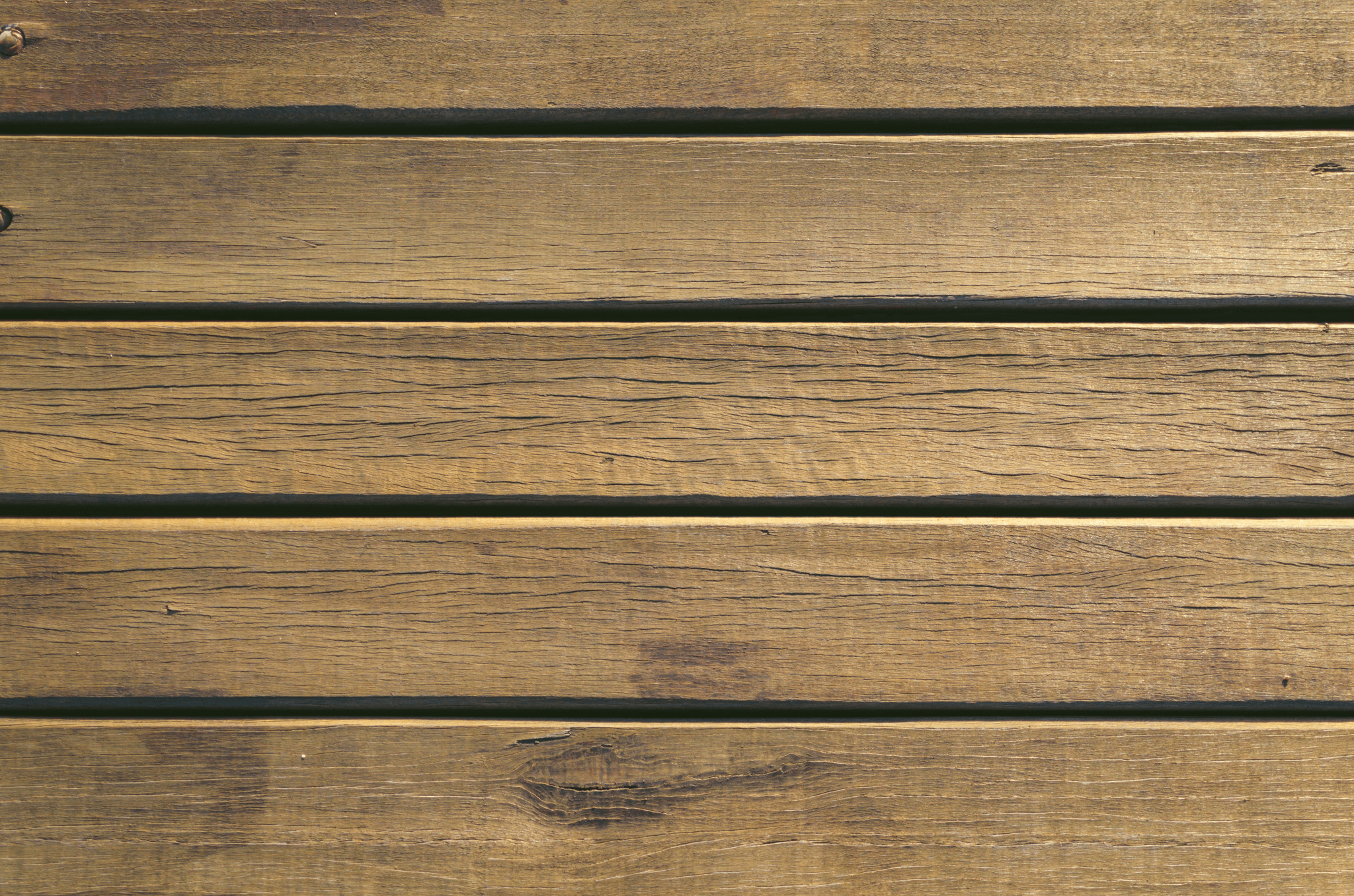
Wood deck wood, such as Ipe wood or red decking options like Red Balau, demands specific upkeep routines to ensure longevity and beauty. Understanding the maintenance needs of each material can save you time, money, and effort in the long run.
Cleaning and Upkeep of Wood Deck Wood
Cleaning your wood deck wood is essential for preserving its natural beauty and preventing deterioration. Regular sweeping removes debris that can trap moisture, leading to mold growth or rot in materials like Ipe wood. For deeper cleaning, a gentle soap solution paired with a soft-bristle brush will do wonders without damaging the surface; just be sure to rinse thoroughly afterward.
Additionally, periodic sealing is crucial for protecting your red decking from UV rays and weather damage. Applying a high-quality sealant every couple of years will keep your outdoor deck looking fresh while enhancing its natural color—especially important when debating red Balau vs Ipe options! Remember that neglecting maintenance can lead to costly repairs down the line.
Lifespan of Different Decking Materials
The lifespan of your decking material plays a vital role in determining its overall value over time. Ipe wood decking is renowned for its durability; with proper care, it can last up to 50 years or more! In comparison, red decking materials like Red Balau typically offer around 25-30 years of service life but still stand strong against decay.
Composite decking has emerged as a popular choice due to its impressive longevity—often exceeding 30 years without significant wear or fading issues. This makes composite an attractive alternative if you're weighing options between traditional wood choices like Ipe and Red Balau versus modern synthetic solutions. Ultimately, understanding these lifespans helps guide your decision-making process when selecting the best decking material for your needs.
Tips for Maintaining Composite Decking
Maintaining composite decking might seem easier than caring for traditional wood options like Ipe or Red Balau; however, it still requires attention! Regularly sweeping away dirt and debris will prevent buildup that could lead to stains or discoloration over time. A simple wash with soapy water is often all that's needed to keep surfaces looking sharp—just avoid harsh chemicals that could compromise their integrity.
One advantage of composite materials is their resistance to fading and splintering compared to wood deck woods; however, it's essential not to overlook routine inspections for any signs of wear or damage. If you spot any loose boards or warped sections on your outdoor deck, address these issues promptly before they escalate into costly repairs! With proper care tailored specifically for composite materials, you’ll enjoy many worry-free seasons on your beautiful outdoor space.
Customization and Design Options
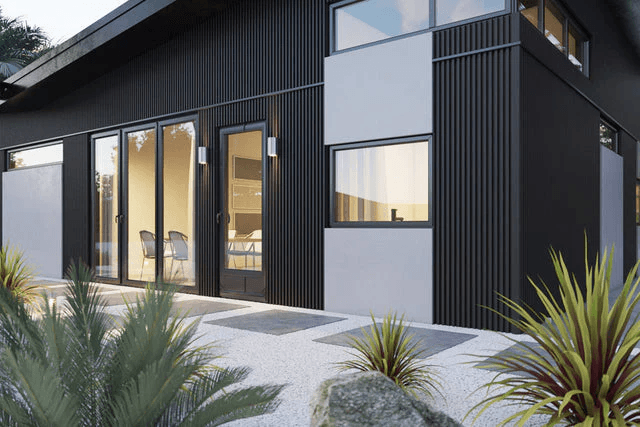
When it comes to creating a stunning outdoor deck, customization is key. The right decking material can transform your space into a personal oasis, reflecting your style and preferences. With options ranging from traditional wood deck wood to innovative composite decking, the possibilities are endless.
Unique Styles for Outdoor Decks
Outdoor decks can be designed in countless styles, catering to various aesthetics and functional needs. Whether you prefer the rich tones of ipe wood or the vibrant hues of red decking, there’s something for everyone. Consider incorporating unique patterns or multi-level designs that not only enhance visual appeal but also create distinct areas for relaxation and entertainment.
One popular trend is integrating built-in seating or planters into your deck design, seamlessly blending nature with your outdoor space. This approach allows you to showcase beautiful flowers alongside your choice of decking material while maximizing usability. Ultimately, the unique styles available ensure that every outdoor deck can be tailored to suit individual tastes and lifestyles.
Painting and Staining Wood Decks
Painting or staining wood decks is an excellent way to add character while protecting the underlying material from wear and tear. When debating red balau vs ipe for your project, consider how each wood type responds to different finishes; both offer stunning results when properly treated. Regular maintenance through staining not only preserves the beauty of your wood deck but also extends its lifespan significantly.
Choosing a color that complements your home’s exterior can elevate the overall aesthetic of your outdoor space. Opting for lighter shades can make smaller areas feel more expansive, while darker tones create a cozy atmosphere perfect for evening gatherings. Remember that proper preparation is essential; clean and sand the surface before applying any paint or stain for optimal adhesion.
Innovative Designs with Composite Decking
Composite decking has revolutionized how we think about outdoor spaces by offering innovative designs that were once impossible with traditional materials like ipe wood decking or red balau. Manufacturers now provide various textures, colors, and patterns that mimic natural wood while delivering superior durability and low maintenance requirements. This versatility allows homeowners to achieve their desired look without sacrificing performance.
Incorporating features such as hidden fasteners or integrated lighting systems further enhances the functionality of composite decks while keeping them visually appealing. You might even consider using composite materials in combination with other elements like metal railings or glass panels for a modern twist on classic designs.
Conclusion
Whether you lean towards the natural allure of Ipe wood or the modern convenience of composite materials, understanding your needs will guide you to the right selection. Remember, a well-chosen deck not only enhances your outdoor space but also serves as a lasting investment.
Final Thoughts on Decking Material Choices
Choosing between red Balau and Ipe can feel like picking a favorite child—both have their unique charm and advantages. Red decking offers a warm hue that can complement various outdoor themes, while Ipe wood decking is recognized for its durability and resistance to the elements. Ultimately, your choice should reflect both your aesthetic preferences and practical considerations regarding maintenance and longevity.
Key Considerations for Deck Supplies
When selecting decking supplies, it's essential to weigh factors such as cost, sustainability, and maintenance requirements. The debate of red Balau vs Ipe often hinges on budget constraints versus long-term value; both materials offer unique benefits that cater to different needs. Additionally, consider how each type of decking interacts with local climate conditions—this could significantly impact your deck's lifespan and appearance over time.
Finding the Best Product for Your Space
Finding the best product for your space involves assessing not just aesthetics but also functionality and maintenance demands associated with each material type. Whether you’re leaning towards traditional wood deck wood or exploring innovative composite solutions, ensure they align with your lifestyle and usage patterns. Ultimately, investing in quality decking materials will enhance your outdoor deck experience while providing years of enjoyment.