
Introduction
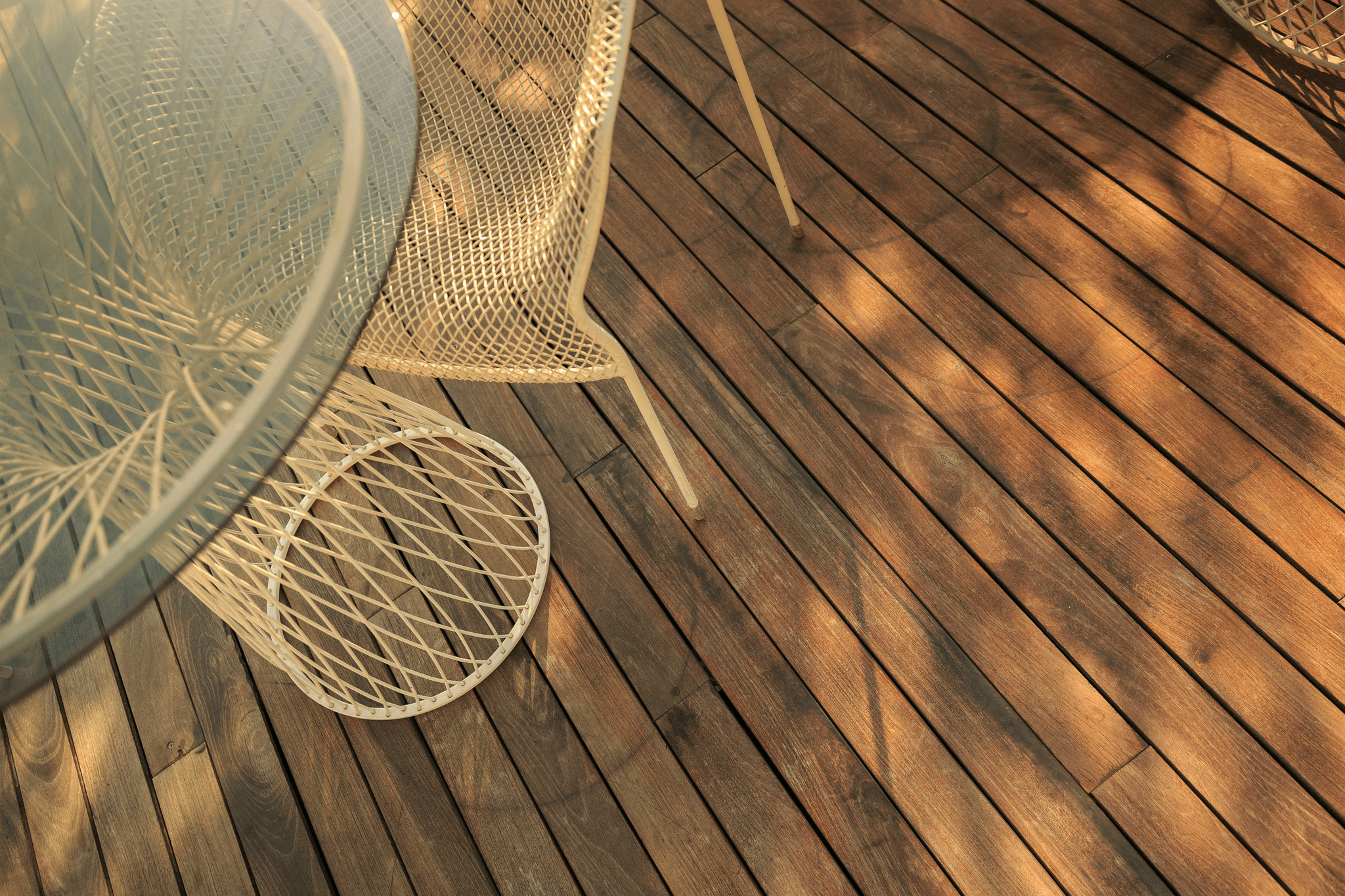
In recent years, the rise of composite decking trends has transformed outdoor living spaces, making them more appealing and functional. Homeowners are increasingly turning to composite materials for their decks, thanks to innovations that enhance aesthetics and durability while minimizing upkeep. As the popularity of composite lumber decking grows, understanding composite decking width becomes essential for achieving the perfect balance between style and performance.
Rise of Composite Decking Trends
The shift towards composite decking is not just a fleeting trend; it reflects a broader movement towards sustainable and low-maintenance solutions in home design. With advancements in technology, manufacturers are producing high-quality composite materials that mimic the look of traditional deck wood without the associated drawbacks like splintering or rotting. This evolution has led many homeowners to embrace composite decking as a viable alternative to conventional wood options.
Understanding Composite Decking Width
Composite decking width plays a crucial role in both visual appeal and structural integrity. Wider boards can create a seamless look that enhances outdoor aesthetics, while also providing greater stability underfoot. By selecting the right size from available widths, homeowners can optimize their deck's functionality while ensuring it complements their overall design vision.
Key Benefits of Composite Materials
The benefits of choosing composite materials over traditional wood are numerous and compelling. Not only do they require far less maintenance—making them ideal for those seeking a low maintenance deck—but they also resist fading, staining, and warping over time. Additionally, with options like PVC decking material on the market, homeowners have even more choices to suit their preferences while enjoying long-lasting durability.
The Evolution of Composite Decking Width
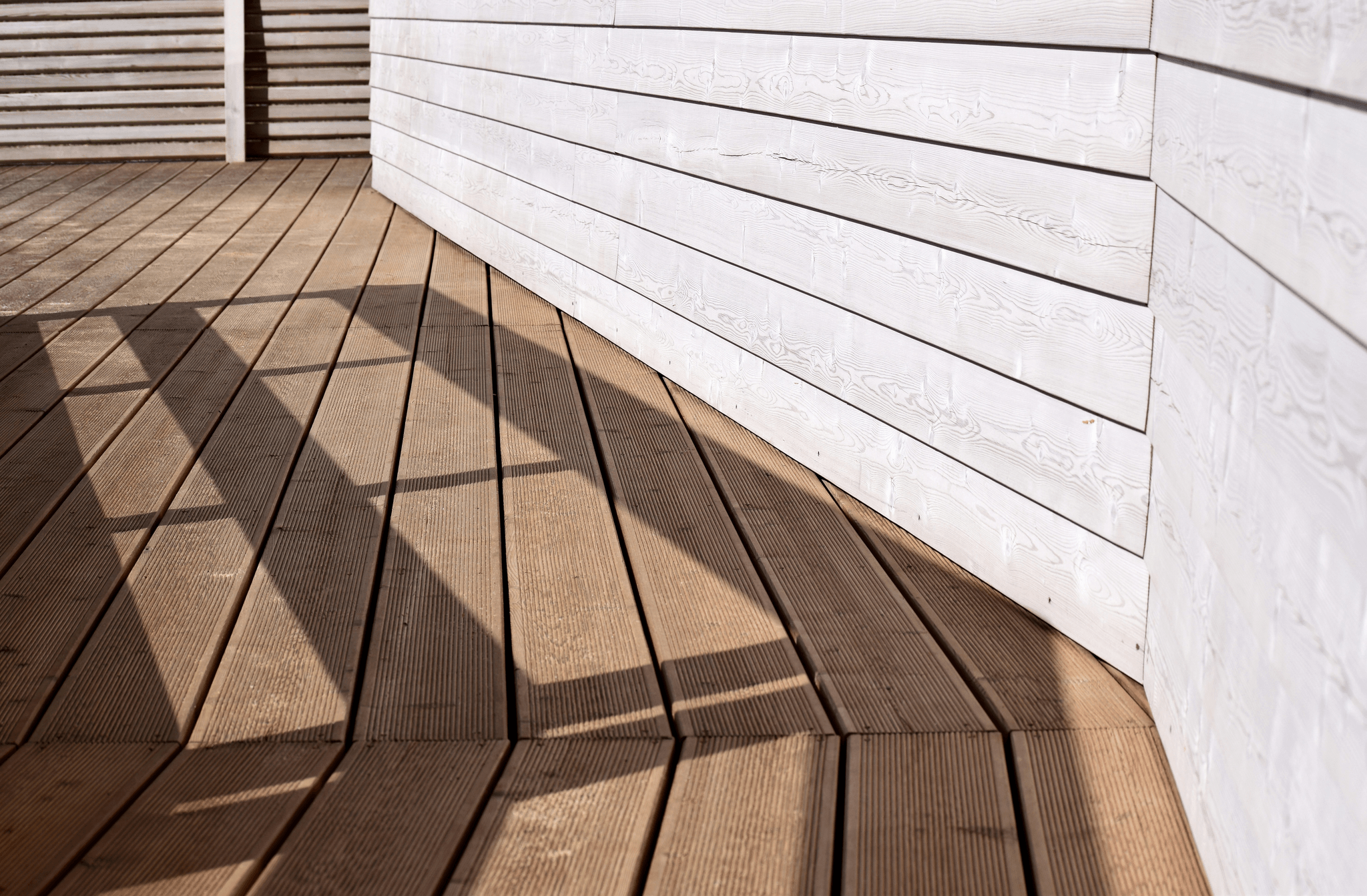
The evolution of composite decking width has been a fascinating journey, reflecting changes in consumer preferences, technological advancements, and the growing demand for durable outdoor solutions. Gone are the days when deck wood was the only option; now, composite lumber decking offers a variety of widths tailored to meet diverse aesthetic and functional needs. With an increasing focus on low maintenance decks, understanding these trends is essential for homeowners and builders alike.
Historical Perspective on Deck Widths
Historically, deck wood was primarily available in standard widths that catered to traditional building practices. Typically ranging from 4 to 6 inches wide, these options were limited by the natural dimensions of timber and the methods used in construction. However, as composite decking emerged onto the scene in the late 20th century, it introduced new possibilities—wider boards became feasible thanks to innovative manufacturing processes that enhanced structural integrity.
Current Trends in Composite Decking
Today’s trends in composite decking showcase an impressive array of widths designed to enhance both functionality and style. Wider boards are becoming increasingly popular as they create a more seamless appearance while reducing installation time—less cutting means less waste! Moreover, with advancements in PVC decking material technology, homeowners can choose from various finishes and textures that mimic natural wood while enjoying superior durability.
Differences with Traditional Deck Wood
When comparing composite lumber decking to traditional deck wood, several key differences emerge regarding width options and overall performance. While traditional wood may limit you to narrower choices due to its inherent properties, composite materials offer flexibility without compromising strength or aesthetics. Additionally, unlike deck wood which requires regular maintenance and treatment against weathering effects, low maintenance decks made from composites provide peace of mind with their resistance to fading and warping over time.
Popular Composite Decking Widths in the Market
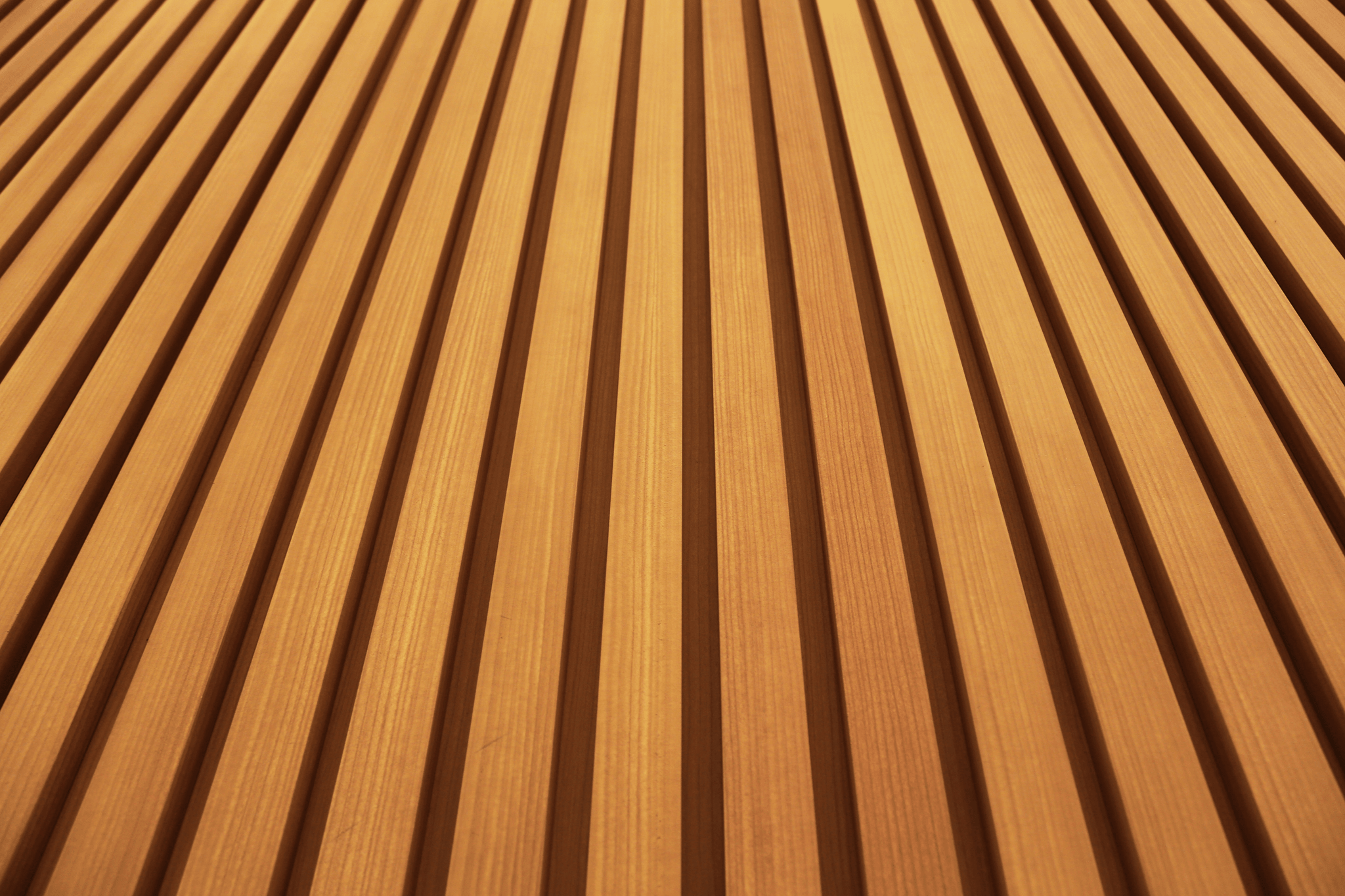
The market offers a range of options, from narrow planks to wider boards, each with its unique appeal and function. Homeowners are increasingly opting for composite lumber decking due to its durability and low maintenance requirements, making it a top choice over traditional deck wood.
Standard Widths for Composite Lumber Decking
Standard widths for composite decking typically range from 5.5 inches to 12 inches, with 6-inch and 12-inch boards being among the most popular choices. These dimensions provide versatility in design while ensuring structural integrity when installed correctly. Wider composite decking options often allow for fewer seams, which can enhance both aesthetics and performance as compared to standard deck wood.
How Width Affects Aesthetic Appeal
The width of your composite decking can dramatically influence the overall look of your outdoor area. Wider boards tend to create a more modern and spacious feel, which is particularly appealing in larger settings or open spaces. Conversely, narrower planks can lend a more traditional vibe or be used creatively in intricate patterns that draw attention to specific design elements.
Factors Influencing Decking Material Choices
Several factors come into play when choosing the right width of composite decking material for your project. First and foremost is the intended use; if you’re looking for a low maintenance deck that withstands heavy foot traffic or furniture placement, wider boards may be preferable due to their sturdiness. Additionally, climate considerations and personal style preferences will shape decisions regarding whether PVC decking material or traditional composite lumber decking is best suited for your needs.
Performance and Durability of Various Widths

Structural Integrity and Deck Width
The structural integrity of your deck is heavily influenced by its width. Wider boards tend to resist warping and bending better than their narrower counterparts, providing a more stable surface for outdoor activities. Additionally, composite decking width can enhance load-bearing capabilities, making it an ideal choice for those who plan to host gatherings or place heavy furniture on their decks.
Comparing PVC Decking Versus Wood
When comparing PVC decking material to traditional wood options, the differences in performance become evident quickly. While traditional deck wood may require frequent maintenance and sealing, PVC decking offers a low maintenance deck solution that resists moisture and pests without compromising on style. Moreover, the durability of PVC allows it to maintain its appearance over time, regardless of the chosen composite decking width.
Long-Term Maintenance of Different Widths
Long-term maintenance is another critical factor when evaluating various widths of composite decking materials. Wider boards may require less frequent replacement due to their enhanced durability compared to standard sizes; this translates into lower costs over time for homeowners. With proper care, both composite lumber decking and PVC options can provide years of enjoyment without the headaches associated with traditional wood upkeep.
Choosing the Right Composite Decking Width
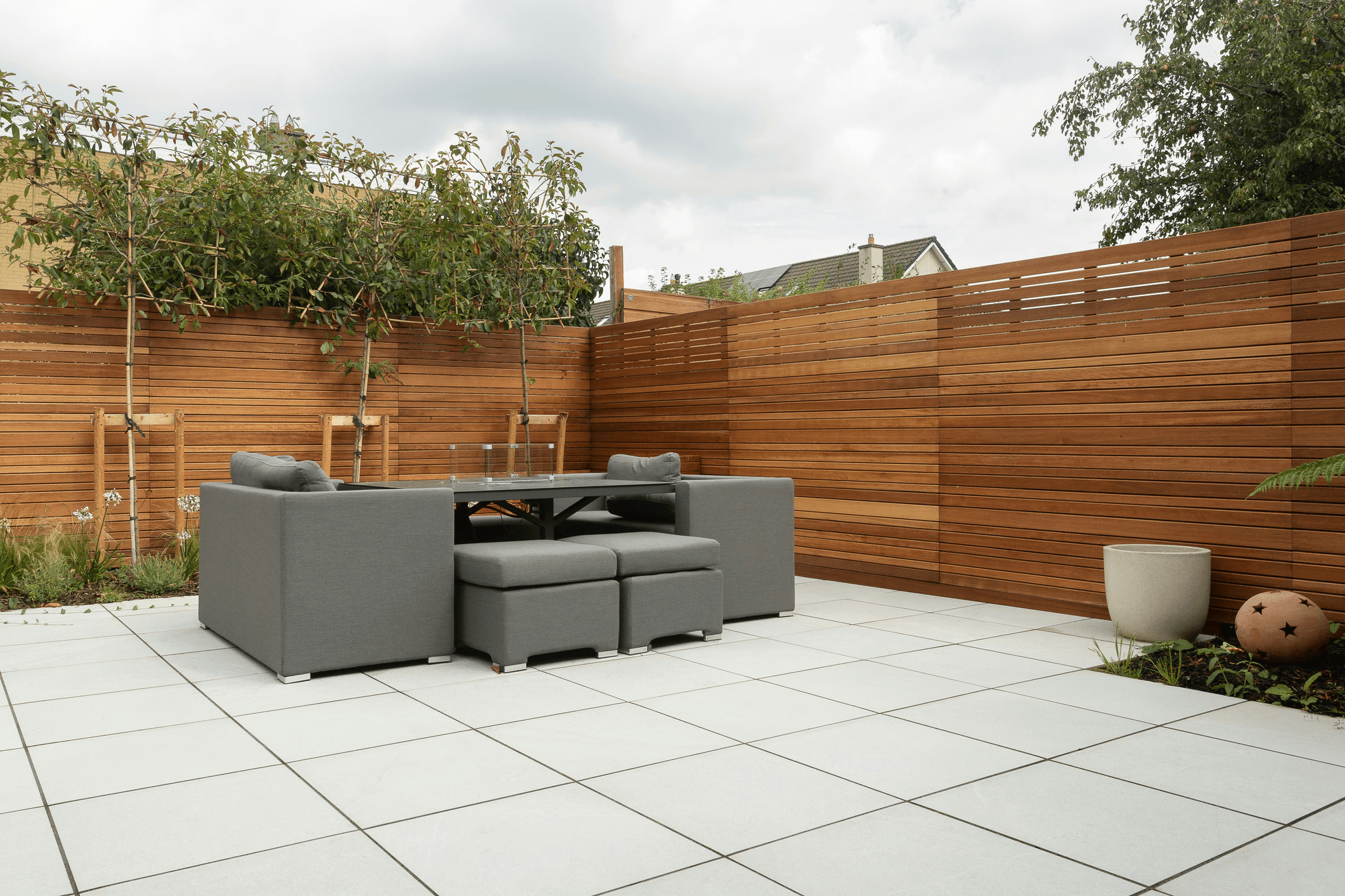
Selecting the right composite decking width is crucial for achieving both aesthetic appeal and functional performance in your outdoor space. The width of your decking can significantly influence the overall look of your deck, making it essential to consider how it will complement your home design. Additionally, understanding the various options available in composite lumber decking can help you make an informed decision that aligns with your lifestyle and maintenance preferences.
Considerations for Home Design
When choosing a composite decking width, it's important to consider how it fits into the overall design of your home. Wider boards can create a more modern and spacious feel, while narrower boards may evoke a traditional or rustic charm. Think about factors such as architectural style, existing outdoor elements, and color schemes when selecting the right composite decking width for your project.
Another consideration is how different widths will interact with other materials used in your outdoor space. For instance, if you're incorporating stone or tile features alongside your composite lumber decking, you'll want to ensure that the widths harmonize with those elements. Ultimately, choosing a cohesive design that integrates well with all aspects of your home will enhance its visual appeal.
Lastly, don't forget about functionality when considering deck wood options. Wider boards may require fewer fasteners and less labor during installation but could be heavier to handle compared to their narrower counterparts. Balancing these practical considerations with aesthetic desires is key to selecting an ideal composite decking width.
Balancing Functionality and Style
Finding harmony between functionality and style is essential when deciding on composite decking width. Wider boards often provide a more contemporary look while also offering enhanced stability; however, they may not always be suitable for every application or personal preference. Conversely, narrower boards can provide intricate detailing but might require more maintenance over time.
When evaluating different widths of PVC decking material versus traditional wood options, consider their unique benefits as well as potential drawbacks. For example, while PVC decking offers superior durability and low maintenance compared to conventional deck wood, its aesthetic appeal might vary depending on board size and finish choices available in the market today.
Ultimately, it's about striking a balance that meets both practical needs—like ease of cleaning—and stylistic aspirations—such as creating an inviting outdoor atmosphere for entertaining guests or relaxing alone on weekends with minimal upkeep required from a low maintenance deck setup.
Recommendations from Composite Decking Inc
Composite Decking Inc recommends considering both current trends and personal preferences when selecting the ideal composite decking width for your project. They suggest exploring standard widths offered by manufacturers while also keeping an eye out for innovative designs that cater specifically to individual tastes or environmental concerns such as eco-friendly materials.
Homeowners are encouraged to visit showrooms or consult professionals who specialize in these products; this way they can physically see how various widths look together before making final decisions regarding their new outdoor living area’s layout! Remember: investing time upfront into research ensures satisfaction long after installation has been completed!
In conclusion—understanding all aspects related to choosing appropriate composite lumber decking dimensions helps ensure successful outcomes tailored perfectly towards specific needs without compromising quality craftsmanship throughout each stage involved—from planning through execution down until enjoying those sunny afternoons spent outdoors again!
Future Trends in Composite Decking Width
As the outdoor living space continues to evolve, so too does the innovation surrounding composite decking width. Homeowners are increasingly looking for products that not only enhance their outdoor aesthetics but also align with modern technological advancements. The future of composite decking is set to be defined by enhanced durability, sustainability, and versatility in design.
Innovations in Decking Material Technology
The latest innovations in decking material technology are transforming how we think about composite lumber decking. Manufacturers are now using advanced processes to create materials that mimic the look and feel of traditional deck wood while providing superior performance characteristics. For instance, new formulations of PVC decking material are being developed that offer increased resistance to scratches, stains, and fading—making them ideal for low maintenance decks that stand up to the elements.
Moreover, these innovations often allow for a wider range of composite decking widths than ever before. Homeowners can choose from various sizes that not only fit their design preferences but also enhance structural integrity and aesthetic appeal. With an ever-growing selection of colors and finishes available, the possibilities for customizing outdoor spaces have never been more exciting.
Predictions for Consumer Preferences
Looking ahead, consumer preferences in composite decking width are likely to shift towards broader options that provide an expansive feel to outdoor areas. Wider boards can create a seamless appearance and reduce the number of visible seams on a deck surface, enhancing its overall aesthetic appeal. As homeowners continue seeking ways to extend their living spaces outdoors, larger widths will likely become more desirable.
Additionally, as sustainability becomes a priority for many consumers, there will be a growing interest in eco-friendly options within the realm of composite materials. This shift may lead manufacturers to produce wider boards made from recycled materials or sustainably sourced resources without sacrificing quality or durability—further aligning with consumer values regarding environmental responsibility.
Eco-Friendly Considerations in Width Choices
Incorporating eco-friendly considerations into choices around composite decking width is becoming increasingly important among environmentally conscious consumers. Wider boards can often mean fewer pieces needed for installation, which not only reduces waste but also minimizes labor costs associated with installation—a win-win situation! As companies innovate around sustainable practices and materials used in manufacturing PVC decking material or other composites, consumers will have more options aligned with their values.
Furthermore, many brands are focusing on creating low maintenance decks from recycled plastics and wood fibers that contribute positively to environmental sustainability while offering attractive designs at various widths. These eco-friendly approaches not only cater to consumer demands but also help promote responsible consumption within the home improvement industry.
Conclusion
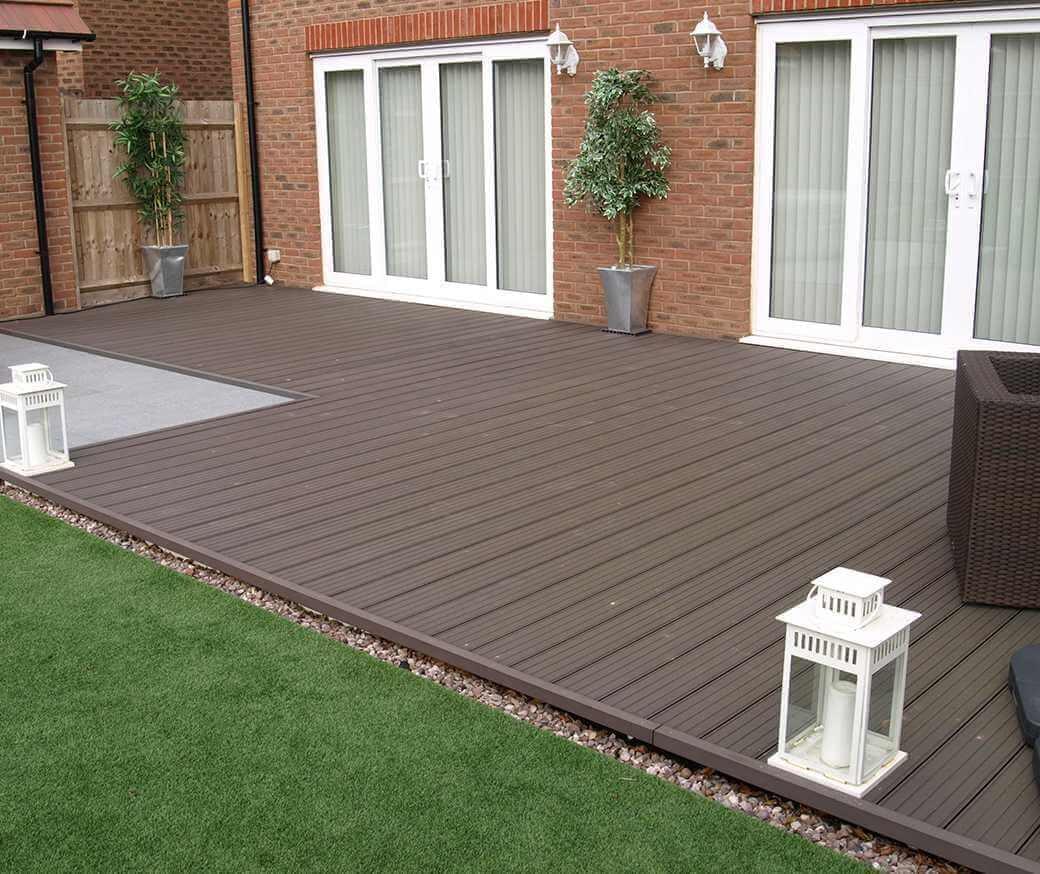
In wrapping up our exploration of composite decking width, it’s clear that this choice can significantly impact both aesthetics and functionality. Wider composite decking not only enhances the visual appeal of outdoor spaces but also offers superior durability and stability. Homeowners and builders alike should consider these benefits when selecting their decking material.
Benefits of Choosing Wider Composite Decking
Choosing wider composite decking can provide a seamless look that traditional deck wood often struggles to match. The broader planks reduce the number of seams, creating a more unified appearance that enhances outdoor spaces. Additionally, wider boards tend to be stronger and more resistant to warping, making them an excellent investment for low maintenance decks.
The structural integrity offered by wider composite lumber decking means fewer materials are needed overall, which can lead to cost savings in installation. This is particularly important for those looking for long-term solutions in terms of both performance and aesthetic appeal. Furthermore, with advancements in PVC decking technology, homeowners can enjoy the beauty of wood without the hassle of regular maintenance.
Key Insights for Homeowners and Builders
For homeowners considering their options, it’s essential to weigh the advantages of various composite decking widths carefully. The right width can elevate your outdoor living area while also aligning with your design vision. Builders should keep in mind that wider planks may streamline installation processes as well, reducing labor costs associated with fitting multiple narrower boards.
When selecting a deck material, it's not just about looks; functionality plays a crucial role too. Factors like climate conditions and intended use should influence decisions on composite lumber decking choices as well as dimensions. Ultimately, understanding how different widths affect both performance and style will empower homeowners to make informed decisions.
Exploring Options with Composite Decking Inc
Composite Decking Inc offers a range of options tailored to meet diverse needs when it comes to composite decking width and material choice. Their innovative products showcase the latest trends in PVC decking materials while ensuring durability and low maintenance requirements are met effectively. Whether you’re after sleek aesthetics or robust performance features, exploring their offerings could lead you to your perfect deck solution.
As consumer preferences continue evolving towards eco-friendly materials with low upkeep demands, Composite Decking Inc stands at the forefront of these trends with environmentally conscious options available in various widths. Engaging with their knowledgeable team can provide valuable insights into which products best suit your specific project requirements while maximizing both style and longevity.