
Introduction
Homeowners and builders alike often find themselves asking, Which is better, PVC or WPC? as they weigh their options for outdoor spaces. Understanding the nuances of these two materials can help you make an informed choice that aligns with your needs and preferences.
Understanding PVC and WPC Decking
PVC (Polyvinyl Chloride) decking is a synthetic material made entirely from plastic, while WPC (Wood-Plastic Composite) combines wood fibers with plastic materials to create a more natural look. Both options offer unique benefits that appeal to different tastes and requirements in outdoor living spaces. As you delve deeper into the world of decking, it's essential to grasp these foundational differences to navigate the wpc vs pvc conversation effectively.
Key Factors in Decking Choices
Choosing between PVC and WPC involves considering various factors such as cost, maintenance, durability, and aesthetic appeal. One crucial aspect is understanding which material fits best within your budget—many often wonder which is cheaper, WPC or uPVC? Additionally, factors like climate suitability and intended use will influence whether you lean towards one option over the other.
Overview of PVC and WPC Benefits
Both PVC and WPC come with their own set of advantages that can enhance your outdoor experience. For instance, while PVC decking typically boasts superior weather resistance, many homeowners appreciate the more natural appearance of WPC options. As you explore choices for your deck—especially if you're pondering whether is PVC or WPC better for kitchens—you'll discover how each material can complement your lifestyle while addressing potential drawbacks like What are the disadvantages of WPC?
What is PVC Decking?
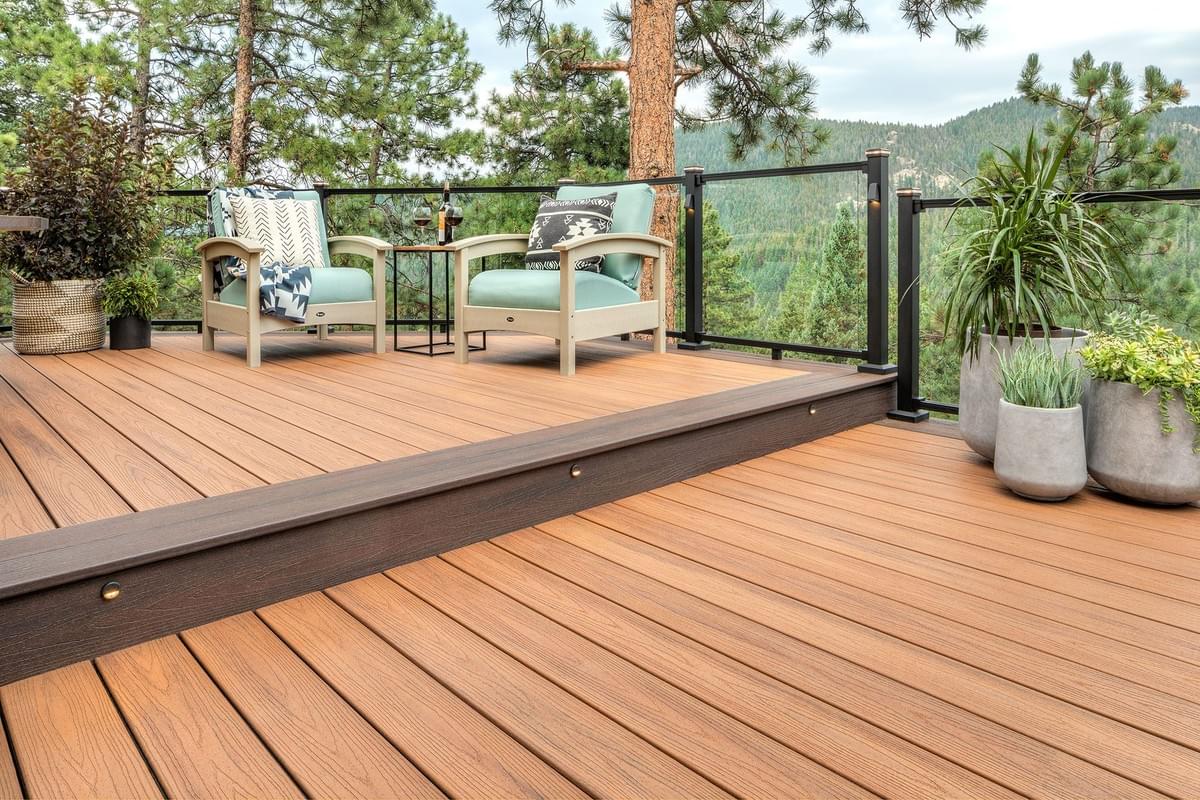
PVC decking, or polyvinyl chloride decking, is a type of synthetic material that has gained popularity for outdoor applications. Unlike traditional wood decking, PVC is entirely man-made and designed to withstand the elements while providing a visually appealing finish. This makes it an attractive option for homeowners looking to enhance their outdoor spaces without the constant upkeep associated with wood.
Composition and Materials
PVC decking is composed primarily of polyvinyl chloride, a durable plastic that offers excellent resistance to moisture, insects, and decay. This material is often reinforced with additives to improve its strength and flexibility, making it suitable for various climates and conditions. The result is a lightweight yet robust decking solution that can handle heavy foot traffic without warping or splintering.
Popular Brands and Uses
Several brands have emerged as leaders in the PVC decking market, including Trex, TimberTech, and Azek. These companies offer a range of styles and colors to suit different tastes while ensuring high-quality materials are used in their products. PVC decking is commonly used in residential settings for patios, pool decks, and balconies due to its low maintenance requirements and long-lasting performance.
Benefits of PVC Decking
One of the standout advantages of PVC decking is its unparalleled durability; it resists fading from UV rays and won’t warp or splinter like wood can over time. Additionally, it's incredibly easy to clean—just soap and water will do! Homeowners often find that when comparing wpc vs pvc options in terms of longevity and maintenance ease, PVC emerges as a strong contender.
When pondering which is better—PVC or WPC?—it's essential to consider your specific needs; if you're looking for something that requires minimal upkeep while offering great aesthetics, PVC might be your best bet! However, if you're curious about what are the disadvantages of WPC? It's worth noting that some may find WPC less durable than pure plastics like PVC under extreme weather conditions.
In terms of cost-effectiveness: which is cheaper—WPC or uPVC? While prices can vary based on brand and quality (and installation costs), many homeowners lean towards PVC when considering long-term value due to its lifespan compared with traditional wood alternatives.
For those wondering if Is PVC or WPC better for kitchens?—the answer generally leans toward PVC since it’s non-porous nature helps resist moisture damage from spills more effectively than WPC options might allow!
What is WPC Decking?
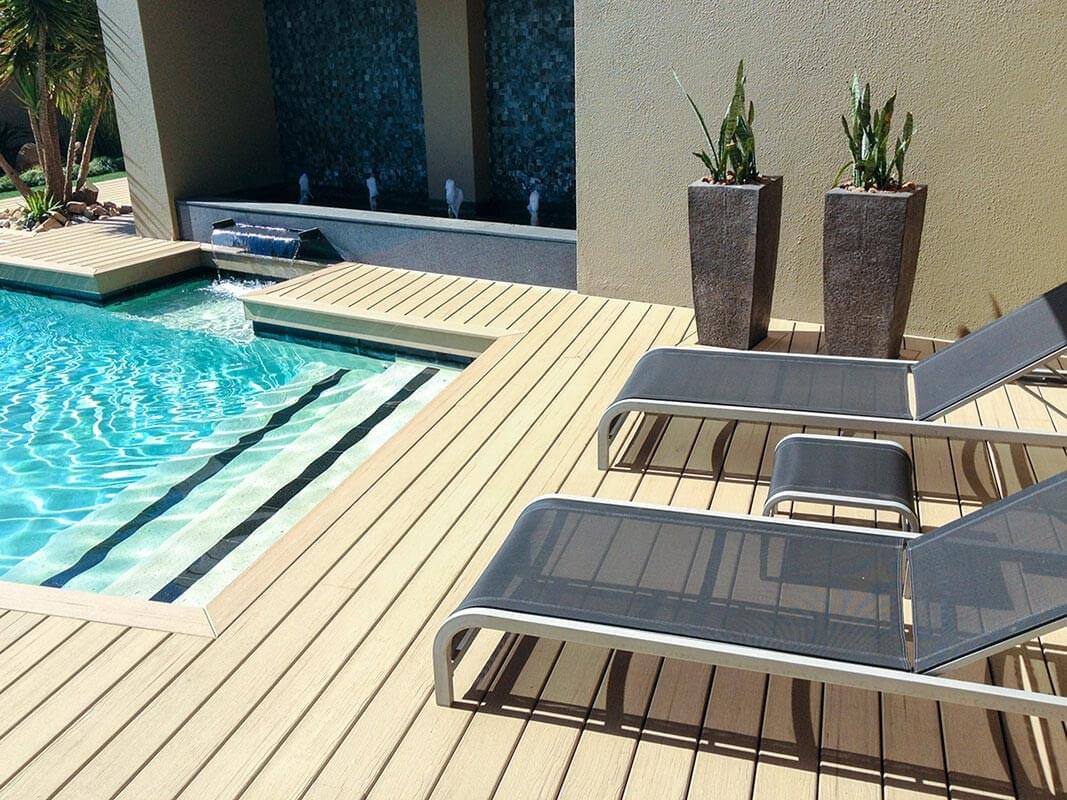
Wood Plastic Composite (WPC) decking is a modern alternative to traditional wood and plastic materials, combining the best of both worlds. Its unique blend offers durability while maintaining an appealing aesthetic, making it a popular choice for outdoor spaces. But how does WPC stack up against PVC in the battle of WPC vs PVC? Let's dive deeper.
Composition and Materials
WPC decking is made from a mixture of wood fibers and thermoplastics, often polyethylene or polypropylene, which are fused together under heat and pressure. This composition allows for a material that mimics the look of natural wood while providing enhanced resistance to moisture and insects. The resulting product is not only eco-friendly but also versatile enough to be used in various applications, including residential decks, patios, and even commercial settings.
Leading WPC Manufacturers
Several manufacturers have established themselves as leaders in the WPC market, producing high-quality products that cater to various needs and preferences. Brands like Trex, TimberTech, and MoistureShield have gained popularity due to their innovative designs and reliable performance. When comparing brands for your decking project, consider their warranties, customer reviews, and product offerings to determine which is better for your specific requirements—especially when weighing options like Which is cheaper, WPC or uPVC?
Advantages of WPC Decking
One of the standout advantages of WPC decking is its low maintenance requirement compared to traditional wood options; no need for regular staining or sealing! Additionally, it boasts excellent weather resistance—making it suitable for any climate without warping or splintering over time. However, it's essential to consider some drawbacks as well; common questions include What are the disadvantages of WPC? Overall though, many homeowners find that the benefits far outweigh any potential downsides.
WPC vs PVC: Cost Comparison
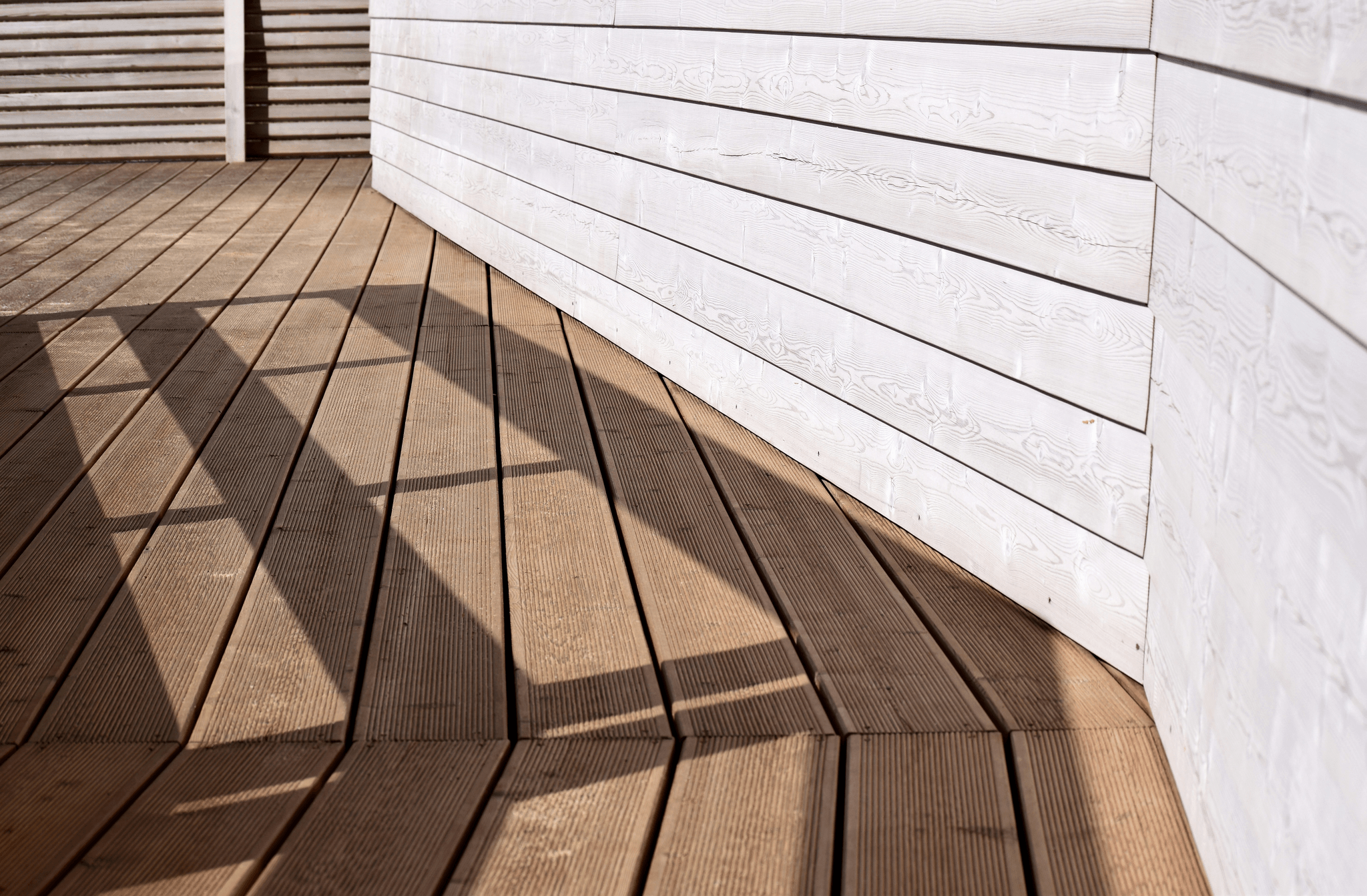
When it comes to decking materials, one of the most pressing questions homeowners face is the cost comparison between WPC and PVC. Understanding which is cheaper can significantly influence your decision, especially if you're working within a specific budget. Let's dive into the numbers and see how WPC vs PVC stack up against each other.
Which is Cheaper, WPC or uPVC?
Generally speaking, when comparing costs between WPC and uPVC (a type of PVC), WPC tends to be the more affordable option upfront. However, prices can vary based on brand, quality, and local market conditions. While you may find that WPC offers a lower initial investment compared to uPVC, it's essential to consider long-term value rather than just sticker price; after all, which is better ultimately depends on what you prioritize in your decking choice.
Installation Costs and Long-term Value
Installation costs can also play a significant role in determining whether you choose PVC or WPC for your decking project. Typically, both materials are relatively easy to install compared to traditional wood; however, some contractors may charge more for installing PVC due to its unique properties and installation requirements. In terms of long-term value, while you might save money initially with WPC, it’s crucial to factor in durability; if you need frequent repairs or replacements due to wear and tear—what are the disadvantages of WPC?
Maintenance Expenses
Maintenance expenses are another critical aspect when comparing these two materials in the wpc vs pvc debate. Generally speaking, both options require minimal upkeep compared to traditional wood decking; however, they have their quirks. For instance, while PVC typically resists stains better than its counterpart—WPC may require occasional sealing or cleaning depending on its composite makeup—so it’s worth asking yourself: Is PVC or WPC better for kitchens? Ultimately, evaluating maintenance costs will give you a clearer picture of which material suits your lifestyle best.
Performance and Durability Factors

When it comes to decking materials, performance and durability are crucial aspects that can make or break your outdoor space. In the ongoing debate of WPC vs PVC, understanding these factors will help you decide which is better for your specific needs. Let's dive into the details.
Weather Resistance and Longevity
Both PVC and WPC decking offer impressive weather resistance, but they each have their unique strengths. PVC decking is completely synthetic, making it highly resistant to moisture, mold, and mildew; this means it can withstand harsh weather conditions without warping or rotting. On the other hand, while WPC (Wood Plastic Composite) does have some natural wood fibers in its makeup, it generally holds up well against rain and UV exposure—though not quite as effectively as PVC.
Longevity is another critical factor in the WPC vs PVC discussion. PVC decks can last 25 years or more with minimal maintenance due to their robust construction. WPC decking typically has a lifespan of around 15 to 20 years, depending on how well it's cared for—so if you're looking for long-term durability, you might lean toward PVC.
What are the Disadvantages of WPC?
While WPC decking offers several advantages like a more natural look and feel compared to its all-plastic counterpart, it does come with some notable downsides. One of the primary concerns is that WPC can be more susceptible to fading over time when exposed to sunlight; this could lead you back into the market sooner than expected if aesthetics matter significantly to you. Additionally, certain types of WPC may require more maintenance than PVC options since they may need periodic sealing or staining.
Another disadvantage worth mentioning is that some lower-quality WPC products might not be as durable against heavy impacts compared to solid PVC boards—this could be an essential consideration if you're planning on hosting rowdy gatherings in your outdoor space! So when asking What are the disadvantages of WPC?, keep in mind both aesthetic longevity and potential maintenance needs.
Comparison of Strength and Flexibility
In terms of strength and flexibility between these two materials, there are some clear distinctions worth noting in this WPC vs PVC showdown. Generally speaking, PVC tends to be stiffer than WPC due to its solid composition; this means it's less likely to bend under pressure but might be prone to cracking under extreme conditions if not properly installed or supported.
WPC offers a bit more flexibility thanks to its composite nature; while this allows for slight bending without breaking—a feature that may come in handy during installation—it also means that certain types may not hold up quite as well under heavy loads over time compared with rigid PVC options.
Ultimately, deciding whether Which is better: PVC or WPC? involves weighing these performance characteristics against your specific needs—be sure you consider how much stress your deck will endure before making a choice!
Aesthetic Appeal and Customization
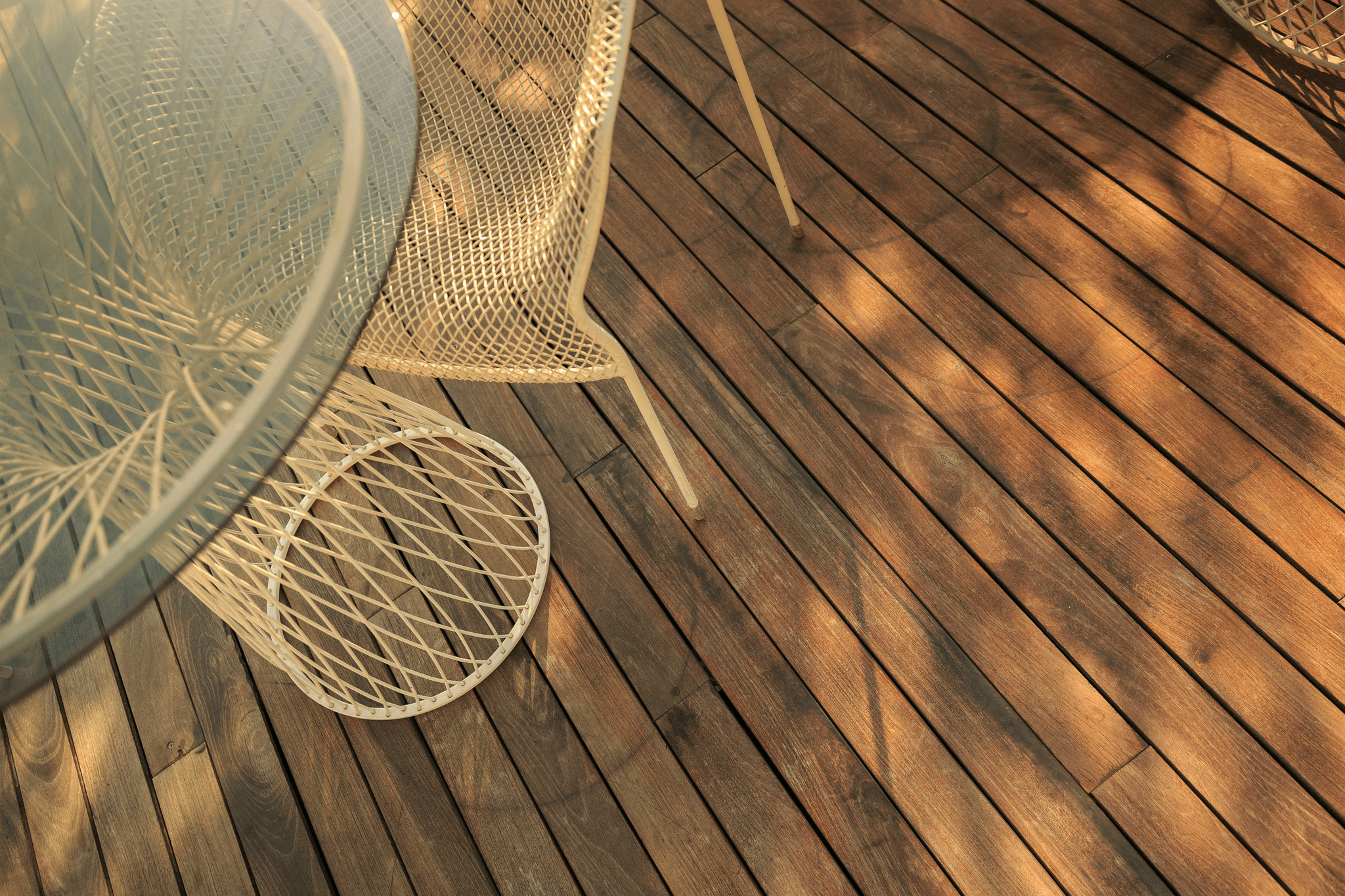
When it comes to decking, aesthetics play a crucial role in the decision-making process. Homeowners want materials that not only perform well but also look great and complement their outdoor spaces. In this section, we’ll explore the design options available for PVC and WPC, evaluate their suitability for kitchens, and highlight popular trends in decking styles.
Design Options for PVC and WPC
Both PVC and WPC offer a plethora of design options that can suit any homeowner's vision. With PVC decking, you can find an array of colors and finishes that mimic natural wood grain or provide a sleek modern look. On the other hand, WPC boasts a more organic appearance due to its wood fiber content, allowing for textures that resemble real wood while still delivering durability.
When comparing wpc vs pvc in terms of customization, it’s clear both have their perks. While PVC might edge out with its vibrant hues and low-maintenance nature, WPC’s versatility allows for unique patterns and designs that can elevate your outdoor space. Ultimately, your choice will depend on personal taste—do you prefer the polished look of PVC or the rustic charm of WPC?
Is PVC or WPC Better for Kitchens?
The question Is PVC or WPC better for kitchens? arises often when considering indoor applications as well as outdoor ones. While both materials are generally designed for durability against moisture and stains, they each have unique attributes worth noting. For instance, PVC is completely waterproof, making it an excellent choice for areas prone to spills or humidity.
However, when evaluating which is better between wpc vs pvc specifically in kitchen settings, one must consider aesthetic harmony with cabinetry and flooring as well as maintenance needs over time. Although both materials are easy to clean, WPC's wood-like appearance may blend more seamlessly into traditional kitchen designs than the sleek finish of PVC. Therefore, if you're looking to create a warm ambiance alongside practicality in your kitchen space, you might lean toward WPC.
Popular Trends in Decking Styles
Decking styles are constantly evolving as homeowners seek fresh ways to enhance their outdoor living spaces—this includes stylish choices between wpc vs pvc options! Currently trending are multi-level decks that incorporate both materials; this hybrid approach allows homeowners to enjoy the benefits of each while creating visually stunning layers in their yards.
Additionally, bold colors are making waves; think deep blues or rich greens with either material providing striking contrasts against natural surroundings! Not only do these trends enhance visual appeal but they also reflect personal style—whether it’s contemporary chic with PVC or rustic elegance with WPC.
As you contemplate which is cheaper between wpc or uPVC while keeping aesthetics at the forefront of your decision-making process—it becomes evident that investing in either material offers long-term value beyond just cost considerations alone.
Conclusion
Each option has its strengths and weaknesses, making the decision largely dependent on your specific needs and preferences. Ultimately, whether you're leaning towards PVC or WPC, both can offer a stylish and functional outdoor space.
Final Thoughts on PVC and WPC Choices
In the battle of wpc vs pvc, each material shines in different areas. While PVC decking is renowned for its durability and low maintenance requirements, WPC offers a more natural wood-like appearance that many homeowners crave. However, it's essential to weigh these benefits against factors like cost and installation ease when determining which is better: PVC or WPC?
Making the Right Decision for Your Deck
Deciding between PVC and WPC involves considering various factors including budget, aesthetics, and intended use. For instance, if you're asking yourself Which is cheaper, WPC or uPVC?, you might find that while WPC can be more affordable upfront, long-term costs may favor PVC due to its longevity. Furthermore, if you're wondering Is PVC or WPC better for kitchens?, think about how each material stands up to moisture and wear over time.
How Composite Decking Inc Can Help
At Composite Decking Inc., we understand that making an informed choice about your decking material can be daunting—especially with questions like What are the disadvantages of WPC? weighing on your mind. Our team is here to provide you with comprehensive insights into both options so you can confidently decide what fits best in your home environment. With our expertise at hand, you'll have all the tools necessary to create a stunning outdoor space tailored just for you.