
Introduction
In a world increasingly focused on sustainability, green decking options have emerged as a popular choice for homeowners looking to enhance their outdoor spaces while minimizing their environmental impact. Eco-friendly decking materials not only provide aesthetic appeal but also promote responsible consumption and resource management. Among these options, composite decking stands out as a leading choice due to its durability, low maintenance, and sustainable manufacturing processes.
Understanding Green Decking Options
Green decking refers to materials that are sourced sustainably and designed with eco-consciousness in mind. This category includes various types of deck boards made from recycled or renewable resources, ensuring that they contribute positively to the environment rather than depleting it. With the rise of climate awareness, many consumers are now seeking out green decking solutions that align with their values and lifestyle.
Advantages of Eco-Friendly Decking
The advantages of eco-friendly decking extend beyond just environmental benefits; they also include longevity and performance. For instance, composite lumber decking is resistant to rot, warping, and insect damage, which means it can last for decades without the need for frequent replacements or extensive maintenance. Additionally, many green decking options require minimal upkeep compared to traditional wood alternatives, freeing up more time for relaxation and enjoyment.
Why Choose Composite Decking
Composite decking has gained popularity due to its unique blend of natural wood fibers and recycled plastic materials that create durable deck boards capable of withstanding the elements. This combination not only offers a beautiful finish reminiscent of traditional wood but also provides superior resistance against fading and staining. When considering good composite decking options, homeowners can enjoy peace of mind knowing they’ve chosen a product that is both stylish and environmentally responsible.
What is Green Decking?

Green decking refers to a range of eco-friendly outdoor flooring solutions designed to minimize environmental impact while providing durability and aesthetic appeal. This approach to decking emphasizes the use of sustainable materials, reducing waste, and promoting responsible sourcing practices. With increasing awareness of climate change and environmental degradation, green decking has become a vital consideration for homeowners looking to enhance their outdoor spaces sustainably.
Definition and Importance
At its core, green decking encompasses materials and practices that prioritize ecological balance and sustainability. This includes using renewable resources, recycled content, or materials that have minimal negative effects on the environment. The importance of green decking lies not only in its reduced carbon footprint but also in its ability to provide long-lasting solutions for outdoor living spaces without compromising on quality or style.
Types of Green Decking Materials
There are several types of green decking materials available today, each with unique benefits and characteristics. Composite decking is one popular option; made from recycled wood fibers and plastic, it offers the look of traditional wood without the environmental drawbacks. Other options include bamboo, reclaimed wood, and even innovative products like plastic lumber made from post-consumer waste—each contributing to a more sustainable future for deck boards.
The Rise of Sustainable Decking
The rise of sustainable decking can be attributed to growing consumer demand for eco-friendly products that align with modern values around conservation and sustainability. Homeowners are increasingly recognizing that their choices matter—not just for aesthetics but also for the planet's health. As a result, composite deck boards have surged in popularity due to their blend of durability, low maintenance needs, and commitment to using environmentally friendly materials.
Composite Decking: The Sustainable Choice
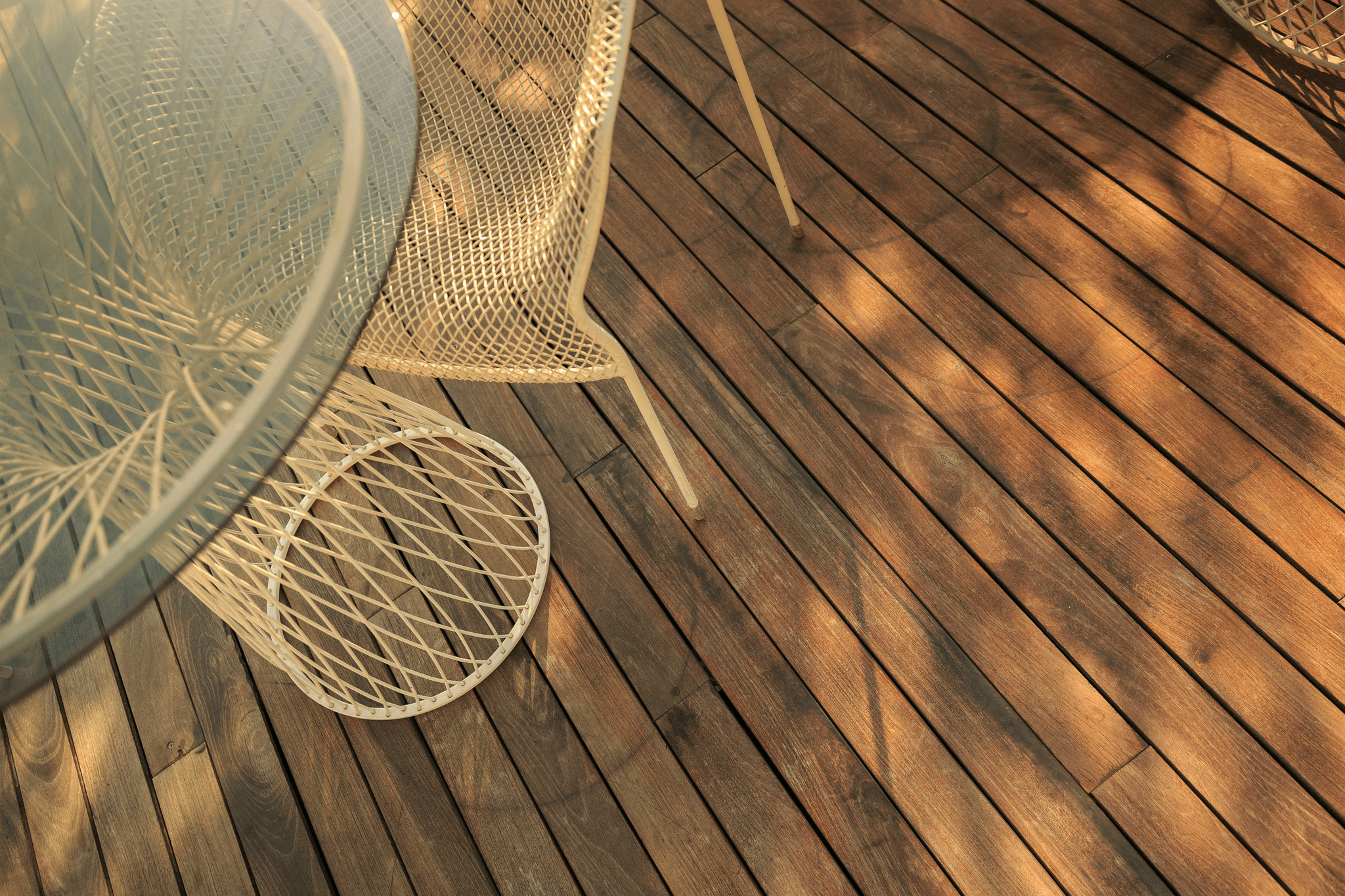
Composite decking has emerged as a frontrunner in the world of green decking, providing a blend of durability and eco-friendliness that traditional materials often lack. Made from a mixture of recycled wood fibers and plastic, composite deck boards offer an innovative solution for homeowners looking to minimize their environmental footprint. With advancements in technology, composite lumber decking has become increasingly popular for those seeking sustainable outdoor living options.
Overview of Composite Decking
At its core, composite decking combines the best features of wood and plastic to create boards deck that withstand the test of time and nature. Unlike traditional wood, which can warp or splinter, composite wood decking boards are engineered to resist fading, staining, and mold growth while maintaining their aesthetic appeal. This makes them an attractive choice not only for homeowners but also for builders who prioritize sustainability in their projects.
The rise in popularity of composite decking reflects a broader trend towards eco-friendly building materials. As consumers become more conscious of their environmental impact, they are turning to products like composite deck boards that utilize recycled materials and require less maintenance than traditional options. This shift underscores the importance of understanding what defines good composite decking in today’s market.
Benefits of Composite Lumber Decking
One major advantage of composite lumber decking is its low maintenance requirements compared to traditional wood decks. Homeowners can say goodbye to regular staining or sealing; instead, all it takes is a simple wash with soap and water to keep these boards looking fresh year-round. Additionally, because they don’t splinter or crack easily, families with children or pets can enjoy peace of mind when using their outdoor spaces.
Another benefit lies in the longevity and durability offered by composite deck boards—many manufacturers guarantee their products for 25 years or more! This means less frequent replacements and less waste heading to landfills over time. Furthermore, many brands use sustainable practices during production processes which further enhances the green credentials associated with choosing composite lumber.
Lastly, aesthetics play a crucial role in why so many opt for good composite decking solutions today. With various colors and finishes available that mimic natural wood grains without sacrificing performance or sustainability aspects—homeowners can achieve beautiful outdoor spaces without compromising on eco-friendly principles.
Popular Brands and Products
When it comes to choosing among leading brands specializing in green decking solutions like composite lumber decking products—several names stand out due to their commitment quality craftsmanship combined with sustainability initiatives! Trex is often heralded as an industry pioneer; known not only for its extensive range but also its dedication towards recycling efforts—using reclaimed wood fibers along with recycled plastics ensures minimal environmental impact while providing durable options suitable for any climate condition.
Another noteworthy brand is TimberTech which boasts impressive warranties alongside stylish designs suited both modern tastes as well as classic preferences—all crafted from high-quality materials ensuring longevity over time! For those seeking budget-friendly choices without sacrificing quality—Evergreen offers great value propositions featuring eco-conscious manufacturing processes paired with attractive visuals perfect for enhancing outdoor aesthetics!
In summary; whether you’re drawn by durability benefits or simply want something visually appealing yet environmentally friendly—the landscape surrounding good composite decking continues evolving rapidly! With numerous reputable brands leading innovation within this space—it’s easier than ever before finding ideal solutions tailored specifically around your unique needs while still prioritizing our planet's health!
Innovations in Composite Deck Boards
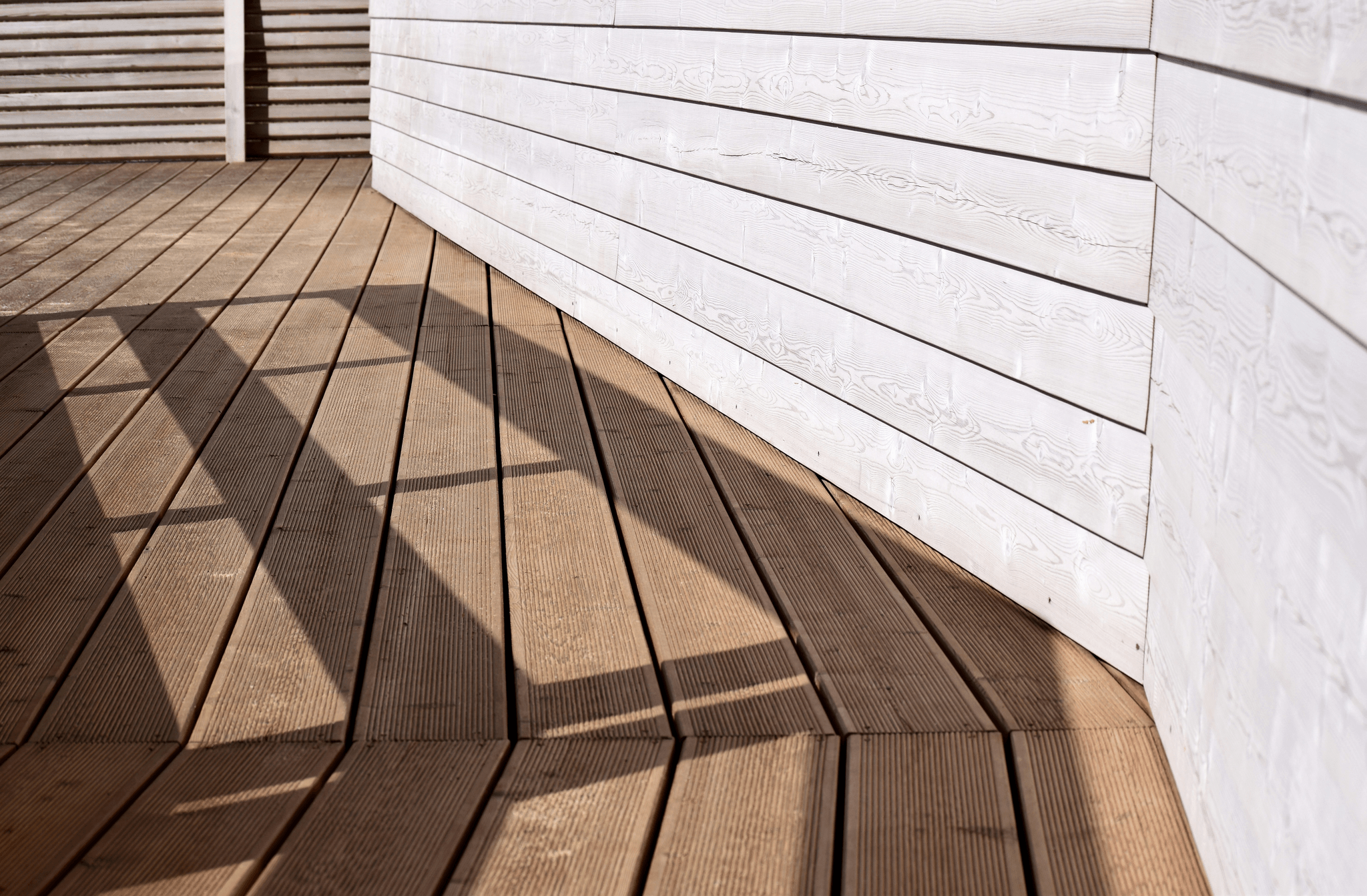
The world of composite decking has seen remarkable innovations that elevate its appeal and functionality. Modern composite deck boards are engineered with cutting-edge technology, making them not only durable but also environmentally friendly. These advancements ensure that green decking options offer high performance without compromising on aesthetics or sustainability.
Technology Behind Modern Deck Boards
Today’s composite lumber decking is crafted using advanced technologies that enhance strength and longevity. Manufacturers utilize a combination of recycled materials, such as wood fibers and plastic, which are then treated to resist moisture, mold, and insects. This innovative approach results in composite deck boards that require minimal maintenance while providing the look and feel of traditional wood without the drawbacks.
Additionally, modern manufacturing processes allow for the creation of boards deck that can mimic the natural grains and colors of real wood. This means homeowners can enjoy the beauty of wood without worrying about warping or fading over time. With these innovations, good composite decking options are becoming increasingly popular among eco-conscious consumers looking for sustainable outdoor living solutions.
Eco-Friendly Manufacturing Processes
The production of composite wood decking boards is designed to minimize environmental impact at every stage. Many manufacturers now prioritize eco-friendly practices by sourcing recycled materials and utilizing energy-efficient machinery during production. This commitment not only reduces waste but also lowers carbon emissions associated with traditional lumber harvesting.
Moreover, some companies implement closed-loop systems where excess material from production is reused rather than discarded. As a result, these eco-friendly manufacturing processes contribute to the overall sustainability of green decking options available on the market today. By choosing composite deck boards made through responsible methods, consumers can feel good about their choices while enjoying beautiful outdoor spaces.
The Aesthetics of Composite Wood Decking Boards
One significant advantage of modern composite decking is its ability to blend seamlessly into any outdoor setting while providing stunning visuals. Composite wood decking boards come in a variety of colors and textures designed to replicate natural hardwoods beautifully—without any splinters or heavy maintenance requirements typically associated with real wood decks. Homeowners can choose from rich browns to sleek grays, ensuring their decks complement their home’s style perfectly.
Furthermore, many brands now offer embossed finishes on their composite deck boards that enhance realism even further by mimicking the grain patterns found in genuine timber products. This attention to detail allows for an elegant outdoor space that doesn’t compromise on durability or sustainability—a win-win for those embracing green decking solutions! Ultimately, these aesthetic innovations make good composite decking not just functional but also a design-forward choice for modern homes.
Comparing Green Decking Options

When it comes to choosing the best materials for your outdoor space, comparing green decking options is crucial. The market offers a variety of choices, but composite decking stands out against traditional wood in multiple ways. Understanding these differences can help you make an informed decision that aligns with both your aesthetic desires and eco-friendly values.
Composite Deck Boards vs. Traditional Wood
Composite deck boards have gained popularity for their durability and low maintenance compared to traditional wood options. While wood may offer a classic look, it often requires regular staining and sealing to maintain its appearance, which can be a hassle for homeowners seeking low upkeep solutions. On the other hand, composite lumber decking combines recycled materials with advanced technology to resist fading, warping, and splintering—making it an excellent choice for those who want longevity without the constant upkeep.
Additionally, composite wood decking boards come in various colors and textures that mimic natural wood grain while providing superior performance in all weather conditions. This versatility allows homeowners to achieve their desired aesthetic without sacrificing sustainability or quality. When weighing your options between these two materials, consider not just the initial investment but also the long-term benefits of choosing composite deck boards over traditional wood.
Cost-Effectiveness of Sustainable Choices
When evaluating cost-effectiveness in green decking options, it's essential to consider both upfront costs and long-term savings associated with maintenance and replacement. Although good composite decking may have a higher initial price tag than traditional lumber, its durability means fewer repairs or replacements down the line—resulting in significant savings over time. Moreover, many manufacturers offer warranties on their composite products that further enhance their value proposition.
Investing in composite lumber decking is also beneficial from an environmental standpoint; by opting for sustainable materials made from recycled content, you're contributing positively to our planet's health while enjoying your outdoor space guilt-free. Additionally, lower maintenance costs associated with composite deck boards mean more money stays in your pocket rather than going towards upkeep expenses like stains or sealants required by natural wood products.
Maintenance Requirements for Different Materials
Maintenance is where green decking truly shines when comparing different options available on the market today. Traditional wooden decks require regular attention—think sanding down rough spots and applying protective coatings—to keep them looking great year after year; this can be labor-intensive and time-consuming! In contrast, composite deck boards are designed to withstand exposure without needing extensive care; a simple soap-and-water wash will typically suffice.
Furthermore, unlike wooden decks that can suffer from mold growth or insect damage over time due to moisture absorption or rot issues inherent in organic materials, good composite decking resists such problems thanks to its synthetic composition. Homeowners can enjoy more leisure time on their beautiful decks instead of spending weekends maintaining them! Ultimately, if you're looking for a hassle-free outdoor living experience combined with sustainability benefits—composite lumber decking is hard to beat.
How to Select the Right Deck Boards
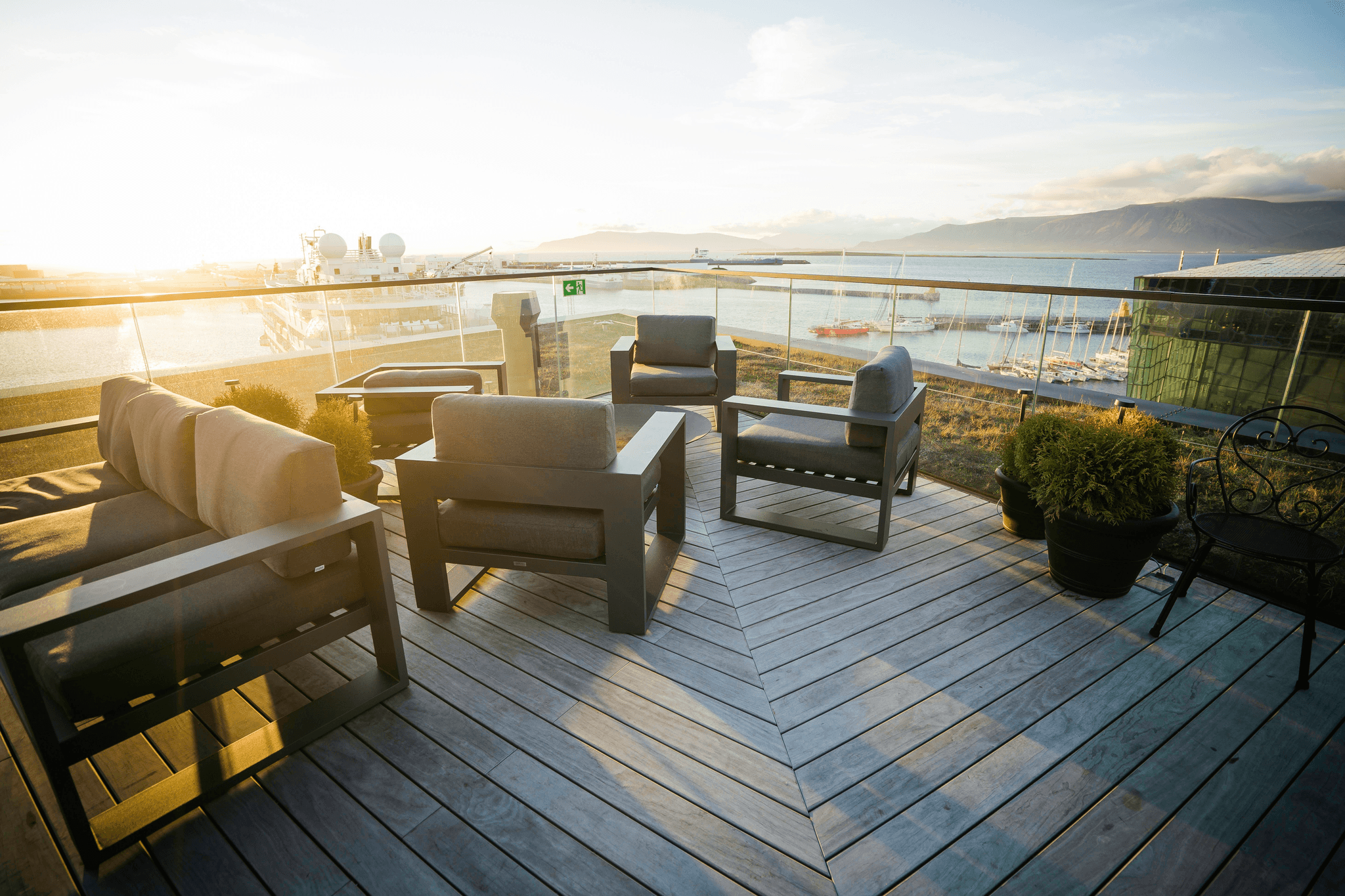
Choosing the right deck boards can feel like navigating a maze, especially with so many options available in the world of green decking. It’s essential to balance aesthetics, durability, and environmental impact when selecting composite decking materials. By understanding what factors are crucial in this decision-making process, you can confidently create an outdoor space that is both beautiful and sustainable.
Factors to Consider When Choosing
When selecting deck boards, consider the climate of your area; some composite lumber decking performs better in extreme weather conditions than others. Durability is another key factor; look for composite deck boards that are resistant to fading, scratching, and mold growth to ensure longevity. Lastly, think about aesthetics—choose colors and textures that complement your home while aligning with eco-friendly practices for a cohesive look.
Another critical aspect is maintenance; some good composite decking options require less upkeep than traditional wood decks. If you're looking for a low-maintenance solution that still looks great over time, prioritize products designed for easy cleaning and resistance to wear. Finally, always check for warranties offered by manufacturers as they reflect confidence in their products’ quality.
Top Recommendations for Good Composite Decking
For those seeking reliable options in composite wood decking boards, several brands stand out in terms of quality and sustainability. Trex is often hailed as a leader in green decking solutions due to its innovative use of recycled materials while providing a wide range of styles and colors. Another excellent choice is TimberTech; their composite deck boards are known for exceptional durability and aesthetic appeal.
If you're on a budget but still want good composite decking without compromising on quality, consider brands like Fiberon or Deckorators—they offer attractive designs at competitive prices while maintaining eco-friendly practices. Each brand provides various options tailored to different preferences, making it easier than ever to find the perfect fit for your outdoor space.
Expert Tips from Composite Decking Inc
According to experts from Composite Decking Inc., one of the best strategies when selecting deck boards is to visualize how they will look with your existing landscape and home design before making a purchase decision. They recommend obtaining samples of different materials so you can see how they perform under natural light conditions—this helps ensure you choose shades that won't clash with your surroundings or fade over time.
Additionally, consider consulting with professionals who specialize in outdoor living spaces; their insights can guide you toward durable choices among various composite lumber decking brands available today. Finally, don't overlook customer reviews—they provide real-world experiences that can help you gauge which good composite decking products truly deliver on their promises.
Conclusion
As we wrap up our exploration of green decking options, it's clear that the future of outdoor living is leaning heavily toward sustainable choices. With the rise of composite decking, homeowners can enjoy beautiful, functional spaces without sacrificing environmental integrity. The shift from traditional wood to eco-friendly materials like composite lumber decking signifies a collective commitment to preserving our planet while enhancing our outdoor experiences.
The Future of Outdoor Living
The future of outdoor living is undoubtedly intertwined with innovations in green decking solutions. Composite deck boards are leading the charge, offering durability and aesthetic appeal without the environmental drawbacks associated with traditional timber. As more people recognize the benefits of good composite decking, we can expect to see an increase in demand for these sustainable options that blend functionality with eco-consciousness.
Embracing Eco-Friendly Practices
Embracing eco-friendly practices starts with informed choices about materials used in our homes and gardens. By opting for composite wood decking boards over conventional lumber, consumers contribute to a reduction in deforestation and promote recycling initiatives within the industry. It's not just about having a beautiful deck; it's about making responsible decisions that benefit both personal spaces and the wider environment.
Your Path to Sustainable Decking Solutions
Finding your path to sustainable decking solutions begins with understanding your options and needs regarding deck boards. Whether you’re looking for low-maintenance features or long-lasting beauty, good composite decking provides an array of choices tailored for every lifestyle. With expert tips from trusted sources like Composite Decking Inc., you can confidently choose materials that align with your values while enhancing your outdoor living space.