
Introduction
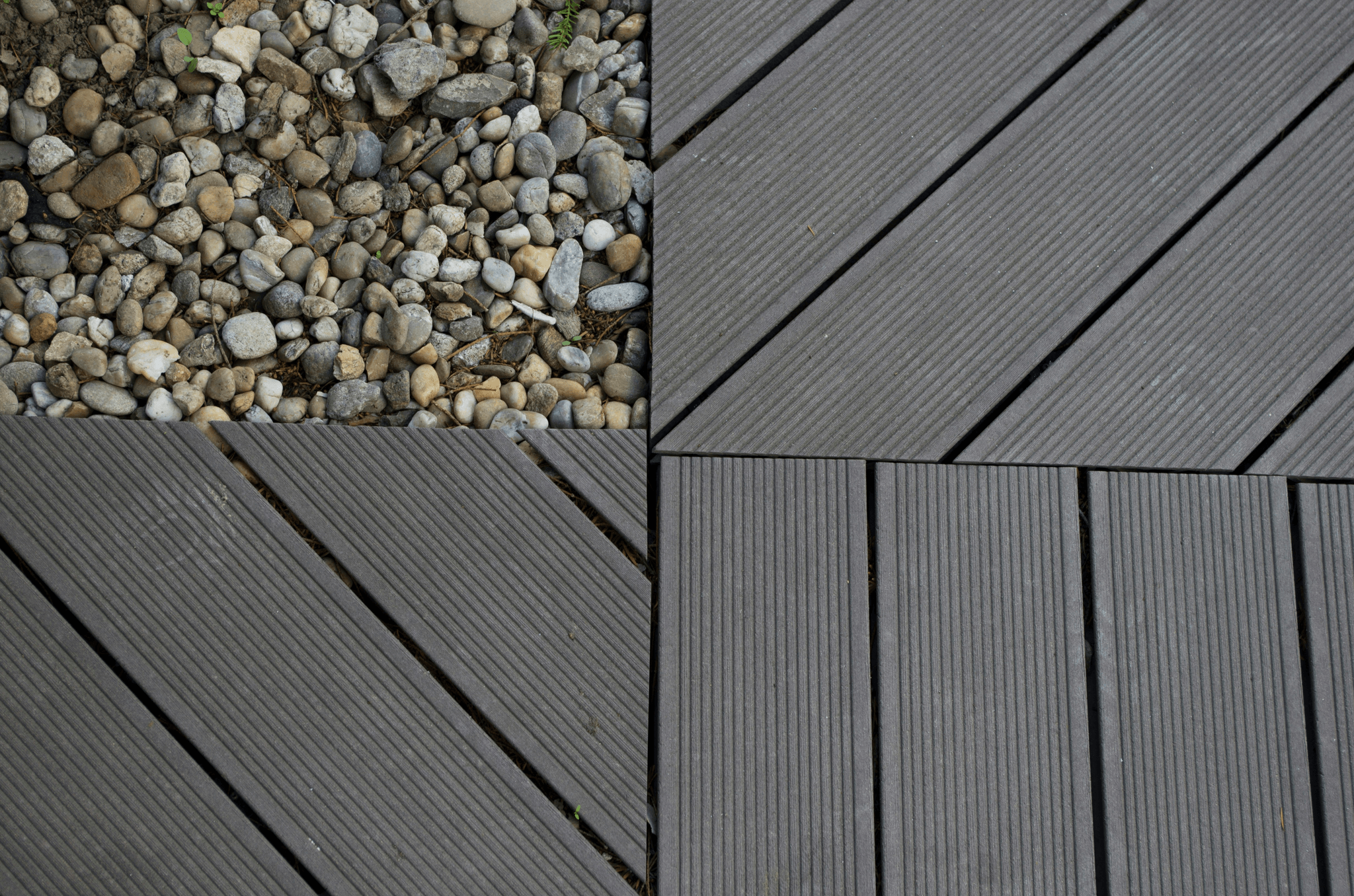
Your deck not only enhances your home’s aesthetic appeal but also serves as a functional area for relaxation and entertainment. With various options available, it's essential to weigh factors like durability, maintenance, and cost before making a decision.
Choosing the Right Deck Material
Selecting the right deck material involves considering both style and functionality. Whether you lean towards classic wood decking or opt for innovative composite decking, each choice has its unique advantages and drawbacks. It's crucial to match your lifestyle with the characteristics of different materials to ensure long-lasting satisfaction.
Importance of Budget in Decking
Budget plays a significant role in determining what type of deck you can build. While some materials may seem appealing at first glance, hidden costs related to maintenance or installation can quickly add up. Understanding your budget will help narrow down options like low maintenance decks or more traditional wood decking without compromising on quality.
Overview of Top Deck Material Options
As you embark on this decking journey, you'll encounter several popular materials including wood decking, composite lumber decking, PVC options, and even aluminum varieties. Each material offers distinct benefits ranging from aesthetic charm to modern durability that caters to various preferences and budgets. By exploring these top deck material options, you’ll be better equipped to choose what best suits your needs.
Wood Decking: Classic Charm

Wood decking has long been a favorite among homeowners seeking a warm, inviting outdoor space. Its natural beauty and versatility make it an appealing choice for many. However, while wood offers classic charm, it also comes with its own set of challenges.
Pros and Cons of Wood Decking
When considering wood decking, the pros are hard to ignore. The aesthetic appeal of natural wood is unmatched; it provides a timeless look that can enhance any home’s exterior. Additionally, wood deck boards are often more affordable upfront than their composite counterparts, making them an attractive option for those on a budget.
On the flip side, wood decking has its cons as well. It requires regular maintenance to prevent issues like warping and rot, which can be time-consuming and costly in the long run. Furthermore, while some types of wood are more durable than others, they often don’t match the longevity of low maintenance deck options like composite decking or PVC materials.
Maintenance Requirements for Wood
Maintaining wood decking is crucial to preserving its beauty and functionality over time. Regular cleaning is essential to remove dirt and debris that can accumulate on the surface; this usually involves sweeping or hosing down the deck boards periodically. Additionally, applying sealant or stain every few years helps protect against moisture damage and UV rays.
Neglecting maintenance can lead to significant problems down the line—think splintered boards or even structural damage from rot! This commitment to upkeep makes many homeowners consider alternatives like composite lumber decking for a more hassle-free experience. Ultimately, if you opt for traditional wood decking, be prepared to invest time in keeping it looking its best.
Best Types of Wood Deck Boards
When selecting the best deck material for your project, not all woods are created equal! Pressure-treated pine is one of the most popular choices due to its affordability and resistance to insects; however, it typically requires more frequent maintenance compared to other options. For those willing to spend a bit more upfront, hardwoods like teak or ipe offer exceptional durability and stunning aesthetics but come with a higher price tag.
Cedar is another excellent option known for its natural resistance to decay and insects while providing beautiful color variations that age gracefully over time. If you're after something truly unique that stands out from standard offerings—consider exotic woods that not only look fantastic but also boast impressive longevity when treated properly! Ultimately, your choice will depend on your budget and desired level of maintenance versus beauty.
Composite Decking: The Low Maintenance Hero
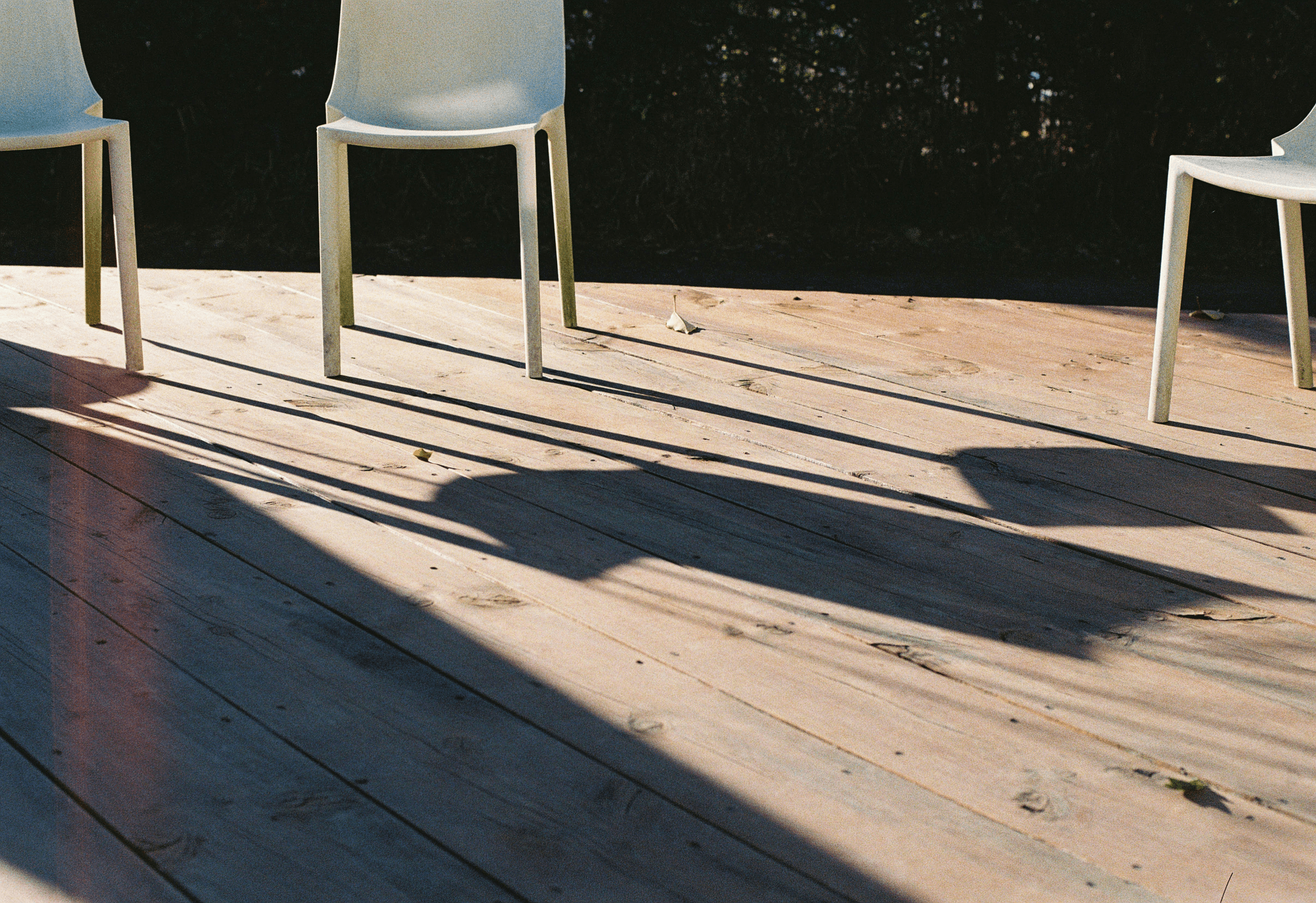
This innovative option combines the beauty of wood with the resilience of synthetic materials, making it a popular choice for homeowners seeking durability without the hassle. With composite lumber decking, you can enjoy your outdoor space without worrying about frequent repairs or maintenance.
Benefits of Composite Lumber Decking
One of the most appealing aspects of composite lumber decking is its low maintenance nature. Unlike traditional wood decking that requires regular staining and sealing, composite deck boards are designed to withstand the elements with minimal upkeep. Additionally, they resist fading, splintering, and mold growth, allowing you to spend more time enjoying your deck rather than working on it.
Another significant benefit is the variety of styles and colors available in composite decking options. Whether you're looking for a classic wood look or something more modern and vibrant, there's a composite solution that fits your vision perfectly. Plus, many brands incorporate recycled materials into their products, making them an eco-friendly choice for environmentally conscious homeowners.
Finally, one cannot overlook the long-term cost savings associated with composite decking. While the initial investment may be higher than wood decking options, the reduced maintenance costs and extended lifespan often make it more economical in the long run. With fewer repairs and replacements needed over time, you’ll find that this low maintenance deck pays for itself!
Comparing Costs of Composite Decking
When considering your budget for a new deck project, comparing costs between materials is essential to finding the best deck material for your needs. Composite deck boards typically range from $3 to $12 per square foot depending on quality and brand—this is higher than most wood decking options but offers significant value in terms of longevity and upkeep costs.
It's important to factor in not just material prices but also installation costs when comparing different types of decks. While some homeowners may choose DIY installation to save money on labor costs with wood decking or other materials, installing composite lumber can sometimes require professional help due to its unique properties and installation techniques—this could impact your overall budget significantly.
Ultimately, while initial expenses might seem steep compared to traditional wood options at first glance; when you take into account longevity and minimal maintenance needs over time—composite decking emerges as an excellent investment that saves both money and effort down the line.
Recommended Brands like Composite Decking Inc
For those ready to dive into the world of composite lumber decking, several reputable brands stand out from the crowd offering quality products that cater to various tastes and budgets alike! One such brand is Composite Decking Inc., known for their commitment to producing durable yet stylish deck boards made from high-quality recycled materials—perfect if you're aiming for sustainability alongside aesthetics!
Other notable brands include Trex and TimberTech which have established themselves as leaders in this space by providing innovative designs coupled with robust warranties ensuring peace-of-mind purchases every time! These companies also offer extensive color choices enabling homeowners like yourself create custom looks tailored specifically towards personal preferences while maintaining all benefits associated with low maintenance decks!
In conclusion; whether opting for classic hues or bold statements through unique textures—choosing any one these recommended brands will ensure you receive top-notch quality combined with reliable performance making them ideal candidates when searching among best deck material options available today!
PVC Decking: Durability Meets Style
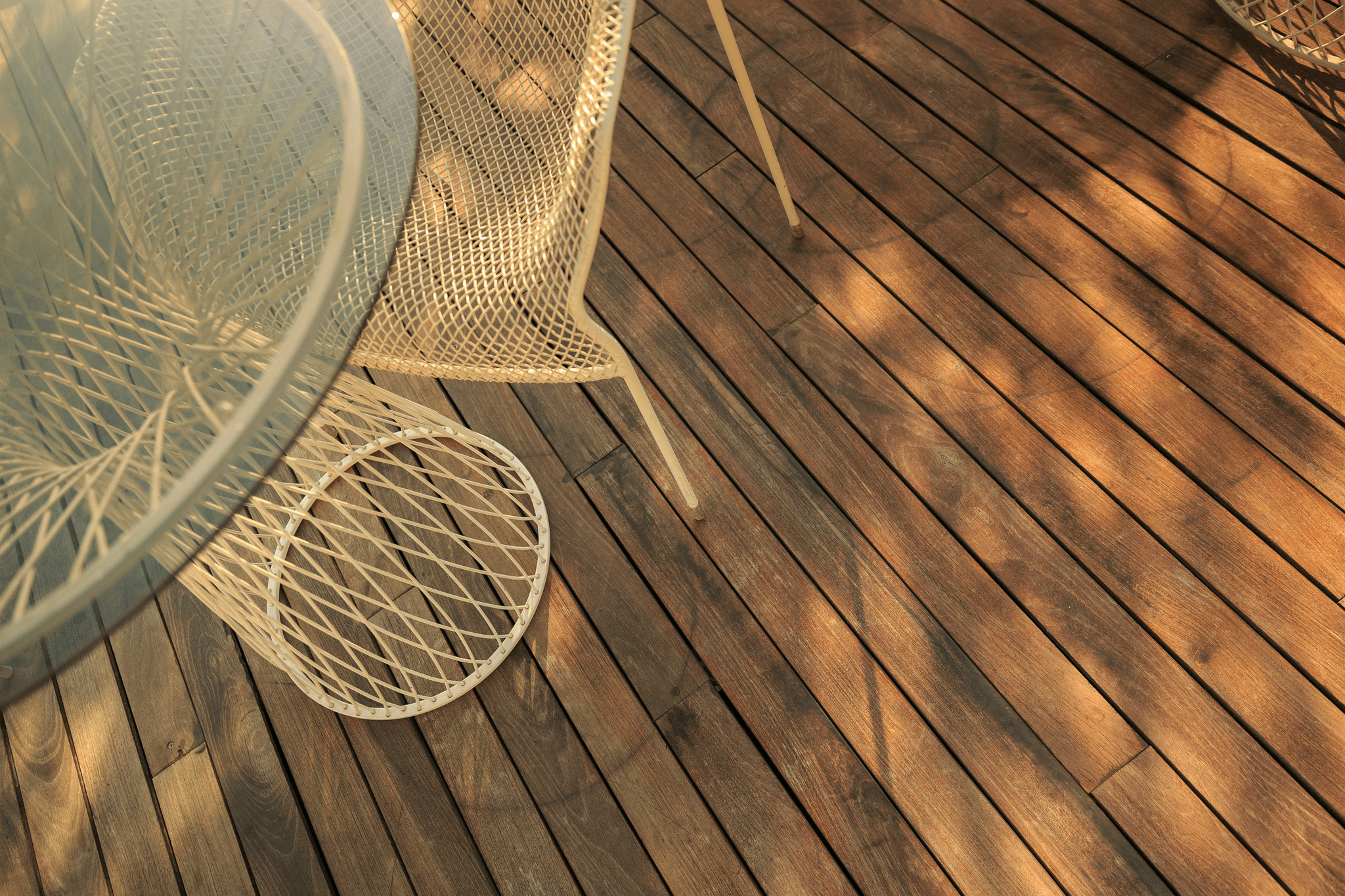
What Sets PVC Deck Boards Apart
What truly sets PVC deck boards apart is their construction—crafted entirely from polyvinyl chloride (PVC), these boards offer an impressive level of resilience against the elements. While wood decking may warp or splinter over time, PVC maintains its shape and color, ensuring your outdoor space looks pristine year after year. Additionally, many manufacturers now offer a variety of colors and textures in their product lines, giving you the flexibility to achieve your desired aesthetic without compromising on durability.
Long-term Cost Benefits
Investing in PVC decking can lead to significant long-term cost benefits when compared to other materials like wood or even composite lumber decking. Although the initial price might be higher than traditional options, the reduced need for maintenance and replacement means you'll save money over time. With no need for staining or sealing every few years—unlike wood decking—you can spend more time enjoying your deck rather than worrying about upkeep.
Popular PVC Decking Options
There are several popular brands that offer high-quality PVC decking options worth considering if you're in the market for the best deck material available today. Brands like TimberTech and Azek are renowned for their innovative designs and durable products that can withstand harsh weather conditions while providing a stylish finish to any outdoor area. Whether you’re looking for classic colors or modern aesthetics, these manufacturers provide a range of choices that cater to various tastes while ensuring you get a low maintenance deck that lasts.
Aluminum Decking: Modern and Strong
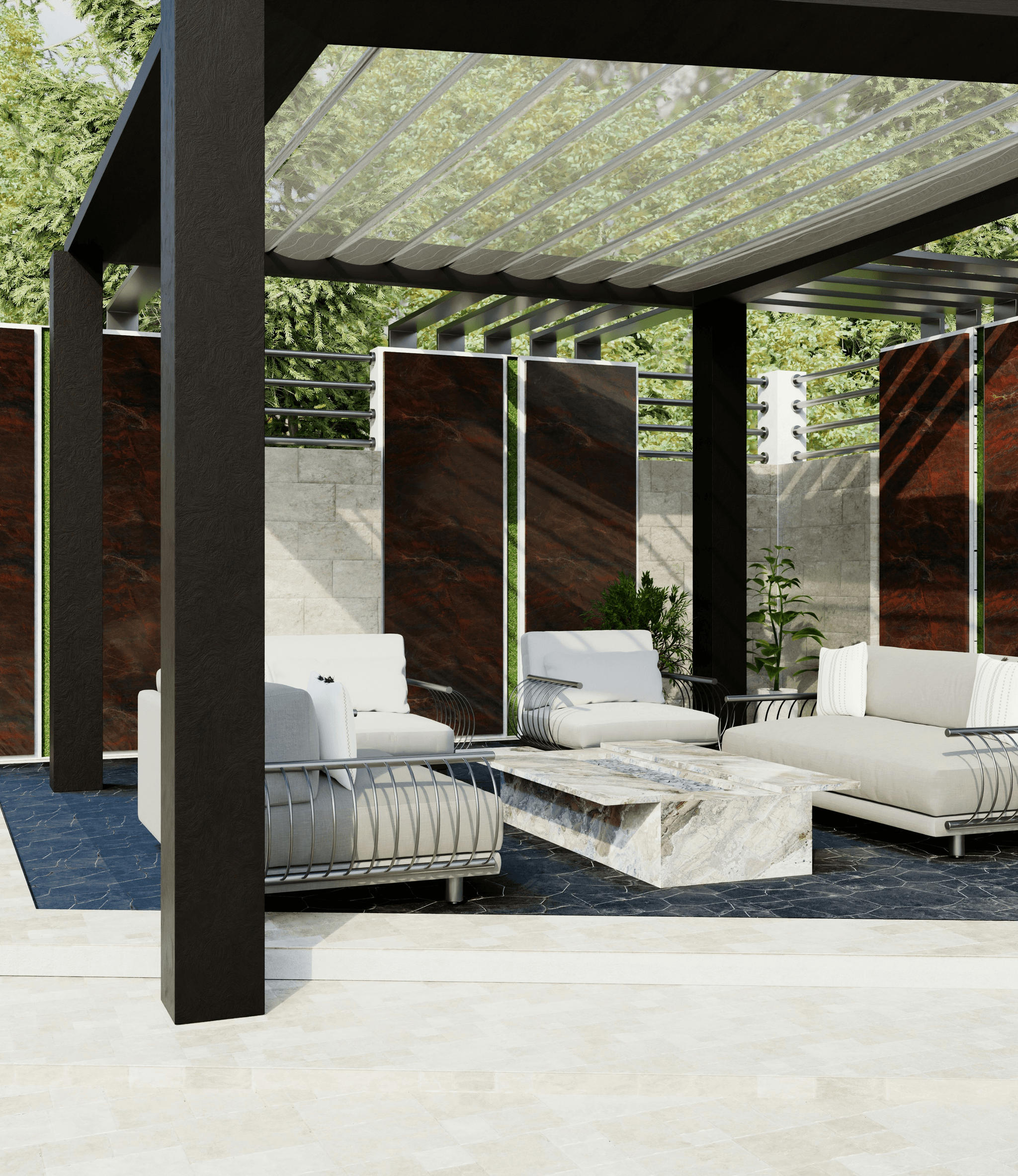
When it comes to finding the best deck material, aluminum decking stands out as a modern choice that combines strength with style. Unlike traditional wood decking, aluminum offers a sleek finish and a contemporary aesthetic that can elevate any outdoor space. With its unique properties, it’s no wonder that many homeowners are turning to this option for their decking needs.
Advantages of Aluminum Decking
One of the primary advantages of aluminum decking is its remarkable longevity. While wood decking may require frequent upkeep, aluminum deck boards are designed to withstand the test of time with minimal maintenance. Additionally, they resist fading and staining better than many composite lumber decking options, making them an attractive choice for those seeking a low maintenance deck solution.
Another perk is their lightweight nature; aluminum deck boards are easy to install and handle compared to heavier materials like wood or even some composite deck boards. This means quicker installation times and less hassle for DIY enthusiasts or contractors alike. Plus, they come in various colors and finishes, ensuring you can find the perfect match for your home’s exterior.
Weather Resistance and Durability
Aluminum's weather resistance is one of its standout features; it won’t warp or splinter like wood decking when exposed to moisture or extreme temperatures. This durability makes it an ideal choice for areas with harsh weather conditions where other materials might falter over time. Moreover, unlike composite decking that may absorb water over years, aluminum allows water to drain away easily, preventing mold growth.
The durability doesn’t stop at just weather; aluminum is also resistant to pests such as termites—an issue often associated with traditional wood decks. This means you can enjoy your outdoor space without worrying about unwanted guests compromising your investment in the best deck material available today. Ultimately, this combination of resilience ensures that your aluminum deck remains beautiful year after year.
Ideal Projects for Aluminum Decking
Aluminum decking shines in various project types—from residential patios to commercial spaces looking for stylish yet durable outdoor solutions. For homeowners seeking a modern aesthetic combined with functionality, installing an aluminum deck around pools or hot tubs provides both safety and elegance without the worry of rot or decay common in wood decking alternatives.
Additionally, its strength makes it suitable for elevated decks where weight considerations are paramount; you’ll get peace of mind knowing your structure can handle heavy foot traffic without compromising integrity over time. Whether you're building a sleek rooftop terrace or simply enhancing your backyard oasis, choosing aluminum ensures you're investing in a long-lasting solution that blends form with function effortlessly.
Conclusion
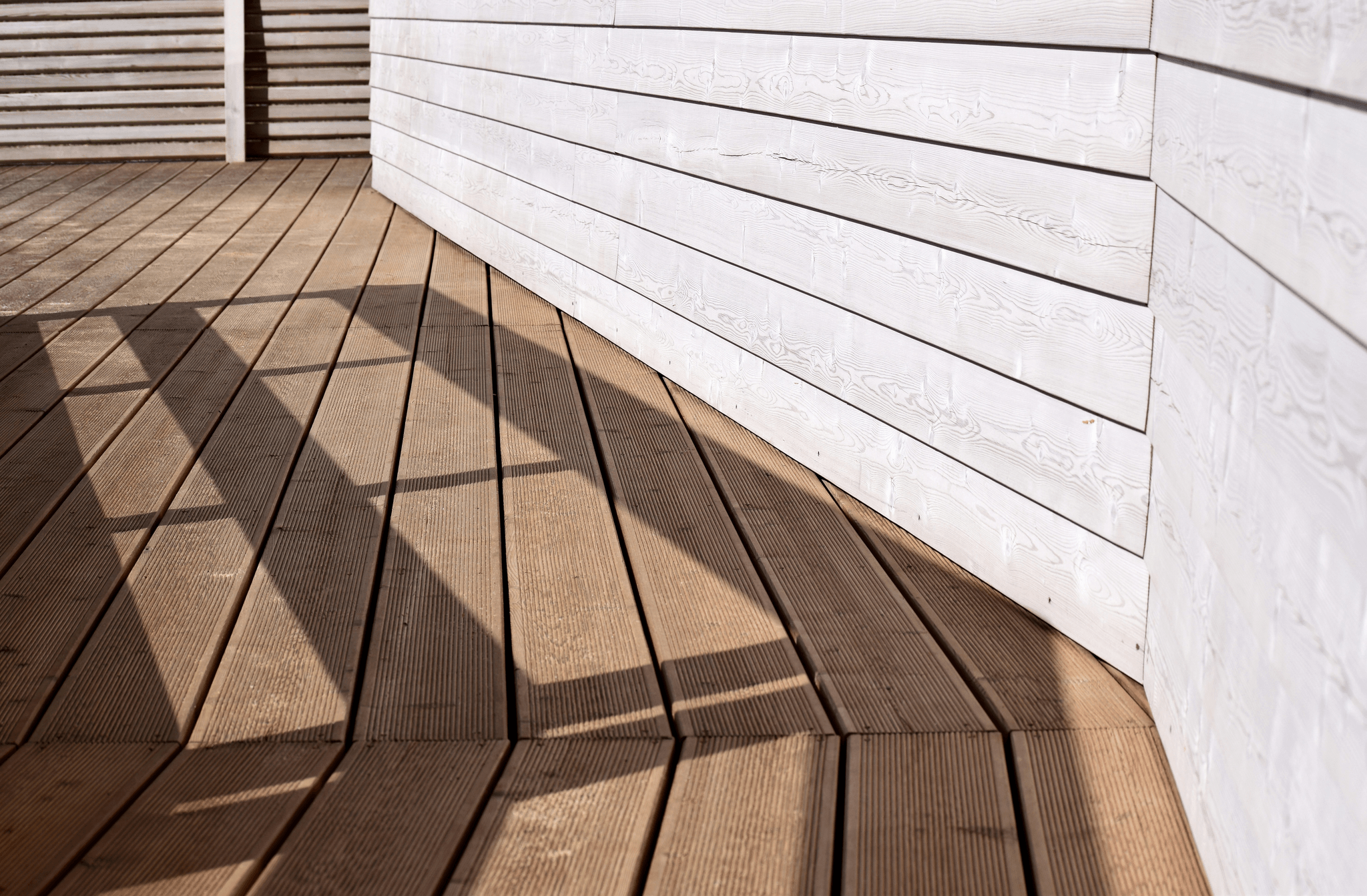
When it comes to choosing the best deck material, the options are as varied as your personal style and budget. From the classic allure of wood decking to the modern appeal of composite lumber decking, each material has its unique charm and functionality. Whether you prioritize low maintenance or aesthetic appeal, understanding your choices can make all the difference in your outdoor space.
Recap of Deck Material Choices
We’ve explored several top contenders for deck materials, including wood decking, composite decking, PVC decking, and aluminum decking. Wood decking offers a timeless look but requires diligent upkeep, while composite deck boards provide a low maintenance alternative that mimics natural wood without the hassle. Meanwhile, aluminum and PVC options stand out for their durability and modern design—each presenting unique benefits tailored to different needs.
Budget Considerations for Your Deck
Budget plays a crucial role in selecting the best deck material for your project. While wood may initially seem more affordable, its long-term maintenance costs can add up quickly compared to composite lumber decking or PVC options that require little upkeep over time. It’s essential to weigh not just the upfront costs but also potential future expenses when deciding on deck boards that fit both your style and wallet.
Final Thoughts on the Best Deck Material
Ultimately, there’s no one-size-fits-all answer when it comes to finding the best deck material; it largely depends on your lifestyle and preferences. If you’re looking for something that balances aesthetics with ease of care, composite decking is hard to beat as a low maintenance deck option. However, if you crave that classic wooden look and don’t mind putting in some elbow grease now and then, traditional wood decking might still be your go-to choice.