
Engineered deck wood is a search phrase that can mean different things to different buyers. Some people use it for any manufactured wood-look deck board. Others mean engineered wood products more literally and are trying to understand whether they belong outdoors at all. That ambiguity is important because outdoor performance depends heavily on how the product is built and whether it was designed for exterior exposure in the first place.
For that reason, the safest approach is to compare engineered or manufactured deck wood options by use case, not by label. Composite Deck Pro's composite decking overview, non-wood decking article, and Floor page are useful when you want to separate true exterior deck products from indoor wood categories that do not belong outside.
Not Every Engineered Wood Product Is an Outdoor Deck Product
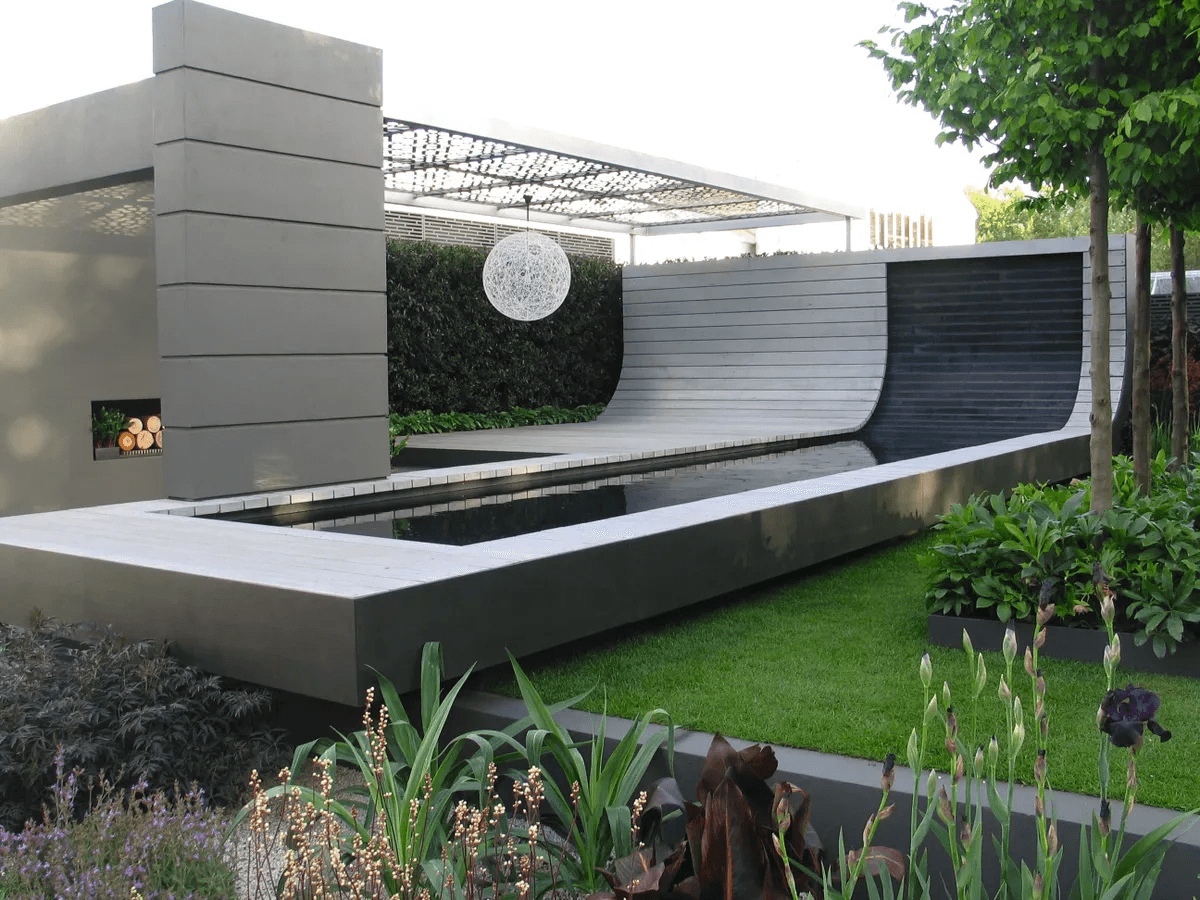
That is the main point to keep in mind. Some engineered wood materials are designed for indoor floors or protected applications, not for direct weather exposure. Outdoor decks deal with standing moisture, UV exposure, dirt, and thermal movement. If the product was not built for that environment, the performance risk rises quickly no matter how attractive the sample looks.
That is why the product category matters as much as the appearance. A board that mimics wood is not automatically a suitable deck board. Exterior-rated composite and other purpose-built outdoor systems exist because outdoor demands are different.
Questions Worth Asking Before Choosing an Engineered Wood Product Outdoors
- Was the product explicitly designed for exterior deck use?
- How does it handle moisture, sun exposure, and temperature movement?
- What kind of subframe, spacing, and fastening system does it require?
- Will it need sealing, recoating, or other recurring maintenance?
- How does it compare with composite for the same visual goal?
Those questions help cut through marketing language and move the conversation back to actual outdoor performance.
Why Composite Often Enters This Comparison
Many buyers searching for engineered deck wood are really trying to find a more stable, lower-maintenance alternative to conventional timber. That is exactly why composite surfaces are so often part of the same shortlist. Composite Deck Pro's what is composite wood article, timber-vs-composite article, and artificial wood article help frame that comparison in practical terms.
If the real goal is wood-inspired appearance with more predictable upkeep, exterior composite may answer the need more directly than trying to adapt a non-deck engineered wood category to an outdoor setting.
Layout and Surface Finish Still Matter
Even with purpose-built outdoor boards, performance depends on layout and detailing. Board width, edge profile, and spacing all affect how the finished deck behaves and how convincing the surface feels. Composite Deck Pro's board width guide, board length article, and flat board planning article are useful if you are trying to make an exterior wood-look deck feel coherent rather than improvised.
In other words, the material category is only the first filter. The final result still depends on the whole system being chosen well.
Conclusion
Engineered deck wood is a useful search term, but it covers products with very different outdoor suitability. The smartest move is to verify that the board is truly designed for exterior deck use and then compare it with low-maintenance composite alternatives on performance, appearance, and upkeep. That reality check usually leads to a much better material decision.