
Introduction
With a variety of materials available, from pressure treated wood for decks to innovative composite decking solutions, homeowners are often faced with a daunting decision. This guide will help you navigate the world of deck wood types and cost, ensuring you choose the right material that fits your vision and budget.
Understanding Deck Wood Options
Deck wood options are plentiful, ranging from traditional choices like treated lumber for decks to modern alternatives like composite lumber decking. Each type has its own unique characteristics that can impact both aesthetics and functionality. By familiarizing yourself with these materials, you'll be better equipped to make an informed decision that aligns with your style preferences and maintenance expectations.
Importance of Cost in Decking Choices
Cost plays a pivotal role in selecting the right decking material; after all, no one wants to overspend on their outdoor oasis! While pressure treated wood for decks often presents a budget-friendly option upfront, it's crucial to consider long-term expenses associated with maintenance and durability. Balancing initial costs against future investments will help you find the best fit among various deck wood types and cost considerations.
How to Choose the Right Deck Material
Choosing the right deck material involves weighing several factors: aesthetic appeal, durability, maintenance requirements, and of course, cost. Whether you're leaning towards classic treated wood for deck structures or exploring the benefits of composite decking options like deck composite decking products, it's important to evaluate how each choice aligns with your lifestyle needs. By taking a holistic approach—considering both immediate desires and long-term goals—you'll be well on your way to crafting an inviting outdoor retreat.
Overview of Deck Wood Types

Each option comes with its unique characteristics, costs, and maintenance requirements. From traditional pressure treated wood for decks to modern composite decking solutions, let's dive into the options available.
Pressure Treated Wood for Decks
Pressure treated wood for decks is a popular choice among homeowners looking for affordability and durability. This type of treated lumber for decks undergoes a process that infuses preservatives deep into the wood fibers, protecting it from rot and insect damage. While cost-effective in the short term, it's important to consider ongoing maintenance such as staining and sealing to prolong its lifespan.
However, the initial investment in pressure treated lumber can be quite appealing compared to other deck wood types and cost alternatives. Homeowners should weigh these factors carefully; while upfront savings are tempting, long-term maintenance can add up over time. Ultimately, pressure treated wood remains a staple in decking options due to its balance of affordability and resilience.
Naturally Durable Options
If you're looking for deck wood types that require minimal maintenance while still offering longevity, naturally durable woods like cedar or redwood might be your best bet. These woods contain natural oils that help resist decay and pests without needing chemical treatments like their pressure-treated counterparts. Although they tend to come with a higher price tag upfront compared to treated lumber for decks, their beauty and durability can make them worth every penny.
The cost of naturally durable options can vary significantly based on species and availability; however, many homeowners appreciate their aesthetic appeal as well as their eco-friendliness. Unlike composite decking materials that often contain plastic components, these woods are biodegradable and sustainable when sourced responsibly. Choosing naturally durable woods means investing not only in quality but also in environmental consciousness.
The Rise of Composite Decking
In recent years, composite decking has gained immense popularity among homeowners seeking low-maintenance solutions without sacrificing aesthetics or performance. Made from a blend of recycled plastics and wood fibers, composite lumber decking offers an attractive alternative that resists fading, splintering, and warping—common issues faced by traditional deck materials like pressure treated wood for decks or even exotic hardwoods.
While the initial cost of composite decking may be higher than some conventional deck wood types and cost alternatives like pressure-treated lumber or natural woods, many find value in reduced upkeep over time. With brands such as Composite Decking Inc leading the market with innovative designs and colors available today, there's no shortage of choices when considering deck composite decking options tailored to your style preferences.
Ultimately, whether you opt for classic pressure-treated boards or embrace modern composite materials will depend on personal taste—and perhaps how much time you want to spend maintaining your outdoor oasis! With so many choices available today in terms of both aesthetics and budget considerations—there's something out there just waiting to elevate your backyard experience!
The Pros and Cons of Pressure Treated Lumber
Cost-Effectiveness
One of the most appealing aspects of pressure treated wood for decks is its cost-effectiveness. Typically, this type of treated lumber for decks is more affordable than exotic hardwoods or composite decking options. Homeowners on a budget often find that they can achieve a beautiful deck without breaking the bank by opting for treated wood.
However, while the initial investment in pressure treated lumber may be lower compared to alternatives like composite lumber decking, it's essential to consider long-term costs as well. Over time, maintenance and repair expenses can add up, potentially offsetting those initial savings. Therefore, understanding the complete picture of deck wood types and cost is crucial for making an informed decision.
Maintenance Considerations
While pressure treated wood does offer some level of resistance against rot and pests, it still requires regular maintenance to keep it looking its best. Homeowners must be diligent about sealing and staining their decks every few years to prevent warping or fading—a task that can become tedious over time. In contrast, composite decking typically requires less upkeep due to its durable materials.
Moreover, if you neglect maintenance on your treated wood deck, you might face issues such as splintering or cracking down the line. This could lead to additional costs as repairs become necessary sooner rather than later. When weighing your options among various deck wood types and cost considerations, think about how much time you're willing to dedicate to upkeep.
Lifespan and Durability
The lifespan of pressure treated lumber can vary based on several factors including climate conditions and maintenance practices. On average, you can expect a well-maintained pressure-treated deck to last around 10-15 years before significant deterioration occurs—much shorter than some composite decking options which can last upwards of 25 years or more with little wear.
Durability is another area where pressure treated wood may fall short compared to alternatives like composite decking or exotic hardwoods like Ipe or Teak. While it’s engineered for resistance against rot and insects initially, untreated areas exposed over time may succumb more quickly than you'd hope—leading homeowners back into the cycle of repairs sooner rather than later.
Ultimately, while pressure treated lumber offers an accessible entry point into outdoor living spaces at a reasonable price point among various deck wood types available today; it's essential not only to look at upfront costs but also at longevity versus ongoing maintenance needs when making your final choice between materials like composite decking vs traditional woods.
Exploring Composite Decking Options
Benefits of Composite Lumber Decking
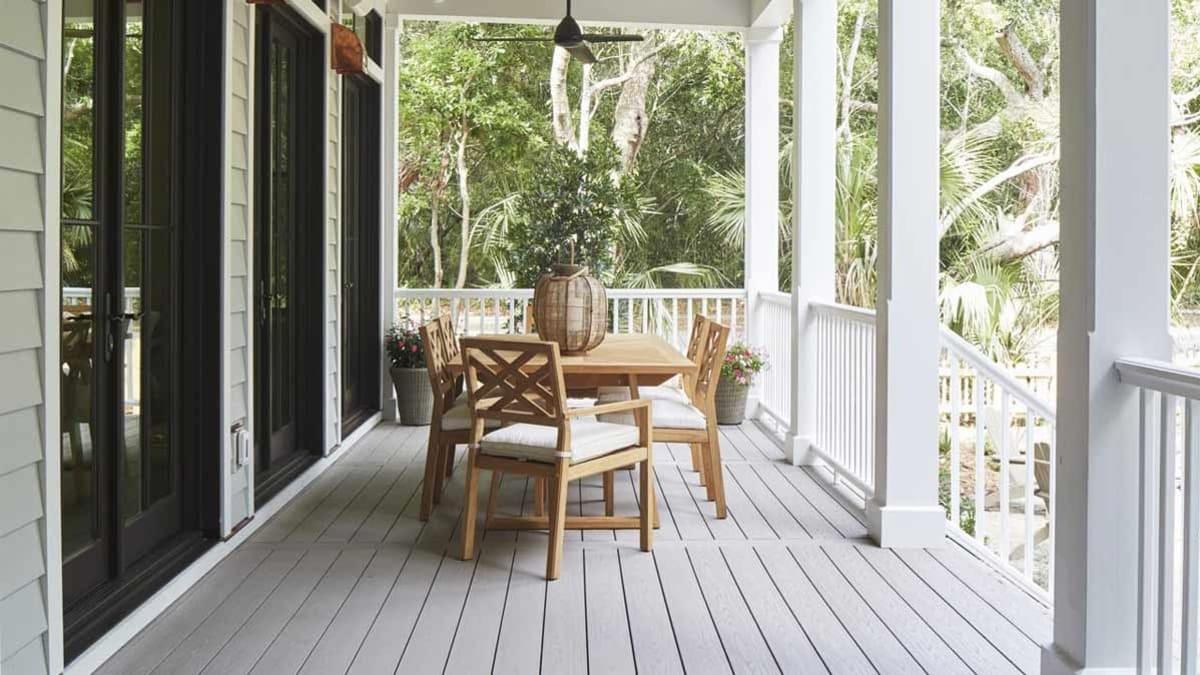
One of the standout benefits of composite lumber decking is its remarkable resistance to rot, splintering, and insect damage—issues that often plague pressure treated wood for decks. Homeowners can enjoy their outdoor spaces without worrying about constant maintenance or repairs associated with treated wood for deck installations. Additionally, composite decking does not require staining or sealing like traditional wood options; a simple wash with soap and water is usually all you need to keep it looking fresh.
Moreover, composite decking is designed to withstand harsh weather conditions, making it an ideal choice for various climates. The material's fade-resistant properties ensure that your deck retains its vibrant color year after year, unlike some treated lumber for decks that may lose their luster over time. With all these advantages combined, it's no wonder many are opting for deck composite decking as their go-to choice.
Popular Brands like Composite Decking Inc
In the realm of composite decking, several brands have emerged as leaders in quality and innovation. One notable name is Composite Decking Inc., which specializes in high-performance materials designed to meet diverse aesthetic preferences while maintaining durability over time. Their products offer extensive warranties that underscore confidence in their durability compared to traditional deck wood types.
Other popular brands include Trex and TimberTech, both known for their commitment to sustainability by using recycled materials in their products. These companies provide a variety of styles and colors suitable for any homeowner's vision while ensuring minimal environmental impact—a win-win situation! When considering your options among these brands, be sure to explore product specifications carefully; they often provide insights into the long-term value when comparing costs with pressure treated wood for decks.
Cost Comparison with Traditional Wood
When weighing deck wood types and cost against one another, it's essential to consider both initial investment and long-term expenses associated with maintenance. Generally speaking, composite decking tends to have a higher upfront cost than pressure treated lumber; however, this should be weighed against the reduced maintenance costs over time due to its inherent durability. While treated lumber may seem more budget-friendly initially, ongoing upkeep can quickly add up—especially when factoring in staining or sealing every few years.
Additionally, many homeowners find themselves saving on replacement costs because composite decking lasts significantly longer than traditional woods like cedar or pine—sometimes lasting up to 25 years or more! So while you might pay more at first glance when investing in materials like deck composite decking from reputable brands such as Composite Decking Inc., you could ultimately save money by avoiding frequent repairs or replacements down the line.
In summary, exploring options within the realm of composite lumber decking presents numerous benefits worth considering—especially if you're seeking longevity coupled with aesthetic appeal without breaking the bank on maintenance later on!
Comparing Exotic Hardwoods
When it comes to selecting deck wood types, exotic hardwoods like teak and ipe often steal the spotlight. These materials are celebrated for their stunning aesthetics and remarkable durability, making them a popular choice for homeowners seeking both beauty and longevity in their outdoor spaces. However, with exquisite beauty comes a price tag that can significantly impact your overall decking budget.
Unique Characteristics of Teak and Ipe
Teak is renowned for its rich golden-brown hue and natural oils that make it resistant to moisture, insects, and decay. This makes pressure treated wood for decks seem almost mundane in comparison. Ipe, on the other hand, boasts an impressive density that provides unmatched strength; it's often referred to as ironwood due to its resilience against weathering and wear over time.
Both teak and ipe are not just visually appealing; they also require minimal maintenance compared to traditional treated lumber for decks. While they can develop a silver patina if left untreated, many homeowners appreciate this natural aging process as it adds character to their deck composite decking. Plus, choosing these woods means you’re investing in materials known for lasting decades when properly cared for.
Cost Analysis of Exotic Hardwoods
The cost of exotic hardwoods like teak and ipe can be quite staggering compared to other deck wood types. Prices typically range from $5 to $15 per board foot depending on quality and availability, which is significantly higher than pressure treated wood for decks or even composite lumber decking options. This initial investment might deter some homeowners; however, the long lifespan of these materials often justifies the expense over time.
When evaluating cost versus value in your decking project, consider both upfront expenses and long-term returns on investment. While you may pay more initially for exotic hardwoods like teak or ipe, their durability means fewer replacements or repairs down the line—something that can’t always be said about cheaper alternatives like treated wood for deck projects or standard composite decking products. Ultimately, if you’re looking at longevity combined with elegance in your outdoor space without worrying about constant upkeep costs, these hardwoods could be worth every penny.
Sustainability Issues
As beautiful as teak and ipe are, they come with sustainability concerns that cannot be ignored when discussing deck wood types and cost. Many sources of these woods contribute to deforestation issues in tropical regions where they grow abundantly but are harvested unsustainably. This raises ethical questions about using such materials when there are more sustainable options available.
In contrast to traditional treated lumber for decks or even modern composite decking solutions made from recycled materials, choosing exotic hardwoods can sometimes feel like a step backward environmentally speaking. Homeowners should weigh the allure of these luxurious woods against their ecological footprint carefully before making a decision about their next deck project—considering alternatives such as responsibly sourced composites may provide both aesthetic satisfaction without compromising environmental integrity.
Installation Costs and Considerations
Labor Costs for Deck Installation
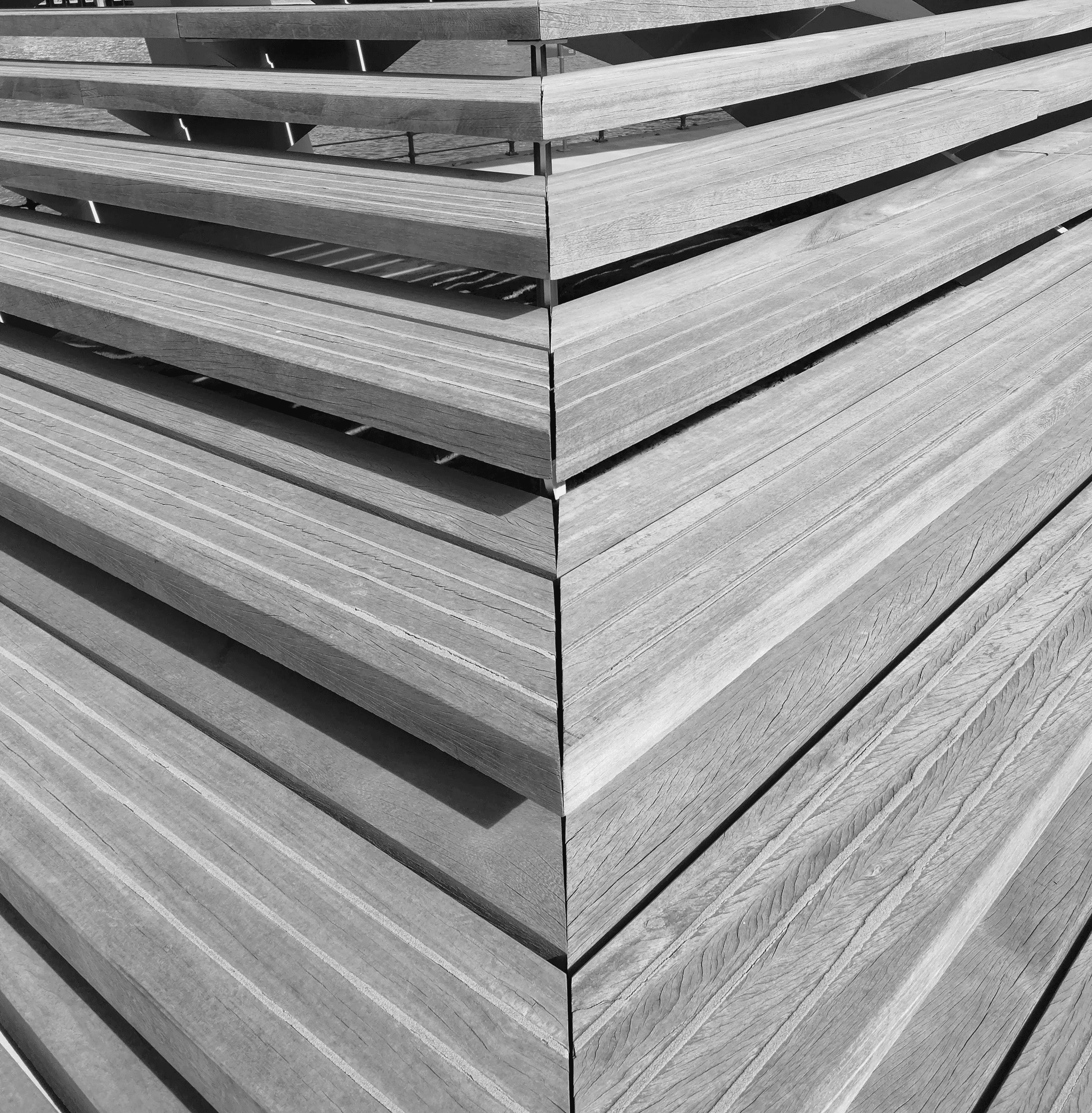
Labor costs for deck installation can fluctuate widely depending on the complexity of the project and local market rates. Generally, professional installers charge by the square foot, which can range from $15 to $30 or more per square foot, depending on the type of decking material used—be it pressure treated wood for decks or composite decking options. It's essential to factor in these labor costs when evaluating different deck wood types and cost to ensure your budget aligns with your vision.
DIY vs. Professional Installation
Choosing between DIY installation and hiring a professional can have a significant impact on both cost and quality of your deck project. While installing treated lumber for decks yourself might save you money upfront, consider whether you have the necessary skills and tools to achieve a polished look that complements your home’s aesthetic. On the other hand, professional installation may come with higher initial costs but often guarantees expertise that could save you from costly mistakes down the road.
Long-Term Costs of Deck Maintenance
Long-term maintenance costs are another critical consideration when selecting between different deck wood types and cost implications over time. For instance, while composite decking typically requires less maintenance than traditional treated wood for decks—such as periodic sealing or staining—it still necessitates regular cleaning to maintain its appearance. Understanding these long-term costs associated with each option will help ensure that your investment in either composite lumber decking or pressure-treated options pays off in durability and aesthetics.
Conclusion
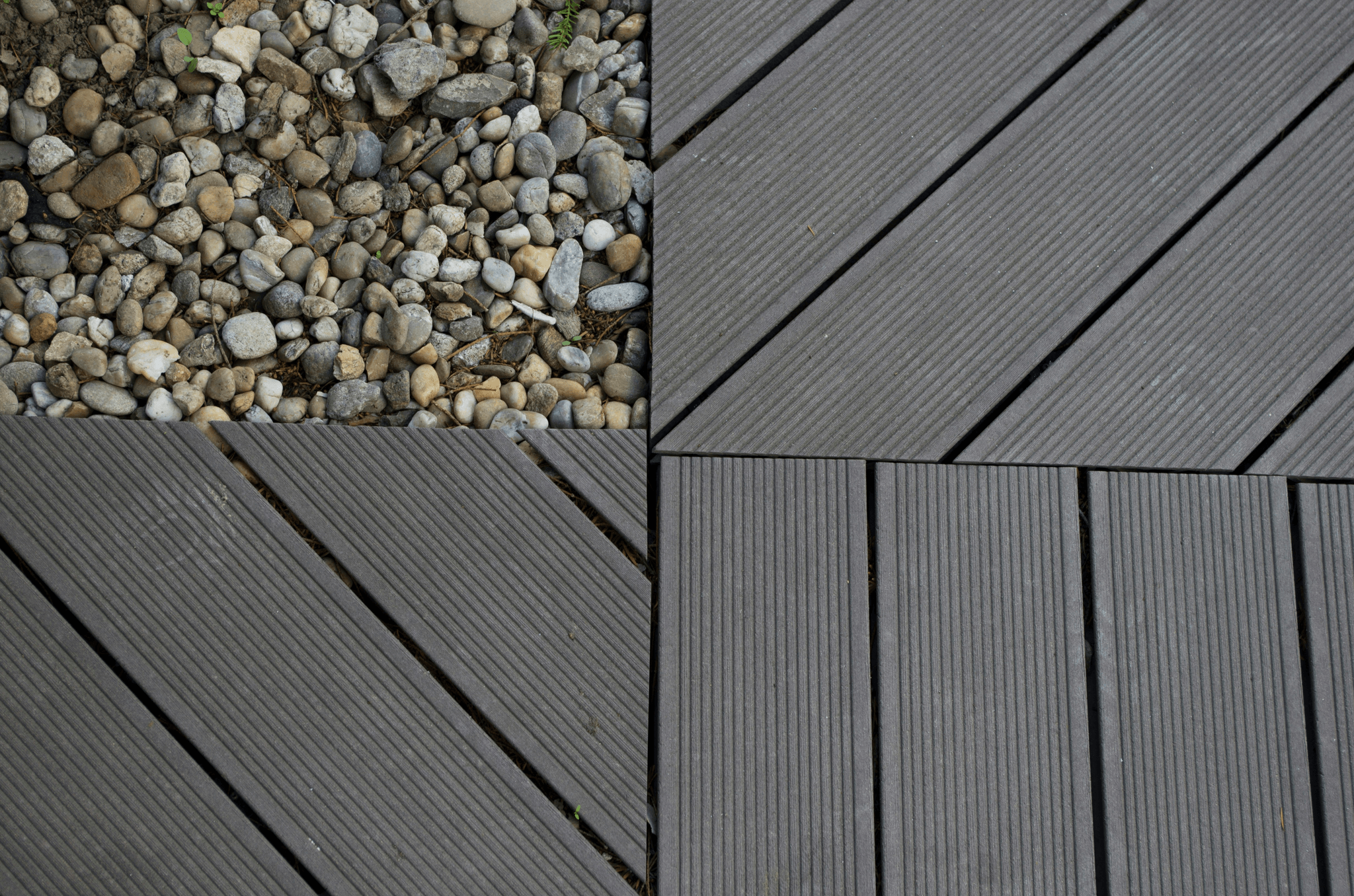
Choosing the right deck wood types and cost is crucial for any homeowner looking to enhance their outdoor space. With various options available, from pressure treated wood for decks to composite decking, understanding each material's benefits and drawbacks will help you make an informed decision. The balance between aesthetics, functionality, and budget is essential in creating a deck that meets your needs.
Key Takeaways on Deck Wood Choices
When it comes to deck wood types and cost, it's clear that pressure treated wood for decks remains a popular choice due to its affordability and availability. However, composite lumber decking has gained traction for its low maintenance requirements and durability against the elements. Ultimately, the best choice hinges on individual preferences regarding aesthetics and long-term investment.
Balancing Cost and Aesthetic Preferences
Finding harmony between cost and aesthetic appeal can be tricky when selecting deck materials. While traditional treated lumber for decks offers a classic look at a lower price point, composite decking provides an opportunity to create stunning visuals without the upkeep hassles of natural wood. It’s worth weighing your options carefully—sometimes spending a bit more upfront on materials like composite decking can save you time and money in the long run.
Final Thoughts on Sustainable Options
Sustainability should be at the forefront of your decision-making process when considering deck wood types and cost. Many brands now offer eco-friendly composite decking solutions made from recycled materials that not only look great but also reduce environmental impact. By opting for sustainable choices in your decking project—whether it's treated wood for deck or innovative composite options—you contribute positively to our planet while enjoying an inviting outdoor space.