
Introduction
When it comes to creating the perfect outdoor oasis, understanding deck board width choices is crucial. The width of your deck boards can significantly influence not only the overall aesthetics but also the functionality of your composite decking project. With a myriad of options available, making an informed decision is essential for achieving a stunning and durable outdoor space.
Understanding Deck Board Width Choices
Deck board width refers to the measurement across the face of the board, which can vary widely depending on the material and style you choose. For composite lumber decking, standard widths typically range from 5.5 inches to 12 inches, giving homeowners plenty of flexibility in their design choices. Selecting the right deck board width involves considering both personal preference and how it will complement your home’s architecture.
The Importance of Composite Decking
Composite decking has gained popularity in recent years due to its durability and low maintenance requirements compared to traditional wood options like pressure treated deck boards. Made from a blend of recycled materials and wood fibers, composite wood decking boards are designed to withstand harsh weather conditions without warping or splintering. This makes them an ideal choice for those looking to invest in long-lasting decking material that enhances their outdoor living space.
How Width Affects Aesthetics
The width of deck boards plays a vital role in shaping the visual appeal of your outdoor area; wider boards can create a more modern look while narrower ones may evoke a traditional feel. Additionally, how you match deck board width with your home design can significantly impact overall harmony and style—think about how different widths interact with existing architectural elements! By creatively using varying widths, you can craft unique patterns that elevate your space from ordinary to extraordinary.
The Basics of Deck Board Width
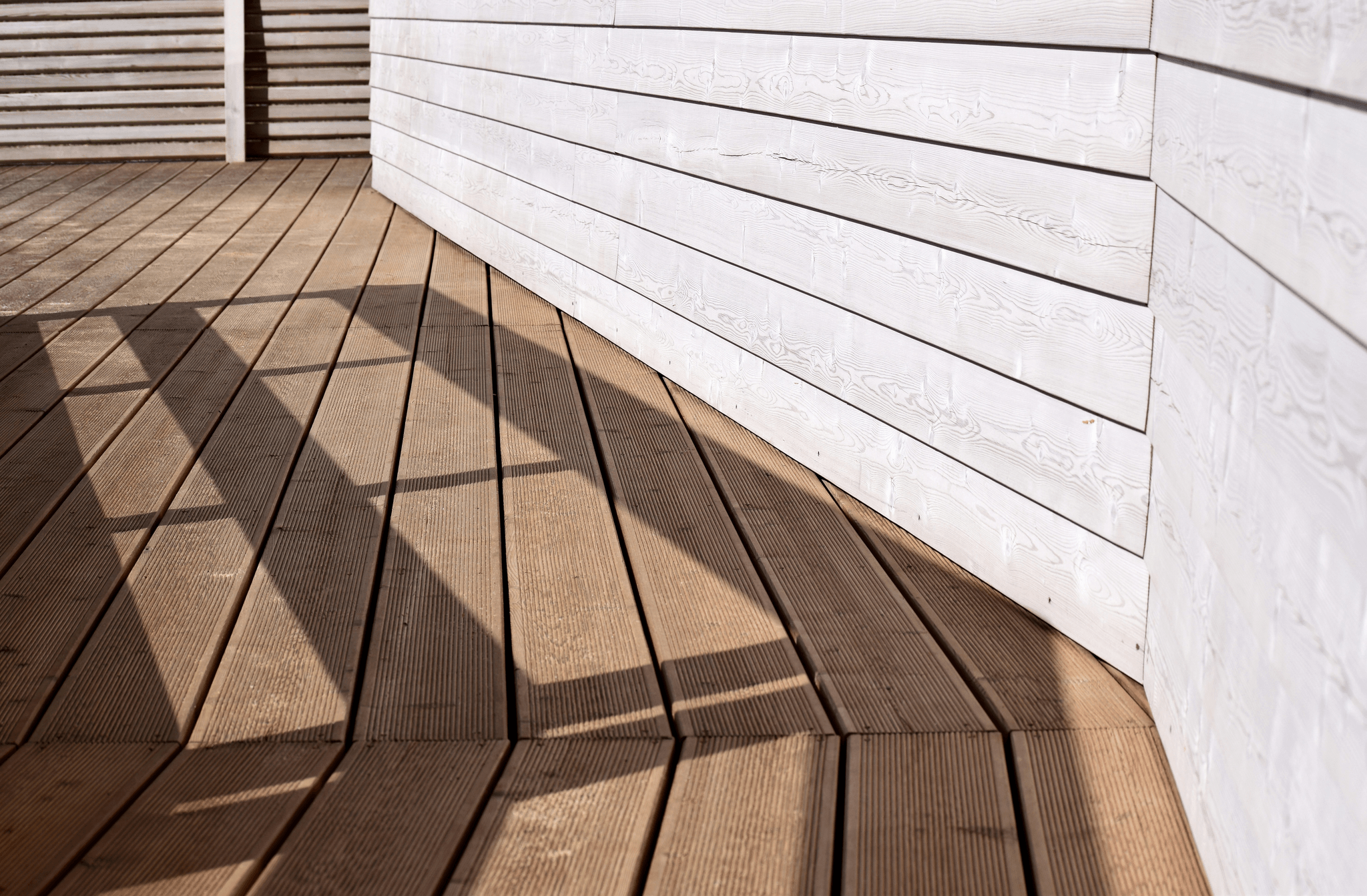
When embarking on a decking project, understanding deck board width is essential. Deck board width refers to the measurement across the face of the deck boards, which can significantly influence both aesthetics and functionality. Choosing the right width can enhance your outdoor space while ensuring it meets practical needs.
What is Deck Board Width
Deck board width is simply the distance from one edge of a deck board to its opposite edge. This measurement plays a vital role in determining how your finished deck will look and feel. Wider boards can create a more expansive appearance, while narrower boards may lend themselves to intricate designs or patterns.
Standard Widths for Deck Boards
Typically, standard widths for deck boards range from 4 inches to 6 inches, with some composite wood decking boards even reaching wider dimensions up to 12 inches. These variations allow homeowners and builders to select options that best suit their design preferences and functional requirements. Composite decking has become increasingly popular due to its ability to mimic traditional wood while offering greater durability and lower maintenance.
Choosing the Right Width for Your Project
Selecting the right width for your project involves considering several factors: aesthetic appeal, structural integrity, and personal preference. If you’re aiming for a modern look, wider composite lumber decking might be your best bet; however, if you prefer a more traditional style or intricate designs, narrower pressure treated deck boards could be ideal. Ultimately, it’s about balancing visual impact with practical considerations like installation ease and long-term performance.
The Benefits of Composite Decking
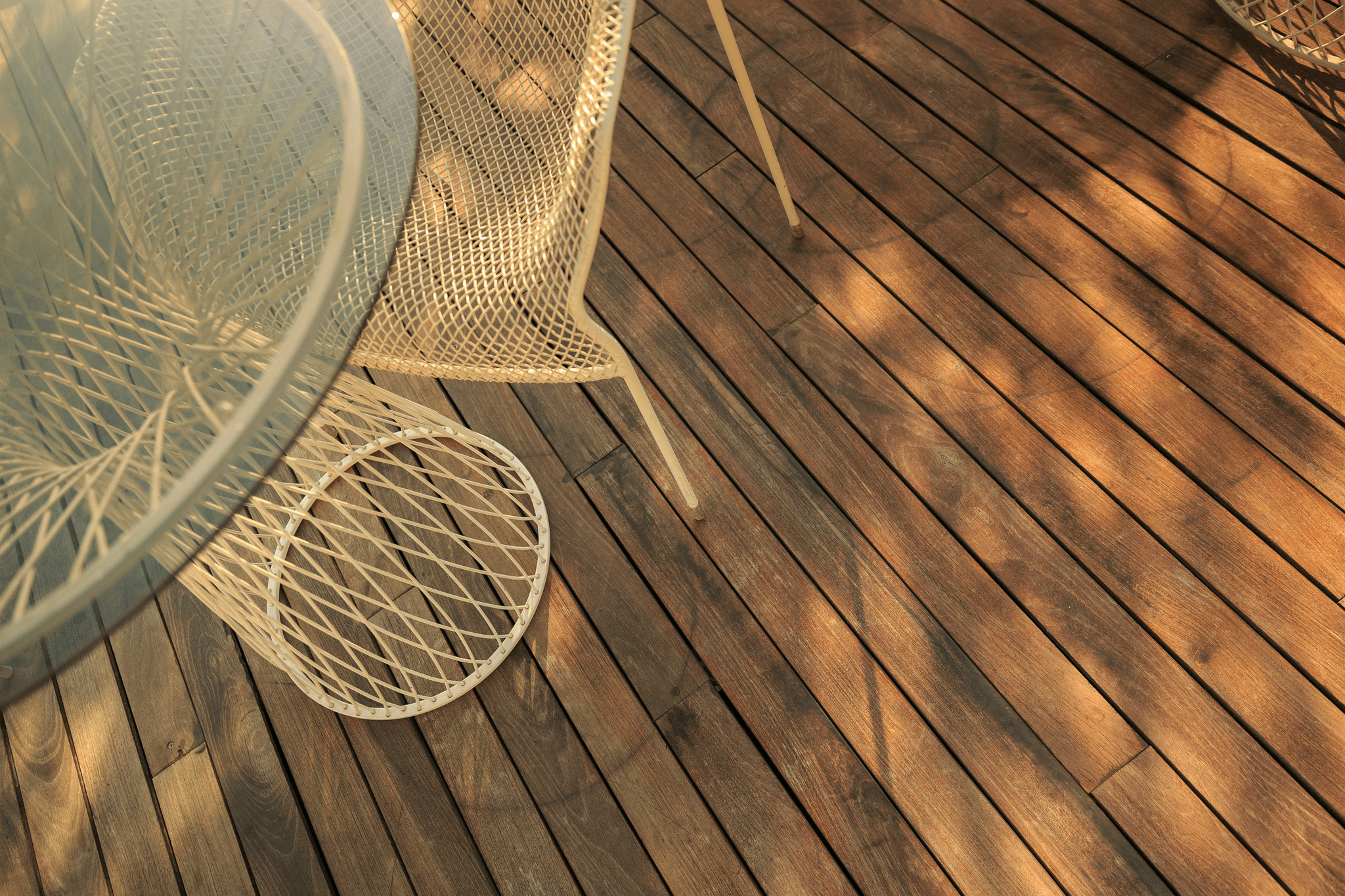
One of the most significant benefits of composite lumber decking is its durability; these boards are designed to withstand the elements without warping, splintering, or fading over time. This resilience means that homeowners can enjoy their outdoor spaces without worrying about frequent repairs or replacements, making it a smart investment in deck board width and longevity.
Advantages of Composite Lumber Decking
Composite lumber decking offers a range of benefits that traditional wood simply cannot match. For starters, it's made from a blend of recycled materials and plastic, which not only makes it eco-friendly but also resistant to moisture and pests. This means you won't have to deal with issues like rot or insect damage that often plague pressure treated deck boards, allowing you to enjoy your deck worry-free for years to come.
Moreover, composite wood decking boards require minimal maintenance compared to their wooden counterparts. No need for staining or sealing every few years; just a simple wash with soap and water will keep your deck looking fresh. Plus, the variety in colors and textures allows homeowners to choose an aesthetic that perfectly complements their home’s design while maintaining the desired deck board width.
Why Choose Composite Wood Decking Boards
Choosing composite wood decking boards can significantly enhance your outdoor experience by providing both beauty and practicality. With their stunning finishes and consistent quality, these boards elevate the aesthetics of any space while offering peace of mind regarding durability. Homeowners appreciate how composite decking doesn't fade under sunlight or warp due to moisture—qualities that ensure your chosen deck board width remains intact throughout the seasons.
Another compelling reason is cost-effectiveness over time; while initial costs might be higher than traditional options like pressure treated deck boards, they save money on maintenance and replacement in the long run. Additionally, many brands offer warranties on their products, giving buyers confidence in their investment for years ahead. So if you're looking for a hassle-free solution that enhances your outdoor space's charm without breaking the bank, composite wood decking is definitely worth considering.
Comparing Composite Decking to Pressure Treated Deck Boards
When comparing composite decking with pressure treated deck boards, several factors come into play that highlight why many opt for composites today. Pressure treated lumber has been a popular choice due to its lower upfront cost; however, it often requires more maintenance over time as it’s susceptible to rotting and insect damage—issues largely avoided with composite materials designed specifically for longevity.
In terms of aesthetics as well as functionality concerning deck board width choices, composite options provide greater versatility without compromising quality or appearance. They come in various widths and colors tailored to suit different architectural styles while ensuring long-lasting performance against harsh weather conditions—something pressure treated lumber struggles with after several seasons outdoors.
Ultimately, while both types have merits depending on individual needs and budgets, those seeking enduring beauty combined with minimal upkeep will find themselves leaning towards composite decking as an ideal solution for their outdoor projects.
Aesthetic Considerations for Deck Width

How Width Affects Visual Appeal
The width of deck boards can dramatically influence the perception of space in your outdoor area. Wider composite wood decking boards tend to draw the eye across the surface, making areas feel larger and more open, perfect for expansive decks. Conversely, using narrower deck boards can add intricate detail and texture, which may be ideal for smaller spaces or cozy nooks.
Choosing between different deck board widths can also affect how light interacts with your decking material. Wider boards have fewer seams, creating a smoother appearance that reflects light beautifully, while narrower boards may create interesting patterns of shadow and light play. Ultimately, understanding how these elements work together will help you achieve the desired ambiance for your outdoor sanctuary.
Matching Deck Board Width to Your Home Design
Your home's architectural style should guide your choice of deck board width to create a cohesive look that enhances curb appeal. For instance, contemporary homes often benefit from wider composite decking options that emphasize clean lines and minimalism. In contrast, traditional or rustic homes might shine with narrower pressure treated deck boards that evoke charm and warmth.
Consider how the color and finish of your chosen decking material will complement existing elements like siding or trim when selecting board widths as well. The right combination can tie together various aspects of your home design seamlessly while allowing you to express personal style through creative choices in materials. Remember that harmony between indoor and outdoor spaces is key; matching deck board width with architectural features ensures a fluid transition.
Creative Ways to Use Width for Style
Deck board width isn’t just about functionality; it’s also an avenue for artistic expression! You can mix different widths within one project to create visually striking patterns or zones within larger decks using both composite lumber decking and traditional wood options strategically placed throughout the layout. This approach not only adds character but also allows you to define spaces such as dining areas versus lounging spots effortlessly.
Another fun idea is incorporating accent strips made from contrasting materials alongside standard-width composite decking boards—think bold colors or unique textures! These accents break up monotony while drawing attention without overwhelming the overall design scheme. So go ahead; let those creative juices flow as you explore how varying widths can elevate both form and function on your new outdoor masterpiece!
Practical Considerations for Deck Board Width
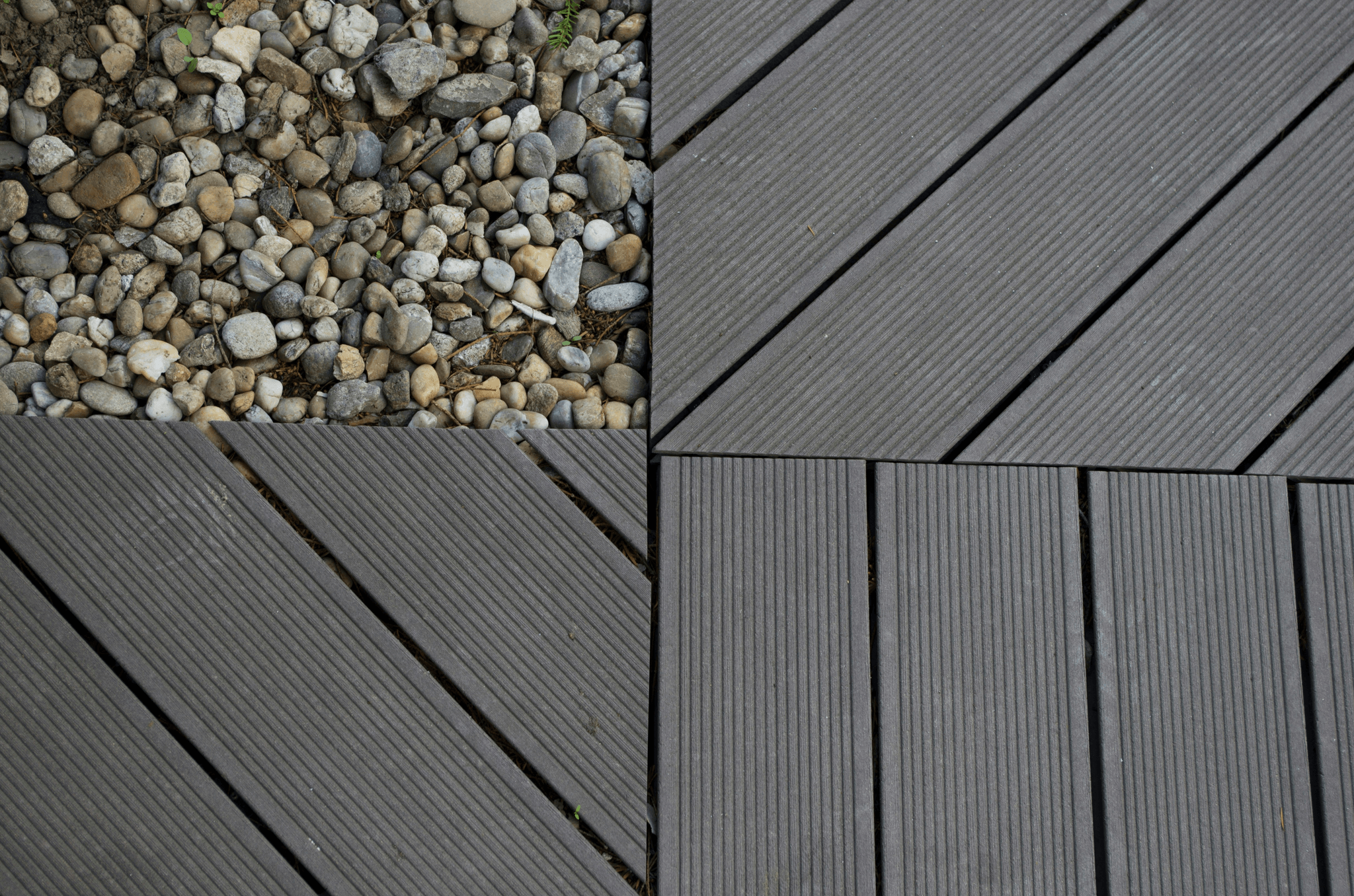
When planning your deck, the width of your deck boards plays a significant role not only in aesthetics but also in practical aspects like installation and maintenance. Choosing the right deck board width can streamline the installation process, as wider boards often cover more area with fewer pieces. However, this can also mean that any maintenance or repairs may require more effort, especially if a wide board becomes damaged and needs replacing.
Impact on Installation and Maintenance
The installation of composite decking can be influenced by the width of the deck boards you select. Wider boards typically mean fewer seams and less labor during installation, making them an attractive option for DIY enthusiasts or professional builders alike. Conversely, if a wide board is damaged, it may require replacing a larger section than if you had chosen standard-width deck boards, which could complicate maintenance efforts down the line.
Maintenance is another factor to consider when weighing your options for deck board width. Composite lumber decking is designed to withstand various weather conditions and requires less upkeep than traditional wood; however, wider boards might trap debris more easily in their crevices. This means that while they look great initially, you may need to clean them more frequently to maintain their appearance.
The Relationship Between Width and Strength
When evaluating deck board width, it's essential to consider how it correlates with strength and durability. Wider composite wood decking boards may offer greater structural integrity because they distribute weight over a larger area compared to standard-width options. However, this does not always equate to better performance; it's crucial to check the manufacturer’s specifications regarding load-bearing capacities before making your final decision.
Moreover, while wider pressure treated deck boards can provide additional strength under certain conditions, they might also come with increased weight considerations during transport and installation. Balancing these factors will help you determine which width best suits your project's specific needs without compromising on safety or longevity. Remember that choosing high-quality composite decking materials will enhance both strength and aesthetic appeal.
Cost vs. Benefit: Wider vs. Standard Boards
When it comes to cost versus benefit analysis of wider versus standard-width deck boards, several factors come into play that can significantly impact your budget and overall satisfaction with your outdoor space. While wider composite decking might have a higher initial cost due to material usage and manufacturing processes, they can potentially save money in labor costs due to quicker installation times—fewer pieces mean less time spent on assembly.
On the flip side, standard-width deck boards often present lower upfront costs but could lead to higher long-term expenses due to increased materials needed for larger areas or ongoing maintenance requirements over time. Additionally, considering how each type complements your home design is vital; investing in aesthetically pleasing composite wood decking boards could elevate your property’s value significantly compared to cheaper alternatives that lack visual appeal.
Ultimately, evaluating all these elements—installation ease, strength considerations, long-term maintenance costs—will guide you toward making an informed decision about what works best for both your wallet and desired outdoor experience.
Choosing the Best Decking Material
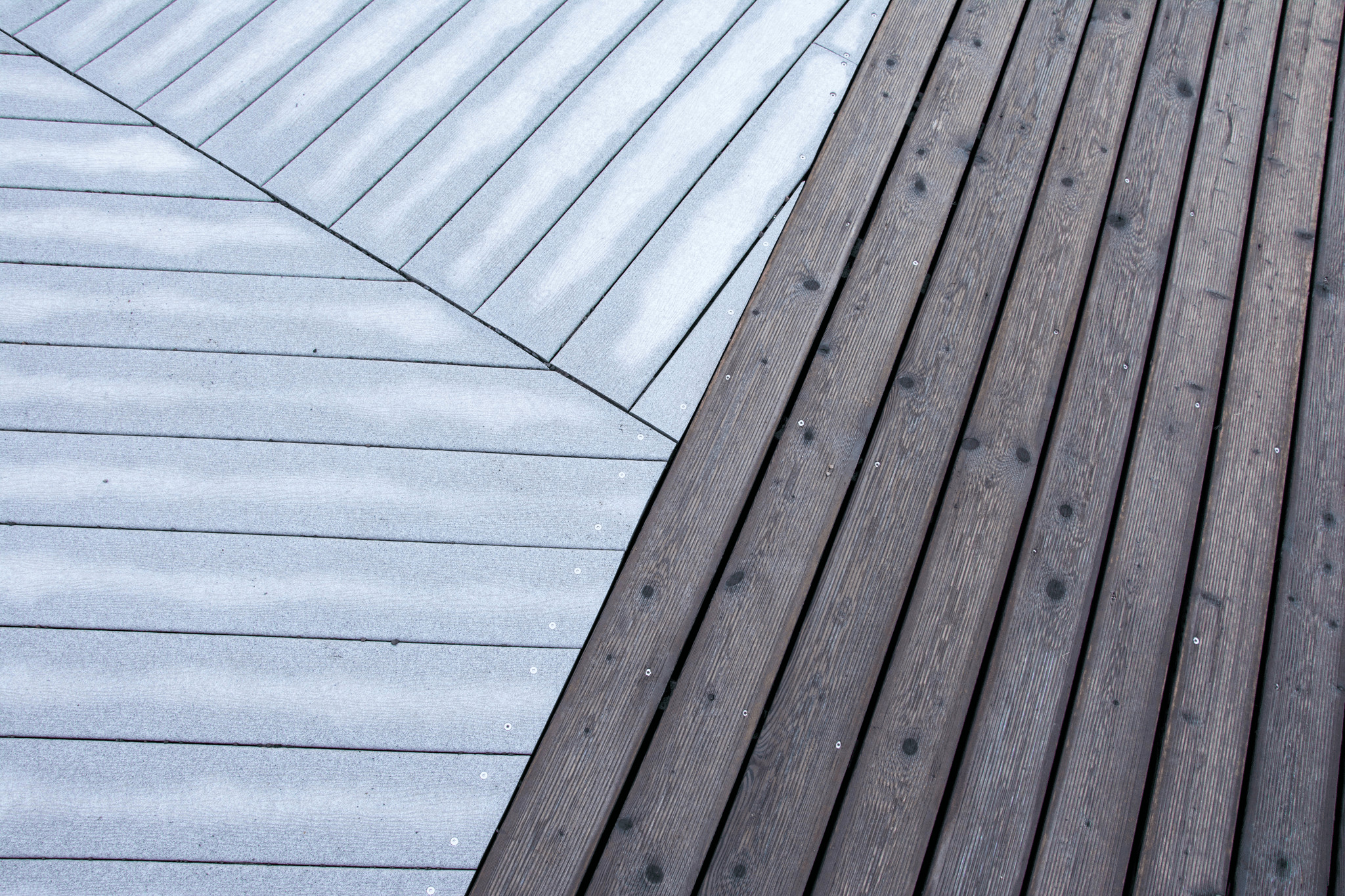
Selecting the right decking material is a pivotal decision that can influence both the look and longevity of your outdoor space. Among various options, composite decking has gained popularity due to its durability and aesthetic appeal. However, understanding what influences your material choice can help you make a more informed decision.
Factors Influencing Your Material Choice
When it comes to choosing decking material, several factors come into play, including climate, maintenance requirements, and budget constraints. For instance, if you live in an area with extreme weather conditions, opting for composite lumber decking may be wise as it withstands moisture and temperature fluctuations better than traditional wood. Additionally, consider how much time you're willing to invest in maintaining your deck; composite decking typically requires less upkeep compared to pressure treated deck boards.
Another important aspect is the visual appeal of deck board width. Wider boards can create a modern look while narrower ones might lend a more traditional feel to your outdoor space. Ultimately, balancing aesthetics with practical considerations will guide you toward the best choice for your project.
Composite Decking vs. Traditional Wood
When comparing composite decking to traditional wood options like pressure treated deck boards, it's essential to weigh their respective pros and cons carefully. Composite wood decking boards are engineered from recycled materials and offer superior resistance against rot and pests—qualities that traditional wood often lacks after some years of exposure to the elements. While pressure treated lumber may initially cost less upfront, its ongoing maintenance needs can add up over time.
Moreover, composite decking provides greater consistency in color and texture than natural wood varieties that may warp or fade over time. With composite lumber decking available in various styles and colors, homeowners can achieve their desired aesthetic without sacrificing durability or performance. This makes composite an increasingly popular choice among those looking for long-term value.
Making the Sustainable Choice with Composite Decking Inc
Choosing composite decking not only benefits homeowners but also contributes positively to environmental sustainability efforts. Many manufacturers produce composite wood decking boards from recycled materials such as plastic bags and reclaimed wood fibers—reducing landfill waste while conserving natural resources used in traditional lumber production. By selecting eco-friendly options like these instead of conventional pressure treated deck boards, you’re making a conscious effort towards sustainability.
Furthermore, many companies are committed to responsible sourcing practices that ensure minimal impact on forests while providing high-quality products for consumers seeking longevity without compromise on style or performance. Therefore, when considering your choices for decking material—remember that opting for sustainable solutions like composite decking aligns well with both personal values and practical needs.
Conclusion
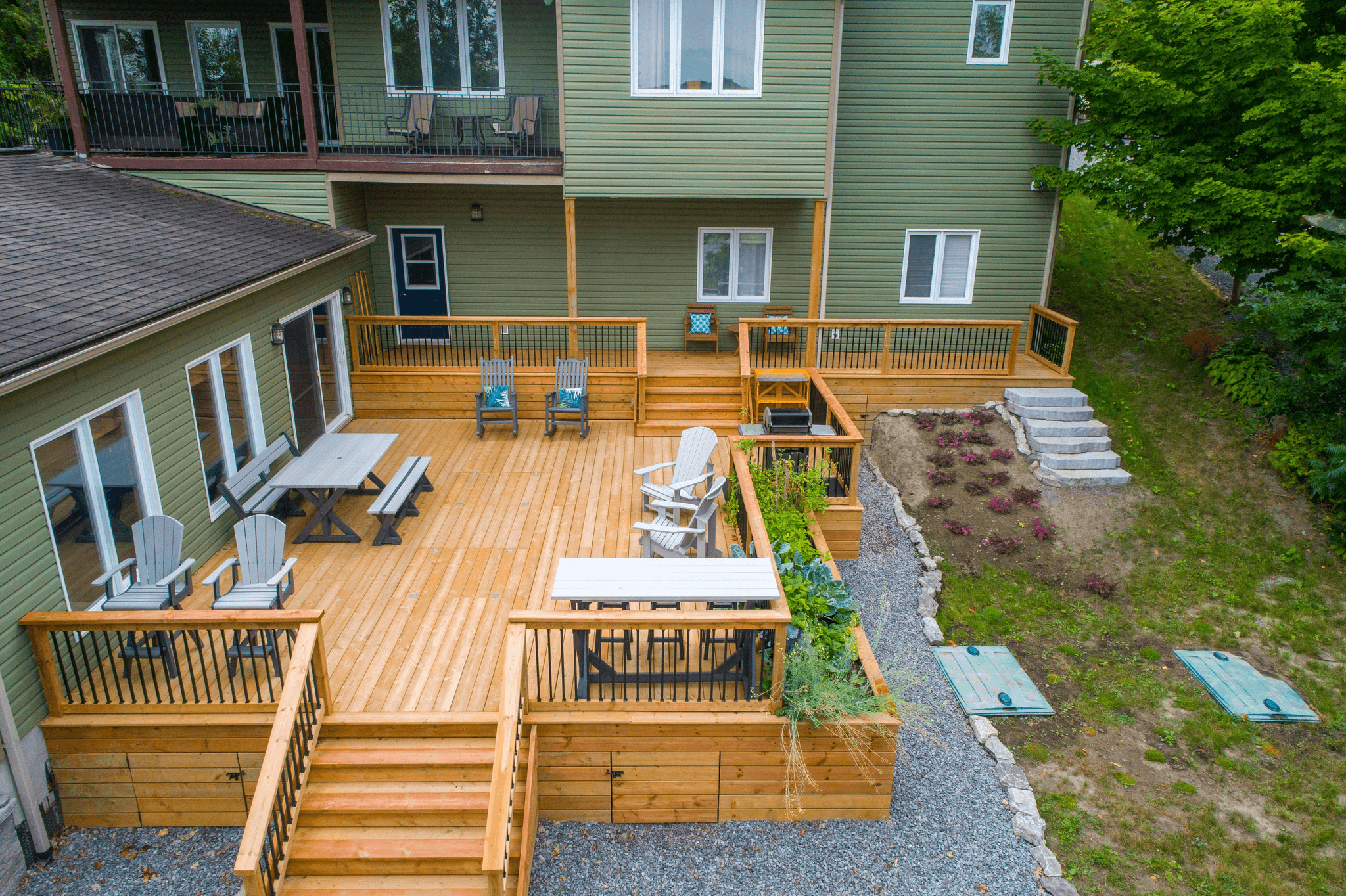
In wrapping up our exploration of deck board width, it’s clear that the choices you make can significantly influence both the aesthetics and functionality of your outdoor space. Composite decking offers a range of benefits over traditional materials, particularly in terms of durability and maintenance. Understanding how deck board width affects your project is crucial for achieving the look and performance you desire.
Key Takeaways on Deck Board Width
First and foremost, the width of your deck boards plays a pivotal role in defining the overall aesthetic appeal of your outdoor area. Wider boards can create a more modern look, while standard widths may evoke a more traditional feel—both have their place depending on your home design. Additionally, considering factors like installation ease and strength is essential when selecting between composite wood decking boards and pressure treated deck boards.
Making Informed Choices for Your Deck
When choosing decking material, it's vital to weigh the pros and cons of each option available to you. Composite lumber decking stands out due to its low maintenance needs and resistance to rot compared to traditional wood options. By prioritizing quality materials like composite decking, you ensure that your investment not only enhances visual appeal but also stands the test of time.
Enjoying a Beautiful Outdoor Space
Ultimately, creating an inviting outdoor space comes down to thoughtful planning around elements like deck board width and material choice. With composite decking options available in various widths, you can tailor your deck's appearance to suit your style perfectly while enjoying all the practical benefits they offer. So go ahead—embrace the beauty and durability of composite wood decking boards for an outdoor oasis you'll love for years to come!