
Introduction
Building a deck can be an exciting project, but one of the first questions that often arises is, How much does it cost to build a deck? Understanding deck construction costs is crucial for homeowners looking to enhance their outdoor spaces. With various materials and design options available, the price can vary significantly based on choices made throughout the planning process.
Understanding Deck Construction Costs
Deck construction costs are influenced by several factors, including material selection and labor expenses. When considering options like composite lumber decking versus traditional wood, it's essential to weigh not only the initial investment but also long-term maintenance needs. For instance, while a Trex wood deck may have a lower upfront cost, its upkeep could add up over time compared to a low maintenance deck made from composite materials.
Factors Affecting Deck Prices
Numerous factors affect deck prices beyond just material choice; labor costs and installation complexity play significant roles as well. For example, if you're in an urban area where skilled labor commands higher wages, your overall deck cost per square foot might increase substantially. Additionally, incorporating additional features such as built-in seating or decorative railings can elevate your total expense considerably.
The Rise of Composite Decking
In recent years, composite decking has gained popularity due to its durability and low maintenance requirements. Homeowners are increasingly opting for composite lumber decking because it offers the aesthetic appeal of wood without the headaches associated with traditional materials. As more people seek sustainable and long-lasting solutions for their outdoor spaces, it's no surprise that composite options like Trex are becoming household names in deck construction.
What Influences the Deck Cost?
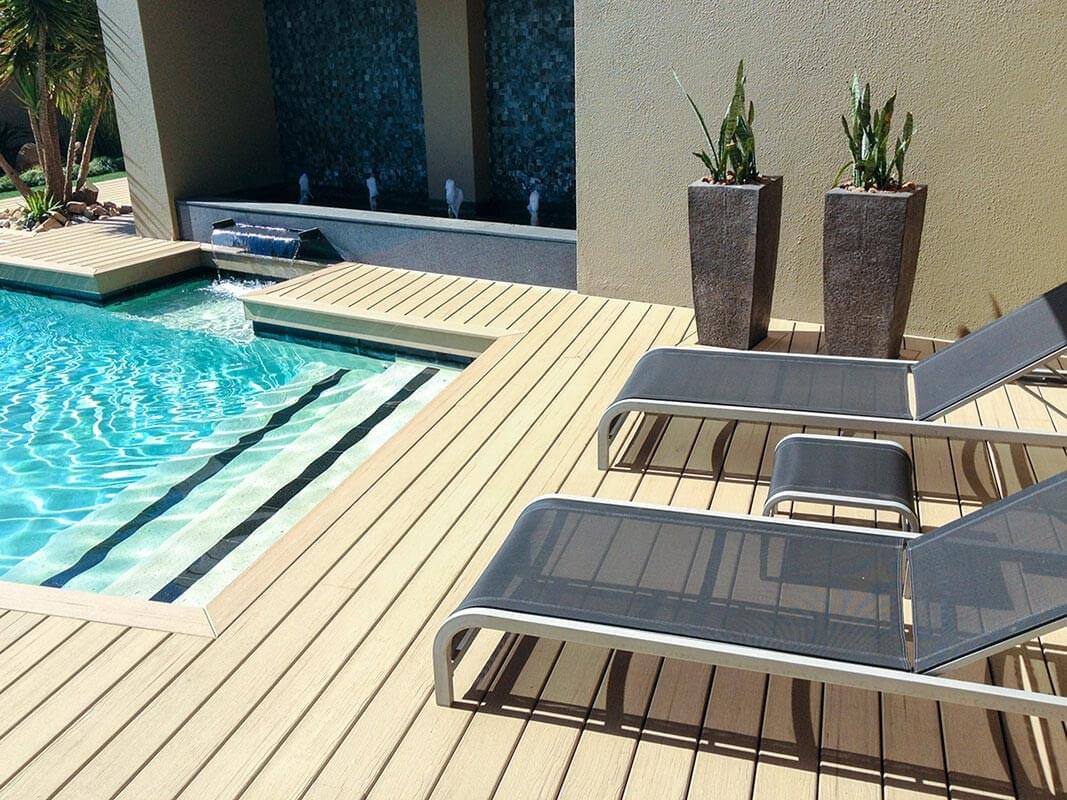
When considering how much does it cost to build a deck, several factors come into play that can significantly influence the overall price. From material choices to labor costs, understanding these elements can help you make informed decisions and avoid unexpected expenses. Let’s delve into what really drives deck construction costs.
Material Choices: Wood vs. Composite
One of the most significant decisions that will affect your deck cost is the choice between traditional wood and composite lumber decking. While a trex wood deck may be less expensive upfront, composite decking often proves to be more cost-effective in the long run due to its durability and low maintenance requirements. When evaluating how much does it cost to build a deck, consider not just initial material costs but also longevity and upkeep—composite options typically require less maintenance than their wooden counterparts.
Choosing composite lumber decking means investing in a low maintenance deck that won’t splinter or warp over time, saving you money on repairs and replacements down the road. Additionally, composite materials are available in various colors and finishes, allowing for customization without compromising quality or durability. Ultimately, while wood may seem cheaper initially, composite options often provide better value when looking at total lifetime costs.
Labor Costs and Installation Factors
Labor costs can vary widely depending on where you live and the complexity of your project, influencing your overall deck cost significantly. Hiring experienced professionals is essential for ensuring proper installation; however, this expertise comes at a price that could impact how much does it cost to build a deck in your area. DIY enthusiasts might save on labor but should consider their own skill level—poorly installed decks can lead to costly repairs later on.
Installation factors also play an important role; for instance, if you're adding features like built-in lighting or intricate railings, expect those prices to climb quickly as well. The average deck construction cost often includes labor fees that reflect local market rates—urban areas typically have higher labor rates than rural settings due to demand fluctuations. So when budgeting for your project, don’t forget to factor in these essential installation considerations.
Additional Features and Upgrades
Adding extra features can dramatically influence your overall deck cost per square foot; think about built-in seating or custom lighting options that enhance both functionality and aesthetics! While these upgrades can elevate your outdoor space's appeal, they also contribute significantly to how much does it cost to build a deck from scratch or during renovations alike. It's crucial to prioritize which features are truly necessary versus those that are simply nice-to-haves when planning your budget.
For instance, incorporating weather-resistant materials or additional support structures might seem like an added expense initially but could save you money by extending your low maintenance deck’s lifespan over time—especially if you live in an area prone to harsh weather conditions! Additionally, consider whether you'll need any special permits for certain upgrades; sometimes hidden fees arise from regulations that require inspections before installation begins!
Ultimately, understanding these influences will empower you as you move forward with building your dream outdoor oasis while keeping both aesthetics and budget in check.
Breaking Down Deck Cost Per Square Foot
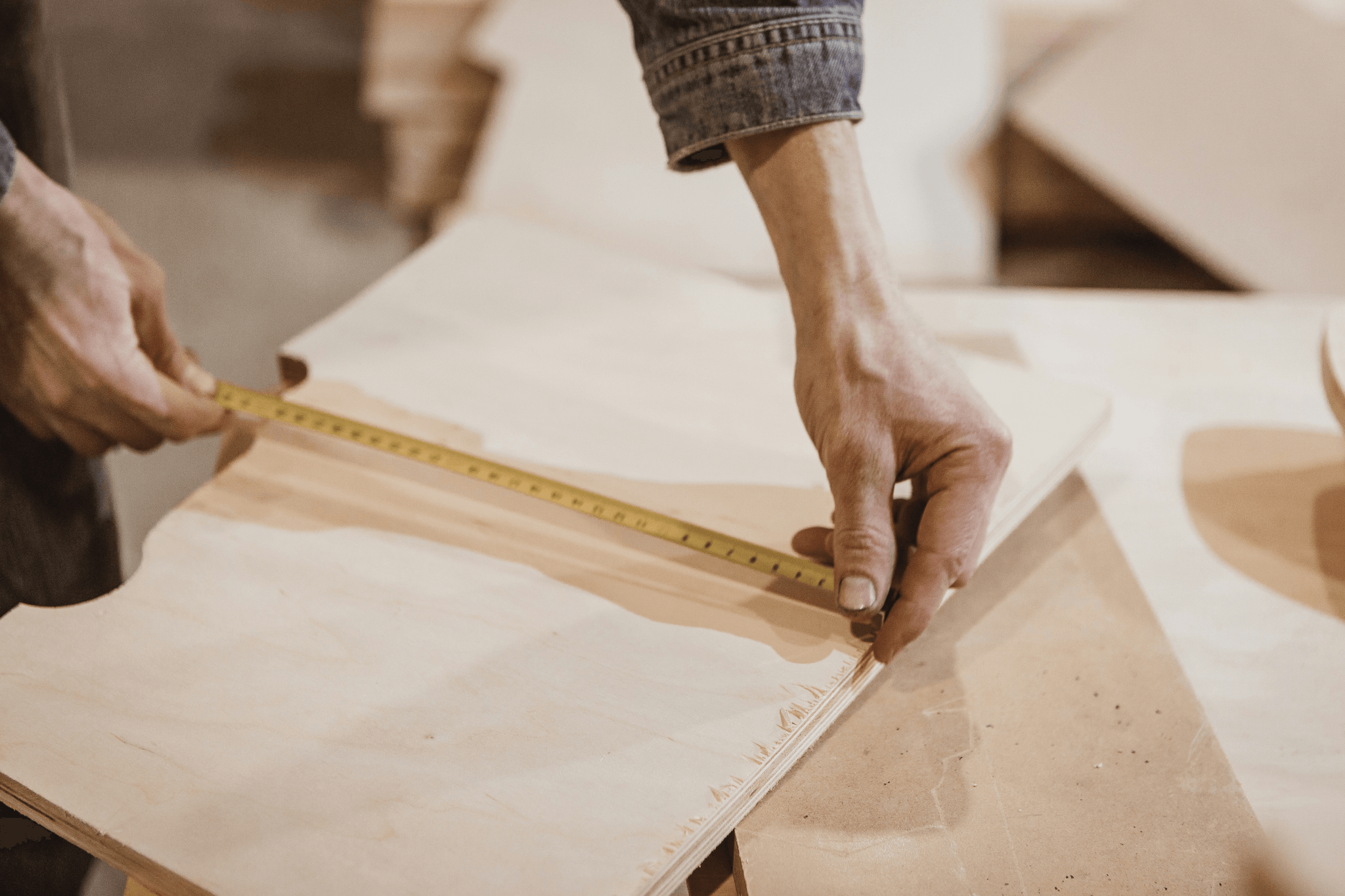
When considering how much does it cost to build a deck, understanding the cost per square foot is crucial. This metric allows homeowners to gauge the overall expense of their decking project more accurately. With various materials and designs available, it's essential to break down these costs into manageable pieces.
Average Prices for Various Deck Types
The average prices for different types of decks can vary significantly based on material choices. For instance, a traditional wood deck typically ranges from $15 to $30 per square foot, while composite lumber decking, like Trex wood deck options, can fall between $20 and $40 per square foot. When opting for a low maintenance deck made from composite materials, the initial investment may be higher but can lead to savings in upkeep over time.
Pricing Differences in Urban vs. Rural Areas
Location plays a pivotal role in determining deck construction costs as well. In urban areas where demand is high and labor costs are inflated, you might find that the deck cost per square foot can exceed those in rural regions by 10% or more. Conversely, rural areas often offer lower labor rates but may have limited access to premium materials like composite lumber decking, which could affect your choices.
How Size Impacts Overall Cost
The size of your deck directly influences the total price tag attached to your project as well. Larger decks will naturally require more materials and labor, leading to increased overall costs; however, economies of scale often come into play when building bigger structures. For instance, while a small 100-square-foot Trex wood deck might cost around $2,500-$4,000 altogether depending on features and finishes, scaling up to 400 square feet could yield a lower cost per square foot due to bulk purchasing discounts.
The Benefits of Composite Decking
When it comes to deck construction, composite lumber decking has surged in popularity, and for good reason. Homeowners are increasingly asking, How much does it cost to build a deck? and finding that composite materials offer a cost-effective solution without sacrificing quality or aesthetics. With its blend of wood fibers and recycled plastic, composite decking not only looks great but also provides durability that traditional wood options like Trex wood decks can’t always match.
Why Composite Lumber is Popular
One of the main reasons composite lumber is so popular is its versatility in design and color options. Unlike traditional wood decks that can warp or splinter over time, composite decking maintains its integrity and appearance through various weather conditions. This reliability makes it an attractive choice for homeowners who want to enjoy their outdoor spaces without constant worry about upkeep or repairs.
Moreover, the eco-friendly nature of composite materials appeals to environmentally conscious consumers looking for sustainable building solutions. By utilizing recycled materials in the manufacturing process, composite lumber reduces the demand for virgin timber while promoting responsible consumption. As more people become aware of their environmental impact, choosing deck composite decking becomes a natural choice.
Low Maintenance Deck Advantages
One significant advantage of a low maintenance deck made from composite materials is the time saved on upkeep compared to traditional wooden decks. With no need for regular staining or sealing, homeowners can spend more time enjoying their outdoor spaces rather than laboring over maintenance tasks. This ease of care translates into lower overall deck construction costs since you won't be shelling out cash for frequent treatments.
Additionally, composite decking resists fading, staining, and mold growth better than wood alternatives—making it ideal for families with active lifestyles or those who love entertaining outdoors. Imagine hosting summer barbecues without worrying about spills ruining your deck! This durability means fewer headaches down the line when considering how much does it cost to build a deck versus ongoing maintenance expenses.
Long-Term Savings with Composite Decks
While the initial investment in composite decking may seem higher than traditional wood options like Trex wood decks, it's essential to consider long-term savings when evaluating overall deck cost per square foot. The reduced need for repairs and maintenance can lead to substantial savings over time—money that could be better spent on creating lasting memories with family and friends instead of fixing up your outdoor space every season.
Another factor contributing to long-term savings is the lifespan of composite materials; they often last significantly longer than untreated wood products due to their resistance against rot and insect damage. This longevity means fewer replacements throughout your lifetime as compared to wooden decks that may require complete replacement every decade or so due to wear and tear issues. In essence, investing in a low maintenance deck made from quality composite lumber not only enhances your outdoor experience but also proves wise financially.
Hidden Costs in Deck Construction
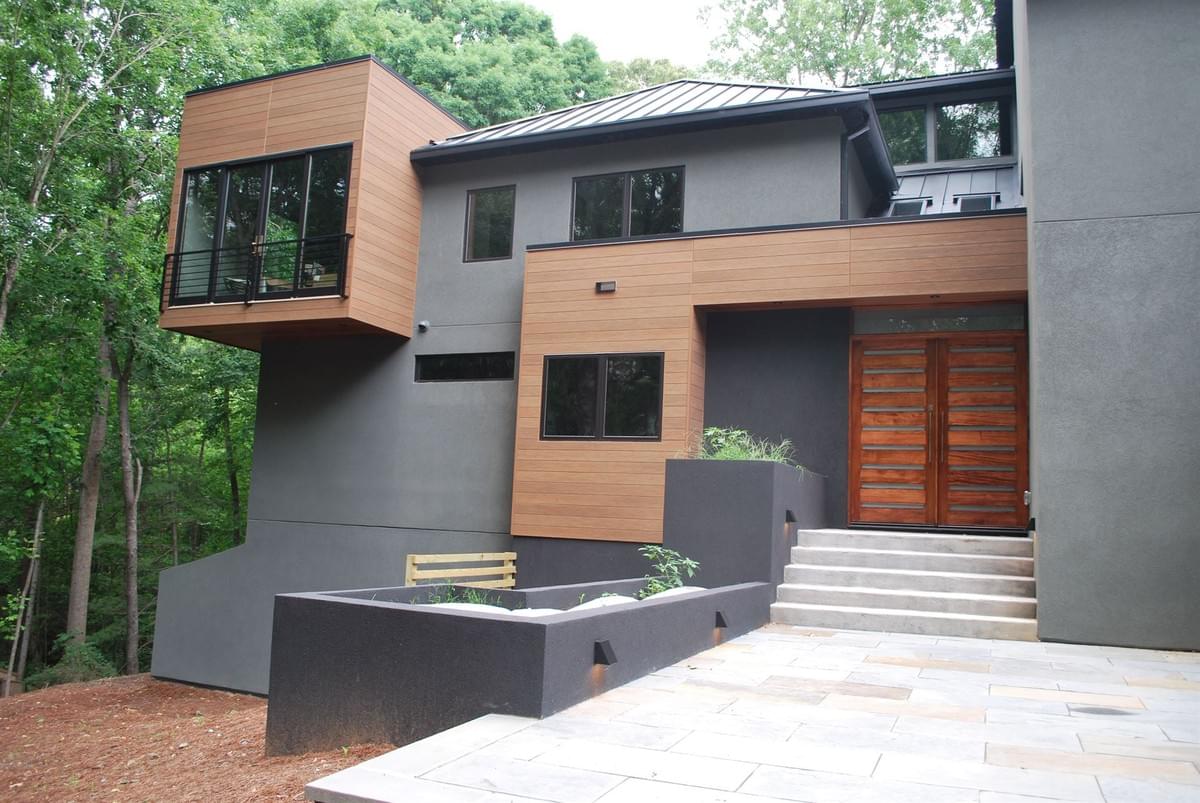
When planning your dream deck, it’s easy to get swept away by the visible costs of materials and labor. However, hidden costs can add up quickly and throw off your budget. Understanding these hidden expenses is crucial to accurately estimate how much it will cost to build a deck that meets your needs.
Permits and Regulations
Before you even pick out composite lumber decking or decide on a Trex wood deck design, you need to consider the necessary permits and local regulations. Depending on where you live, building codes may require specific permits for deck construction, which can vary significantly in cost. These fees are often overlooked but can range from a few hundred dollars to over a thousand, depending on your location and the complexity of your project.
Additionally, some neighborhoods have strict homeowners' association (HOA) guidelines that dictate what materials you can use or how high your deck can be built. Failing to comply with these regulations not only leads to fines but could also result in costly modifications later on. Therefore, before diving into the fun part of selecting materials like low maintenance decks or composite decking options, ensure you're fully aware of any legal requirements.
Maintenance and Repair Considerations
While composite decking is often marketed as a low maintenance option compared to traditional wood decks, it's essential to understand that no deck is entirely maintenance-free. Over time, all decks will require some level of upkeep—whether it’s cleaning debris or occasional repairs due to wear and tear from weather elements. Even if you choose high-quality materials like Trex wood decks known for durability, budgeting for future maintenance is crucial when calculating overall deck construction costs.
Moreover, different types of decking have varying lifespans and associated repair costs; composite lumber decking might need less frequent repairs than wood options but could still incur expenses over its lifetime. It’s wise to factor in these potential costs when determining your total deck cost per square foot so you're not caught off guard later on by unexpected bills for repairs or replacements.
Impact of Weather on Deck Longevity
Weather plays a significant role in determining the longevity of any outdoor structure—including your new deck—so it’s vital to consider its impact when assessing overall construction costs. In areas prone to extreme weather conditions like heavy rain or snow, even the most durable low maintenance decks may require additional reinforcements or treatments that add extra dollars onto your initial budget.
Furthermore, fluctuations in temperature can cause expansion and contraction in certain materials; this means that choosing cheaper options might lead you down an expensive path if repairs become necessary sooner than anticipated due to environmental stressors. To avoid surprises down the road regarding how much does it cost to build a deck that withstands local climate conditions effectively, take time during planning stages for potential weather-related expenses.
Budgeting for Your Dream Deck
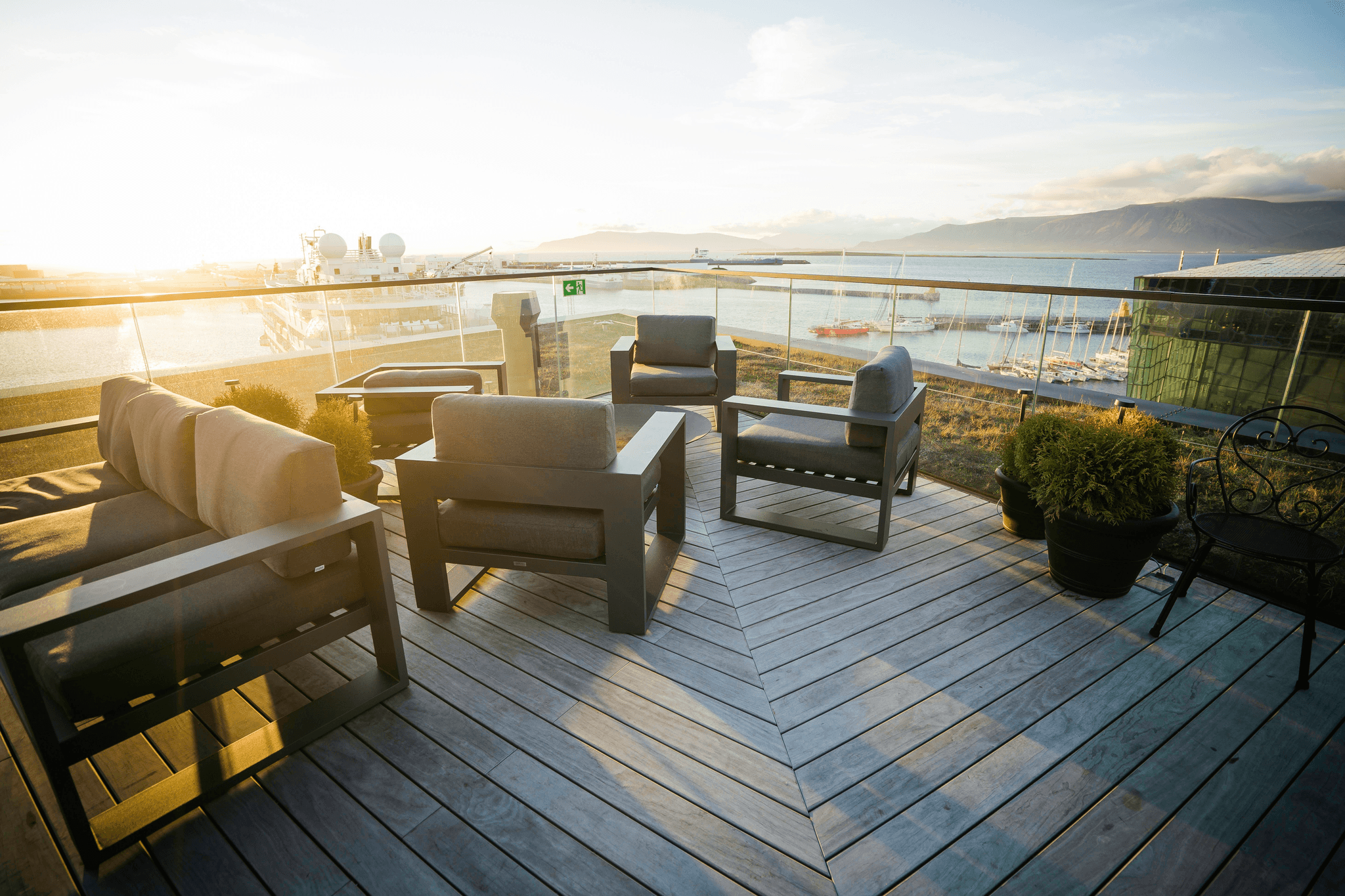
Building your dream deck is an exciting journey, but it’s essential to approach the process with a clear budget in mind. Understanding how much does it cost to build a deck can help you avoid any financial surprises along the way. By breaking down costs and setting realistic expectations, you can create a stunning outdoor space without breaking the bank.
Setting Realistic Expectations
When contemplating your deck construction cost, it's crucial to set expectations that align with your budget and vision. Consider factors like size, materials, and design complexity—these will all influence your overall deck cost per square foot. Remember that while composite lumber decking might have a higher upfront cost compared to traditional wood options, its longevity often justifies the investment over time.
Where to Save and Where to Splurge
Deciding where to save and where to splurge can make or break your budget for a low maintenance deck. For instance, opting for a Trex wood deck could be worth the extra investment due to its durability and aesthetic appeal, while choosing simpler railings or lighting features might allow you some wiggle room in other areas of your project. Balancing these decisions will ensure you get the best value without compromising on quality.
Using PreFab Inc. for Cost-Effective Solutions
One great way to manage your deck construction cost is by utilizing resources like PreFab Inc., which offers innovative solutions that can streamline building processes without sacrificing quality. Their pre-fabricated components are designed specifically for composite decking projects, making installation quicker and more efficient—ultimately saving you money on labor costs too! By leveraging such options, you’ll be well on your way toward creating an affordable yet stylish outdoor oasis.
Conclusion

Building a deck is more than just a home improvement project; it's an investment in your property and lifestyle. Understanding the various factors that contribute to deck construction costs, including materials, labor, and additional features, can help you make informed decisions. Whether you're leaning toward composite lumber decking or traditional wood options like Trex wood deck, quality matters.
The Value of Investing in Quality
When considering how much it costs to build a deck, remember that opting for higher-quality materials can save you money in the long run. Composite lumber decking may have a higher initial price but offers durability and low maintenance compared to traditional wood options. Investing in quality not only enhances your outdoor space but also increases your home’s value.
Planning Your Deck Budget Effectively
To effectively plan your budget for a new deck, start by determining your overall financial limits and what features you truly want. Knowing the average deck cost per square foot can help you gauge how much space you can afford while still including essential elements like railings or built-in seating. Remember to factor in hidden costs such as permits and potential maintenance when budgeting for your dream low maintenance deck.
Making Informed Choices on Materials
Choosing between different materials is crucial when deciding on your ideal deck design; each option comes with its own set of pros and cons regarding cost and upkeep. While composite decking provides longevity with minimal maintenance needs, traditional wood may require more frequent repairs but offers a classic aesthetic appeal. By weighing these choices carefully, you'll ensure that the final decision aligns with both your budget constraints and lifestyle preferences.