
Introduction
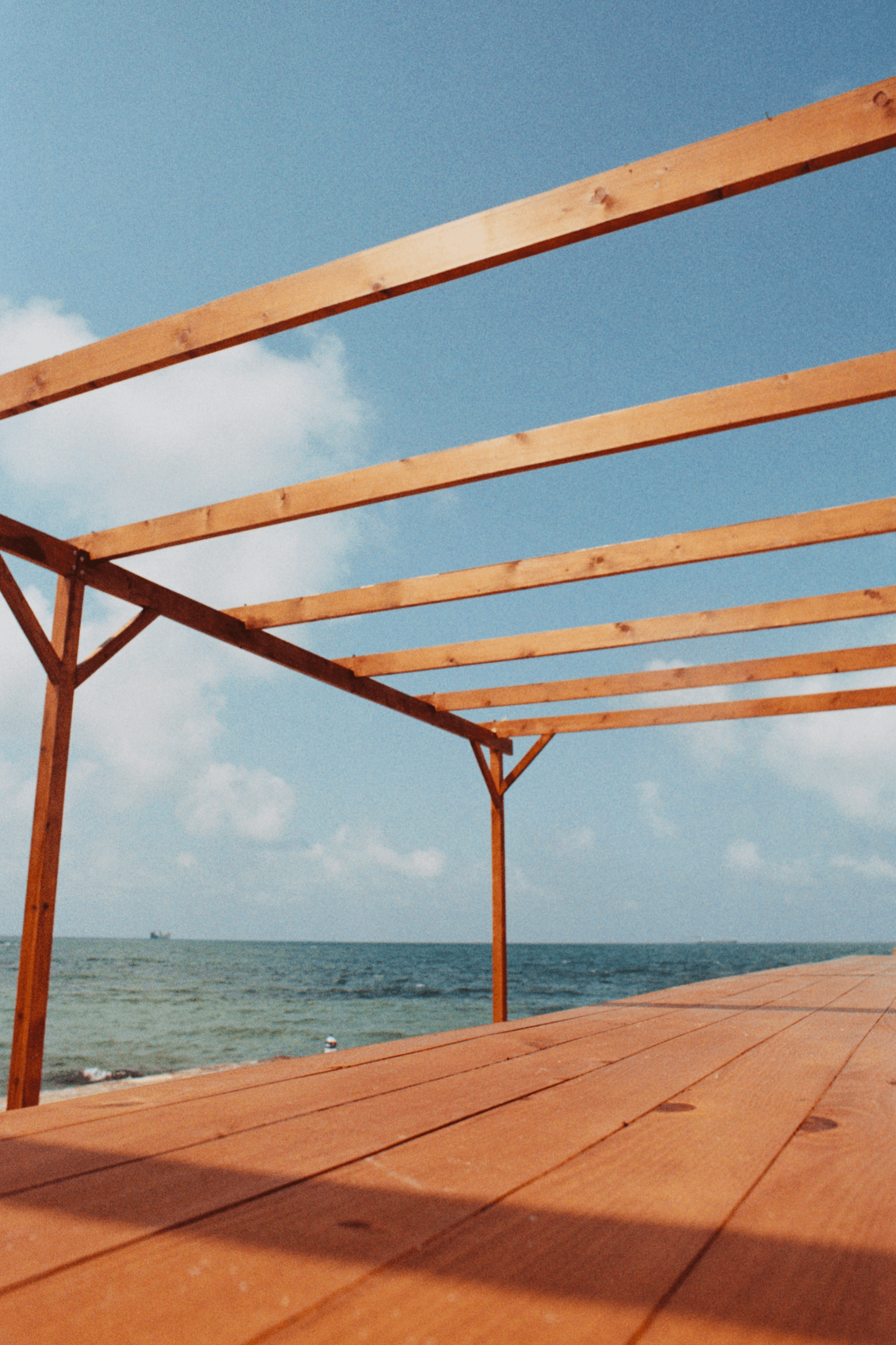
A well-constructed deck not only enhances the aesthetic appeal of your home but also ensures safety and longevity. This deck framing guide will help you navigate through essential concepts like choosing the right deck materials, understanding various framing techniques, and even adding stylish outdoor lighting to elevate your space.
Why Deck Framing Matters
Deck framing serves as the backbone of your outdoor structure, providing stability and support for years to come. Without proper framing techniques, even the most beautiful deck ideas can quickly become a safety hazard. Understanding why deck framing matters allows you to prioritize quality in both design and construction, ensuring your investment stands the test of time.
Choosing the Right Deck Materials
Selecting suitable deck materials is crucial for achieving both durability and aesthetic appeal in your outdoor space. Whether you opt for traditional treated wood for decks or modern composite decking options, each material has its unique benefits and considerations. By carefully evaluating your choices, you can create a stunning yet functional area that complements your home’s style while meeting your lifestyle needs.
Enhancing Your Deck with Outdoor Lighting
Outdoor lighting can transform an ordinary deck into an enchanting evening retreat where memories are made under twinkling stars. Thoughtful placement of lights not only enhances safety but also highlights architectural features of your decking design. By incorporating stylish outdoor lighting solutions into your plan, you'll create an inviting atmosphere that extends the usability of your space long after sunset.
Essential Tools for Deck Framing

Must-Have Equipment for Success
To kick off your deck framing journey, you'll need some fundamental tools that are non-negotiable for success. First on the list is a quality circular saw; it's essential for making precise cuts in treated wood for decks or composite decking materials. Next up is a sturdy level—because no one wants a wobbly deck! Additionally, investing in a good framing square will ensure your angles are perfect, while a tape measure helps you keep everything in line with your design ideas.
Don’t forget about the power drill; it’s crucial for securing connections and fastening components together seamlessly. A set of clamps can also be handy to hold pieces in place while you work on those tricky joist connections. If you're serious about maximizing efficiency during installation, consider adding a pneumatic nail gun to your toolkit—it speeds up the process without sacrificing quality.
Safety Gear You Shouldn’t Skip
Safety should always be at the forefront of any construction project—especially when working with heavy materials like treated wood or composite decking. Start with protective eyewear to shield your eyes from flying debris as you cut and drill through various deck materials. Ear protection is also vital; power tools can get loud enough to make you question why you ever thought this was a good idea!
Don’t overlook gloves designed for grip and protection against splinters or sharp edges from both wood and metal components of your frame. Steel-toed boots will provide an extra layer of safety when moving heavy items around your workspace; trust us, your toes will thank you later! Lastly, consider wearing knee pads if you're going to be kneeling on hard surfaces while installing those beautiful outdoor lighting fixtures or built-in seating arrangements.
Understanding Deck Framing Techniques
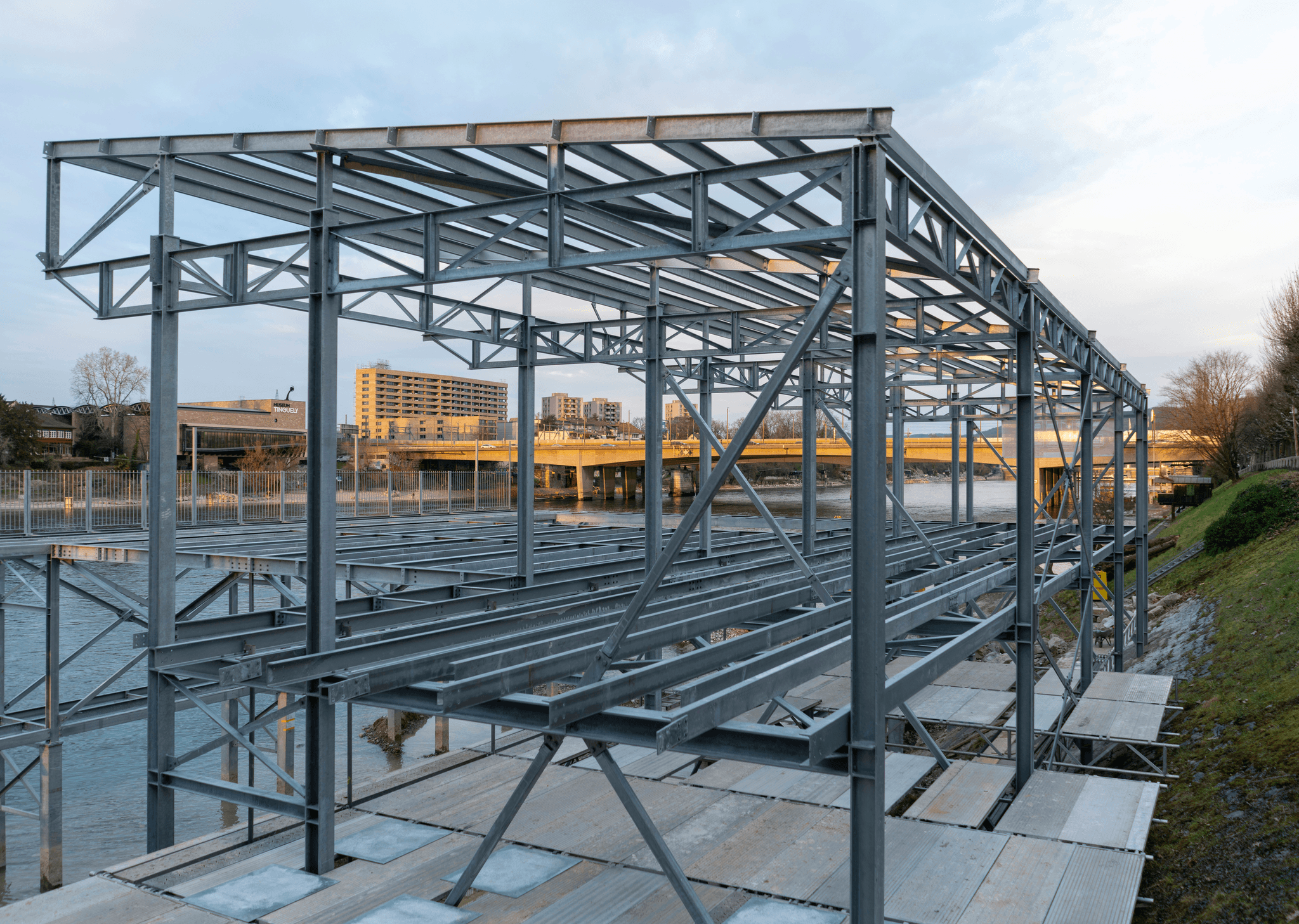
A solid deck framing guide can help you navigate the complexities of construction, ensuring that your outdoor space stands the test of time. Whether you're using treated wood for your deck or exploring composite decking options, mastering these techniques will elevate your project.
Basic Principles of Deck Framing
At its core, deck framing involves creating a robust structure that supports the weight and use of your outdoor space. The basic principles include understanding load distribution, selecting appropriate materials, and ensuring proper spacing between joists. By adhering to these fundamentals, you'll create a strong foundation that can withstand various weather conditions while also allowing for stunning outdoor lighting features.
Choosing quality deck materials is essential in this process; whether you opt for treated wood or composite decking, ensure they meet local building codes and standards. Remember to factor in the overall design of your deck ideas while planning the framework—this will guide you in determining dimensions and layout effectively. Ultimately, a well-framed deck not only enhances aesthetics but also provides safety and longevity.
Common Framing Patterns Explained
Deck framing isn't just about strength; it's also about style! Common framing patterns like cantilevered decks or diagonal bracing add both stability and visual interest to your structure. Understanding these patterns allows you to customize your design based on how you plan to use your outdoor space—whether it’s hosting summer barbeques or simply relaxing under some twinkling outdoor lighting.
For instance, a standard rectangular pattern may be perfect for traditional layouts, while an L-shaped pattern could enhance functionality by creating distinct zones within the same area. If you're leaning towards multi-level decks from our earlier section on creative deck ideas, knowing how to implement these patterns effectively becomes even more critical as they impact both aesthetics and structural integrity.
Tricks for Stronger Joist Connections
Now that you've got a grasp on basic principles and patterns let’s dive into some tricks for stronger joist connections—because nobody wants their beautiful new deck sagging after one season! One effective method is using metal brackets or hurricane ties; they provide added support at connection points where joists meet beams or other joists.
Additionally, always pre-drill holes before driving screws into treated wood for decks; this minimizes splitting while ensuring secure connections that withstand heavy loads over time. Don’t forget about proper spacing; maintaining consistent distances between joists helps distribute weight evenly across the frame—essential knowledge when selecting both treated wood for decks and composite decking options!
Selecting Treated Wood for Your Deck
When it comes to deck framing, selecting the right materials is crucial, and treated wood stands out as a top choice. Treated wood is specifically designed to withstand the elements, making it ideal for outdoor settings where moisture and pests are a concern. Utilizing treated wood for your deck not only enhances its longevity but also provides a sturdy foundation for your outdoor lighting features and other design elements.
Benefits of Treated Wood
The benefits of using treated wood in your deck framing guide are numerous. First off, treated wood undergoes a preservation process that makes it resistant to rot, insects, and decay—perfect for those unexpected rain showers or pest invasions! Additionally, this type of wood tends to be more cost-effective than some composite decking options while still offering durability that can last for years when properly maintained.
Another perk is the versatility of treated wood; it's easy to work with and can be stained or painted to match any deck ideas you might have in mind. Whether you’re looking for a rustic finish or something more modern, treated wood can adapt beautifully while providing structural integrity. Plus, its natural beauty adds an organic touch that complements outdoor lighting designs perfectly.
Best Types of Treated Wood for Durability
Not all treated woods are created equal when it comes to durability in deck applications. Southern yellow pine is one popular option due to its strength and affordability; however, if you're aiming for something even tougher against the elements, consider using Douglas fir or cedar which naturally resist moisture better than many alternatives. Each type has unique characteristics that may fit different styles or budgets—so it's worth exploring your choices!
For those who want peace of mind regarding longevity, pressure-treated lumber is often recommended as it undergoes rigorous treatments that enhance its lifespan dramatically compared to untreated varieties. When selecting your treated wood for deck framing projects, always check local building codes and recommendations from reputable deck companies; they can guide you toward the best options available in your area.
How to Maintain Treated Wood
Maintaining treated wood doesn’t have to be a chore—think of it as nurturing your investment! Regular cleaning with soap and water will help prevent mildew buildup while allowing you to keep an eye on any signs of wear over time. It's also wise to reapply sealant every couple of years; this keeps moisture at bay and retains the rich color that makes your deck pop among outdoor lighting features.
Another key aspect is inspecting the structure periodically for any loose boards or signs of damage; early detection can save you from costly repairs down the line! If you notice any areas needing attention—like splintering or warping—address them promptly before they escalate into bigger problems that could compromise your entire decking project.
Finally, remember that while composite decking may seem low-maintenance by comparison, nothing beats the warmth and charm of natural materials like treated wood in creating inviting spaces filled with character—and let’s face it: who doesn’t love lounging on a well-crafted deck?
Exploring Composite Decking Options
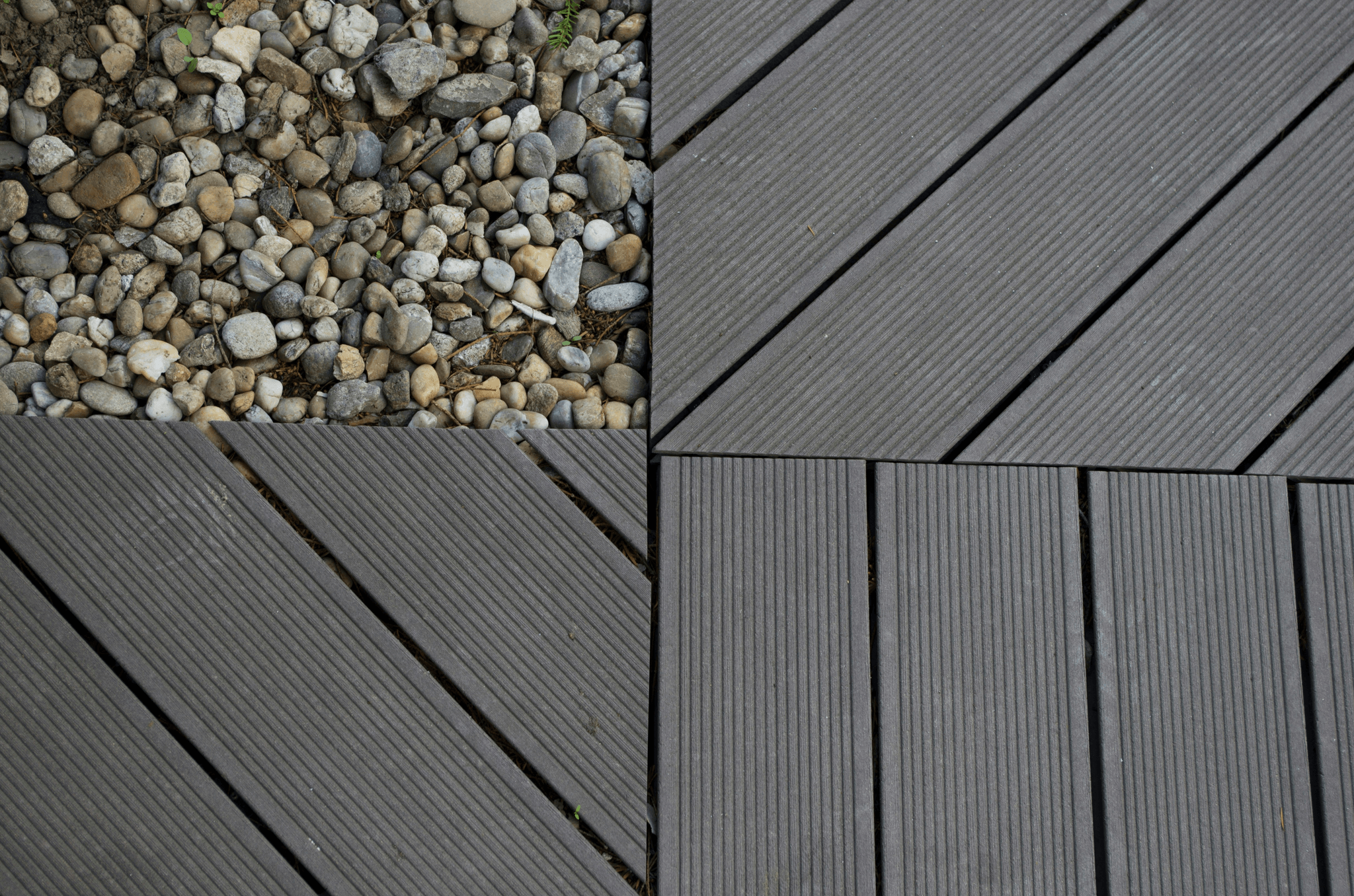
When it comes to deck materials, composite decking has gained immense popularity among homeowners and builders alike. This innovative material combines wood fibers with recycled plastics, resulting in a durable and low-maintenance option that stands the test of time. In this section of our deck framing guide, we'll dive into the advantages of composite decking, highlight top brands, and explore its environmental benefits.
Advantages of Composite Decking
One of the standout features of composite decking is its resistance to rot and insect damage, making it an excellent alternative to traditional treated wood for decks. Homeowners appreciate that composite materials don't splinter or require regular staining or sealing like wood does—saving both time and money in maintenance costs. Plus, with a variety of colors and textures available, you can easily find a style that complements your outdoor lighting setup perfectly.
Another significant advantage is the longevity of composite decking; many products come with warranties lasting 25 years or more. This durability means you can enjoy your outdoor space without worrying about frequent repairs or replacements—ideal for those who love hosting summer barbecues or relaxing evenings under the stars. Additionally, since composite decking is made from recycled materials, it offers an eco-friendly choice for environmentally conscious consumers looking to enhance their outdoor spaces.
Finally, safety is a major consideration when selecting deck materials. Composite decking typically features slip-resistant surfaces that make it safer for children and pets during wet conditions—a crucial factor when planning your deck ideas around family gatherings or summer parties.
Top Brands Like Composite Decking Inc
When considering which brand to choose for your composite decking needs, several reputable names stand out in the market. Companies such as Trex and TimberTech have built solid reputations for quality products that consistently deliver on durability and aesthetics. These brands often provide extensive resources on installation techniques as part of their commitment to helping customers navigate their deck framing guide effectively.
Composite Decking Inc is another noteworthy option known for its innovative designs and competitive pricing—perfect if you're looking to balance quality with budget constraints while planning your new deck project. Other notable brands include Fiberon and Azek; each offers unique features tailored to different preferences regarding color options and texture finishes.
Regardless of which brand you choose, it's essential to read reviews from other customers who have installed these products before making a decision—this will help ensure you're selecting the best fit for your specific outdoor lighting needs as well as overall design goals.
Environmental Benefits of Composite Materials
One major reason homeowners are turning towards composite decking is its positive impact on the environment compared to traditional treated wood options. Since many manufacturers use recycled plastics in their products, choosing composite means reducing waste while conserving natural resources essential for producing new lumber—a win-win situation! Plus, unlike treated wood—which often involves harmful chemicals during production—composite materials are generally free from toxic substances harmful to both humans and wildlife.
Furthermore, opting for recycled materials contributes significantly toward reducing deforestation rates associated with harvesting timber needed for conventional decks; this aligns well with sustainable living practices many people embrace today. By investing in environmentally friendly deck solutions like composite options available through various reputable companies featured in our deck framing guide, you're not just improving your property but also contributing positively toward preserving our planet's resources.
In summary, exploring all aspects related to composite decking—from advantages over treated wood options down through environmental benefits—is crucial when planning any new outdoor space renovations or installations this season!
Creative Deck Ideas to Inspire You
Creating a deck is more than just laying down some boards; it’s about crafting an outdoor oasis that reflects your style and meets your needs. A well-thought-out deck design can transform your backyard into a functional space for relaxation, entertainment, or family gatherings. In this section of our deck framing guide, we’ll explore some creative ideas that will inspire you to elevate your outdoor living experience.
Designing Functional Outdoor Spaces
When designing functional outdoor spaces, consider how you plan to use the deck throughout the year. Whether you're hosting summer barbecues or enjoying quiet evenings under the stars with outdoor lighting, your layout should accommodate these activities seamlessly. Incorporating versatile furniture and thoughtful arrangements can maximize usability while ensuring comfort—think about how treated wood for decks can provide a solid foundation for various setups.
To enhance functionality further, think about adding zones within your deck design. For instance, create areas dedicated to dining, lounging, or even cooking if you have a grill station. Utilizing composite decking materials can also help define these spaces while providing durability against weather elements.
Incorporating Built-In Seating and Planters
Built-in seating is not only space-efficient but also adds an inviting touch to any deck design. Imagine cozy benches flanking a fire pit or tucked into corners—these features encourage conversation and relaxation without taking up too much room on your deck framing layout. Pairing built-in seating with planters filled with vibrant flowers or herbs can create a lush atmosphere that beckons you outside.
Using treated wood for decks ensures that these installations are not only beautiful but also long-lasting against the elements. You might even consider integrating storage solutions within benches to keep cushions or outdoor games neatly tucked away when not in use. This clever combination of functionality and aesthetics will make your space feel like an extension of your home.
Ideas for Multi-Level Decks
Multi-level decks offer dynamic visual interest and practical benefits by creating distinct areas for different activities—all while maximizing the available space in your yard! By incorporating steps and varying heights, you can guide guests through different zones; perhaps one level is dedicated to dining while another serves as a sunbathing retreat complete with comfy loungers. This layered approach allows for creativity in using various deck materials, including both treated wood and composite decking options.
When planning multi-level designs, don’t forget about safety features such as railings or lighting along staircases to ensure easy navigation after dark—outdoor lighting plays a crucial role here! These levels also provide opportunities for unique landscaping features like tiered gardens or water features that complement the overall aesthetic of your outdoor sanctuary.
By implementing these creative ideas into your deck plans, you'll be well on your way to creating an inspiring space that reflects both functionality and style—perfectly suited for entertaining friends or enjoying quiet moments alone.
Conclusion
In wrapping up our deck framing guide, it's essential to remember that a well-constructed deck can transform your outdoor space into a personal oasis. Whether you're opting for treated wood for your deck or exploring the advantages of composite decking, each choice plays a crucial role in the overall success of your project. With the right tools, techniques, and ideas, you can create an inviting area that enhances your home while providing a perfect spot for relaxation and entertainment.
Tips for Successful Deck Installation
Successful deck installation begins with thorough planning and preparation—after all, no one wants their dream deck to turn into a nightmare! Take time to select quality deck materials that suit both your aesthetic preferences and durability needs. Additionally, consider incorporating outdoor lighting to elevate the ambiance; it not only enhances safety but also allows you to enjoy your new space long after sunset.
Finding the Right Deck Company
Choosing the right deck company is critical for ensuring that your vision becomes reality without unnecessary headaches. Look for companies with solid reputations and positive reviews—ask around or check online forums dedicated to home improvement projects. A knowledgeable team will help you navigate through options like treated wood for decks versus composite decking while providing valuable insights on design ideas tailored to your property.
Final Thoughts on Your Deck Framing Guide
From unique deck ideas featuring built-in seating and planters to multi-level designs that maximize space, there's something for everyone. Ultimately, investing time in quality materials and professional assistance will pay off in spades as you enjoy countless moments on your beautiful new deck.