
Introduction
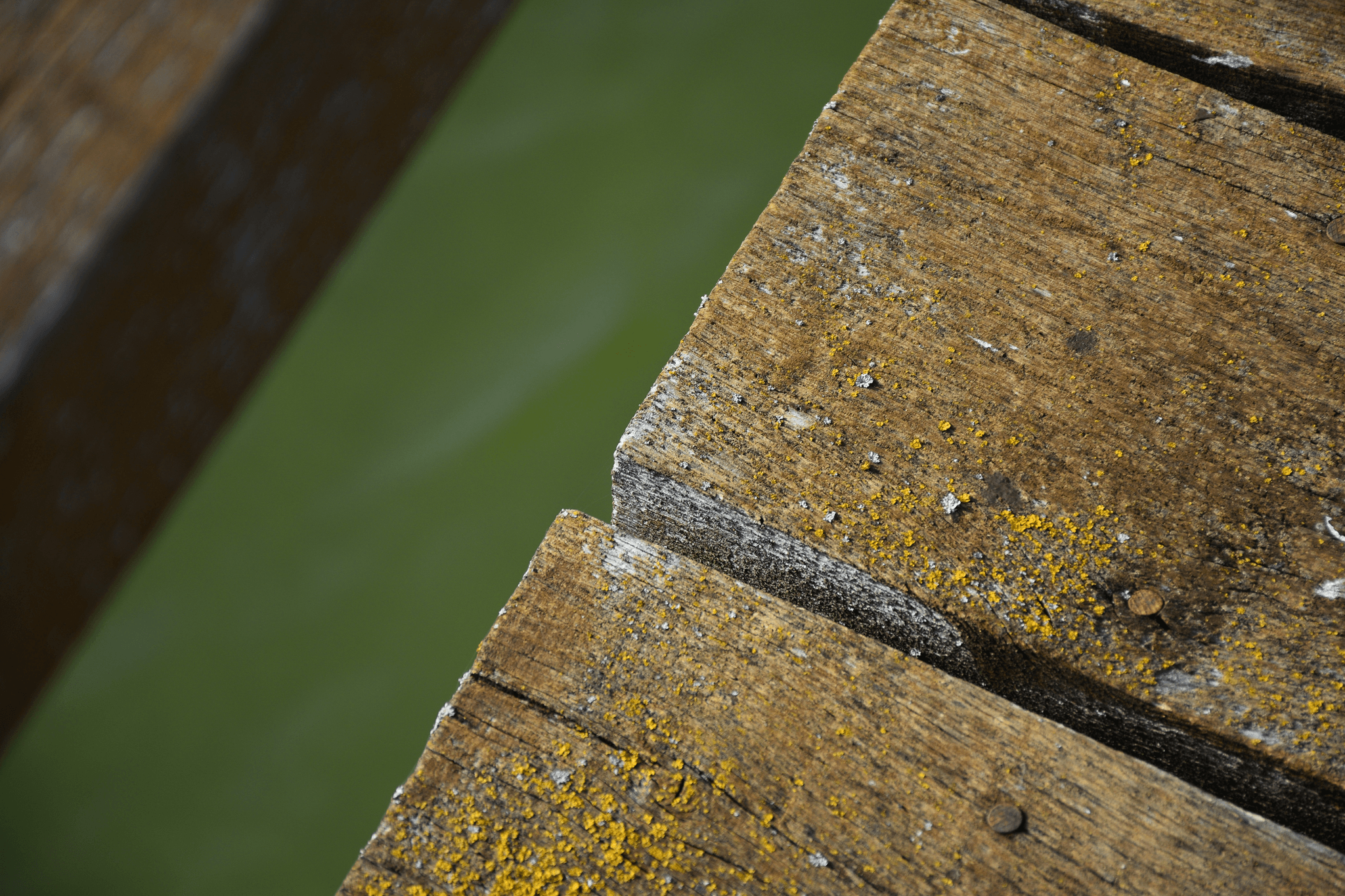
Every deck owner knows the joy of lounging on a sunny afternoon, but lurking in the shadows is mold, a deck's worst enemy. Mold doesn’t just ruin the aesthetics; it can compromise the structural integrity of your beloved outdoor space. To keep your deck looking its best and safe for gatherings, learning how to effectively remove mold from deck surfaces is essential.
Why Mold is a Deck's Worst Enemy
Mold thrives in damp environments, making decks particularly susceptible due to exposure to moisture and organic materials. Not only does it create unsightly patches that detract from your deck’s beauty, but it can also lead to slippery surfaces that pose safety hazards. The longer you let mold linger, the deeper it penetrates into your decking materials, making removal increasingly difficult and costly.
The Importance of Safe Cleaning Methods
When tackling mold removal, opting for safe cleaning methods is crucial for both your health and the environment. Many traditional cleaners contain harsh chemicals that can harm nearby plants and wildlife or even affect your family’s well-being. By choosing eco-friendly deck cleaning solutions, you not only protect your surroundings but also ensure that your deck remains a safe place for relaxation and entertainment.
Overview of Effective Deck Cleaning Solutions
To effectively remove mold from decks without causing damage, selecting the right deck cleaner is key. Look for products specifically designed to tackle mold while being gentle on wood or composite materials—this ensures longevity after cleaning. In addition to commercial options, natural alternatives like vinegar or baking soda can be effective solutions when combined with proper scrubbing techniques during deck washing and staining processes.
Understanding Mold Growth on Decks
Mold growth on decks is not just an eyesore; it can lead to significant structural damage if left unchecked. Understanding how and why mold thrives in these outdoor spaces is key to preventing infestations and maintaining the longevity of your deck. By recognizing the factors that promote mold growth, identifying the types of mold that may invade your deck, and knowing the signs of infestation, you can take proactive steps to remove mold from your deck effectively.
Factors That Promote Mold
Mold loves damp, shaded areas—so if your deck is surrounded by trees or has a lot of furniture that traps moisture, you're setting up a perfect breeding ground for this unwelcome guest. Humidity levels play a crucial role as well; high humidity can create an environment where mold spores flourish. Additionally, organic materials like wood provide nutrients for mold, making untreated wooden decks particularly susceptible unless you use a good deck cleaner regularly.
Identifying Different Types of Mold
There are various types of mold that could potentially invade your deck, each with its own characteristics and colors. Common culprits include black mold (Stachybotrys), which appears dark green or black and can be harmful to health; green mold (Cladosporium), often found on damp surfaces; and white powdery mildew that indicates moisture issues. Knowing these different types helps you choose the right deck cleaning solution tailored to combat specific molds effectively.
Recognizing the Signs of Mold Infestation
Look out for discoloration—faded patches or dark spots are usually indicative of a problem lurking beneath the surface. Other signs include a musty smell around your deck area or slippery surfaces caused by accumulated algae or mildew; both suggest it's time to roll up those sleeves and remove mold from your deck before it worsens.
Preparing for Deck Cleaning
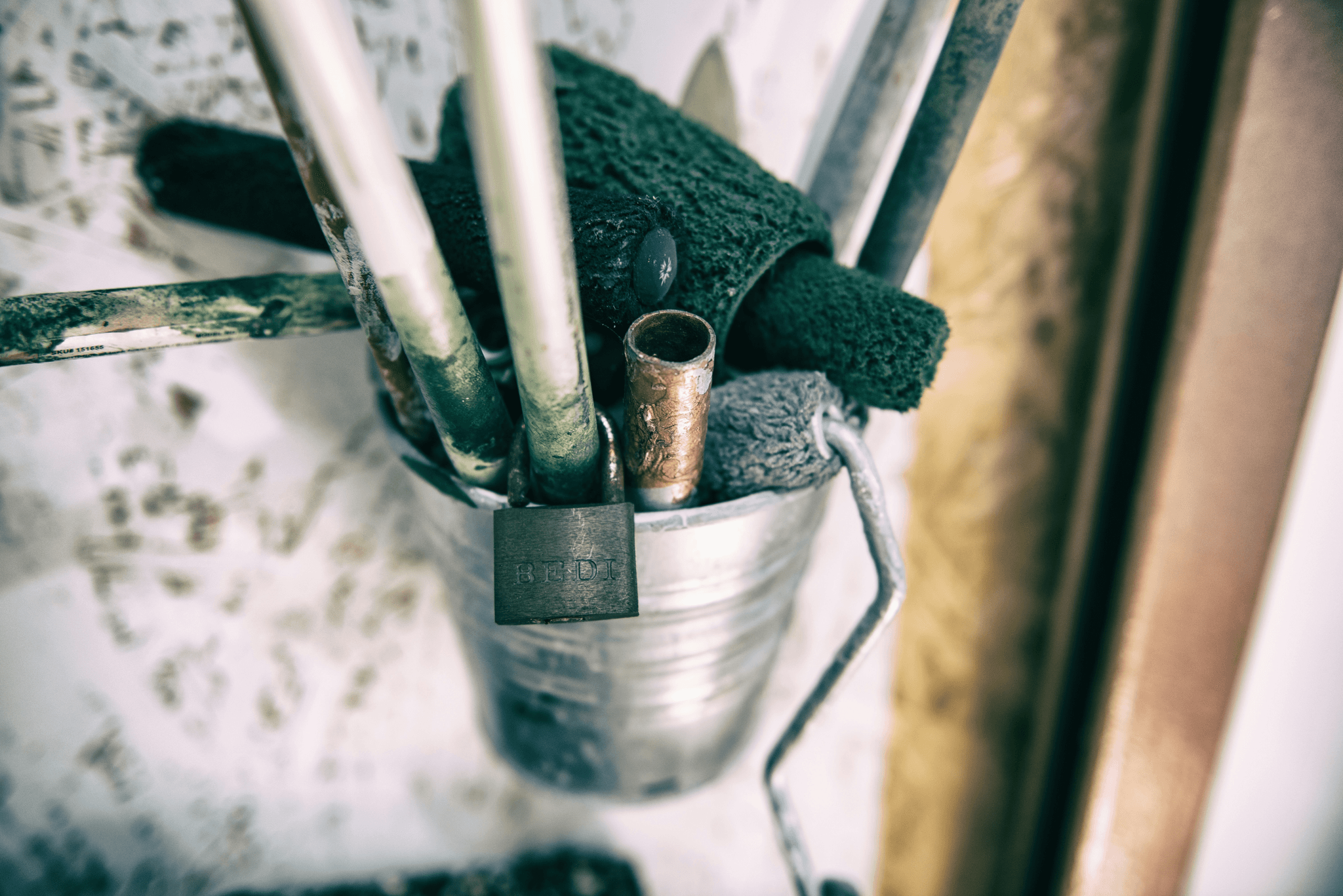
Before diving into the world of deck cleaning, it’s crucial to prepare adequately. This preparation ensures that you have everything you need to effectively remove mold from your deck without causing damage. Let’s break down the essential steps to get your deck ready for a thorough wash.
Gathering the Right Tools
First things first, let’s talk tools! To successfully remove mold from your deck, you'll need a few key items: a sturdy broom or brush with stiff bristles, a bucket, and a garden hose or pressure washer for rinsing. Don’t forget gloves and safety goggles; they’re your best friends when dealing with potent deck cleaning solutions that can be tough on skin and eyes.
Additionally, having a sponge or cloth on hand can help you tackle those stubborn spots where mold likes to hide. If you're planning on doing some serious scrubbing, consider investing in a long-handled scrub brush to save your back from unnecessary strain. With the right tools gathered, you're well on your way to achieving that sparkling clean look!
Choosing a Safe Deck Cleaner
Now that you've got your tools ready, it’s time to select an appropriate deck cleaner. The ideal deck cleaning solution should be tough on mold but gentle on the environment—after all, we want our decks clean without harming Mother Nature! Look for biodegradable options or those specifically labeled as safe for plants and pets; this way, you can rest easy knowing you’re not wreaking havoc in your backyard.
When evaluating different products, check the labels for effectiveness against various types of mold and mildew while ensuring they are compatible with your decking material—wood and composite may require different formulations. Remember: using the right deck cleaner is essential not only for effective removal but also for maintaining the integrity of your surface during deck washing and staining.
Protecting Surrounding Plants and Surfaces
Before unleashing that powerful deck cleaning solution onto your beloved outdoor space, take a moment to protect what surrounds it! Cover nearby plants with tarps or plastic sheets to shield them from any splashes of cleaner that might otherwise harm them during application. You wouldn’t want an unsuspecting flower bed becoming collateral damage in this battle against mold!
Additionally, if there are delicate surfaces like patio furniture or nearby walls that could be affected by overspray or runoff during rinsing, consider moving them out of harm's way temporarily. By taking these precautionary measures beforehand, you'll ensure not just an effective clean but also preserve the beauty of your entire outdoor area while tackling those pesky mold issues.
Step-by-Step Guide to Remove Mold from Deck

Cleaning your deck can feel like a daunting task, especially when mold has taken up residence. However, with the right approach and tools, you can effectively remove mold from your deck and restore its beauty. This section will guide you through the essential steps to ensure a successful cleaning process.
Applying the Deck Cleaning Solution
Before you dive into the scrubbing phase, it's crucial to apply an effective deck cleaning solution properly. Choose a quality deck cleaner that is specifically formulated for mold removal; this will make your job much easier. Follow the manufacturer's instructions for dilution and application methods—typically, you'll want to use a sprayer or roller for even coverage.
Once you've prepared your deck cleaner, apply it generously over the affected areas of your deck. Be sure to target any spots that look particularly grimy or discolored; these are often signs of stubborn mold growth. Allow the cleaning solution to sit for about 10-15 minutes so it can penetrate and break down the mold before you start scrubbing.
Safe Techniques for Scrubbing and Rinsing
Now that you've applied your deck cleaning solution, it's time to scrub away that pesky mold! Use a stiff-bristle brush or a specialized scrubbing pad designed for decks—this will help lift the mold without damaging the surface underneath. Work in sections, applying firm pressure but avoiding excessive force that could scratch or gouge your deck material.
After scrubbing each section thoroughly, rinse it off with clean water using a hose or pressure washer set on low pressure. Make sure you're rinsing away all traces of both dirt and cleaner; leftover residue can attract more grime later on and defeat all your hard work! If you're using a pressure washer, keep it at least 12 inches away from the surface to avoid damage while still effectively removing debris.
How to Avoid Damage During Cleaning
While removing mold from your deck is essential, it's equally important to protect its structure during cleaning. Start by testing any cleaning solution on an inconspicuous area first; this way, you can ensure it won't discolor or damage your decking material before going all-in on visible areas.
Additionally, be cautious with any tools you use—opt for soft-bristled brushes instead of metal ones which might scratch surfaces or compromise finishes during deck washing and staining processes. Lastly, always read labels carefully on any products used; some harsh chemicals may not only harm your deck but also surrounding plants if they come into contact with runoff during rinsing.
Tips for Deck Washing and Staining
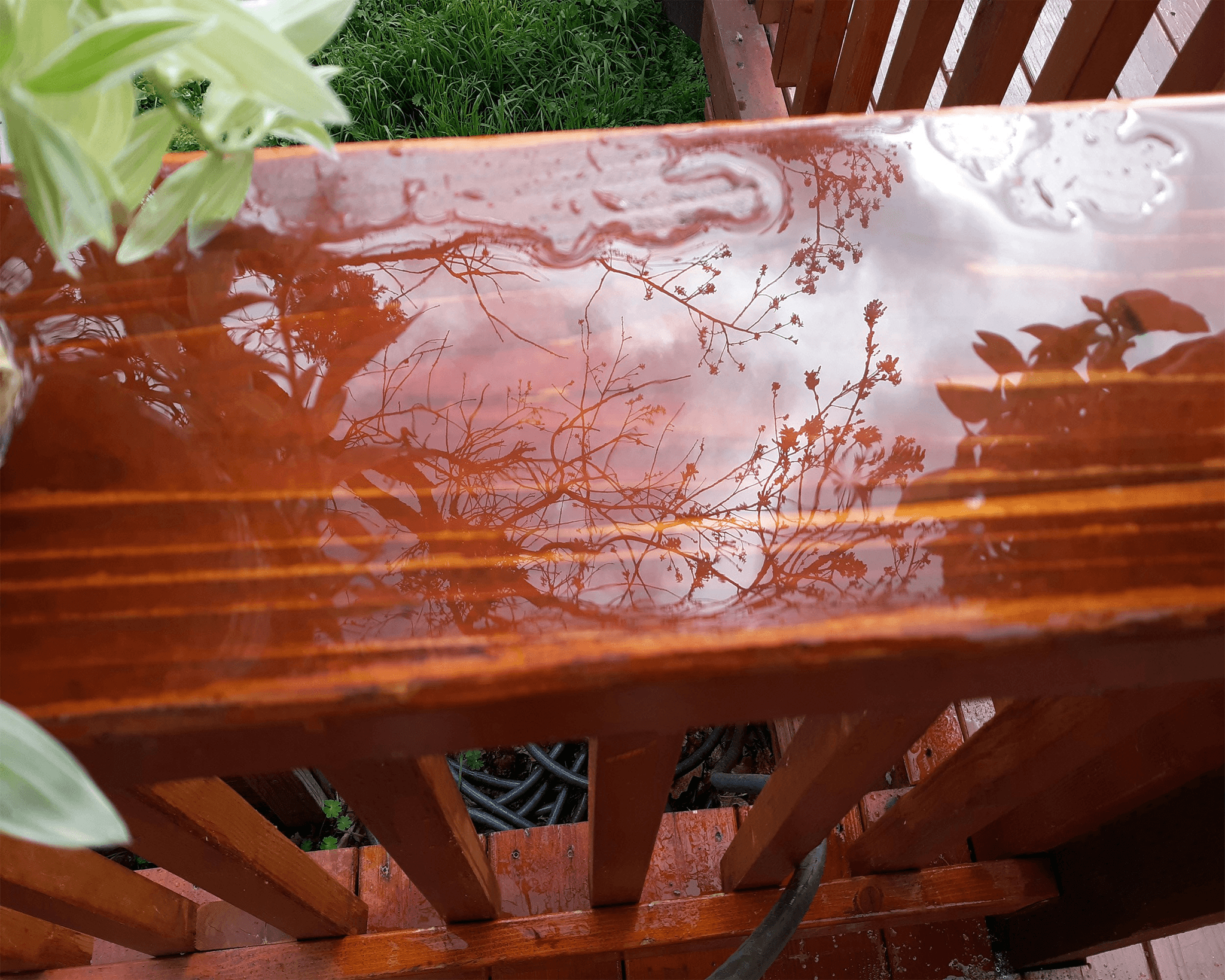
Cleaning and staining your deck isn’t just about aesthetics; it’s about protecting your investment. The right timing, products, and application techniques can make a world of difference when you set out to remove mold from deck surfaces. Let’s dive into the nitty-gritty of deck washing and staining so you can keep your outdoor space looking pristine.
Timing Your Cleaning and Staining
Timing is everything when it comes to deck washing and staining. Ideally, you want to clean your deck on a dry day with temperatures between 50°F and 90°F; this helps the deck cleaner work its magic without evaporating too quickly or being washed away by rain. Additionally, plan your cleaning session at least 24-48 hours before applying any stain—this ensures that the wood is completely dry, allowing for better absorption of the stain.
Consider seasonal factors as well; spring or early fall are typically ideal times for maintenance tasks like removing mold from decks. Avoid high humidity days because they can promote mold growth instead of eliminating it! With careful timing, you'll maximize the effectiveness of your deck cleaning solution.
Selecting the Right Stain for Protection
When choosing a stain for your deck, consider both protection and aesthetics. Look for stains that offer UV protection to prevent fading while also providing a barrier against moisture—this is crucial in preventing future mold infestations after you’ve gone through all that effort to remove mold from the deck! Water-based stains are generally easier to clean up and have lower VOCs (volatile organic compounds), making them safer for surrounding plants.
Don't forget about color options! A lighter shade may show dirt more readily but can help keep your decking cool underfoot during hot summer days. Ultimately, selecting a quality stain not only enhances the look of your outdoor space but also fortifies it against harmful elements.
Best Practices for Application
Now that you've prepped with timing and selected an appropriate stain, let’s talk application best practices! Start by using a high-quality brush or roller designed specifically for exterior use; this will ensure even coverage while minimizing drips or streaks on freshly cleaned surfaces. When applying the stain, work in small sections to maintain a wet edge—this technique prevents lap marks that could ruin an otherwise flawless finish.
Always follow manufacturer instructions regarding drying times between coats if you're applying more than one layer; this is key in achieving optimal protection against moisture damage and future mold growth! After you've finished staining, take care not to walk on your newly treated surface until it's fully cured—your feet will thank you later!
Maintaining a Mold-Free Deck

Keeping your deck in pristine condition requires a commitment to regular maintenance. Mold can be relentless, but with the right strategies in place, you can effectively remove mold from your deck and ensure it stays looking great year-round. Here, we’ll explore effective cleaning schedules, inspection tips, and long-term prevention methods.
Regular Cleaning Schedules
Establishing a regular cleaning schedule is vital for maintaining a mold-free deck. Aim to clean your deck at least once every season; this helps remove dirt and debris before they become breeding grounds for mold. Using an effective deck cleaner during these sessions ensures that any potential mold spores are dealt with promptly.
Incorporate light cleaning into your routine by sweeping away leaves and dirt weekly. This simple step can significantly reduce the chances of needing to use a heavy-duty deck cleaning solution later on. Remember, the sooner you tackle any signs of mold growth, the easier it will be to maintain your deck's appearance.
Additionally, consider using gentle pressure washing techniques as part of your regular maintenance—just make sure not to overdo it! Excessive pressure can damage wood fibers or composite materials if not handled carefully. A well-maintained schedule keeps your decking safe from mold while preserving its beauty.
Seasonal Inspections for Mold
Conducting seasonal inspections is an essential part of keeping your deck healthy and mold-free. Look out for dark spots or discoloration on the surface; these are often early indicators that it's time to remove mold from the deck before it becomes a bigger issue. The earlier you catch these signs, the less effort you'll need to put into cleaning later.
Inspect areas that retain moisture more than others—like shaded spots or corners where water tends to pool—these are prime locations for mold growth. If you spot any suspicious areas during your inspection, don’t hesitate to use a dependable deck cleaner specifically designed for removing such infestations. Regular checks will help you stay one step ahead in preventing extensive damage.
Remember also to check railings and steps; these areas often get overlooked but can harbor hidden moisture that promotes mold growth as well. Keeping an eye on all parts of your deck ensures comprehensive protection against unwanted fungal guests.
Long-term Strategies for Mold Prevention
To truly keep mold at bay over time, consider implementing long-term prevention strategies alongside regular cleaning and inspections. Start by ensuring proper drainage around your deck; good airflow is crucial in preventing moisture accumulation that leads to mold growth. Adding gravel or adjusting landscaping can help direct water away from wooden surfaces effectively.
Another strategy is choosing high-quality stains or sealants specifically designed for outdoor use when engaging in deck washing and staining projects. These products create a protective barrier against moisture while enhancing the natural beauty of your decking material—making it harder for molds to take hold in the first place!
Lastly, consider investing in composite decking materials if you're still using traditional wood options; they tend to resist moisture better than their wooden counterparts and require less upkeep overall when it comes to removing mold from decks regularly! By combining these practices with consistent care routines, you'll enjoy a stunning outdoor space free from pesky fungi worries.
Conclusion

In wrapping up our exploration of mold removal from decks, it's clear that effective techniques and the right tools can make all the difference. By understanding how to remove mold from deck surfaces safely, you not only preserve the aesthetic appeal of your outdoor space but also ensure its longevity. Regular maintenance using appropriate deck cleaning solutions is essential in keeping mold at bay and maintaining a beautiful deck.
Recap of Safe Mold Removal Techniques
To effectively remove mold from your deck, start by gathering all necessary tools and selecting a safe deck cleaner that won't harm surrounding plants or surfaces. Apply the chosen deck cleaning solution generously, allowing it to penetrate before scrubbing with gentle techniques to avoid damage. Rinse thoroughly to wash away any remaining residue, ensuring that your outdoor space is not only clean but also safe for family and friends.
Investing in Quality Deck Cleaning Solutions
Investing in high-quality deck cleaning solutions is crucial for long-term results when it comes to removing mold from decks. Not only do these products enhance the effectiveness of your cleaning efforts, but they also protect your investment by prolonging the life of your decking materials. Opting for reliable brands may cost a bit more upfront, but their superior performance will save you time and effort in future cleaning endeavors.
The Benefits of Composite Decking for Prevention
When considering options for new decking or upgrades, composite materials offer significant advantages in preventing mold growth compared to traditional wood decks. Composite decking is designed to resist moisture accumulation and deter mold spores from taking hold, making it easier to maintain a pristine appearance with less frequent intervention needed for deck washing and staining. By choosing composite materials, you can enjoy peace of mind knowing that your outdoor space will remain beautiful without constant worry about mold infestations.