
Introduction
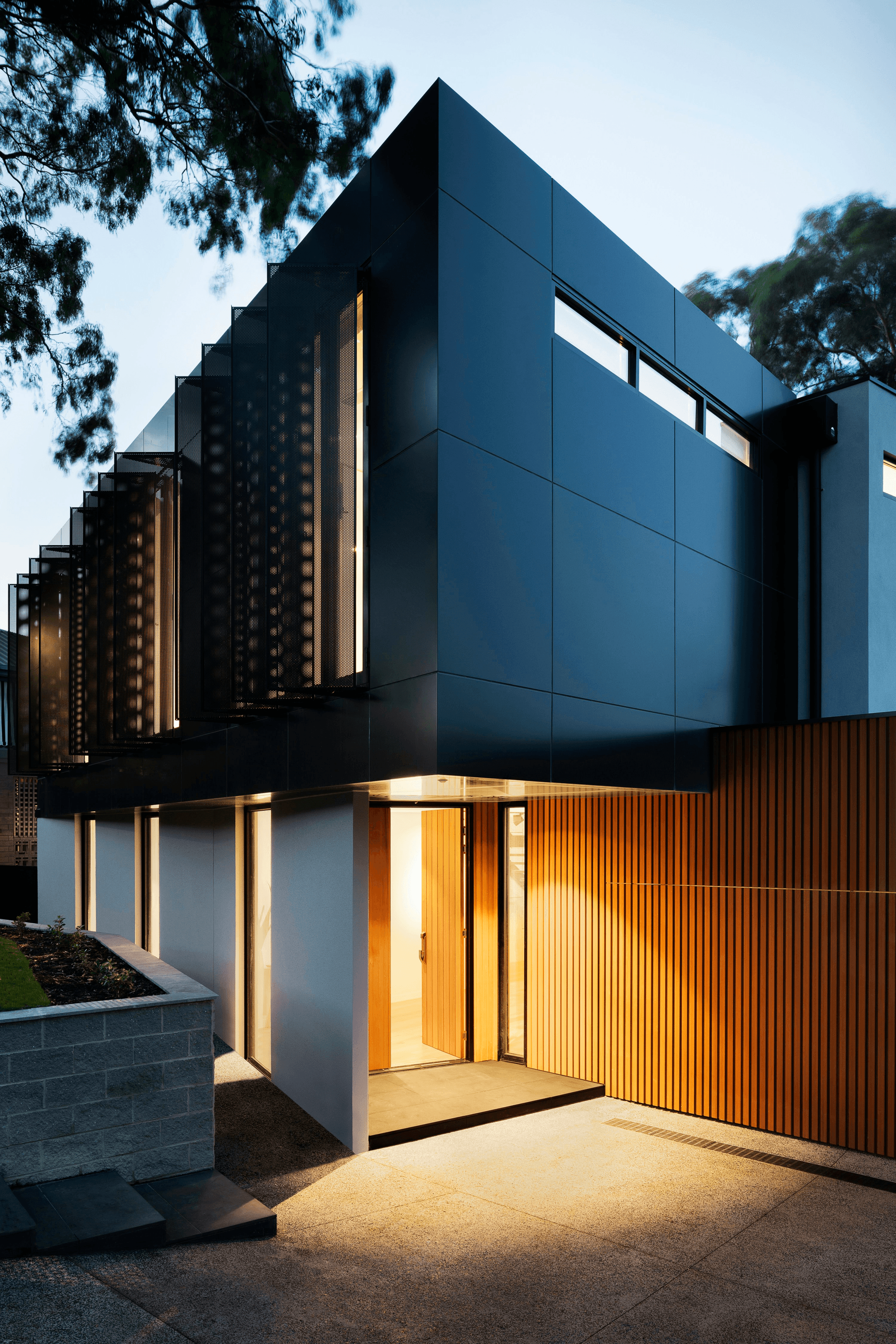
In the world of modern architecture, **composite cladding** has emerged as a trendy and practical choice for homeowners and builders alike. This innovative material combines the best qualities of wood and synthetic substances, resulting in a robust solution that enhances aesthetics while minimizing maintenance. As we delve deeper into the realm of **composite wood**, it becomes clear why this option is gaining popularity for both residential and commercial projects.
Understanding Composite Cladding
**Composite cladding** refers to exterior siding made from a blend of materials, typically including wood fibers and recycled plastics. This unique composition allows for the beauty of traditional **wood cladding** without the drawbacks associated with natural materials, such as susceptibility to rot or insect damage. By utilizing advanced manufacturing processes, these **cladding panels** deliver durability and visual appeal that can elevate any building's exterior.
Benefits of Composite Wood
One of the standout features of **composite wood** is its impressive longevity compared to traditional lumber products. Homeowners can enjoy a stunning facade without worrying about constant upkeep; unlike conventional wood, composite options resist fading, warping, and cracking over time. Additionally, the eco-friendly nature of composite materials means that choosing this type of cladding not only benefits your property but also supports sustainable practices in construction.
Why Choose Composite Cladding
Opting for **composite cladding siding** offers numerous advantages that make it an attractive choice for various building projects. The versatility in design options allows homeowners to create unique looks with ease—whether it's a sleek modern aesthetic or a warm rustic vibe using vertical composite siding techniques. With so many benefits packed into one product—durability, low maintenance, and aesthetic appeal—it’s no wonder that many are making the switch to composite solutions for their exteriors.
Core Materials and Composition

Composite wood is engineered to combine the best features of natural wood with the durability of synthetic materials, resulting in a product that stands up to the test of time. Whether you're considering vertical composite siding or traditional cladding panels, knowing what goes into your cladding can help you appreciate its value.
Types of Materials Used in Composite Cladding
Composite cladding typically consists of a blend of wood fibers and plastic resins, creating a material that mimics the appearance of natural wood while offering enhanced performance. Common materials include recycled wood fibers, high-density polyethylene (HDPE), and polyvinyl chloride (PVC). This combination not only reduces waste but also provides a lightweight yet sturdy option for homeowners looking for durable cladding with wood-like aesthetics.
In addition to these primary components, some manufacturers incorporate additives such as UV stabilizers and fire retardants to enhance performance further. These innovations ensure that composite cladding siding can withstand harsh weather conditions without fading or deteriorating over time. With various types available on the market, it's essential to research which materials best suit your specific needs.
Understanding Wood Cladding Components
Wood cladding components play a vital role in defining the overall quality and functionality of composite wood products. Typically, these components are designed to replicate traditional wood grains and textures while providing superior durability against rot and pests. By using advanced manufacturing techniques, these elements are crafted into interlocking systems that make installation easier and more efficient.
Moreover, understanding how these components fit together can help you visualize your home's exterior transformation with composite cladding exterior solutions. The design flexibility allows homeowners to choose from various profiles, widths, and finishes that match their architectural style while delivering excellent thermal insulation properties. This means you get both beauty and energy efficiency when opting for well-designed wood-clad exteriors.
Innovative Technologies Behind Composite Siding
The world of composite siding has been revolutionized by innovative technologies aimed at enhancing performance while reducing environmental impact. For instance, some manufacturers use advanced extrusion processes that ensure consistent quality across all panels—no more worrying about warping or splitting! Additionally, technology has enabled improved color retention through enhanced pigments that resist fading due to UV exposure.
Another exciting development is the incorporation of smart technologies into composite cladding systems—think moisture sensors or integrated lighting options! These advancements not only elevate aesthetics but also offer practical benefits like real-time monitoring for maintenance needs. As you explore options for your home’s vertical composite siding or other styles, keep an eye out for these cutting-edge features; they could make all the difference in your decision-making process.
Aesthetic Versatility

Composite cladding stands out for its remarkable aesthetic versatility, allowing homeowners to achieve a stunning exterior without sacrificing durability. With a myriad of design options available, composite wood can mimic the appearance of traditional wood cladding while offering enhanced performance and longevity. This blend of beauty and functionality makes composite cladding siding an attractive choice for modern architecture.
Design Options for Composite Cladding Exterior
From sleek and contemporary lines to rustic charm, you can find designs that suit your taste perfectly. Vertical composite siding is particularly popular for its ability to create a sense of height and elegance, making spaces feel more open and inviting.
Color and Texture Variations
One of the most appealing aspects of composite wood is the extensive selection of color and texture variations available. Homeowners can choose from vibrant hues or subtle earth tones that complement their surroundings beautifully. Additionally, textures can range from smooth finishes that exude modernity to embossed patterns reminiscent of natural wood grain, ensuring your cladding panels make a striking statement.
Customization Capabilities of Cladding Panels
Customization capabilities in composite cladding allow you to create a truly unique look tailored specifically to your home’s style. Whether it’s selecting specific colors or opting for custom sizes, the flexibility in design ensures that your vision becomes a reality. This level of personalization means that each installation not only enhances curb appeal but also reflects the homeowner's individual taste—making your vertical composite siding stand out even more.
Durability and Maintenance
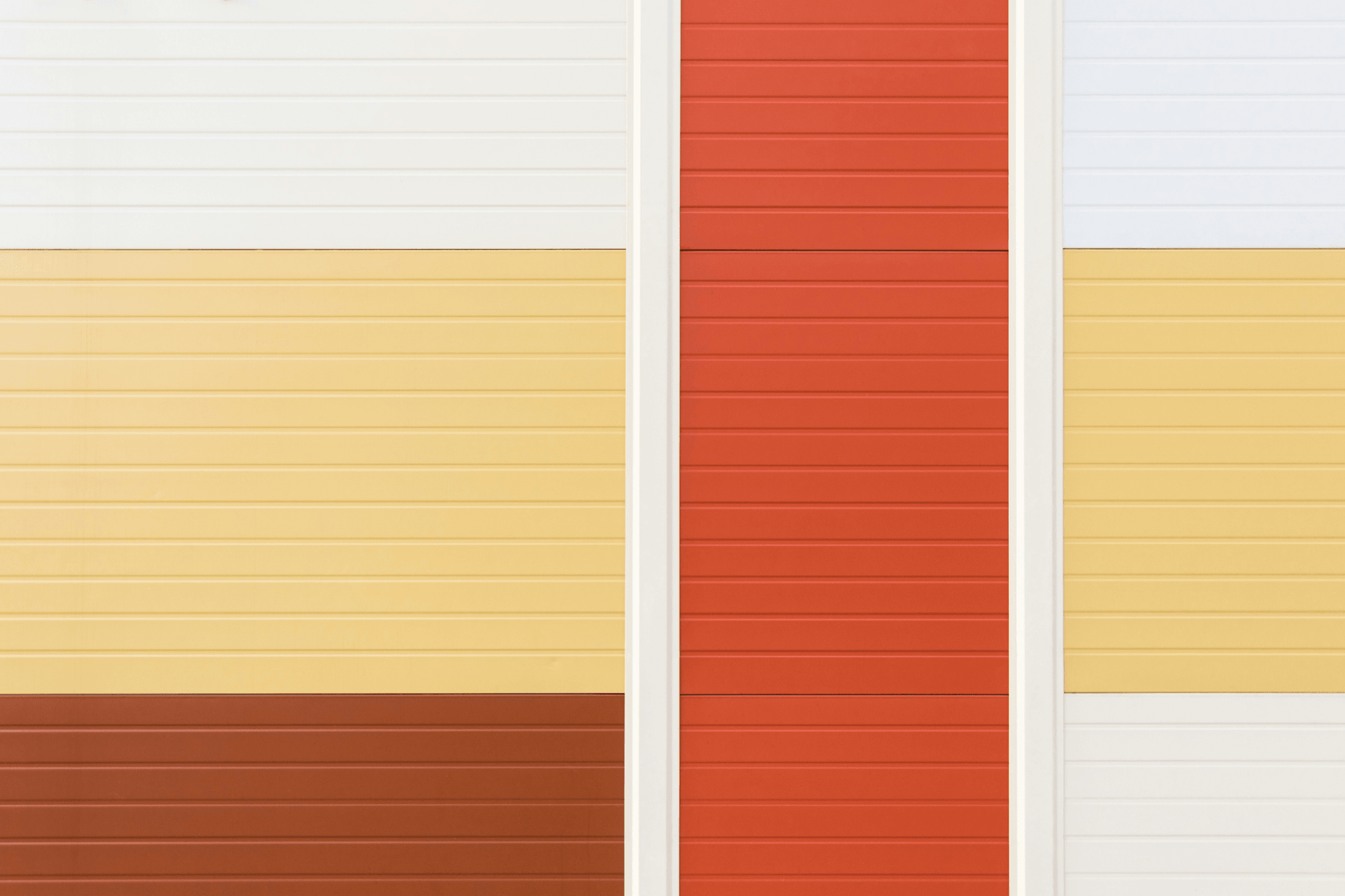
The unique composition of composite wood provides an impressive lifespan, allowing homeowners to enjoy their beautiful exteriors without the frequent upkeep associated with wood cladding. With advancements in technology, composite cladding siding is engineered to withstand the test of time while maintaining its aesthetic appeal.
Longevity Compared to Traditional Wood
One of the most significant advantages of composite cladding is its longevity compared to traditional wood options. While natural wood can warp, crack, or decay over time due to exposure to moisture and pests, composite materials are designed for resilience. Homeowners can expect their vertical composite siding to last significantly longer than conventional wood cladding, often surpassing 25 years with minimal degradation.
Maintenance Tips for Composite Cladding
Maintaining your composite cladding is a breeze compared to the rigorous upkeep required by traditional wood products. A simple wash with soap and water once or twice a year will keep your composite wood looking fresh and vibrant; no need for staining or sealing! Moreover, it's essential to inspect your cladding panels regularly for any dirt buildup or minor damages that could be easily addressed before they escalate into larger issues.
Resistance to Weather and Insect Damage
Composite cladding excels in resisting weather-related wear and insect damage that often plague traditional wood options. The engineered materials used in composite siding are designed not only for aesthetic appeal but also for superior protection against rain, snow, UV rays, and pests like termites. This means homeowners can enjoy peace of mind knowing their investment is safeguarded against nature’s elements while still enjoying the beauty of a classic wood appearance.
Environmental Impact
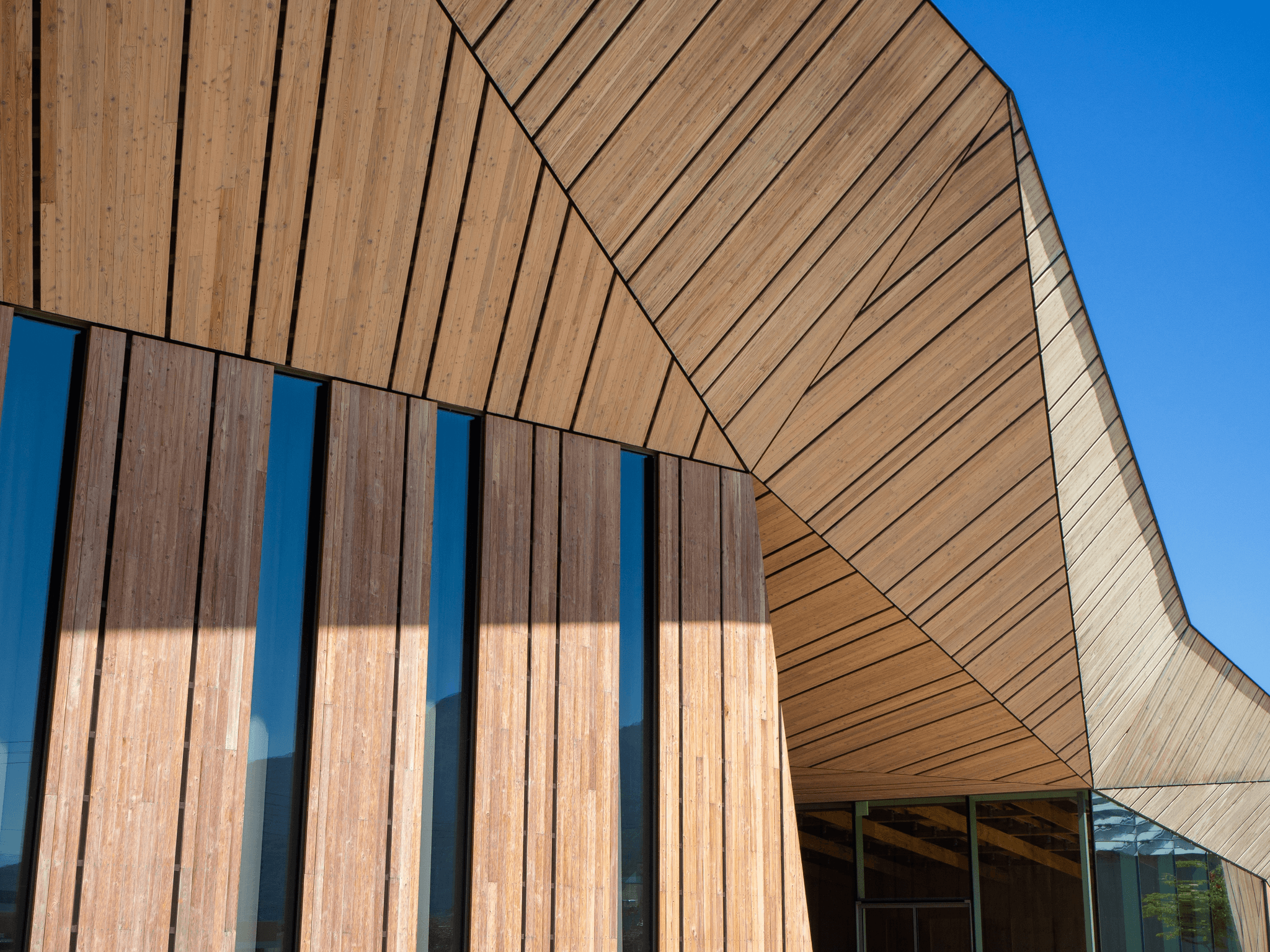
When it comes to building materials, the environmental impact is a crucial factor to consider. Composite cladding stands out in this regard, as it offers a sustainable alternative to traditional wood options. By utilizing recycled materials and reducing the need for new timber, composite wood contributes positively to environmental conservation efforts.
Sustainability of Composite Wood
Composite wood is crafted from a blend of recycled plastic and wood fibers, which significantly reduces waste and promotes sustainability. Unlike traditional wood cladding that often leads to deforestation, composite cladding uses materials that would otherwise end up in landfills. This innovative approach not only preserves natural resources but also creates durable products that can last for decades without requiring extensive maintenance.
Eco-Friendly Benefits of Composite Cladding
One of the most appealing eco-friendly benefits of composite cladding is its low carbon footprint compared to conventional building materials. The manufacturing process for composite cladding siding typically involves less energy consumption and fewer harmful emissions. Additionally, many brands prioritize using non-toxic additives in their products, making them safer for both people and the environment.
Life Cycle Analysis of Composite Materials
A life cycle analysis (LCA) of composite materials reveals their overall efficiency from production to disposal. When examining factors such as resource extraction, manufacturing processes, usage, and end-of-life management, composite wood consistently ranks favorably against traditional wood options. This comprehensive evaluation highlights how choosing cladding panels made from composite materials not only benefits individual projects but also supports broader ecological goals.
Installation Insights
When it comes to installing composite cladding, understanding the process is crucial for achieving a professional finish. Vertical composite siding has gained popularity due to its sleek look and ease of installation. This section will guide you through the steps involved, common pitfalls to avoid, and essential tools for a successful setup.
Installation Process for Vertical Composite Siding
Installing vertical composite siding requires careful planning and execution to ensure an aesthetically pleasing result. Start by preparing the wall surface; it should be clean, dry, and free of any protrusions that could affect the alignment of your cladding panels. Once your surface is ready, measure and cut your composite wood panels to fit, ensuring you leave space for expansion due to temperature changes.
Next, it's time to install the first row of cladding with wood fasteners or clips specifically designed for composite materials. Make sure each panel is level before moving on to the next one; this will save you headaches down the line! After securing all panels in place, check for uniformity in appearance—this attention to detail can make all the difference in your composite cladding exterior.
Common Installation Mistakes to Avoid
Even seasoned DIYers can stumble when installing composite wood siding; knowing what to watch out for can save you time and money. One common mistake is failing to account for expansion gaps between panels—without these gaps, your beautiful cladding may warp or buckle over time. Additionally, using inappropriate fasteners can lead not only to easy breakage but also compromise the integrity of your vertical composite siding.
Another pitfall is neglecting proper alignment during installation; even a slight misalignment can throw off the entire aesthetic appeal of your exterior walls. Lastly, overlooking local building codes may lead you into trouble down the line—always double-check regulations regarding insulation materials and fire safety standards before starting!
Key Tools and Techniques for Successful Setup
To achieve a flawless installation of your composite cladding siding, having the right tools on hand is essential—think saws specifically designed for cutting wood composites, levelers for precision measurements, and drills suitable for fastening without damaging materials. A chalk line can be invaluable in marking straight lines on walls as guides while ensuring that every panel aligns perfectly throughout installation.
Consider using a pneumatic nail gun when attaching panels; this tool speeds up installation significantly while providing consistent pressure that helps prevent damage during application. Also keep safety gear handy—gloves and goggles are must-haves when working with power tools or sharp edges of cladding panels!
Conclusion
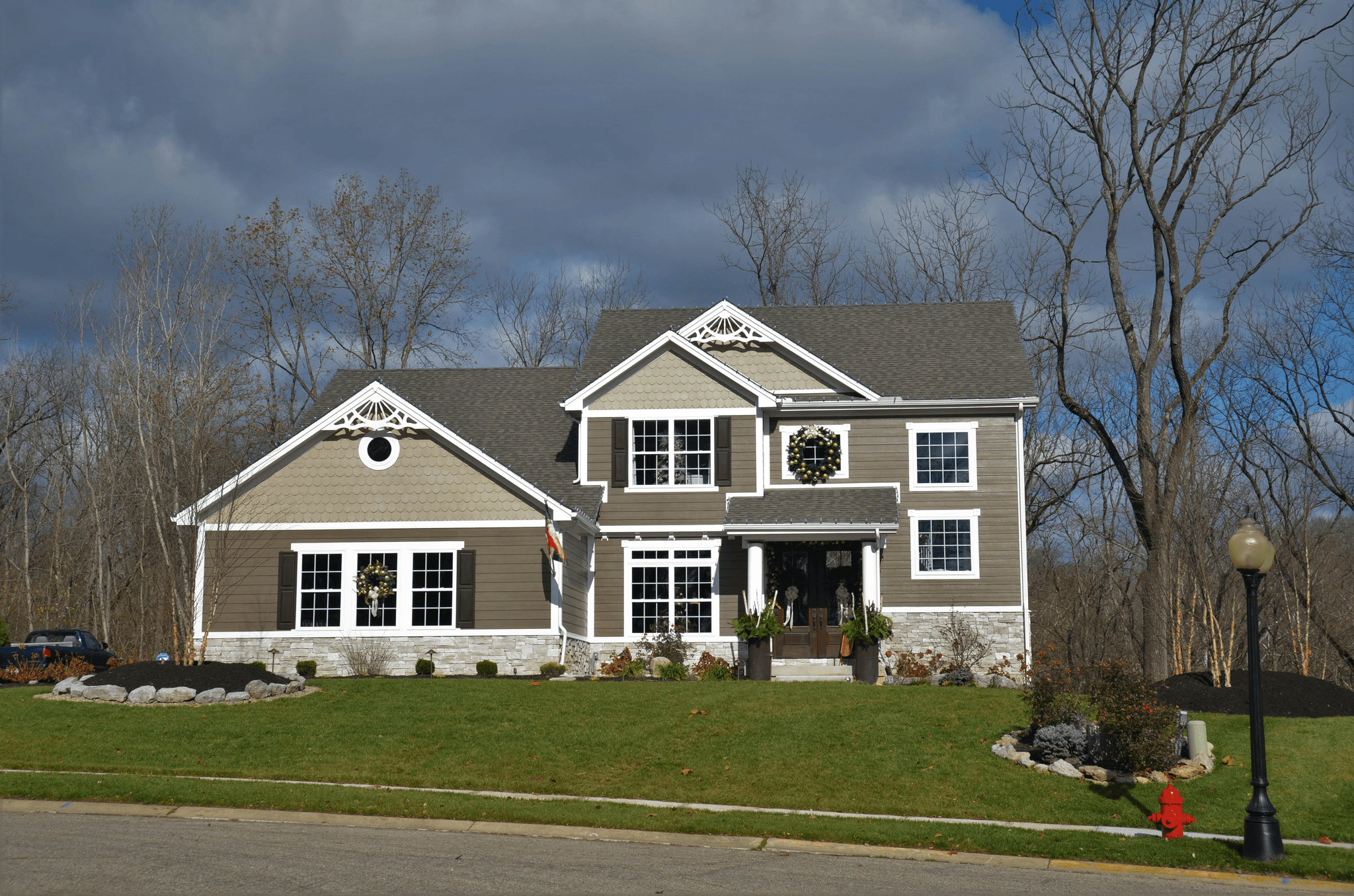
In wrapping up our exploration of composite cladding, it's clear that the choice of materials can significantly impact both aesthetics and functionality. As homeowners and builders alike seek durable, stylish solutions, composite wood emerges as a frontrunner in the realm of cladding options. The advantages of composite cladding extend beyond mere appearance, offering longevity and minimal maintenance that traditional wood simply can't match.
Choosing the Right Composite Cladding
When selecting the right composite cladding for your project, consider factors like design preferences, environmental conditions, and budget constraints. Composite wood offers an impressive range of styles and colors to suit any architectural vision, whether you’re leaning toward a modern look or something more rustic. Don't forget to evaluate the specific features of various cladding panels; some may offer enhanced weather resistance or unique textures that elevate your exterior even further.
The Future of Composite Materials
The future of composite materials is bright and full of potential innovations that promise to redefine how we think about building exteriors. As technology advances, we can expect even more eco-friendly options that utilize recycled materials without sacrificing quality or aesthetic appeal in composite cladding siding. This evolution not only enhances sustainability but also ensures that homeowners will have access to cutting-edge designs that align with their values.
How Composite Decking Inc Elevates Your Space
Composite Decking Inc stands out by offering a wide variety of high-quality composite wood products tailored to elevate your outdoor spaces dramatically. Their commitment to durability means you can enjoy beautiful vertical composite siding without worrying about wear and tear over time. With a keen eye for design and innovation in every piece they produce, choosing their products guarantees an investment in style and resilience for years to come.