
Introduction
Whether it’s due to rain, snow, or the dreaded algae buildup, understanding the risks of slippy decking is crucial for anyone looking to enjoy their deck safely. After all, no one wants a slip-and-fall incident ruining their summer barbecue or cozy winter gathering.
Understanding the Risks of Slippy Decking
Slippery decking problems are more than just an annoyance; they pose serious safety risks that can lead to injuries and costly liabilities. Not only does wet or slimy wood increase the chance of slips, but it can also deter you from using your deck altogether. So how do you stop your decking from being slippery? The first step is acknowledging these risks and taking proactive measures.
The Importance of Deck Safety
Deck safety should be at the forefront of any homeowner's mind when designing or maintaining their outdoor space. A secure deck enhances not only your enjoyment but also increases property value by providing a safe environment for family and friends. By prioritizing safety features and proper maintenance, you can ensure that your deck remains a welcoming space rather than a potential hazard.
How to Choose the Right Materials
Choosing the right materials is essential in preventing slippery surfaces on your deck. From traditional wood to composite options, each material has its pros and cons when it comes to traction and maintenance requirements. To make outdoor wood not slippery, consider investing in non-slip coatings or opting for textured surfaces that provide better grip—your feet will thank you!
Common Causes of Slippy Decking
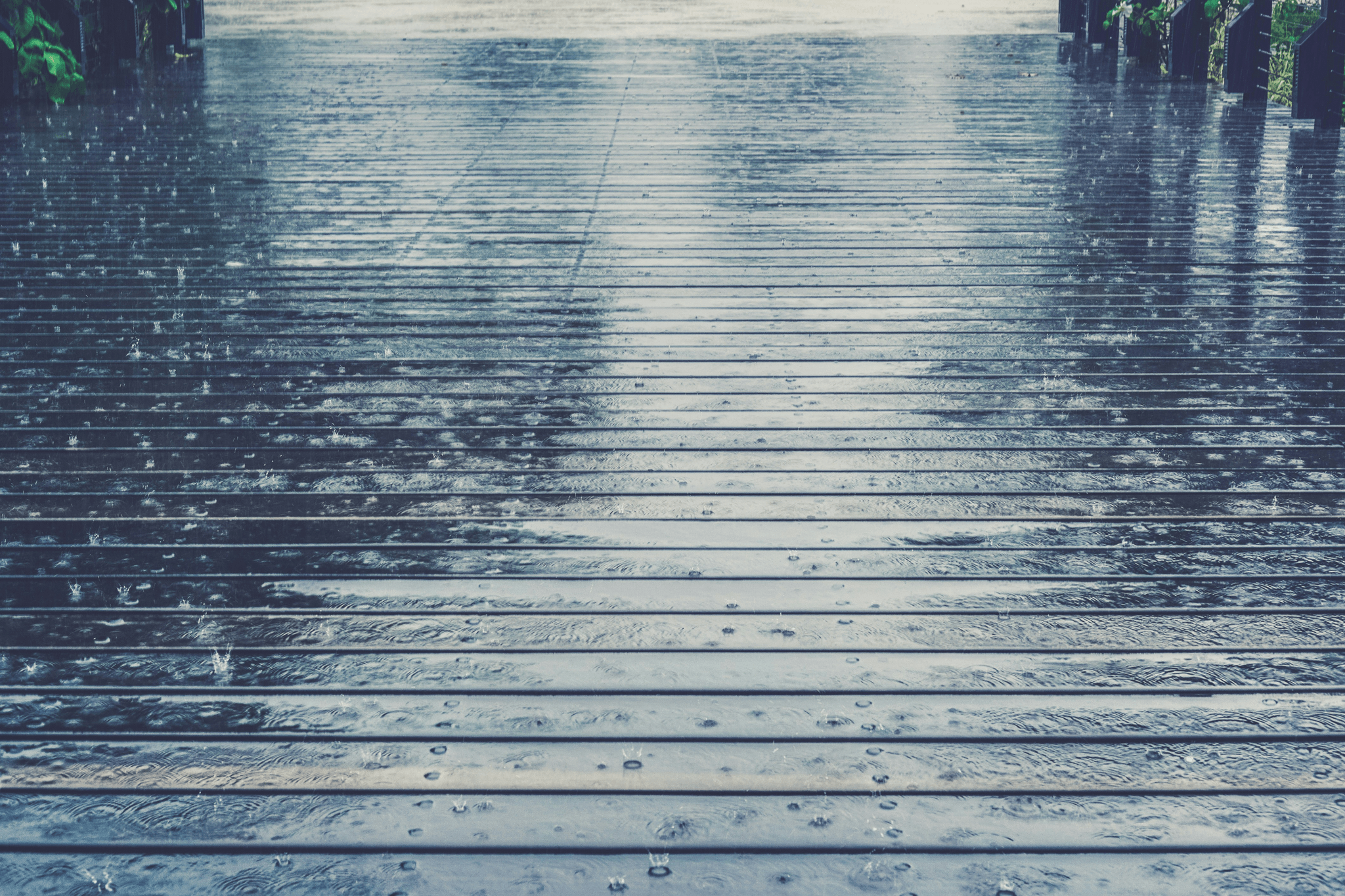
Decking can be a wonderful addition to any outdoor space, but slippy decking can quickly turn it into a hazard. Understanding the common causes of slippery surfaces is essential for homeowners looking to maintain safety and enjoyment in their outdoor areas. By identifying these issues, you can take proactive steps to ensure your deck remains safe and inviting.
Weather Impact on Deck Surfaces
Weather plays a significant role in the slipperiness of decking materials. Rain, snow, and humidity can create slick surfaces that pose a risk for slips and falls. To combat this, consider how to make decking non-slippery in winter by applying anti-slip treatments or using textured materials that provide better traction even when wet.
Moreover, prolonged exposure to moisture can lead to mold and mildew growth on wooden decks, contributing to slippery decking problems. These unsightly patches not only make your deck dangerous but also detract from its aesthetic appeal. Regularly checking your deck for weather-related wear is crucial; after all, nobody wants their summer barbecues marred by unexpected slips!
Maintenance Neglect and Its Consequences
Neglecting regular maintenance is one of the primary reasons for slippy decking issues. Over time, dirt, algae, and other debris accumulate on the surface, creating a slimy layer that makes walking treacherous—so how do you clean a slippery slimy deck? A good scrub with a mixture of soap and water or specialized cleaning solutions will help restore safety.
Additionally, failing to perform seasonal inspections can lead to more serious problems down the line. Regular cleaning not only enhances appearance but also prevents dangerous conditions from developing; think of it as giving your deck a mini spa day! Remember: consistent care is key if you want to avoid quick fixes for slippery decking later on.
Material Choices That Make a Difference
The choice of materials used in constructing your deck significantly influences its slip resistance. Some types of wood are naturally more prone to becoming slippy than others; for example, untreated softwoods might absorb moisture easily and become slick over time. When considering how do I stop my decking from being slippery?, opting for composite or treated wood options could be your best bet.
Composite decking materials often come with built-in textures designed specifically for grip—even when wet! If you're set on using wood but want something less slippery outdoors, look into treated varieties that resist moisture absorption while providing an attractive finish. Ultimately, making informed material choices will greatly reduce the likelihood of encountering slippery decking problems down the road.
Effective Non-Slip Solutions

Homeowners often ask, How do I stop my decking from being slippery? The good news is there are numerous strategies and products available to tackle this issue head-on. From coatings to design considerations, let’s explore how you can make your outdoor spaces safer for everyone.
Anti-Slip Coatings and Treatments
One of the most straightforward ways to address slippery decking problems is by applying anti-slip coatings and treatments. These products come in various forms, including sprays, paints, and additives that can be mixed with your existing deck stain or sealant. When asking yourself How do you clean a slippery slimy deck?, remember that a thorough cleaning followed by the application of an anti-slip treatment can significantly enhance grip on your deck surface.
Choosing the right product is crucial; look for options specifically designed for outdoor use and compatible with your decking material. Many anti-slip treatments not only improve traction but also protect against weathering and UV damage—two common culprits behind slippy decking. With regular maintenance and reapplication as needed, these solutions can provide long-lasting safety benefits.
The Role of Decking Design in Safety
Decking design plays a pivotal role in preventing slippy surfaces, especially during wet conditions or winter months when ice may form. When considering How to make decking non-slippery in winter?, think about incorporating features like grooves or textured finishes that naturally enhance traction underfoot. Additionally, designing your deck with proper drainage systems can help minimize water accumulation, which is a primary cause of slippery surfaces.
Strategically placing your deck furniture can also create natural pathways that encourage safe movement across the space while avoiding potential hazards associated with slick spots. Moreover, using materials like composite decking that inherently resist moisture absorption will help mitigate those pesky slippy decking problems over time. Emphasizing thoughtful design not only improves safety but also enhances the overall aesthetic appeal of your outdoor area.
Innovative Textured Decking Options
If you’re looking for a more permanent solution to prevent slippy decking issues, consider investing in innovative textured decking options available on the market today. Many manufacturers now offer composite boards with built-in textures specifically designed for enhanced grip—ideal for those wondering how to make outdoor wood not slippery during rainy seasons or snowy winters. These boards provide both beauty and functionality without compromising on style.
Textured surfaces are engineered to channel water away while providing a non-slip experience underfoot—perfect for families with children or pets who might be more susceptible to slipping accidents on smooth surfaces. Furthermore, these innovative materials often require less maintenance than traditional wood decks when it comes to cleaning; simply follow up with regular upkeep practices rather than worrying about mold buildup or excessive slickness over time!
In conclusion, whether you're opting for anti-slip coatings or exploring new design ideas and materials, there are plenty of ways to tackle slippy decking challenges effectively.
Choosing the Right Decking Material
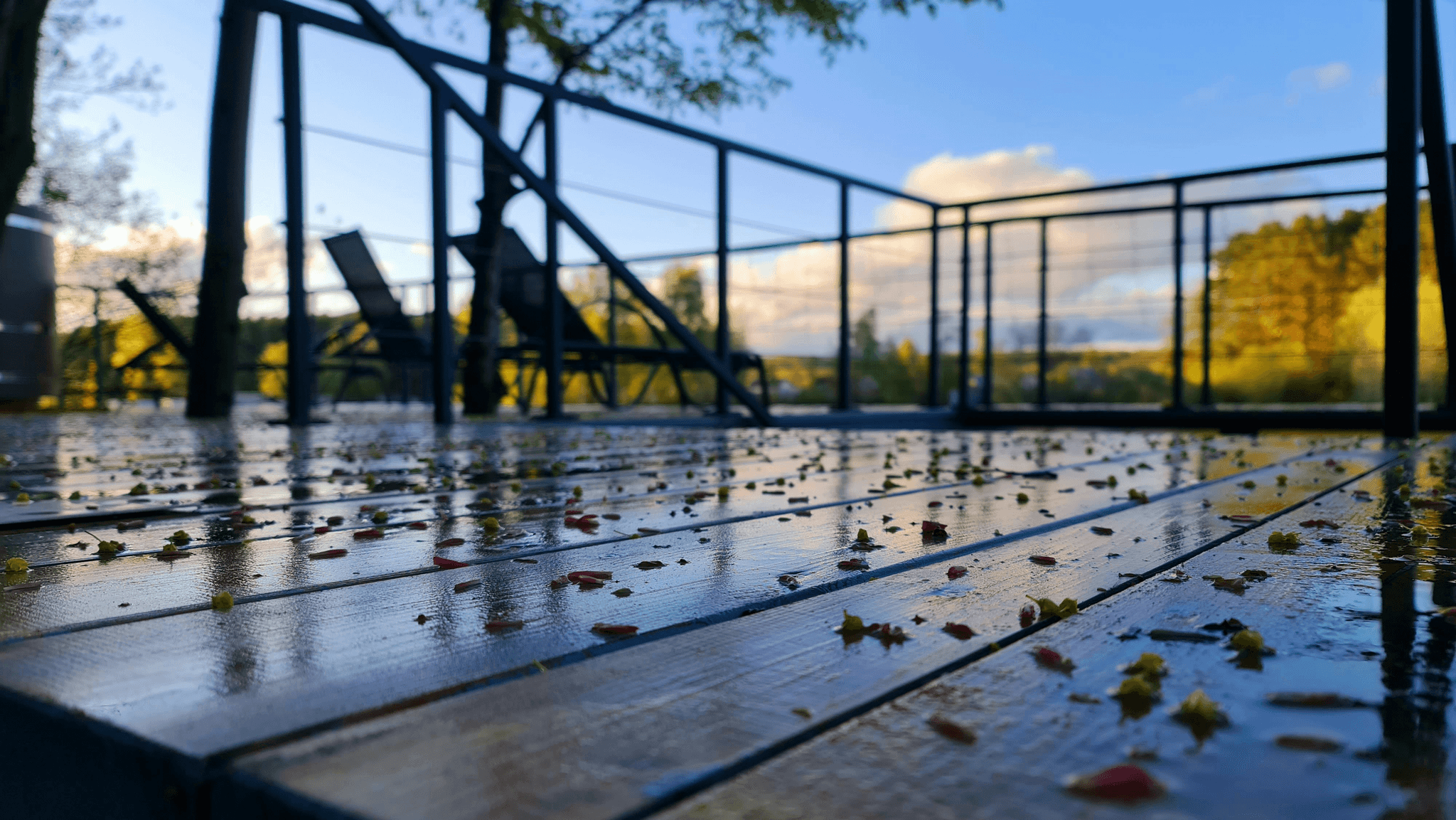
Slippy decking can turn a relaxing outdoor space into a hazardous zone, especially during wet or icy conditions. With various options available, understanding the benefits of each material can help you make an informed choice that minimizes slippery decking problems.
Why Composite Decking is Superior
Composite decking stands out as a superior option for those looking to reduce slippy decking issues. Made from a blend of wood fibers and recycled plastic, composite boards offer excellent traction and are less prone to becoming slippery when wet. Additionally, their low-maintenance nature means you won't have to constantly ask yourself, How do I stop my decking from being slippery? because they resist mold growth and staining far better than traditional wood.
Moreover, composite materials come in various textures and colors, allowing homeowners to choose styles that complement their outdoor aesthetics while enhancing safety. The durability of composite decking also means it can withstand harsh weather conditions without warping or splintering—two common culprits behind slippery surfaces. Investing in composite not only improves safety but also adds long-term value to your home.
Benefits of Timber Decking vs. Composite
While timber decking has its charm and can provide a warm aesthetic appeal, it often falls short when addressing slippy decking concerns compared to its composite counterpart. Timber requires regular maintenance—think cleaning and sealing—to prevent mold growth that leads to slick surfaces; otherwise, you'll be left wondering how to clean a slippery slimy deck effectively! In contrast, composite boards are engineered for resilience against moisture and algae buildup.
However, timber does have some advantages worth considering; it’s typically more affordable upfront than composite options and offers natural beauty that many find irresistible. Yet when asking yourself “How do you make outdoor wood not slippery?” remember that timber may require more effort in terms of upkeep throughout the seasons compared with low-maintenance composites. Ultimately, the choice between timber and composite may boil down to personal preference versus practicality.
Composite Decking Inc: A Trusted Choice
If you're leaning towards composite materials for your deck renovation or build, look no further than Composite Decking Inc as your go-to supplier! Known for their high-quality products designed specifically with safety in mind, they address the common question: How to make decking non-slippery in winter? Their innovative designs incorporate textures specifically engineered for grip even in icy conditions.
Not only does Composite Decking Inc offer reliable solutions for slippy decking problems but they also provide expert advice on installation techniques that enhance safety features further still! Plus, their commitment to sustainability ensures your new deck isn't just beautiful but eco-friendly too—perfect for those who want an outdoor space that's both stylish and responsible! By choosing Composite Decking Inc., you're investing in quality materials that prioritize safety without compromising aesthetic appeal.
Maintenance Tips for a Safer Deck
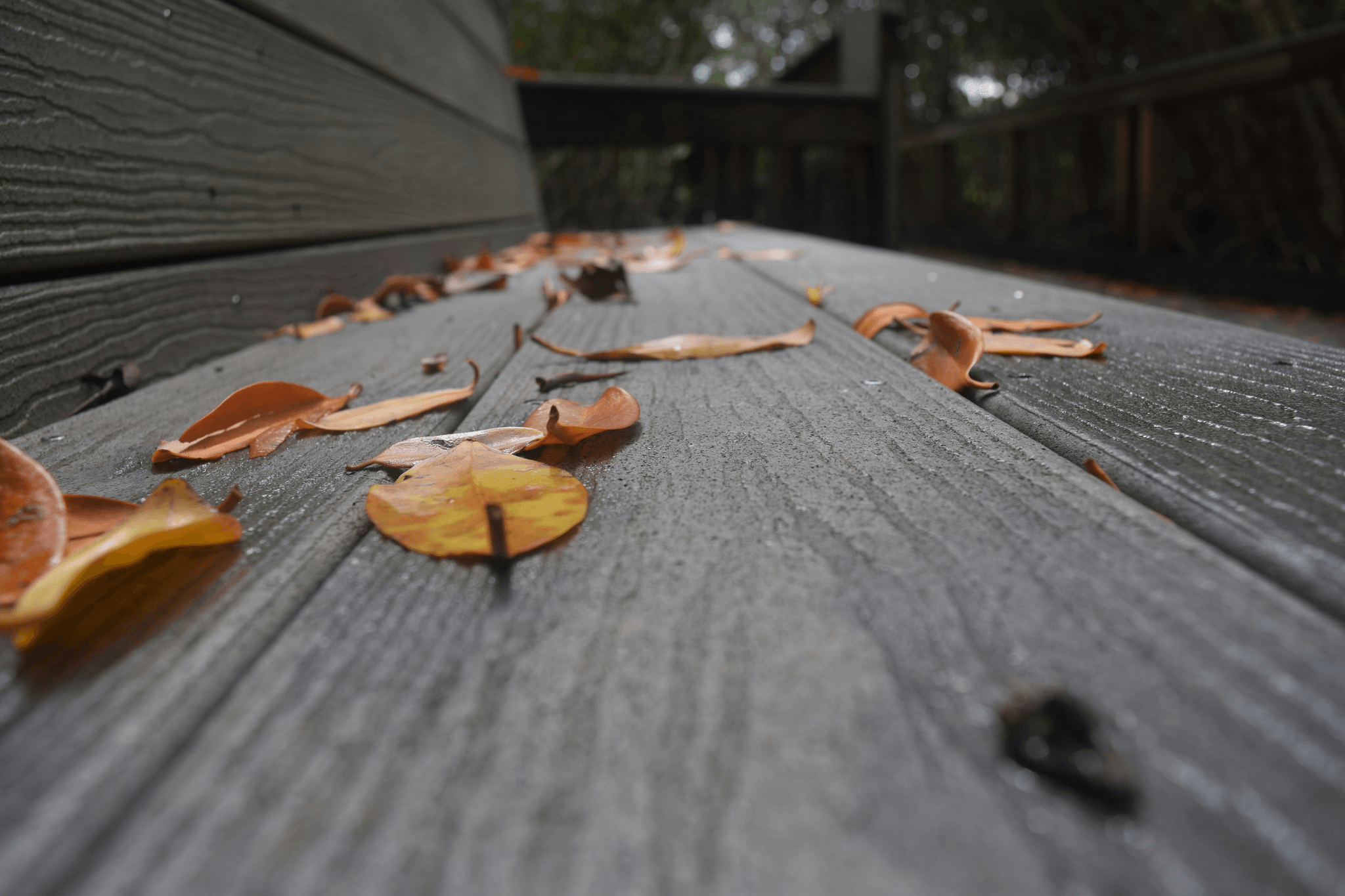
Maintaining your deck is crucial to prevent slippy decking, ensuring safety for you and your guests. Regular upkeep not only enhances the appearance of your deck but also prolongs its life. Here are some essential maintenance tips that can help you tackle slippery surfaces effectively.
Regular Cleaning and Inspection
To combat slippery decking problems, start with regular cleaning and inspection. Sweep away debris like leaves and dirt that can trap moisture, leading to a slimy surface—nobody wants to know how to clean a slippery slimy deck when they're already slipping! Make it a habit to inspect your deck for any signs of wear or damage; catching issues early can save you from more significant headaches later on.
Seasonal Care for Your Deck
How do I stop my decking from being slippery in winter? Seasonal care is key! In the fall, clear off leaves before they become mushy and create a slick surface; in winter, consider using sand or non-corrosive de-icing agents instead of salt that can damage wood fibers. Springtime is perfect for deep cleaning—use a pressure washer or a stiff brush with mild soap to remove grime and algae buildup.
How to Handle Mold and Mildew
Mold and mildew are common culprits behind slippy decking problems, especially in damp areas. To make outdoor wood not slippery, treat affected areas with a mixture of vinegar or bleach diluted in water; this will help kill mold spores without harming the wood itself. For quick fixes for slippery decking, consider applying an anti-slip coating after thoroughly cleaning the surface to provide lasting traction.
Enhancing Deck Safety with Accessories

When it comes to combating slippy decking, accessories can be your best friends. They not only enhance the aesthetic appeal of your outdoor space but also provide practical solutions for slippery surfaces. Let’s dive into some effective strategies to make your deck safer and more enjoyable.
Strategic Placement of Rugs and Mats
One of the simplest ways to tackle slippery decking is through the strategic placement of rugs and mats. These accessories can act as a barrier against slips, especially in areas prone to moisture accumulation. Choose outdoor rugs designed for wet conditions; they often have non-slip backing that helps keep them in place while providing traction.
Additionally, consider using mats at entry points or areas where water tends to collect, such as near planters or under outdoor furniture. This not only minimizes slippery decking problems but also adds a pop of color and style to your space. If you're wondering how do I stop my decking from being slippery? Start by investing in quality mats that can absorb moisture and provide grip.
Installing Handrails and Lighting
Installing handrails is another critical step in enhancing deck safety, especially for elevated decks or steps leading down from your patio. Handrails provide necessary support when navigating potentially slippy decking areas, making it easier for everyone—especially children and seniors—to enjoy their time outdoors without fear of falling.
Moreover, proper lighting can significantly reduce the risk of accidents on your deck during nighttime use. Well-placed lights illuminate walkways and highlight potential hazards, ensuring that no one takes an unexpected tumble due to poor visibility. If you’re asking how do you clean a slippery slimy deck?, remember that good lighting will help you spot dirt buildup before it becomes a problem!
Landscaping Ideas to Improve Traction
Landscaping isn’t just about aesthetics; it can also play a vital role in improving traction on slippy decking surfaces. Consider planting ground cover plants around your deck area that naturally absorb moisture while providing stability underfoot. Not only do they enhance the beauty of your space, but they also help reduce water pooling on your deck.
Incorporating gravel paths or stone pavers leading up to your deck can further minimize slipping hazards by creating defined walking areas that are less likely to become slick during rainy weather or winter months. If you're looking for quick fixes for slippery decking this winter, think about adjusting landscaping elements around the perimeter! With thoughtful planning, you’ll find ways how to make outdoor wood not slippery while enjoying an inviting environment year-round.
Conclusion
In wrapping up our discussion on slippy decking, it's crucial to remember that safety should always be a priority when enjoying your outdoor space. By understanding the causes of slippery surfaces and implementing effective solutions, you can create a safe environment for family and friends. Whether you're considering anti-slip coatings or opting for quality materials, taking proactive steps will pay off in the long run.
Key Takeaways for Deck Safety
To tackle slippery decking problems effectively, start by regularly inspecting your deck for any signs of wear or moisture accumulation. Ask yourself, How do I stop my decking from being slippery? The answer lies in consistent maintenance and choosing the right materials to ensure traction throughout the seasons. Remember to clean your deck frequently; knowing how to clean a slippery slimy deck can make all the difference in maintaining its safety.
Long-Term Benefits of Preventing Slippy Decking
Investing time and resources into preventing slippy decking pays off with fewer accidents and injuries over time. Not only does it enhance safety, but it also prolongs the life of your deck while increasing its aesthetic appeal. Additionally, learning how to make outdoor wood not slippery can save you from costly repairs down the line and keep your outdoor space enjoyable year-round.
Investing in Quality Materials for Safety
Choosing superior options like composite decking can significantly reduce slippage compared to traditional wood alternatives. If you're pondering quick fixes for slippery decking or looking for long-term solutions, investing in high-quality materials is key to ensuring a safe and beautiful outdoor area.