
Introduction
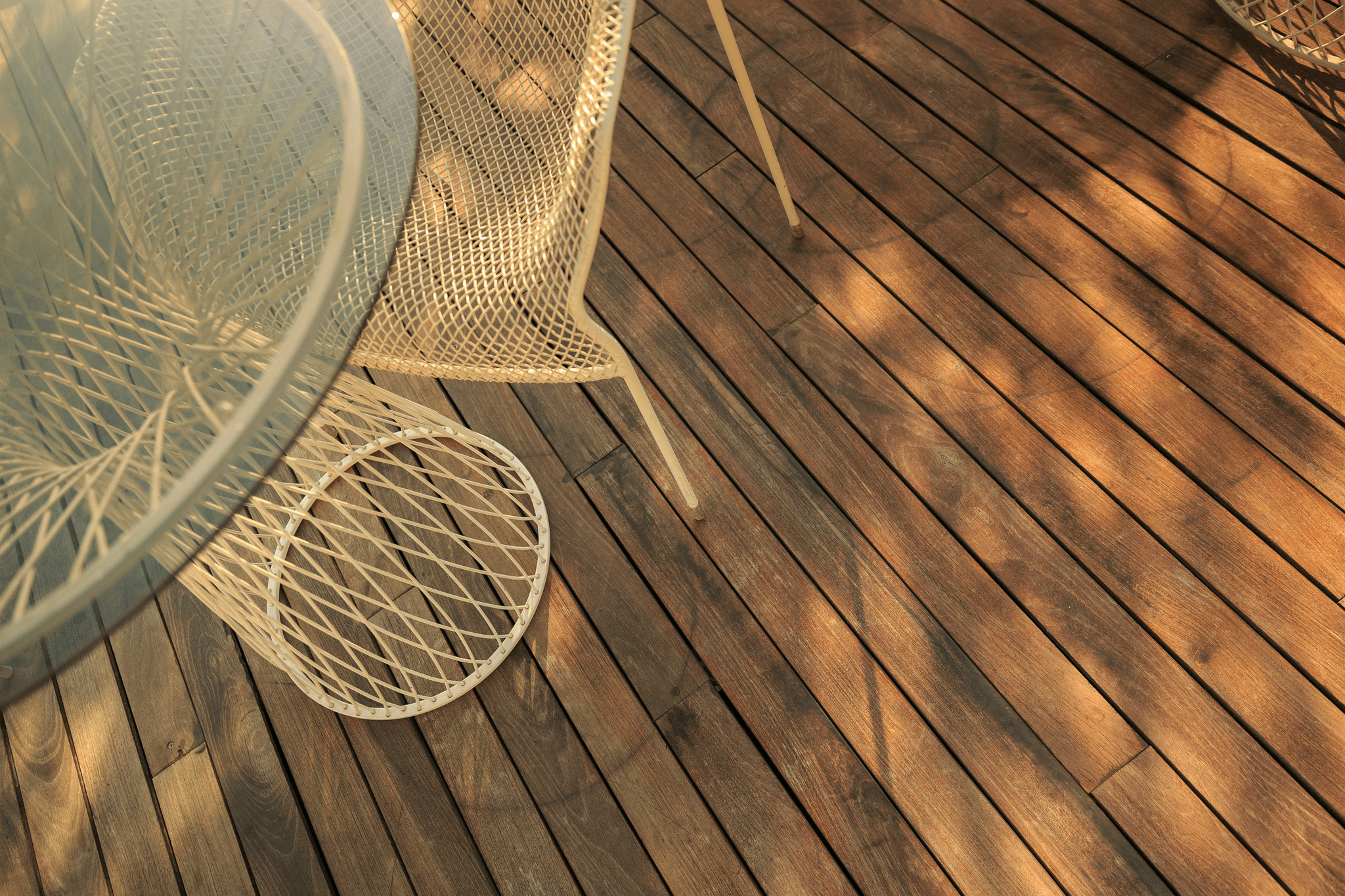
Homeowners are often torn between the natural charm of treated wood for decks and the modern appeal of composite lumber decking. Understanding these options is crucial for making an informed choice that aligns with your lifestyle and maintenance preferences.
Understanding Composite vs. Wood Decking
Composite deck boards have surged in popularity due to their durability and low maintenance requirements, while treated lumber for decks continues to hold its ground with its classic look and feel. Composite materials are engineered from a blend of recycled plastics and wood fibers, offering a weather-resistant alternative that won't splinter or warp like traditional wood. On the other hand, treated wood for deck applications brings warmth and character but demands more upkeep over time.
A Quick Look at Your Decking Options
Homeowners today can choose from various decking materials, including composite deck boards, PVC decking, and the ever-reliable treated lumber for decks. Each option presents unique advantages: composite offers longevity and ease of care; PVC provides excellent moisture resistance; while treated wood delivers timeless beauty at a potentially lower initial cost. By weighing these choices carefully, you can find the perfect fit for your outdoor oasis.
Why This Choice Matters for Homeowners
Selecting between wood or composite decking isn’t just about aesthetics; it’s also about long-term investment value and lifestyle compatibility. The right choice can save you time on maintenance while enhancing your home's curb appeal—making it important to consider factors like lifespan, upkeep needs, and environmental impact. Ultimately, this decision shapes how you enjoy your outdoor space now and in the years to come.
Material Comparison

Each option brings its unique set of benefits and challenges that can significantly impact both aesthetics and functionality. By diving into the specifics of composite lumber decking and treated wood for decks, homeowners can make informed decisions that best suit their needs.
What is Composite Lumber Decking?
Composite lumber decking is crafted from a blend of recycled wood fibers and plastic, creating a durable alternative to traditional wood options. This innovative material offers the look of natural wood while providing enhanced resistance to weathering, fading, and pests. With composite deck boards available in various colors and textures, homeowners can achieve their desired aesthetic without sacrificing durability.
One of the standout features of composite decking is its low-maintenance nature; it doesn’t require regular staining or sealing like treated lumber for decks does. Instead, occasional cleaning with soap and water keeps it looking fresh year after year. As a result, many homeowners find that opting for deck composite decking not only saves time but also money in the long run.
The Charm of Treated Wood for Decks
Treated wood for decks has long been a favorite among homeowners who appreciate its classic appearance and natural warmth. This type of lumber undergoes a chemical treatment process designed to protect against rot, insects, and other environmental factors that could compromise its integrity over time. The rich grain patterns found in treated lumber create an inviting atmosphere that many find appealing.
While treated wood may require more upkeep than its composite counterparts—such as annual sealing or staining—it offers a timeless charm that some homeowners prefer over synthetic materials. Moreover, using natural products like treated wood for deck construction can contribute to an organic feel in outdoor spaces. For those who enjoy working with their hands, maintaining a wooden deck can even be seen as part of the joy of homeownership.
Comparing the Lifespan of Deck Boards
When evaluating longevity between deck boards made from composite materials versus treated lumber, it's essential to consider several factors including maintenance requirements and environmental conditions. Composite lumber decking typically boasts an impressive lifespan ranging from 25 to 30 years or more when properly maintained—far exceeding most types of treated wood for decks which generally last around 10 to 15 years with proper care.
The durability factor plays a significant role here; while both materials can withstand various weather conditions, composite options resist fading due to UV exposure better than traditional woods do over time. Additionally, since they are engineered from recycled materials like PVC decking alongside natural fibers, they often come with warranties that enhance their appeal further compared to standard treated lumber options.
Ultimately, when comparing lifespans between these two choices—wood or composite decking—the decision hinges on how much effort you’re willing to invest in maintenance versus your desire for longevity without constant upkeep.
Maintenance Requirements
Composite Decking’s Low-Maintenance Appeal
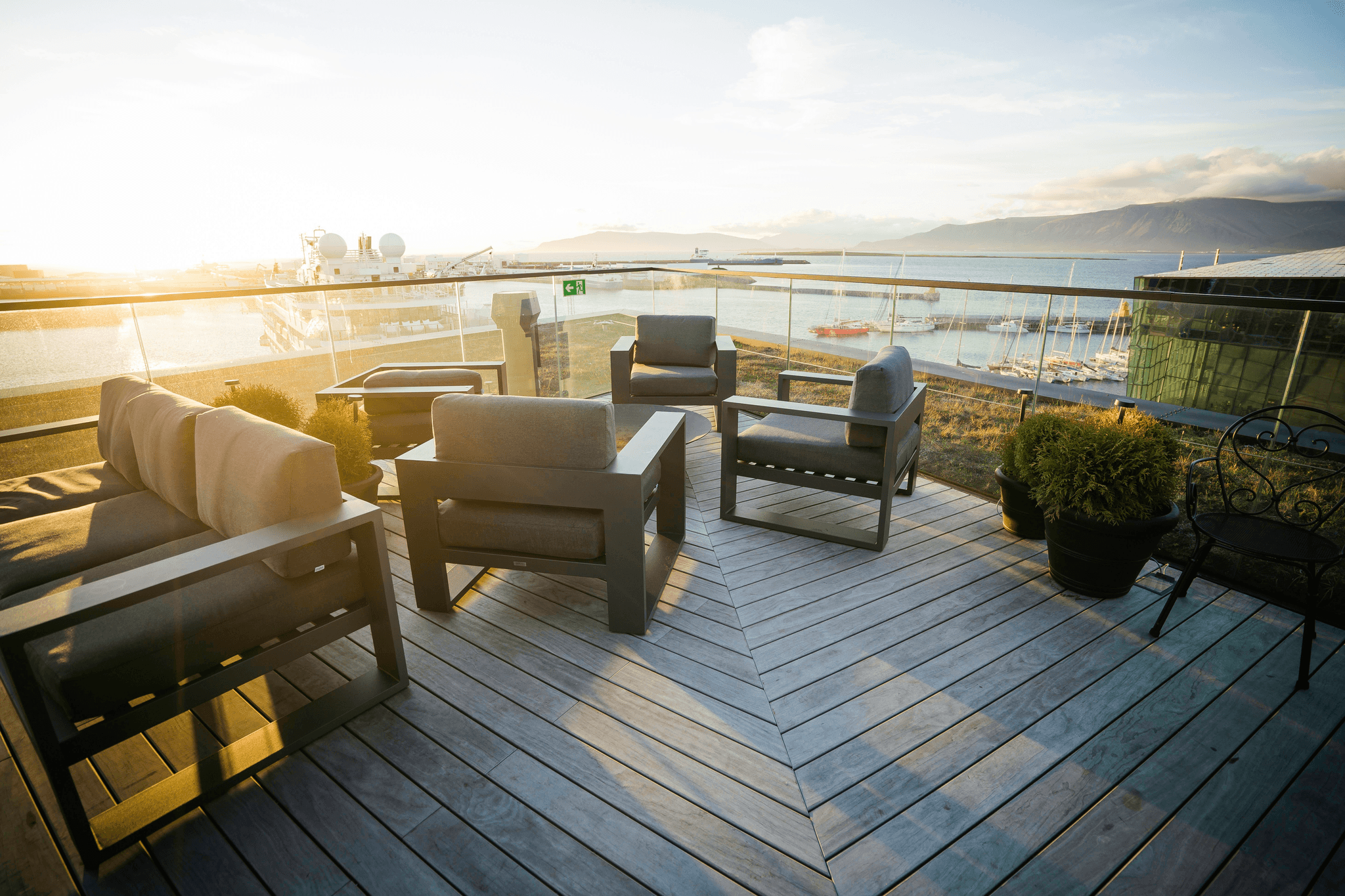
One of the most appealing aspects of composite deck boards is their low-maintenance nature. Unlike treated lumber for decks, which requires regular staining and sealing, composite decking only needs an occasional wash with soap and water to keep it looking fresh. This means more time enjoying your deck and less time worrying about upkeep—perfect for those who want to kick back without the hassle!
Furthermore, composite materials are designed to resist fading, staining, and mold growth, making them a smart choice for busy homeowners. With options like PVC decking in the mix, you can find styles that mimic wood grain while offering superior durability without all that pesky maintenance. In short, if you’re looking for a carefree experience with deck boards that stand the test of time, composite decking is hard to beat.
Keeping Treated Lumber for Deck Looking Fresh
On the other hand, keeping treated wood for deck surfaces in prime condition can be a bit more involved but certainly rewarding in terms of natural beauty. Regular maintenance tasks include cleaning with a gentle cleanser and applying sealant or stain at least once every couple of years to protect against moisture damage and UV rays. While this may sound like extra work compared to composite lumber decking, many homeowners cherish the authentic charm that treated lumber brings.
To maintain its appeal over time, it's essential to inspect your treated wood regularly for signs of wear or damage due to weather exposure. If you notice any splintering or discoloration on your deck boards, taking action sooner rather than later can save you from costly repairs down the line. Embracing this routine not only prolongs the life of your treated lumber but also enhances its character as it ages gracefully.
How Often Should You Clean Your Deck?
Cleaning frequency largely depends on whether you're using wood or composite decking materials; each has its own recommendations based on usage and environmental factors. For composite deck boards, a thorough cleaning twice a year should suffice—spring and fall are ideal times when debris tends to accumulate from seasonal changes. Simply spray off dirt with a hose or use a soft-bristle brush along with mild soap; it's quick and easy!
In contrast, treated lumber requires more attention due to its susceptibility to mold and mildew if moisture lingers too long on its surface. Aim for cleaning every few months during peak usage seasons—especially after heavy rain or snow—to prevent buildup that could lead to decay over time! By establishing these routines early on in ownership of either material type—be it PVC decking or classic treated wood—you'll ensure both longevity and enjoyment from your outdoor space.
Aesthetic Appeal
Visual Options with Composite Deck Boards
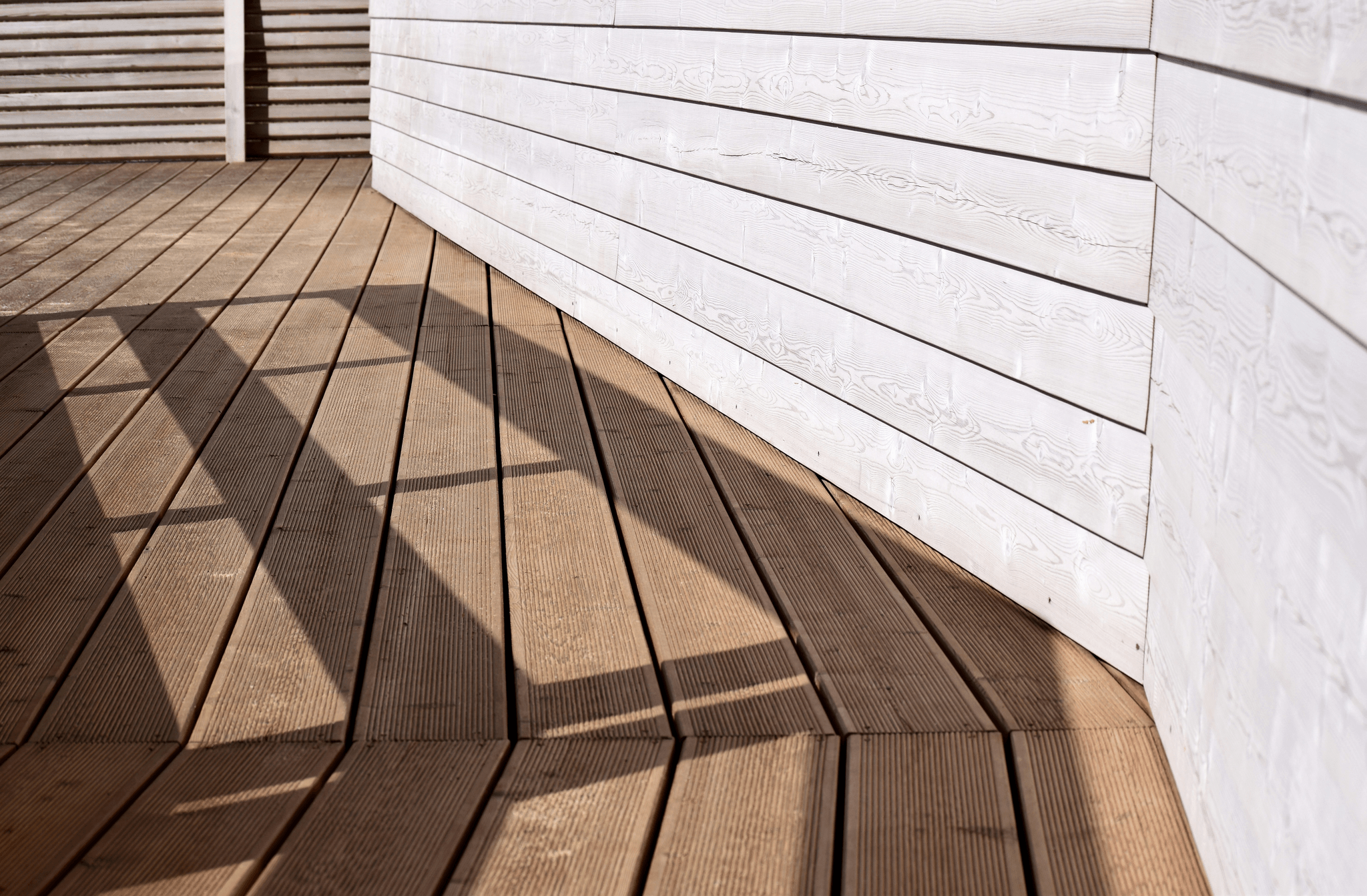
Composite deck boards come in a plethora of colors, textures, and finishes that mimic natural wood without the drawbacks. From rich mahogany hues to weathered gray tones, there’s a composite lumber decking option to fit every aesthetic preference. Plus, many brands offer multi-tonal boards that add depth and character, ensuring your deck stands out in any backyard setting.
Another advantage of composite decking is its uniformity; you won’t find unsightly knots or splinters here! This consistency allows for sleek designs that can seamlessly blend with modern landscaping or traditional home styles alike. With customizable railing options and built-in lighting features available in composite materials, your deck can be transformed into a stunning outdoor oasis.
The Natural Look of Treated Wood for Deck
Treated wood for decks has an undeniable appeal that draws many homeowners in with its classic beauty and warmth. The natural grain patterns and variations found in treated lumber create a unique look that no synthetic material can replicate. Whether you prefer the rustic charm of cedar or the sturdy feel of pressure-treated pine, wood offers an authentic connection to nature.
However, while treated wood is undeniably attractive, it does require more upkeep to maintain its natural beauty over time. Regular sealing and staining are necessary to protect against fading and weathering—tasks that some may find daunting but others see as an opportunity to refresh their deck's appearance seasonally. Ultimately, if you’re after a traditional aesthetic with organic warmth, treated wood might just be your go-to choice.
Customization and Design Flexibility
Both wood and composite decking provide ample opportunities for customization that can cater to individual tastes and preferences. With composite materials like PVC decking or capped composites available on the market, homeowners have access to products designed specifically for versatility in design—think built-in benches or curved edges! This level of flexibility allows you to create a unique outdoor space tailored precisely to your lifestyle needs.
On the other hand, treated lumber also offers room for creativity; it can be stained or painted any color under the sun! Whether you're looking for bold colors or subtle shades reminiscent of nature's palette, treated wood adapts beautifully with finishes while still showcasing its inherent beauty through custom cuts or patterns. In essence, both options allow homeowners to express their style while enjoying functional outdoor living spaces.
Cost Considerations
Initial Investment for Composite Decking
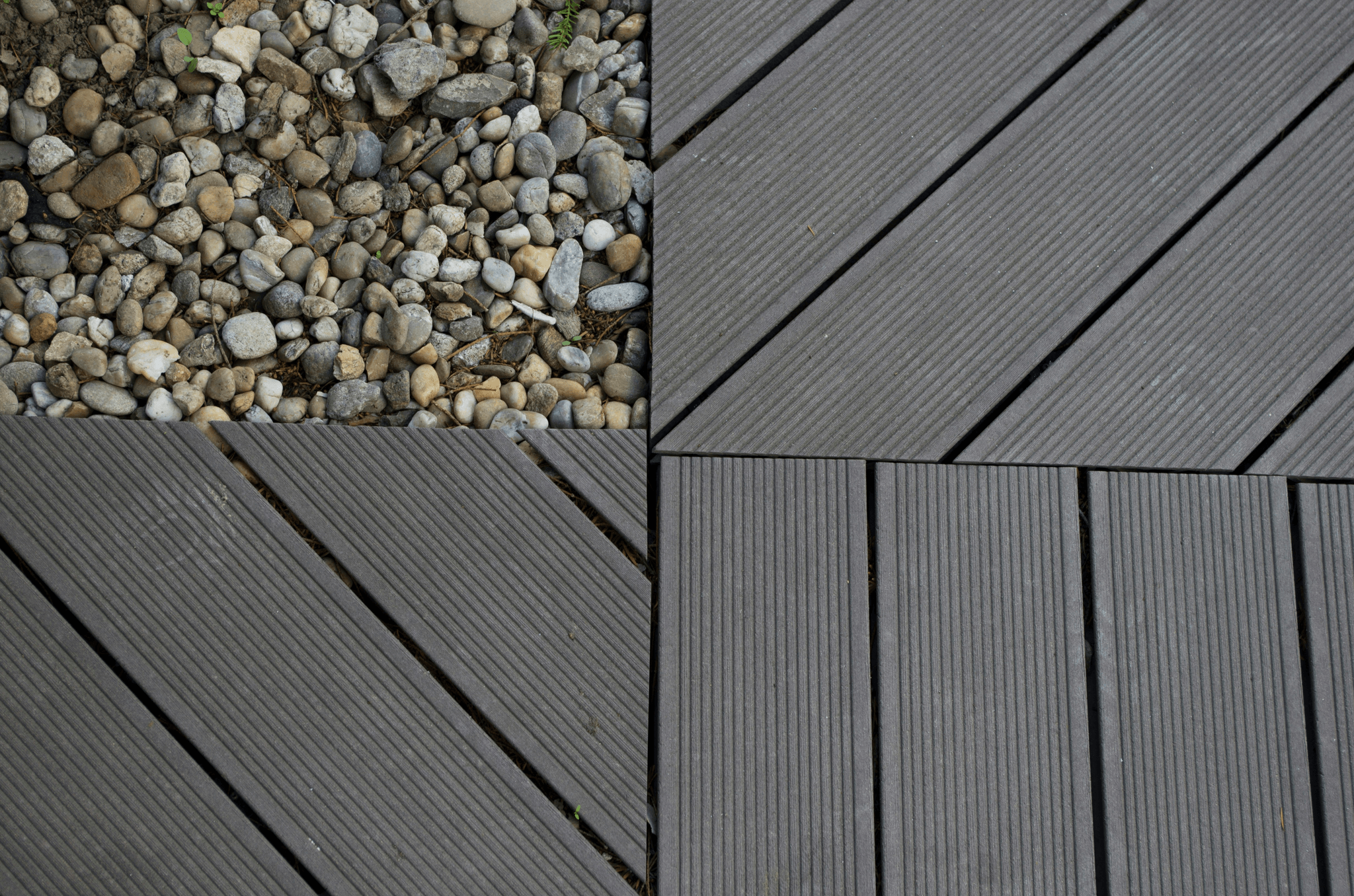
Composite deck boards typically come with a higher upfront price tag compared to traditional treated wood for decks. On average, homeowners can expect to spend anywhere from $30 to $60 per square foot for high-quality composite materials, including PVC decking options. However, this initial investment pays off over time as the durability of composite lumber decking means fewer repairs and replacements in the long run.
Long-Term Costs of Treated Lumber for Deck
While treated wood for decks may seem more budget-friendly initially—ranging from $15 to $30 per square foot—the long-term costs can add up significantly due to maintenance requirements. Regular staining, sealing, and potential repairs are necessary to keep your wooden deck looking fresh and functional, leading to additional expenses over time. In contrast, although composite deck boards may be pricier at first glance, their low-maintenance appeal often translates into savings down the road.
Evaluating Cost vs. Longevity
When evaluating cost versus longevity in your decking choice, it’s essential to consider how much you’re willing to invest upfront against what you’ll spend on upkeep over the years. Composite lumber decking offers a lifespan of 25 years or more with minimal maintenance, while treated lumber typically lasts around 10-15 years if properly cared for. Thus, while wood or composite decking has different initial costs and lifespans, choosing wisely based on your lifestyle and budget could lead you towards a more satisfying outdoor space in the future.
Environmental Impact

Homeowners are increasingly aware of the ecological footprint of their materials, prompting a deeper look into the sustainability of options like composite lumber decking versus treated wood for decks. Understanding these impacts can guide you toward making a more informed decision that aligns with your values.
Eco-Friendly Aspects of Composite Decking
Composite deck boards are often crafted from recycled materials, including plastic and wood fibers, which helps divert waste from landfills. By choosing composite lumber decking, homeowners can reduce their reliance on virgin timber and contribute to a circular economy. Additionally, many manufacturers prioritize eco-friendly practices in production, ensuring that your deck composite decking is not only stylish but also sustainable.
One major benefit of composite decking is its longevity; it doesn't require toxic chemicals for preservation like treated lumber for decks often does. This means fewer harmful substances leaching into the soil and waterways over time. Furthermore, because composite materials resist rot and insect damage without chemical treatments, they present a safer option for both families and the environment.
Sustainability of Treated Lumber
While treated wood for decks has its charm and traditional appeal, its sustainability can be a bit murky. The pressure-treated process involves infusing wood with chemicals to enhance durability and prevent decay; however, these chemicals can pose risks if not managed properly during disposal or if they leach into the environment over time. Although responsibly sourced treated lumber may come from sustainable forestry practices, it's essential to consider how treatment affects its overall environmental impact.
Moreover, while natural wood offers biodegradability at the end of its life cycle, this benefit diminishes when chemicals are involved in treatment processes. Homeowners should weigh the longevity benefits against potential environmental concerns when opting for treated wood for deck projects. Sustainable sourcing combined with responsible maintenance practices can help mitigate some negative aspects associated with using treated lumber.
Choosing the Right Material for a Greener Home
Selecting between wood or composite decking ultimately boils down to personal preference balanced against environmental responsibility. If you prioritize sustainability without sacrificing style or performance, then opting for composite deck boards might be your best bet—especially considering their low-maintenance nature that further reduces resource consumption over time. However, if you're drawn to the classic appeal of natural woods like cedar or redwood and choose responsibly sourced options paired with eco-friendly treatments, you can still make an environmentally conscious choice.
Ultimately, it's about finding harmony between aesthetics and ecological impact in your outdoor space design preferences—whether that's through durable PVC decking options or traditional timber solutions like treated lumber for decks that have been sourced sustainably. By understanding each material's environmental implications thoroughly before making your choice, you'll be better equipped to create an outdoor oasis that's not only beautiful but also kind to our planet.
Conclusion
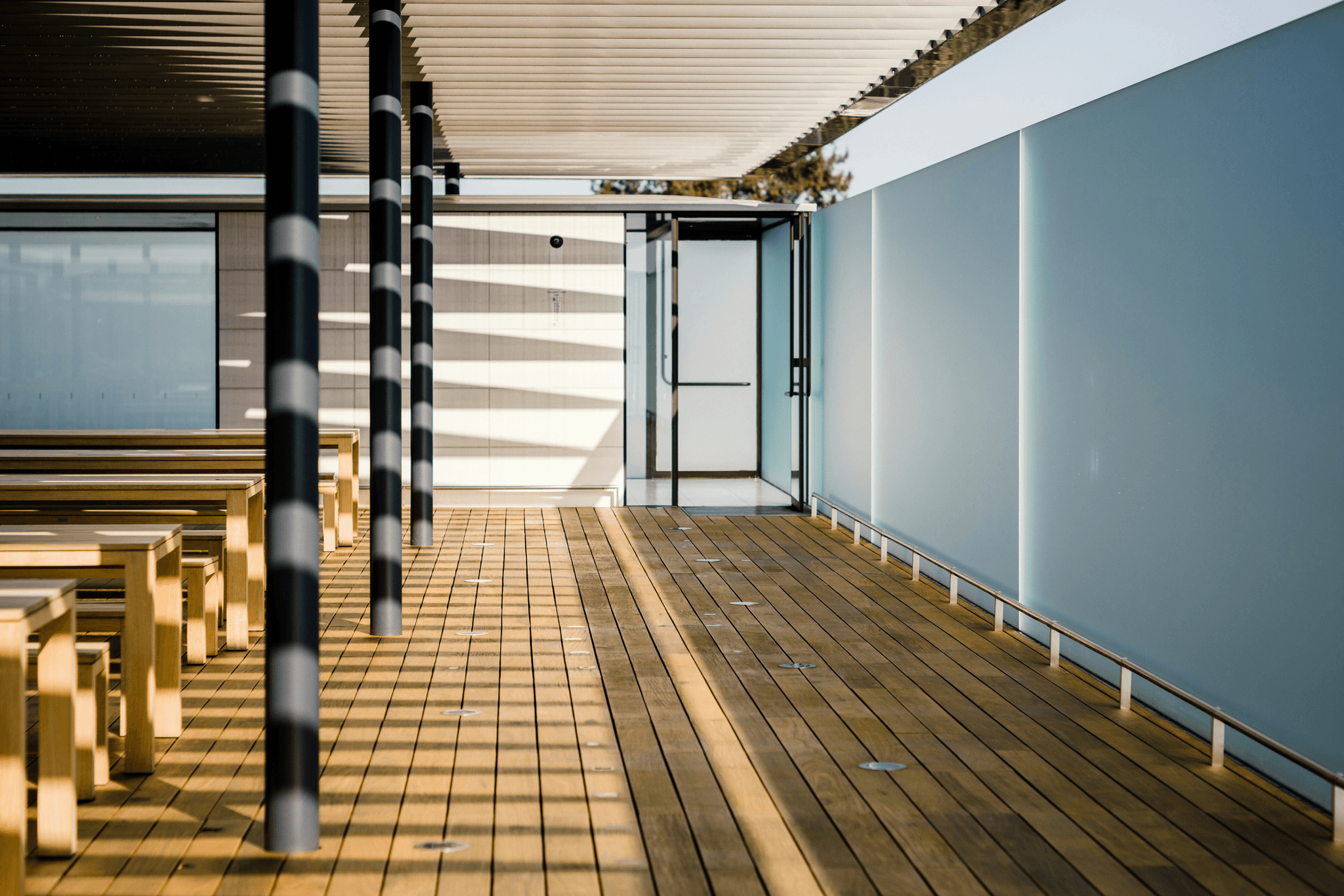
Choosing between wood or composite decking is no small feat, and it’s essential to weigh the pros and cons carefully. Each option has its unique advantages and drawbacks, making the decision a bit like choosing between chocolate and vanilla—both are delightful but cater to different tastes. Ultimately, your choice will hinge on personal preference, budget constraints, and how much maintenance you’re willing to undertake.
Weighing the Pros and Cons of Deck Choices
When it comes to deck boards, composite lumber decking shines with its low-maintenance appeal but may come with a higher upfront cost. In contrast, treated lumber for decks offers a classic aesthetic that many homeowners adore but requires regular upkeep to keep it looking fresh. Balancing these factors can help you find the right fit for your outdoor oasis.
Final Thoughts on Composite vs. Wood Decking
In the battle of wood vs. composite decking, there's no one-size-fits-all answer; it's all about what suits your lifestyle best! If you're someone who enjoys spending weekends maintaining a beautiful treated wood for deck, then go for it! However, if you prefer sipping lemonade while enjoying a hassle-free environment on composite deck boards, then composite lumber decking might be your best bet.
Making Your Decking Decision for the Future
As you contemplate your options for decking materials, consider not just immediate costs but also long-term implications like durability and environmental impact. Whether you lean towards PVC decking or stick with traditional treated wood for deck designs, ensure that your choice reflects both your aesthetic desires and practical needs. After all, this isn’t just about decking—it’s about creating an inviting space that enhances your home’s value and livability for years to come.