
Introduction
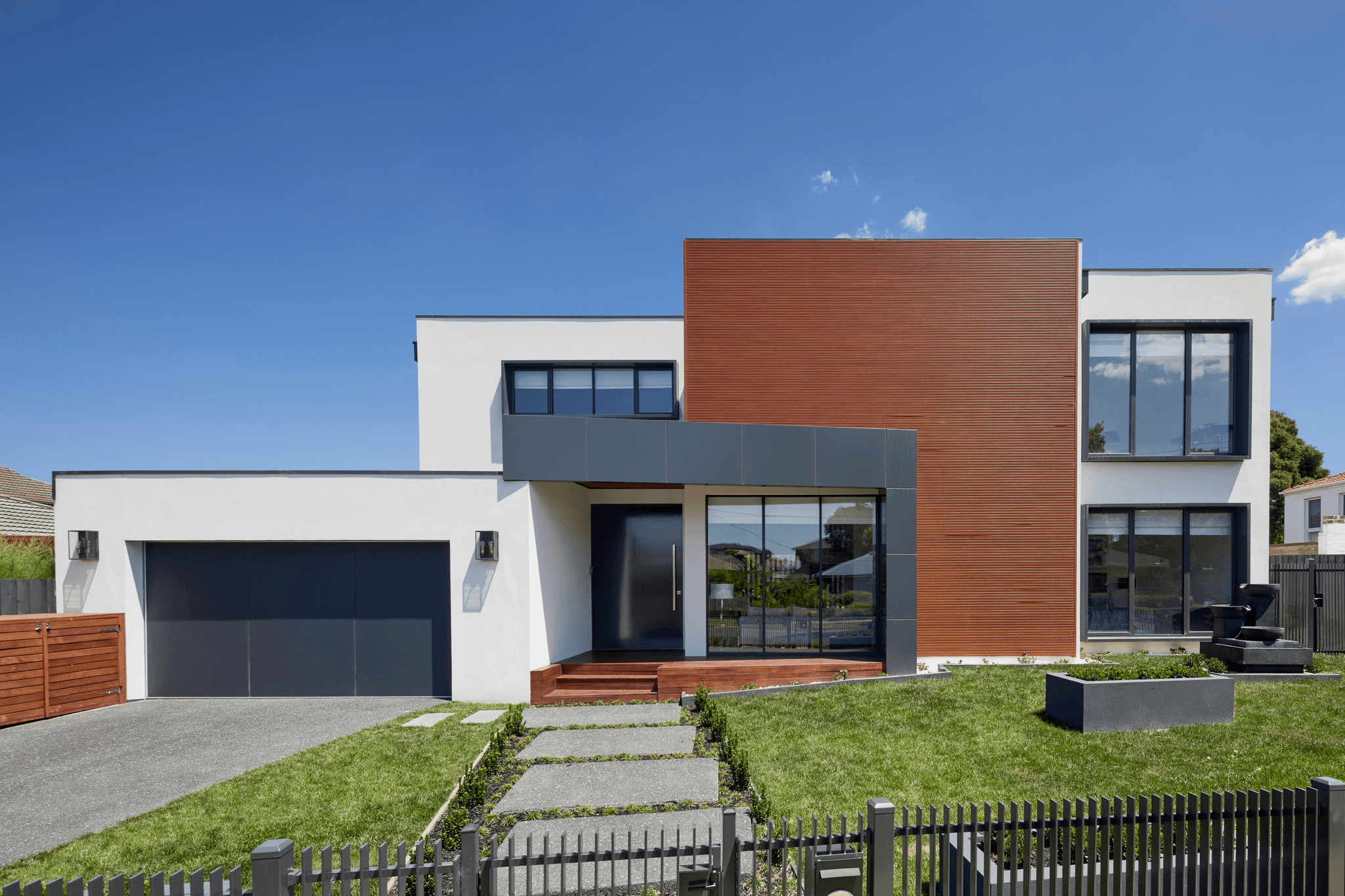
Composite wood has emerged as a popular choice for exterior cladding materials, offering a blend of durability and style that traditional options often lack. This introduction will explore the benefits of composite wood and highlight key features that make it an ideal choice for wall cladding in modern houses.
Understanding Composite Cladding Choices
Composite cladding refers to a range of exterior cladding materials made from a mixture of wood fibers and synthetic materials, designed to mimic the look of natural wood while providing superior performance. With various types available, homeowners can select options that suit their design preferences and budget. The growing popularity of composite wood in exterior cladding for houses reflects its impressive versatility and ability to withstand the elements without compromising on beauty.
The Benefits of Composite Wood
One of the standout advantages of composite wood is its remarkable durability; it resists warping, cracking, and fading over time, making it an ideal choice for any climate. Additionally, low maintenance solutions offered by composite cladding mean less time spent on upkeep compared to traditional wooden alternatives. Eco-friendliness is another compelling reason to consider composite materials; many brands utilize recycled content in their products, promoting sustainability while delivering high-quality wall cladding options.
Key Features of Exterior Cladding
When selecting exterior cladding materials, it's essential to evaluate key features such as insulation properties, weather resistance, and ease of installation. Composite cladding excels in these areas; it not only provides excellent thermal insulation but also stands strong against harsh weather conditions like rain or snow. With an array of colors and textures available, homeowners can achieve their desired aesthetic while enjoying the practical benefits that come with modern composite wood solutions.
What is Composite Cladding?

Composite cladding is a modern solution for exterior wall coverings that combines aesthetics with functionality. This innovative material typically blends wood fibers with recycled plastics, creating a durable and attractive option for homeowners looking to enhance their properties. With the growing popularity of composite wood, it’s essential to understand the different types and benefits of this versatile exterior cladding.
Defining Composite Materials
Composite materials are engineered products made from two or more distinct components that retain their individual properties while creating a new material with enhanced characteristics. In the case of composite cladding, wood fibers are combined with plastic resins to produce a product that offers the warmth of natural wood without its drawbacks. This fusion results in exterior cladding that is resistant to rot, pests, and weathering, making it an ideal choice for wall cladding in various climates.
Types of Composite Cladding Available
There are several types of composite cladding available on the market today, each designed to cater to different aesthetic preferences and functional needs. Some popular options include solid composite boards, which provide a robust appearance and durability; hollow-core boards that offer lightweight benefits; and textured finishes that mimic real wood grain for added visual appeal. Homeowners can choose between various colors and styles when selecting their exterior cladding materials, ensuring they find the perfect fit for their design vision.
Comparing Composite Wood to Traditional Materials
When comparing composite wood to traditional materials like vinyl or natural timber, several key differences emerge that influence homeowners' choices in exterior cladding. While traditional timber requires regular maintenance such as painting or staining to prevent decay and maintain appearance, composite wood typically only needs occasional cleaning due to its superior weather resistance. Additionally, unlike vinyl siding which can fade over time, quality composite cladding retains its color and texture much longer—making it not only aesthetically pleasing but also cost-effective in the long run.
Advantages of Using Composite Cladding
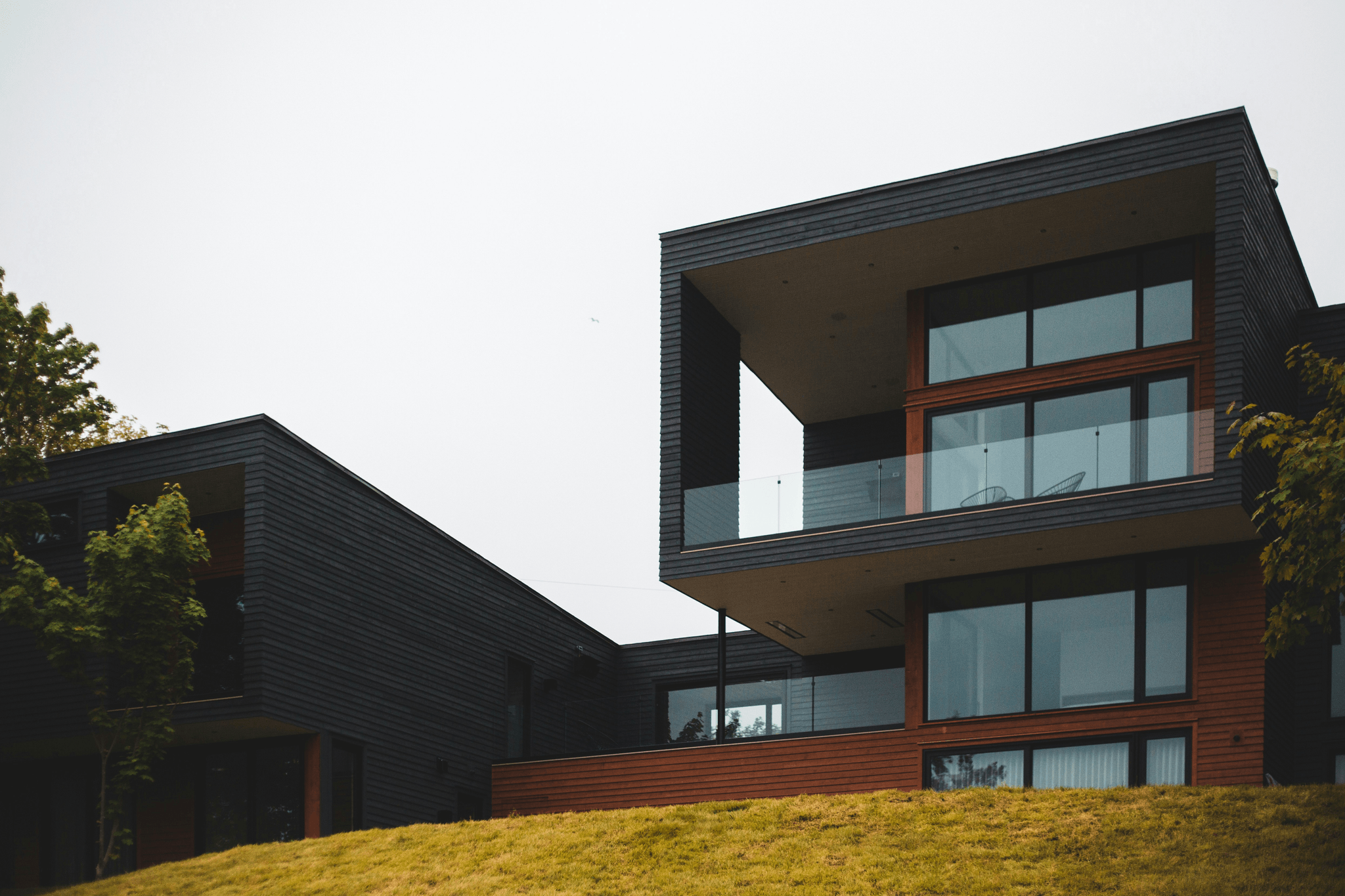
This innovative material combines the best features of wood and plastic, creating a robust solution that caters to modern building needs. In this section, we’ll explore the advantages of using composite wood in your wall cladding projects.
Durability and Weather Resistance
One of the standout characteristics of composite cladding is its exceptional durability and weather resistance. Unlike traditional wood, which can warp or rot over time due to moisture exposure, composite wood is engineered to withstand harsh environmental conditions without compromising structural integrity. This makes it an ideal choice for exterior cladding materials that face rain, snow, and UV rays daily.
Moreover, many brands offer warranties that reflect the long-lasting nature of their products—some even up to 25 years! This durability translates into less frequent replacements or repairs compared to conventional wall cladding options. Homeowners can rest easy knowing their investment in composite cladding will endure through various seasons without losing its charm.
Low Maintenance Solutions
If you’re tired of spending weekends scraping paint or sealing your wooden siding, you're not alone! Composite wood offers a low maintenance solution that allows you more leisure time rather than upkeep chores. With exterior cladding made from composites, a simple wash with soap and water is often all that's needed to keep it looking fresh.
Additionally, composite materials are resistant to pests like termites and do not require regular staining or painting like traditional wood does. This not only saves you money on maintenance costs but also contributes to a more sustainable lifestyle by reducing waste generated from frequent replacements or repairs associated with other types of wall cladding.
Eco-Friendliness of Composite Materials
In an era where sustainability matters more than ever, choosing eco-friendly materials for home construction has become vital—and here’s where composite cladding shines brightly! Many manufacturers produce their composite wood from recycled plastics and reclaimed timber fibers, significantly reducing waste while offering a high-quality product for exterior applications.
Furthermore, opting for eco-friendly exterior cladding materials means you're making a conscious choice that benefits both your home and the planet—talk about a win-win! By selecting composite wood over traditional lumber sources that contribute to deforestation, homeowners can take pride in their environmentally responsible decisions while enjoying beautiful aesthetics.
Factors to Consider When Choosing Cladding
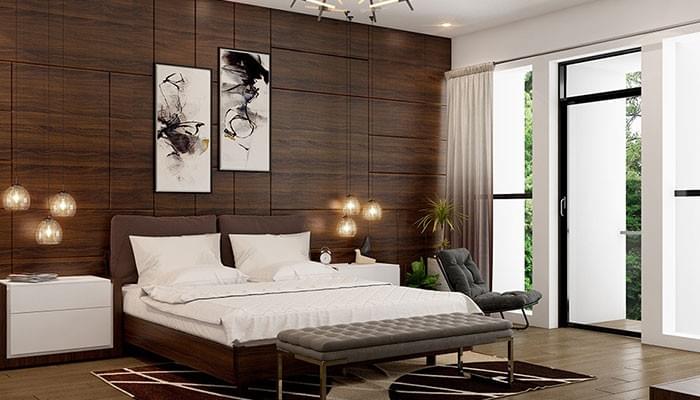
When it comes to selecting the right cladding for your home, several factors play a pivotal role in ensuring you make an informed choice. Composite cladding offers various advantages, but understanding the nuances of cost, aesthetics, and installation is essential for any homeowner. Let's delve into these crucial aspects that can shape your exterior cladding journey.
Cost-Effectiveness and Budgeting
Cost-effectiveness is often at the forefront of homeowners' minds when considering wall cladding options. While composite wood may have a higher initial price point compared to traditional materials, its longevity and low maintenance requirements often make it a wise investment over time. Budgeting for exterior cladding materials should also include potential savings on upkeep and repairs, which can be significant with composite options.
When calculating costs, consider not just the purchase price of composite cladding but also installation expenses and any long-term benefits it brings to your property value. Many homeowners find that investing in quality exterior cladding for houses leads to reduced energy costs due to better insulation properties. Ultimately, a well-planned budget will help you choose the best composite wood solution without breaking the bank.
Aesthetic Appeal and Design Options
Aesthetic appeal is another critical factor when choosing exterior cladding materials; after all, your home’s façade is its first impression! Composite wood comes in an array of colors, textures, and finishes that can mimic natural wood while providing enhanced durability against weather elements. This versatility allows homeowners to create stunning visual designs that complement their architectural style without compromising on performance.
Moreover, many manufacturers offer customizable options for wall cladding that cater to specific design preferences or regional trends. Whether you prefer a sleek modern look or a rustic charm, there’s likely a composite option that fits your vision perfectly. Remember that choosing aesthetically pleasing exterior cladding not only enhances curb appeal but can also increase overall property value.
Installation and Availability
Installation plays a significant role in your choice of composite cladding; some products are designed for easy DIY projects while others may require professional expertise. Understanding how each type of wall cladding fits into your home’s existing structure is vital for achieving optimal results during installation. Additionally, availability can vary based on location—some regions may have limited access to certain brands or styles of composite wood.
Before making a final decision on exterior cladding materials, check local suppliers or online retailers for product availability and delivery options. If opting for professional installation services, ensure you research qualified contractors who specialize in composite installations; this will help avoid costly mistakes down the line! With careful planning around installation logistics and material accessibility, you'll be well on your way to transforming your home's exterior with beautiful composite solutions.
Popular Brands and Products
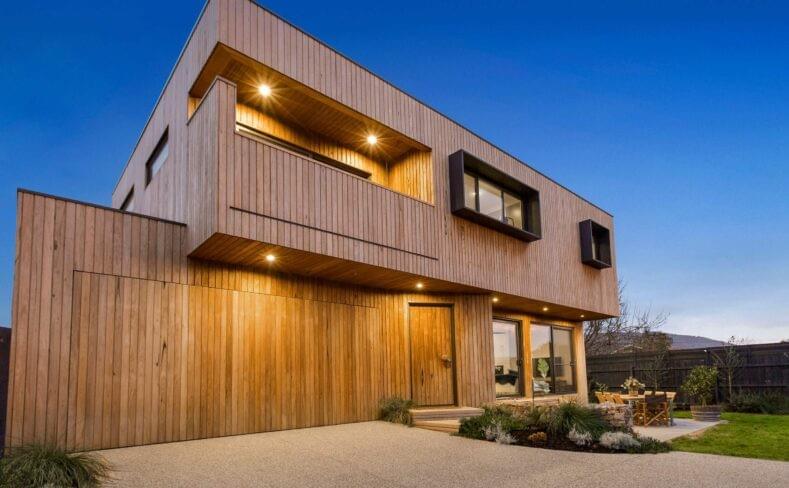
When it comes to choosing the right composite cladding for your home, knowing the top brands can make all the difference. The market is filled with options, but a few standout names consistently deliver quality and innovation in exterior cladding materials. Understanding these brands will help you navigate the sea of choices in wall cladding solutions.
Overview of Top Composite Cladding Brands
Several brands have carved a niche in the composite wood industry, each offering unique features that cater to different needs. Trex, TimberTech, and CertainTeed are among the leaders known for their durability and aesthetic appeal. Their products not only enhance exterior cladding for houses but also provide excellent weather resistance and low maintenance requirements.
Trex is particularly renowned for its eco-friendly approach, utilizing recycled materials in its composite wood offerings. TimberTech focuses on realistic wood aesthetics while ensuring longevity through advanced engineering techniques. CertainTeed rounds out this trio by providing a variety of styles that can suit any architectural design, making them favorites among homeowners.
Spotlight on Composite Decking Inc
Composite Decking Inc stands out as a significant player in the world of composite cladding products. Known for their high-quality offerings, they specialize in both wall cladding and decking solutions that promise longevity without sacrificing style. Their range includes various colors and textures designed to mimic traditional wood while delivering superior performance as exterior cladding materials.
What sets Composite Decking Inc apart is their commitment to sustainability; many of their products are made from recycled plastics and reclaimed wood fibers. This eco-friendly focus not only appeals to environmentally-conscious consumers but also ensures that their wall cladding options remain resilient against harsh weather conditions. With an emphasis on innovation, they continually expand their product line to meet evolving consumer demands.
Comparing Products from Different Manufacturers
When comparing products from various manufacturers, it's essential to look at several key factors: durability, aesthetic appeal, and cost-effectiveness of exterior cladding materials. While one brand may excel in offering stunning designs with vibrant colors, another might shine when it comes to long-lasting performance under extreme weather conditions.
For instance, Trex's composite wood is often lauded for its resistance to fading and scratching compared to other brands like TimberTech or CertainTeed. However, TimberTech may offer more diverse color palettes perfect for those looking to customize their home's appearance through wall cladding options. Ultimately, understanding how these products stack up against one another will empower you to make an informed decision about which composite cladding best suits your needs.
Installation Tips for Composite Cladding
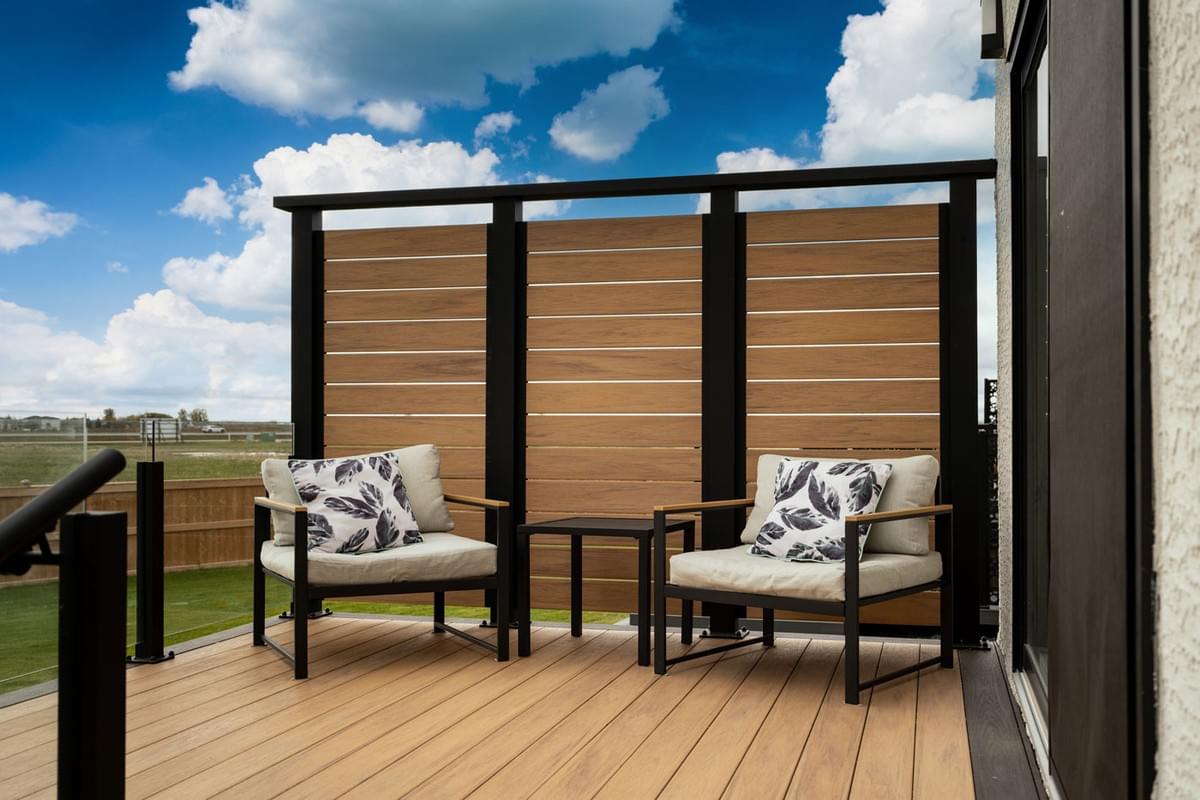
Installing composite cladding can be a rewarding project, adding both aesthetic appeal and durability to your home. However, proper preparation is key to ensuring a smooth installation process. Whether you’re opting for professional help or going the DIY route, understanding the steps involved will make your experience much more enjoyable.
Preparing Your Home for Installation
Before diving into the installation of your new composite wood cladding, it’s essential to prepare your home adequately. Start by ensuring that the walls are clean and free of any debris or old materials; this creates a solid foundation for your exterior cladding. Additionally, check for any structural issues that may need repair before applying new wall cladding, as addressing these beforehand will save you time and money in the long run.
Next, gather all necessary tools and materials—this includes not only the composite cladding itself but also fasteners, sealants, and safety gear like gloves and goggles. Having everything on hand ensures you won’t have to make last-minute trips to the hardware store mid-project! Lastly, consider weather conditions; installing exterior cladding during dry weather will help prevent complications related to moisture.
Hiring Professionals vs. DIY
One of the first decisions you'll face when installing exterior cladding for houses is whether to hire professionals or tackle it yourself. Hiring experienced contractors can save you time and possibly ensure a higher quality finish since they are familiar with various installation techniques specific to composite materials. However, if you're handy with tools and enjoy DIY projects, installing composite wood cladding can be a fulfilling way to enhance your home's exterior.
If you choose the DIY route, make sure you thoroughly research installation techniques specific to composite materials; there are plenty of tutorials available online! Just remember that while it might seem like an easy task at first glance, improper installation could lead to costly repairs down the line—so weigh your options carefully before committing either way.
Maintenance Tips for Longevity
Once you've installed your new wall cladding made from composite wood, maintaining its appearance is crucial for ensuring its longevity. One of the great benefits of using exterior cladding materials like composites is their low maintenance nature; however, some care still goes a long way! Regularly cleaning your composite cladding with mild soap and water will keep it looking fresh while preventing dirt buildup that could affect its aesthetic appeal.
Additionally, inspect your exterior cladding periodically for signs of damage or wear—this proactive approach allows you to address minor issues before they escalate into major problems. Finally, consider reapplying protective coatings as recommended by manufacturers; this can further enhance resistance against UV rays and moisture damage while preserving that beautiful look of fresh wall cladding!
Conclusion
In wrapping up our exploration of composite cladding, it's essential to recognize the myriad choices available for homeowners seeking to enhance their properties. With a focus on durability, aesthetic appeal, and low maintenance, exterior cladding for houses has never been more accessible or appealing. Making an informed decision on wall cladding can significantly impact not only the look of your home but also its long-term value.
Making an Informed Decision on Cladding
When selecting composite wood for your home’s exterior, it’s crucial to weigh various factors such as cost-effectiveness and design options. Understanding the differences between various exterior cladding materials will empower you to make a choice that aligns with both your budget and style preferences. Remember, composite cladding isn’t just about looks; it’s about investing in a product that offers longevity and minimal upkeep.
Future Trends in Exterior Cladding
As we look ahead, trends in exterior cladding are leaning towards more sustainable and innovative materials that meet modern environmental standards. Composite wood is at the forefront of this movement, offering eco-friendly solutions without compromising on performance or aesthetics. Expect to see advancements in technology that enhance weather resistance and expand design possibilities for wall cladding in homes across the globe.
Final Thoughts on Composite Wood Choices
In conclusion, choosing composite wood as your primary exterior cladding material can be a game-changer for homeowners looking for style combined with practicality. The benefits of these modern materials extend beyond mere appearance; they promise durability, ease of maintenance, and environmental responsibility—all essential attributes in today’s building landscape. Whether you’re renovating or building new, composite cladding is a choice that stands the test of time while keeping your home looking fabulous.